
The term Upper Silesian Tragedy refers to the events of 1945 that followed the entry of the Red Army into Upper Silesia: killings of civilians, arrests, deportations to the USSR and internment in labour camps. One of the most frequently mentioned sites of crime is Miechowice, today a district of Bytom, where in January 1945, according to an IPN investigation, at least 380 people were killed.
What the name Upper Silesian Tragedy means
Dariusz Węgrzyn, a historian associated with the Silesian Centre for Freedom and Solidarity, described the Upper Silesian Tragedy in an interview with PAP as a term important for Upper Silesian identity but difficult to define scholarly. The beginning, in his view, is clear: it is the year 1945 and the entry of the Red Army. The dzieje.pl portal, citing PAP, describes the term as acts of terror against the region's inhabitants: arrests, executions and deportations to the east. In the same account PAP lists the internment of inhabitants in labour camps on the territory of Poland, for example in Świętochłowice-Zgoda, while deportations to the USSR form a separate, more widely described thread.
Węgrzyn draws attention to the role of the prewar Polish-German border. The gravest crimes, he says, were committed by Red Army soldiers in areas they regarded as German, although Poles, Germans and many Upper Silesians lived there, for whom the question of nationality mattered less.
January 1945: Gliwice, Bojków, Katowice
Miechowice was not the only site of crime. In Gliwice, taken on 22-24 January 1945, Józef Bonczol established from the parish death registers 817 murdered inhabitants, and Węgrzyn estimates the total number of civilian victims at as many as 1,500. In Bojków, today a district of Gliwice, about 120 people were killed according to the same study. In Katowice on 29 January 1945 the city centre burned down. In other places, such as Zabrze, Strzelce Opolskie or Olesno, sources describe killings, robberies and arson. Węgrzyn stresses at the same time that not all Red Army soldiers can be presented in the same way, and many events depended on the unit that entered a locality.
Miechowice, 25-27 January 1945
The fighting for Miechowice on 25-27 January was of low intensity. On the German side the remnants of the Volkssturm from Tarnowskie Góry took part, and the locality, as shown by materials from the IPN investigation, offered no resistance and was taken on 25 January. Soldiers entered cellars and flats, killing men, especially young or disabled ones, in the belief that they were soldiers. Among the first victims was the curate Jan Frenzel (also written Frencel).
The killings peaked on 27 January. A rumour of the killing of a Soviet officer is given as the immediate reason. According to the findings of the investigation, no direct witness confirmed that an order had been given, and all accounts on the subject come from people who had only heard of it. It also proved impossible to establish which infantry units' soldiers are responsible for the crime. Victims were killed in houses, in the streets, above all on Stolarzowicka street, and at sites of mass executions. Polish forced labourers living with Silesian families also died. The sources also describe sexual violence against women, the scale of which Węgrzyn assesses as enormous.
According to Węgrzyn, who cites Józef Bonczol, the victims were often people with a visible disability, because the soldiers took them to have been maimed on the Eastern Front. The oldest identified victim was 76 years old, the youngest 14.
The number of victims: what the sources say
- The investigation by the Katowice branch of the IPN: the murder of 380 people was confirmed, of whom 230 were identified on the basis of parish books and entries of the civil registry office in Bytom,
- Dariusz Węgrzyn in PAP: in Miechowice near Bytom 380 people were murdered,
- Dariusz Węgrzyn, citing Józef Bonczol: in Miechowice, Stolarzowice and Górniki together about 500 people.
The second figure covers several neighbouring districts of Bytom. Węgrzyn also mentions Boguszyce near Opole, where at least 270 people died, but it lies outside the Silesian Voivodeship.
Miechowice today
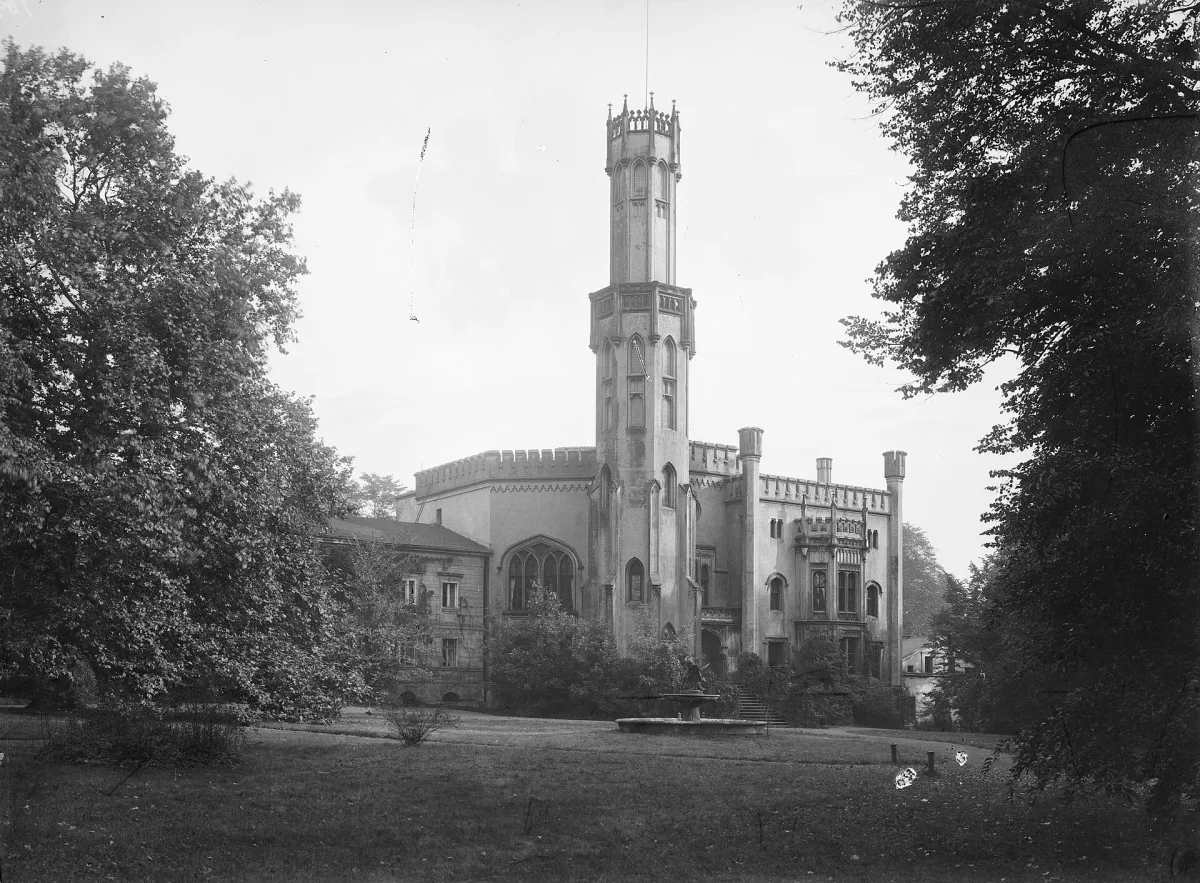
In January 1945 the Tiele-Winckler Palace in Miechowice was plundered and burned. The burnt-out walls were blown up in 1954, and of the whole residence the outbuilding and the park survived. The history of the district, with particular attention to the events of 1945, is told by the Museum Room in a German air-raid shelter, opened in 2016 by the Pro Fortalicium association. According to the association, in January 1945 the shelter was located in the area towards which the Red Army was advancing.
Traces of the district's former economy include the buildings of the former Preussen mine, entered in the heritage register. In May 1945 the mine in Miechowice employed, according to Węgrzyn, 800 people, three quarters of them women, because the men had been deported to the USSR.
Commemoration
In the period of the Polish People's Republic the subject of the Upper Silesian Tragedy was under a ban on public discussion. After 1989 it began to be researched and commemorated. The Day of Remembrance of the Upper Silesian Tragedy of 1945, established by the Silesian Voivodeship Assembly, has been observed every year since 2011 on the last Sunday of January. The assembly declared 2015 the Year of Remembrance of the Victims of the Upper Silesian Tragedy. In November 2015 the Monument to the Upper Silesian Tragedy was unveiled in Bytom, in Katowice the square at Dąbrówki and Gliwicka streets was named the Square of the Victims of the Upper Silesian Tragedy of 1945, and in 2023 a monument with inscriptions in Silesian, Polish and German was erected in Rybnik. In January 2025 the Sejm adopted a resolution honouring the memory of the repressed civilian population.
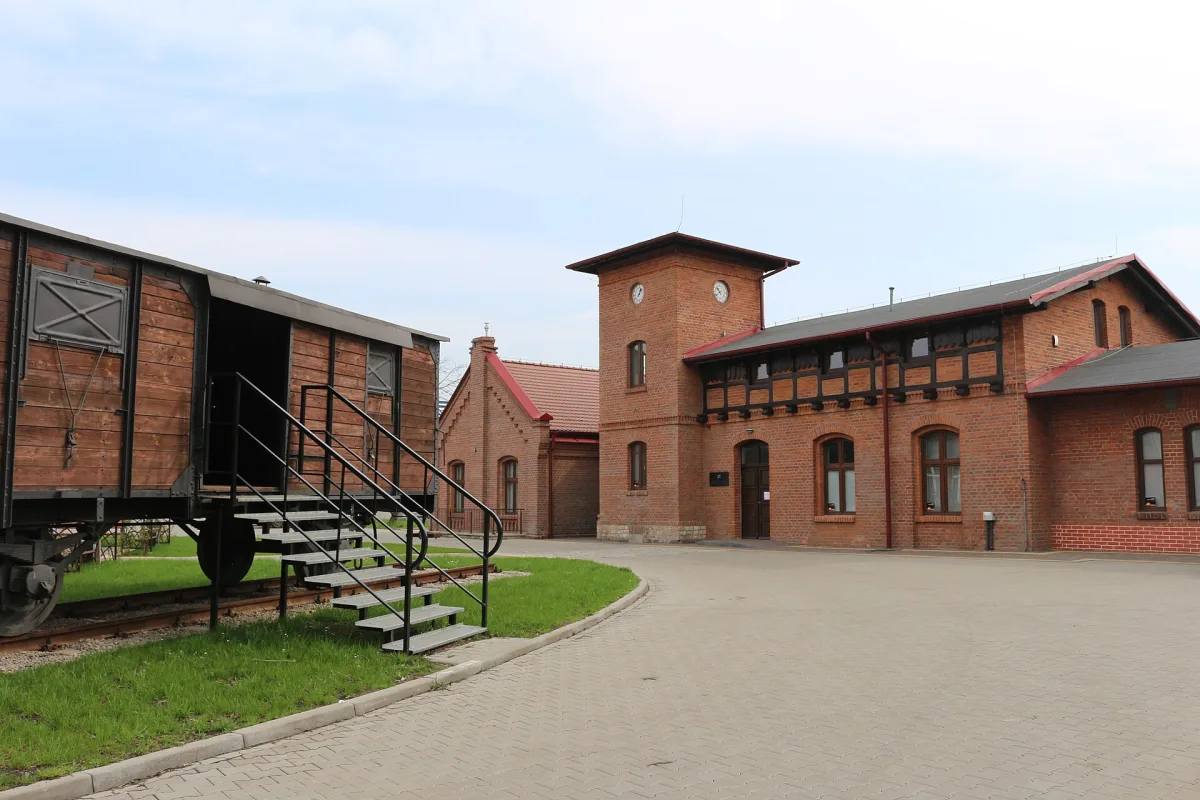
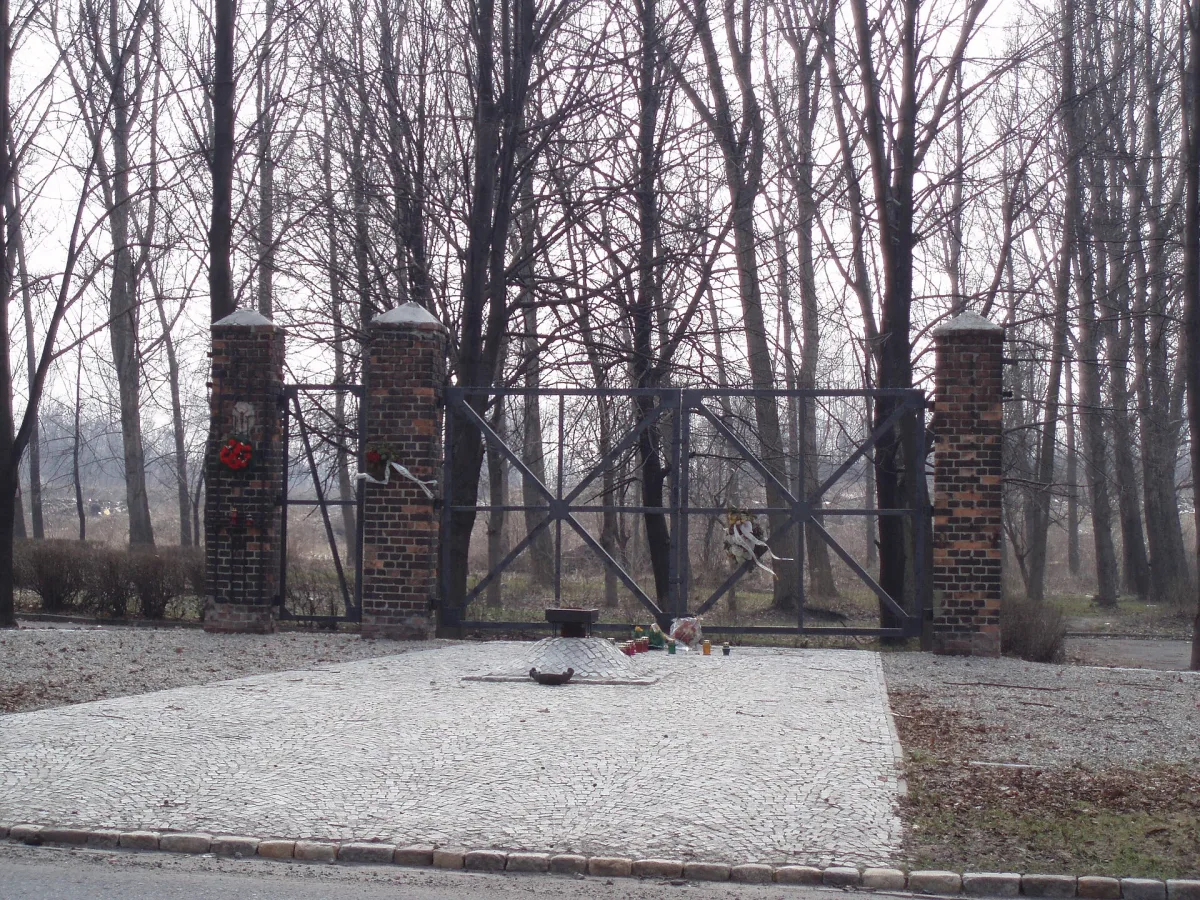
The camp in Świętochłowice-Zgoda is described in the entry for the Zgoda camp, and the deportations to the USSR are dealt with by a separate article and by the Centre for Documentation of the Deportations of Upper Silesians in Radzionków.
Be the first! Add a comment.
You need to log in to add a comment.
Log in