




Silesia, Silesian Voivodeship
Monday, 02 November 2026 PL / EN
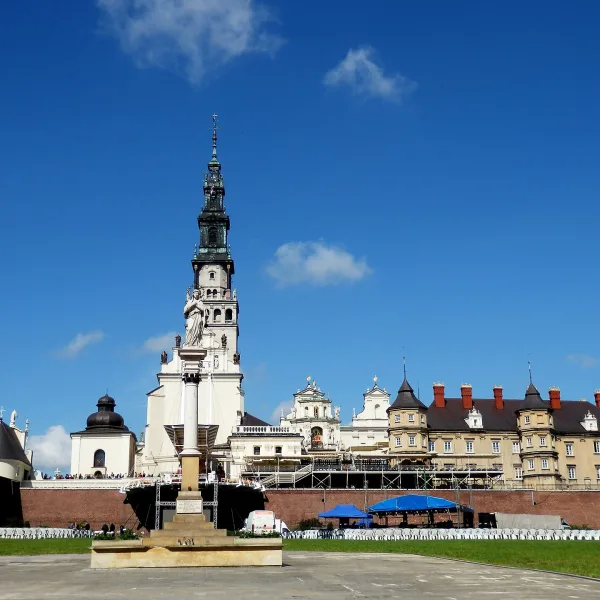
Jasna Góra
Polecamy
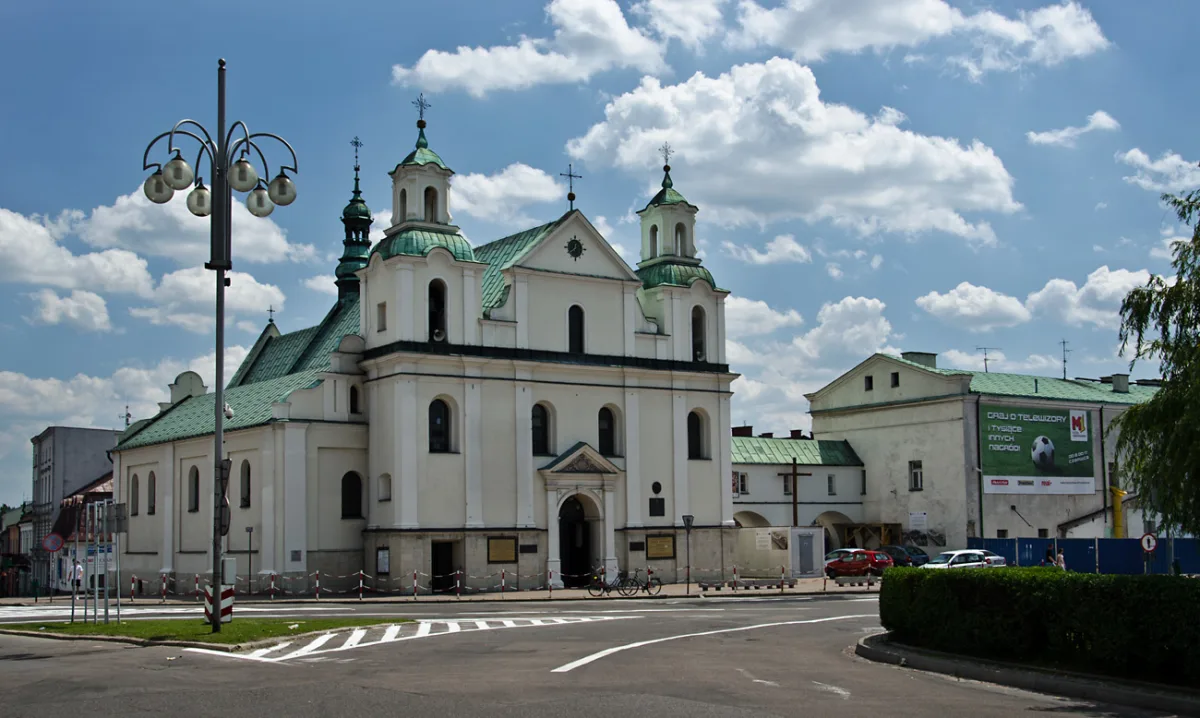
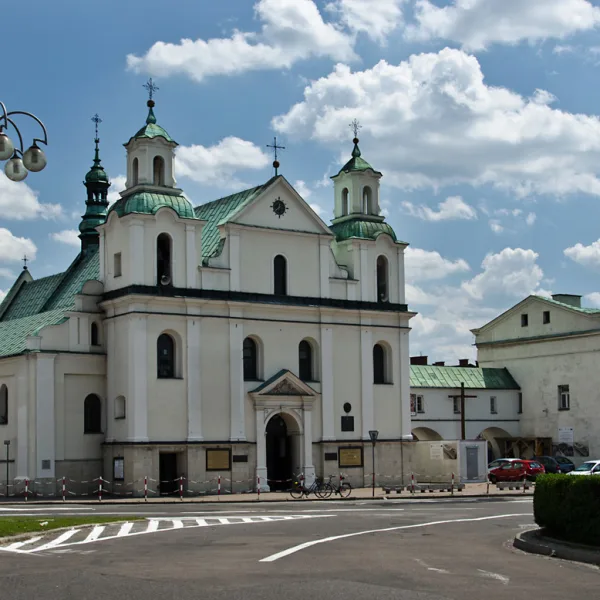
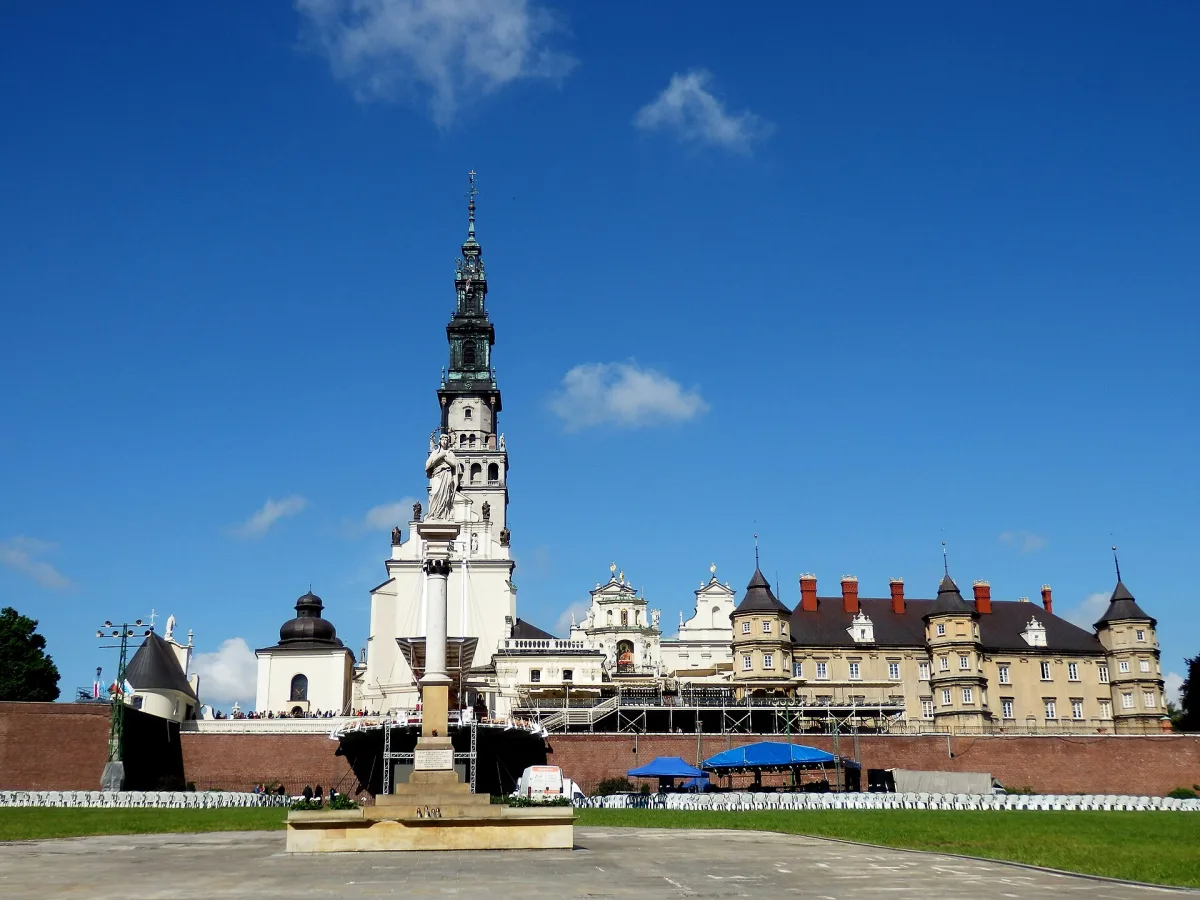
Jasna Góra
A shrine and Pauline monastery on a hill in Częstochowa, with the icon of Our Lady of Częstochowa, a 17th-century fortre...
See the place
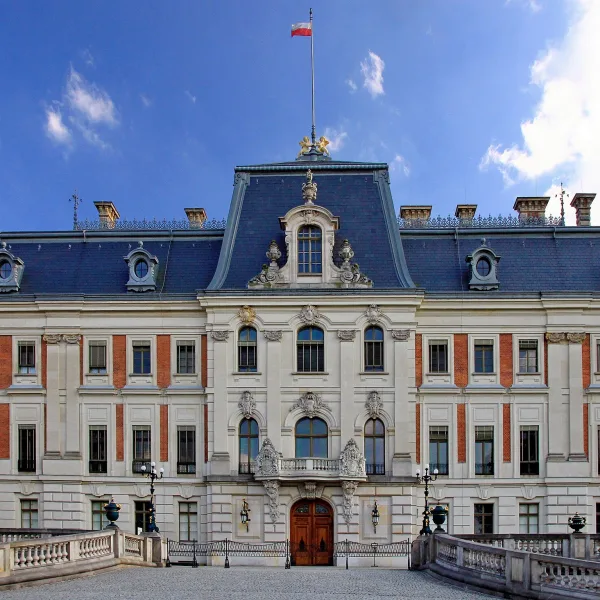
Pszczyna Castle
Polecamy
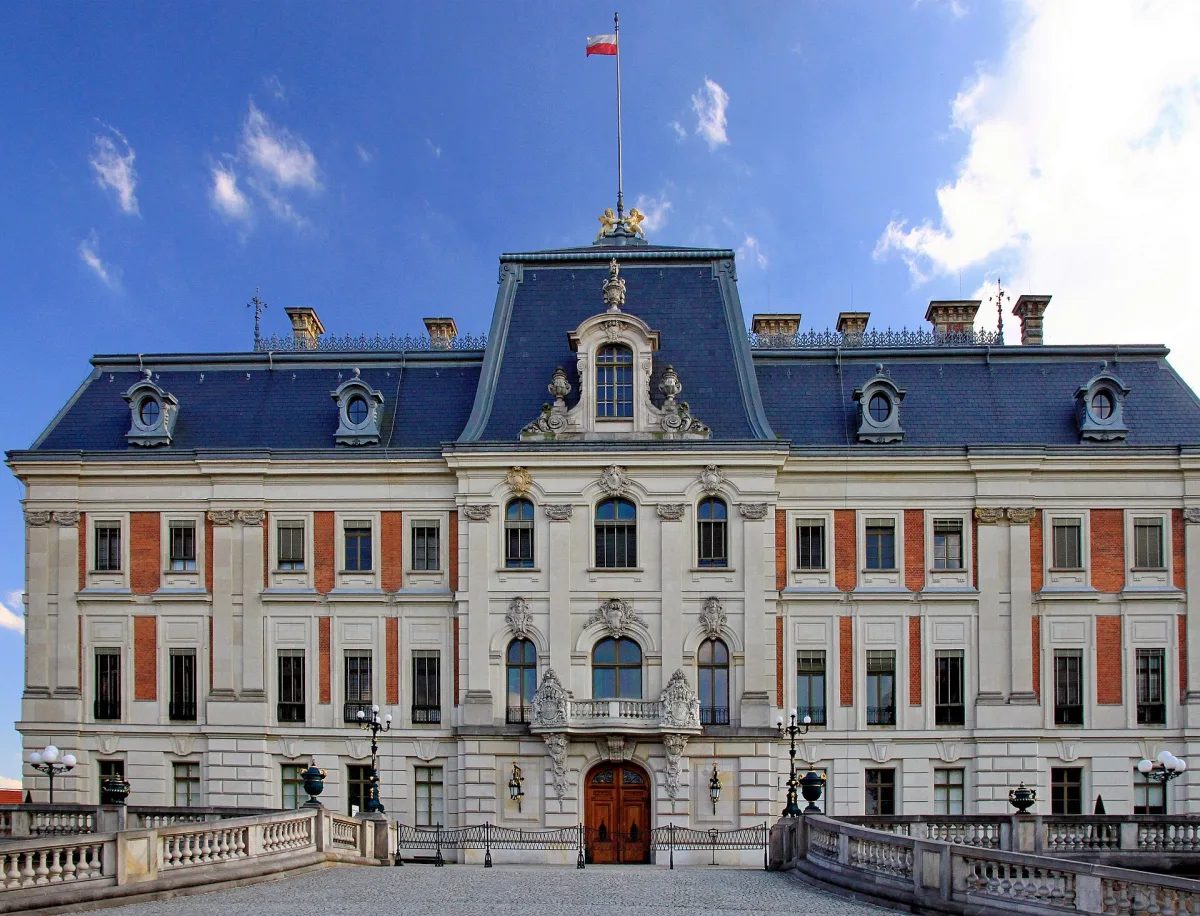
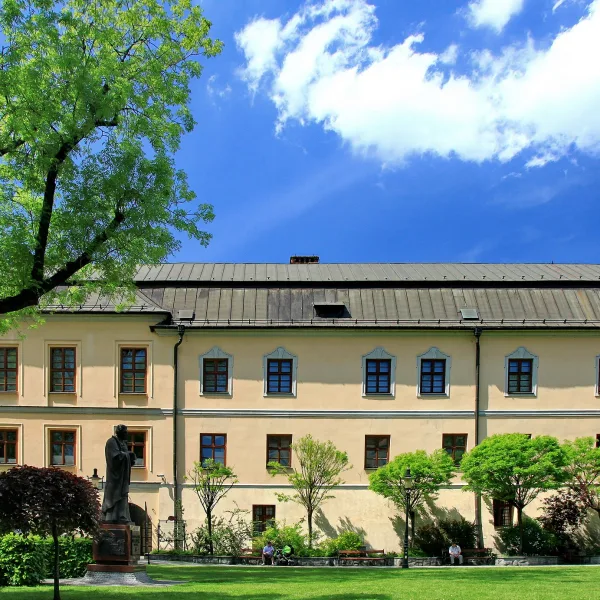
Pszczyna Castle
A former magnate residence, now the Castle Museum, with the original Hochberg interiors, the imperial apartment, the Mir...
See the place
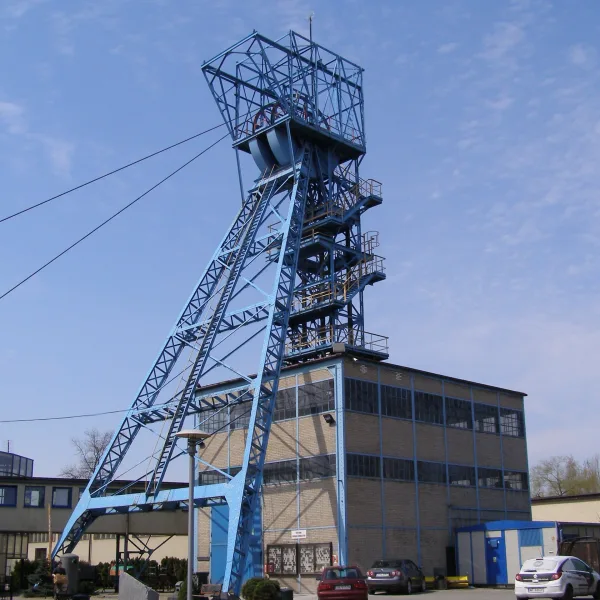
Guido Mine
Polecamy
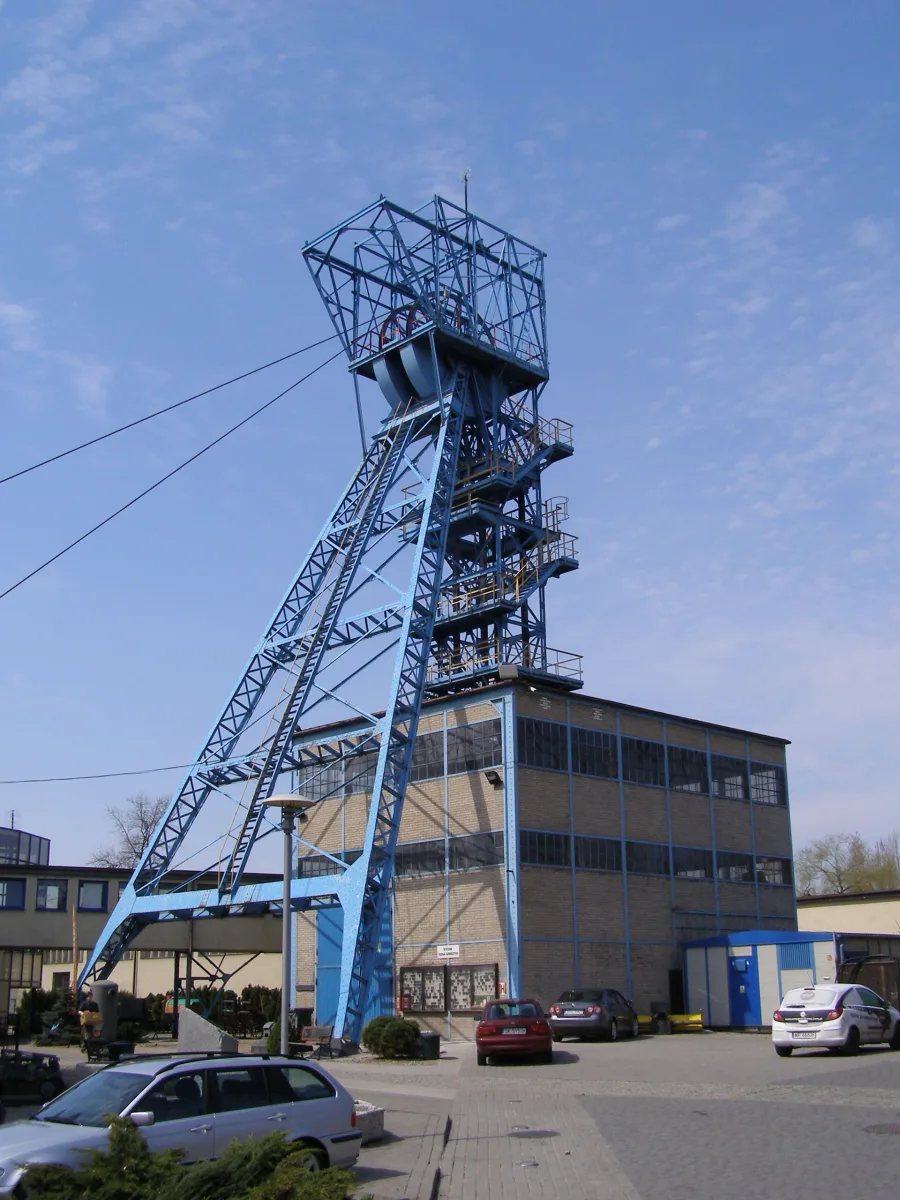
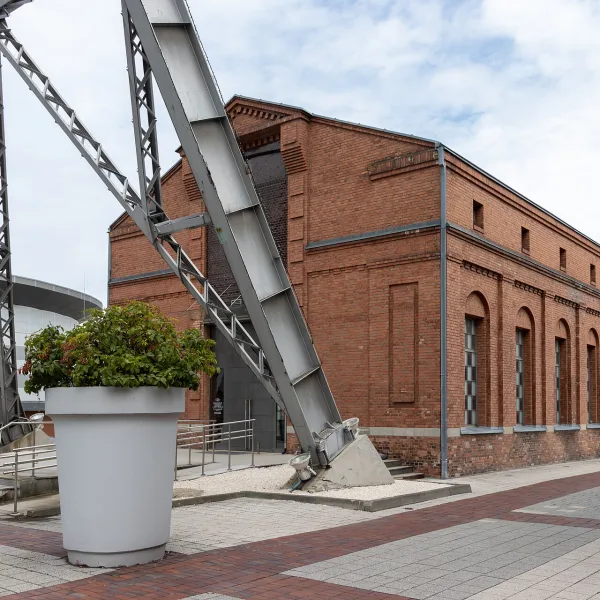
Guido Mine
A former coal mine in Zabrze, now part of the Coal Mining Museum, with routes at levels 170 and 320 metres underground a...
See the place
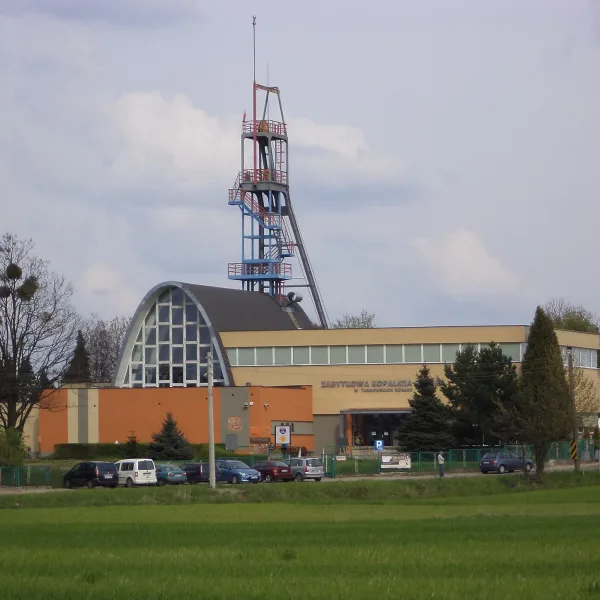
Silver Mine in Tarnowskie Góry
Polecamy
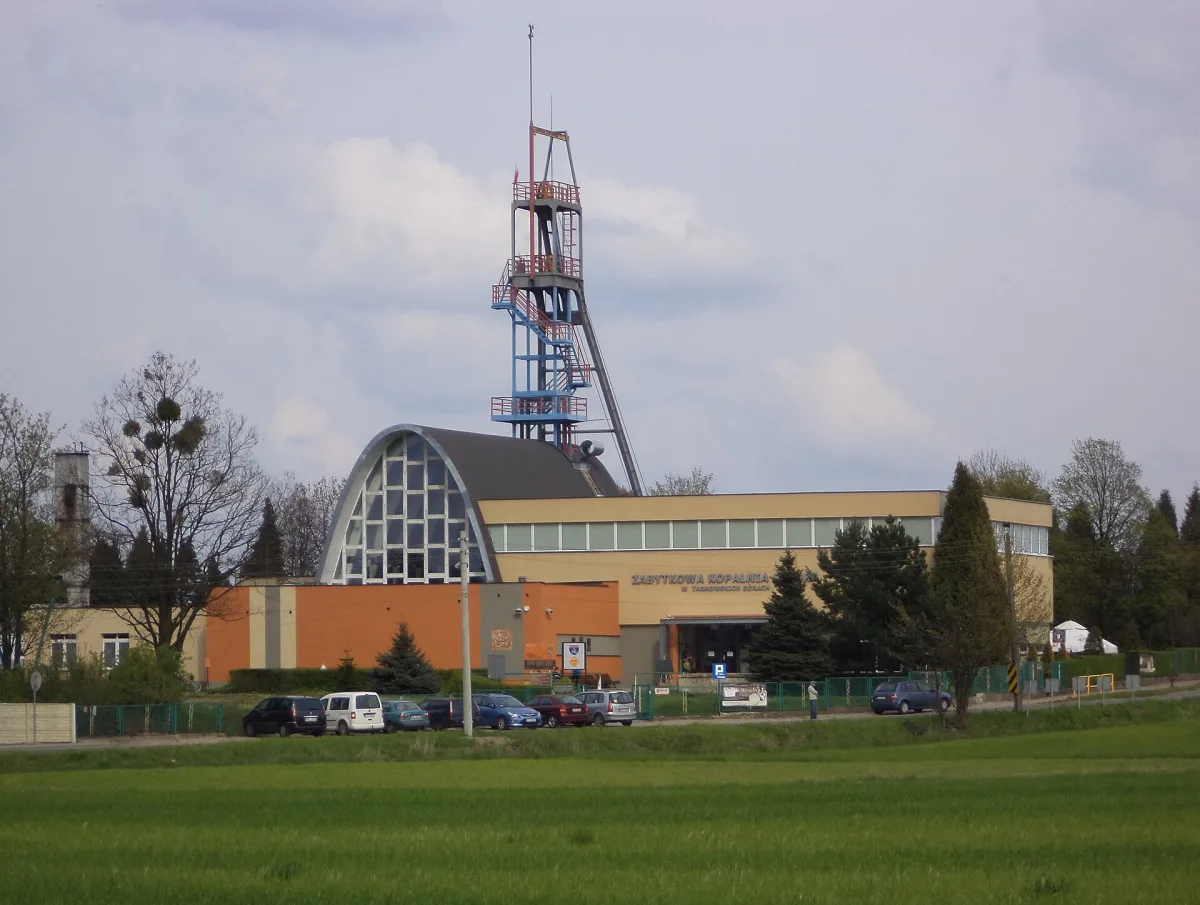
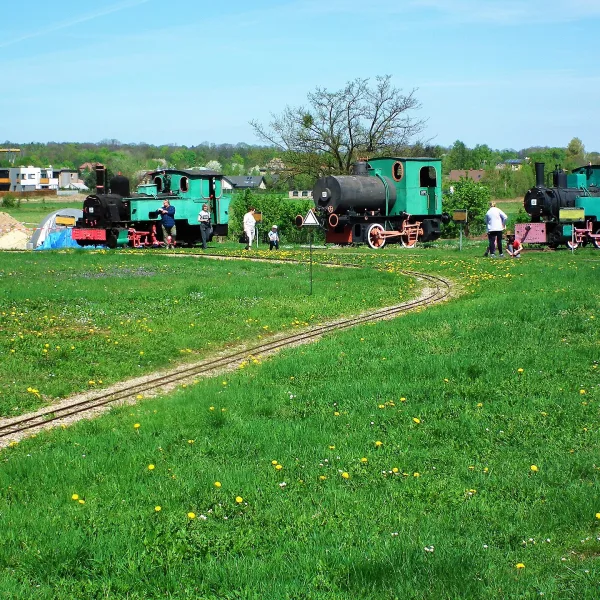
Silver Mine in Tarnowskie Góry
An underground route in the former Royal Fryderyk Mine in Tarnowskie Góry, inscribed on the UNESCO list, with a section...
See the place
Aleja Najświętszej Maryi Panny: 1.5 km, 44 metres wide and a changing name
Polecamy
Aleja Najświętszej Maryi Panny: 1.5 km, 44 metres wide and a changing name
Residents of Częstochowa call it simply Aleje, the Avenues. A street about 1.5 km long and 44 m wide joined Old and New...
Read the story
01 Featured events All
02 Explore Silesia
03

Silesia Attractions

Show all
04

Explore Silesia

All articles
Cieszyn nad Olzą: podział miasta w 1920 roku i jego ślady History of Silesia
Cieszyn on the Olza: the division of the town in 1920 and its traces
On 28 July 1920 the Conference of Ambassadors divided Cieszyn Silesia, and the border cut through the town itself along the Olza river. The station ended up on one side, the old town on the other. Traces of this division can still be seen in Cieszyn today.
Read more →
Aleja Najświętszej Maryi Panny: 1,5 km, 44 metry szerokości i zmieniane nazwy What to see
Aleja Najświętszej Maryi Panny: 1.5 km, 44 metres wide and a changing name
Residents of Częstochowa call it simply Aleje, the Avenues. A street about 1.5 km long and 44 m wide joined Old and New Częstochowa, and over its history it changed both its name and its trees. The article leads from square to square all the way to Jasna Góra.
Read more →
Barbórka: skąd święto górnicze, skok przez skórę i karczma piwna Industry and technology
Barbórka: where the miners' holiday comes from, the leap over the leather and the beer tavern
Barbórka falls on 4 December, the feast of St Barbara, patron saint of miners. Some of its rites, such as the beer tavern, are much younger than is commonly believed, and the leap over the leather came from Leoben.
Read more →
Zamek Sułkowskich w Bielsku-Białej: od grodu do muzeum What to see
Sułkowski Castle in Bielsko-Biała: from stronghold to museum
The oldest and largest historic building in Bielsko-Biała was a border fortress of the Piasts of Cieszyn, the residence of the owners of the Bielsko state country, and since 1945 has been the home of a museum. The history of the castle is also the story of the river that divided Silesia from Lesser Poland.
Read more →
Dwa cieszyńskie zbiory: biblioteka Tschammera i muzeum Szersznika Culture and art
Two Cieszyn collections: the Tschammer Library and the Szersznik Museum
In Cieszyn two collectors, the Protestant lawyer Bogumił Rudolf Tschammer and the Catholic priest Leopold Jan Szersznik, bequeathed their book collections to the town. The first became the oldest historic Protestant library in Poland, the second, according to Wikipedia, the oldest public museum in the country.
Read more →
Zabytkowa Kopalnia Srebra w Tarnowskich Górach: wpis UNESCO i trasa pod ziemią What to see
The Silver Mine in Tarnowskie Góry: the UNESCO inscription and the route underground
The Tarnowskie Góry underground was inscribed on the UNESCO World Heritage List in 2017, but the inscription covers 28 components, not a single mine. The article explains what it comprises, what the route in the Silver Mine looks like and what to see nearby.
Read more →
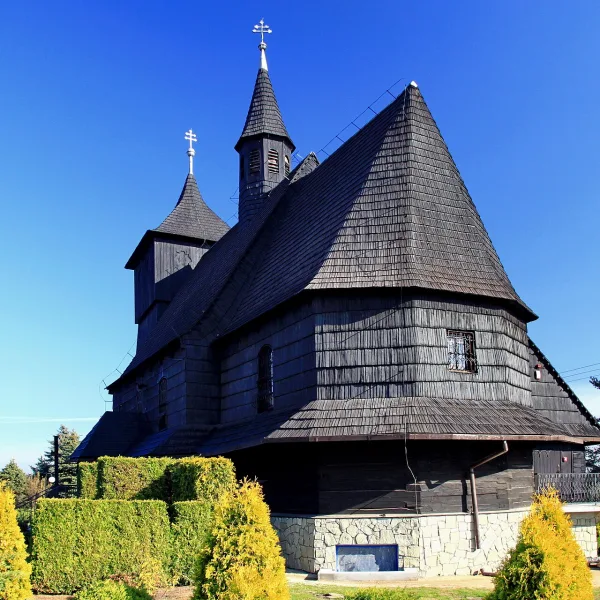
Szlak Architektury Drewnianej na Śląsku: kościoły z polichromiami, gontem i sobotami Culture and art
The Wooden Architecture Trail in Silesia: churches with polychromes, shingles and soboty
The Wooden Architecture Trail in the Silesian Voivodeship includes 93 historic sites and five loops. We pick the churches that best show how the region's wooden churches differ: in age, in the polychromes on the beams and in roofs with soboty.
Read more →
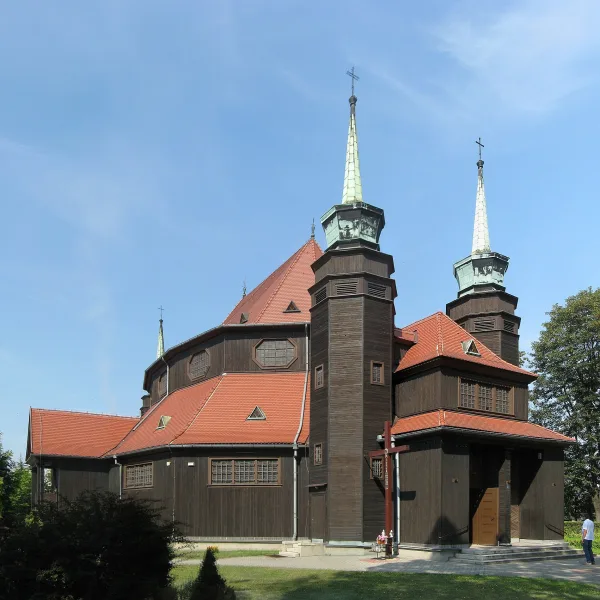
Drewniane kościoły XX wieku: nowoczesne świątynie z dwunastoboku, prefabrykatów i klejonego drewna Culture and art
Wooden churches of the 20th century: modern places of worship built on a dodecagon plan, from prefabricated parts and from glued timber
Silesia's wooden churches are not only monuments from the 15th and 18th centuries. In the 20th century wood was chosen for fear of mining damage, for quick assembly or out of attachment to highland tradition. From the dodecagon in Zabrze to the glued beams in Bytom.
Read more →
05

Featured restaurants

All restaurants

What to do in Silesia today? Events, attractions and places

Concerts, exhibitions, theatre, festivals and fairs in Katowice and across Silesia, gathered in one calendar with the venue, time and ticket information. Alongside the events you will find described attractions: the modernist architecture of Katowice, Nikiszowiec, post-industrial museums, the castles of the Jura and the Beskid mountains, plus Explore Silesia, our stories about the history and culture of the region.