Things to do in Silesia: over two thousand places, from the ruins of Ogrodzieniec Castle and the Tarnowskie Góry mines to the Barania Góra peak.
This guide covers the whole Silesian Voivodeship: Katowice and its districts, the cities of the conurbation, the Dąbrowa Basin, Częstochowa, the Kraków-Częstochowa Upland, Bielsko-Biała, Cieszyn Silesia and the Beskids. On a first trip, start with the sections on a day in Katowice and the castles. If you already know the cities, go straight to the mountains, lakes and industrial sites.
What should you see on a first visit to Silesia?
The region is best understood through three landscapes: the industrial cities of Upper Silesia, the limestone crags of the upland with their strongholds, and the Beskid ridges in the south. Each can be sampled in a day or two, and they differ so much that it is worth planning at least one stop in each rather than touring museums alone.
In the conurbation the widest choice is in Katowice city centre, followed by Gliwice, Bytom, Zabrze and Chorzów. In the north Częstochowa dominates, known to most visitors for its sanctuaries and churches, and the trail of castles begins right beside it. In the south, Wisła, Ustroń, Szczyrk and Żywiec offer mountains, while Cieszyn and Pszczyna have quieter historic centres.
How can you spend a day in Katowice?
Katowice is a good starting point because it has more addresses than anywhere else in the region and different eras sit close together. In one day you can combine the Culture Zone, the city museum and the cathedral, leaving the rest of your time for a large forest park.
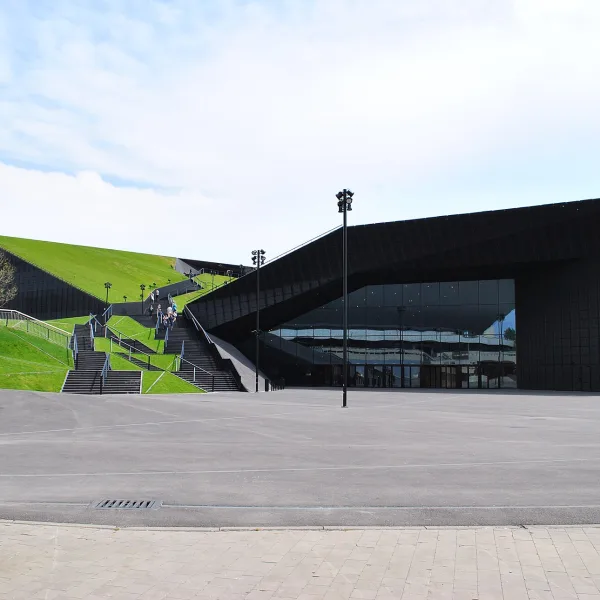
The International Congress Centre on Plac Sławika i Antalla, with its green roof, stands on the site of the former Katowice colliery. For visitors it is mainly a building to see from the outside, and its roof and the neighbouring Spodek arena show how much this area has changed. The city's story is told at the Katowice History Museum on Szafranka Street, in a townhouse from 1910, with branches including one in Nikiszowiec.
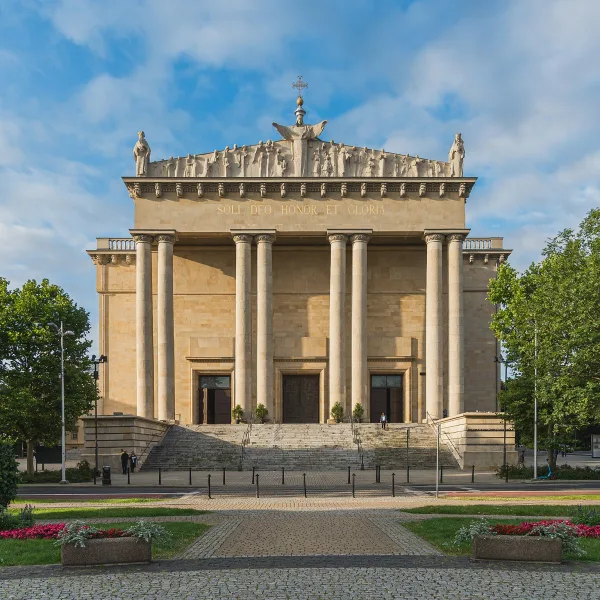
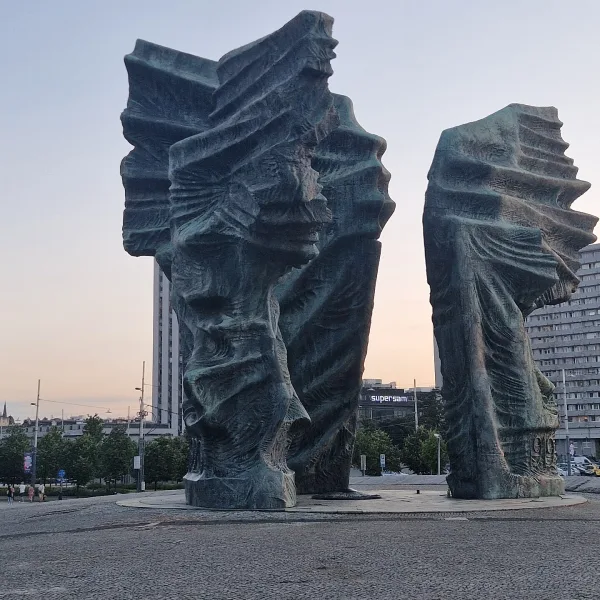
A few streets from the centre rises the Cathedral of Christ the King, a monumental church with a dome, crypt and viewing terrace. In the same part of the city stands the Monument to the Silesian Insurgents, three bronze wings commemorating the uprisings of 1919-1921. If you prefer greenery, choose the Katowice Forest Park with the Three Ponds Valley, a skating track and woodland that is a remnant of the old Silesian Forest.
Leave the districts for a second day. Many addresses are in Janów-Nikiszowiec, home to a branch of the city museum, Giszowiec, Ligota-Panewniki with its Franciscan basilica, and Koszutka.
Where can you see industrial Silesia?
Industrial heritage is the most recognisable side of the region and a reason to come even without mountain plans. Some sites run as museums with underground routes, while others are best seen from the outside. The full selection is gathered in the Industry and Technology section.
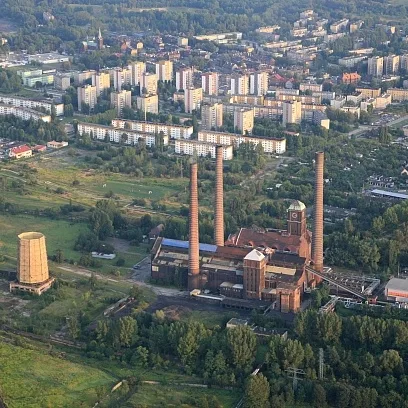
Start with the Royal Fryderyk Mine in Tarnowskie Góry. This former lead and silver mine opened in 1784, and part of its workings can now be visited as a UNESCO World Heritage site. In Chorzów the Prezydent Shaft is a reinforced-concrete headframe from the 1930s with a viewing platform at the top. Szombierki Combined Heat and Power Plant in Bytom impresses with the architecture of the old Bobrek power station, but it is not open for regular tours, so treat it as a photo stop.
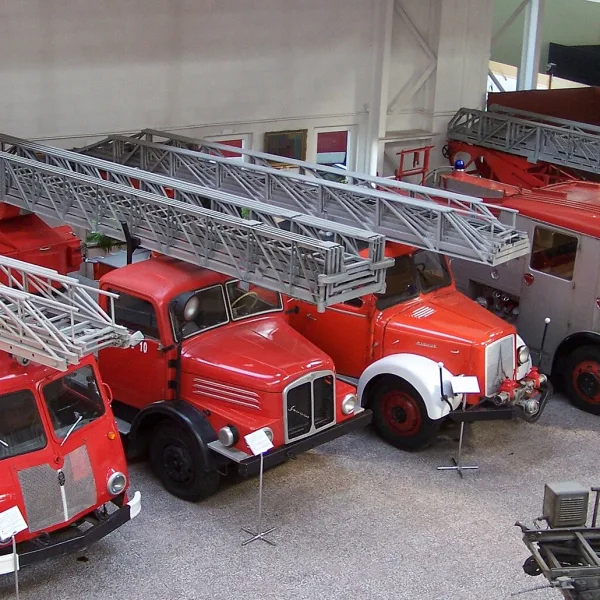
A different kind of industry appears at the Żywiec Brewery Museum: eighteen rooms in rock-cut lagering cellars, telling the story of a brewery founded by the Habsburgs. Firefighting is the theme of the Central Fire Service Museum in Mysłowice, with thousands of exhibits and a horse-drawn pump from the early 18th century.
What is there to see in the Dąbrowa Basin and the conurbation?
Beyond Katowice it pays to pick a few themes found nowhere else: the old meeting point of three states, everyday life under communism and large cultural halls. Places like these fill a short trip from Katowice well, and they also show that the Dąbrowa Basin and Upper Silesia have different histories.
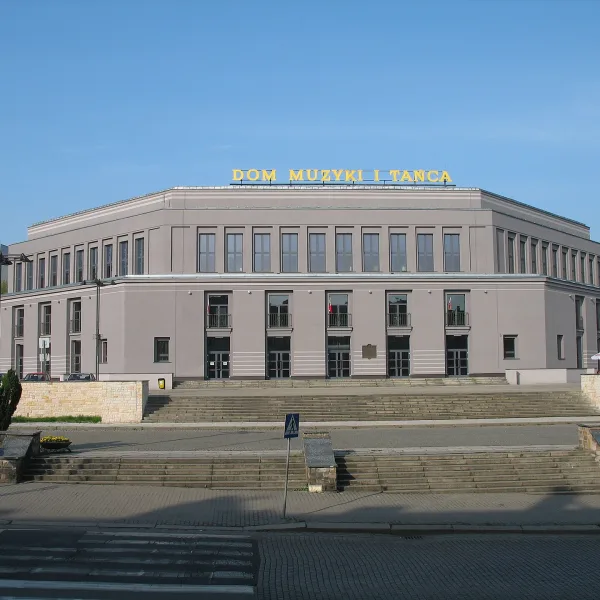
The Triangle of the Three Emperors lies on the border of Mysłowice and Sosnowiec, where the Biała and Czarna Przemsza rivers meet. The frontiers of Prussia, Austria and Russia once touched here, and it is now more of a walk with history in the background than a site to tour. In Ruda Śląska the Museum of the History of the Polish People's Republic occupies a former farm estate, with furnished flats, a cinema, cars and a park of monuments from 1945-1989. Zabrze has the House of Music and Dance, a modernist building on de Gaulle Street opened in 1959.
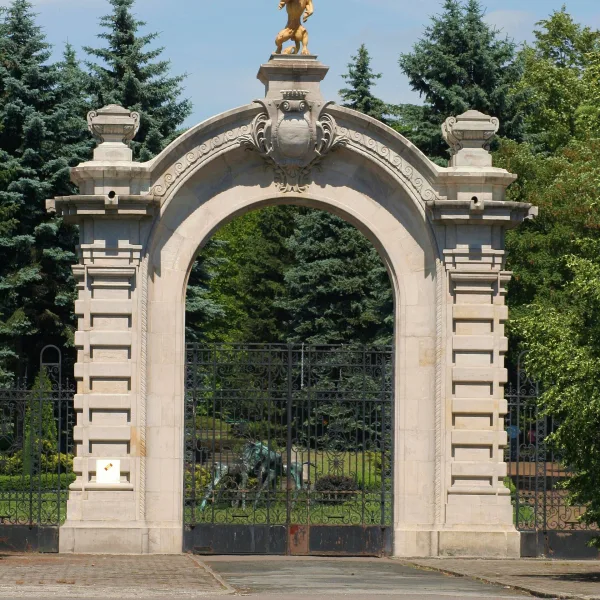
A walk around Chorzów can combine the open-air museum and planetarium in Silesian Park with the zoo gate: the Gate of the Silesian Zoological Garden is a stone structure with a cast-iron lion, moved here in the 1950s from the palace in Świerklaniec. There are more such groups of neighbouring addresses, and the Atmospheric Places section adds less obvious stops.
Which Silesian castles should you see first?
The strongest group of fortresses lies on the Kraków-Częstochowa Upland along the Trail of the Eagles' Nests, but there are castles in the conurbation too. To begin, choose one on the rocks and one in a town: you will see two very different stories, and the whole Historic Monuments section suggests further stops.
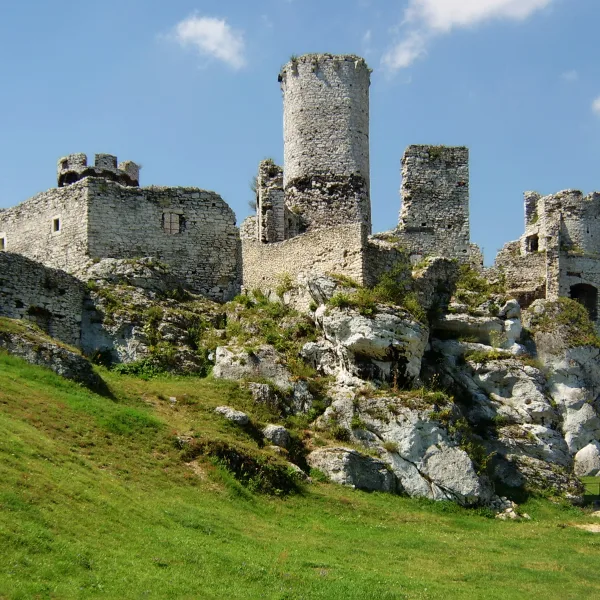
The ruins of Ogrodzieniec Castle in Podzamcze stand on Castle Hill, the highest point of the upland. Its managers call it the largest castle site in Silesia and the most popular castle on the trail. Much quieter is the Bishops' Castle in Siewierz, a former residence of the bishops of Kraków: a preserved ruin with a tower, loggia and reconstructed gate. In the centre of Gliwice, visit the Piast Castle, a brick building from the 14th century that has been a branch of the local museum since 1960.
What is there to see in the Beskids and by the water?
The south of the voivodeship means mountains and large reservoirs. A day here can be spent on a trail, at a beach or around sports venues, with mountain huts as a natural goal for a hike. More ideas can be found in the Viewpoints and Lakes sections.
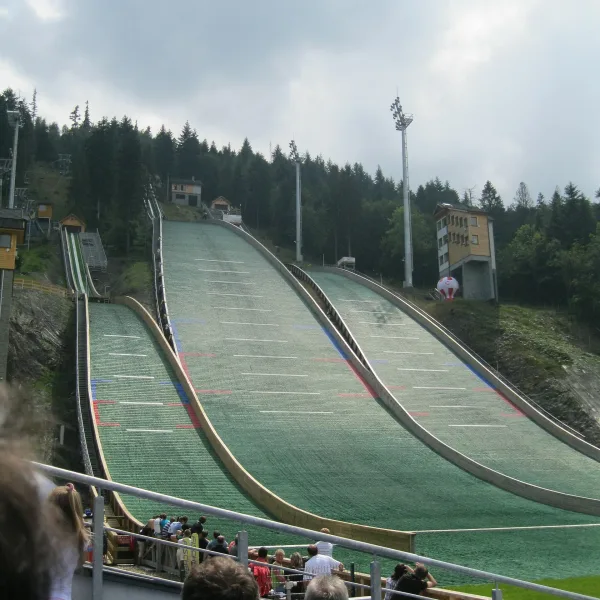
Barania Góra rises to 1215 metres, with a steel viewing tower and a nature reserve, and the Vistula begins on its western slopes. In the Żywiec Beskids huts make good destinations: the Bacówka PTTK on Rycerzowa, a timber building and the first of the PTTK bacówka huts, and the Bacówka PTTK on Krawcowy Wierch on the Krawcula meadow. In Szczyrk, ski jumping fans can visit the Skalite Ski Jumps, three year-round hills.
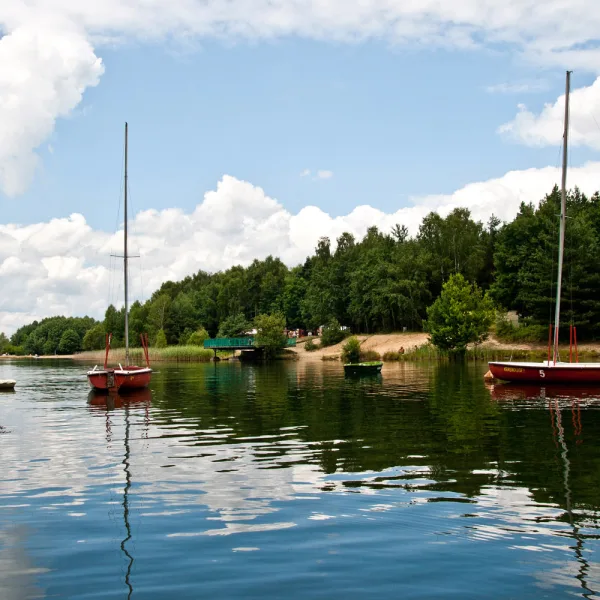
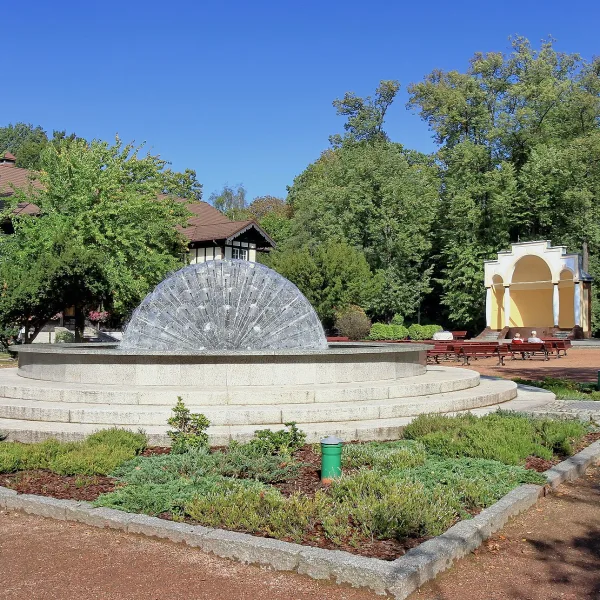
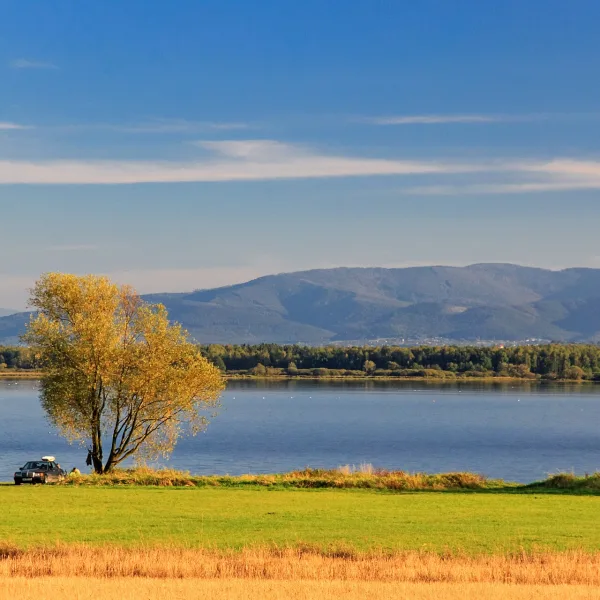
For water, look first at Lake Żywiec on the River Soła, the Goczałkowice Reservoir, important for water supply and for birds, and Lake Chechło-Nakło nearer the conurbation, with beaches and a bathing area. The region also has several spa towns: the Spa Park in Jastrzębie-Zdrój covers eighteen hectares of the former resort, and the Spas section lists the others.
Where to go with children and in the rain?
The safest bets in bad weather are the planetarium, museums and water parks, while gardens with live animals work well on a fine day. Family venues are scattered across the region, so it is easy to find something near where you are staying. The full list is in the For Children section.
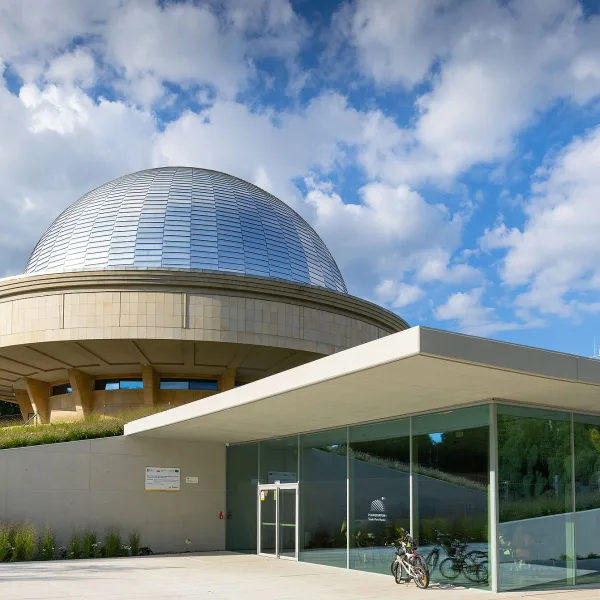
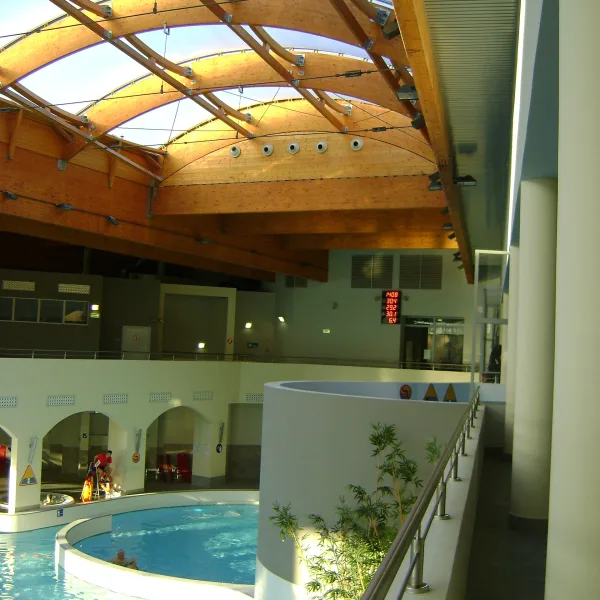
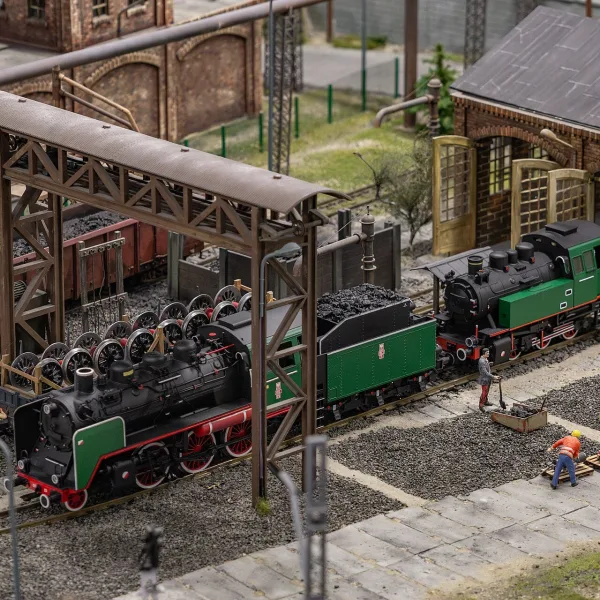
The Silesian Planetarium in Silesian Park, Chorzów, combines a historic dome with exhibitions on astronomy, seismology and meteorology. Kolejkowo in Gliwice is a model landscape of more than seven hundred square metres, with trains and thousands of figures. For swimming there are Aquadrom in Ruda Śląska-Halemba and Wodny Park Tychy with its surf simulator, and more addresses appear in the Water Parks and Pools section.
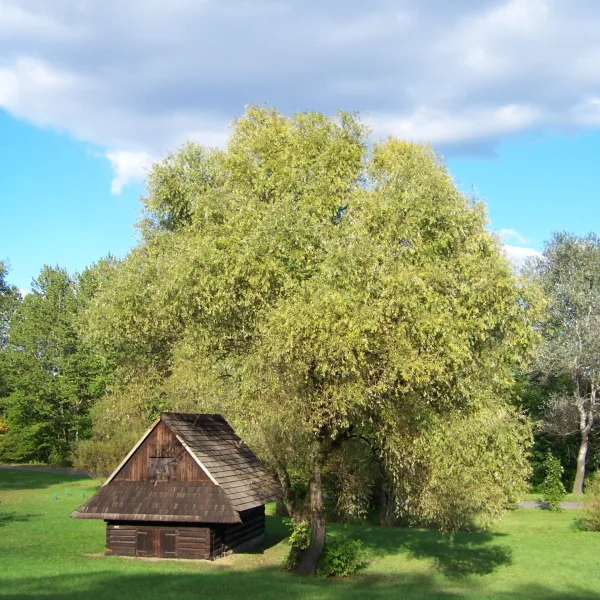
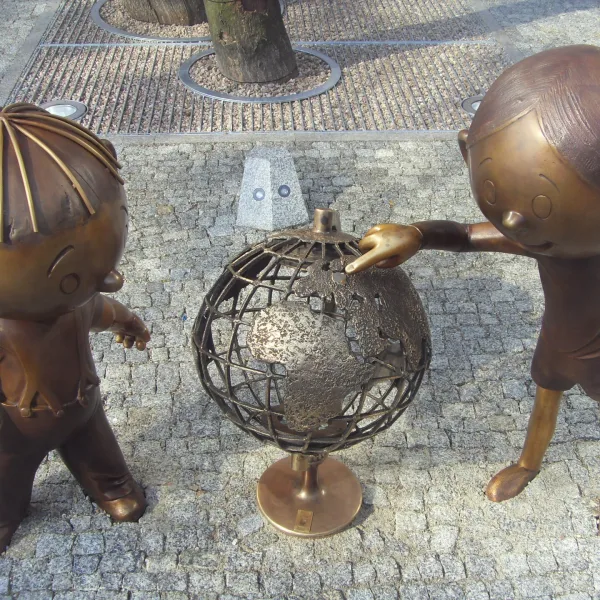
Outdoors, the Forest Park of Surprises in Ustroń has European bison and bird-of-prey flying displays. Bielsko-Biała has two monuments to cartoon heroes close to the centre: the Reksio Monument and the Bolek and Lolek Monument. Older children may enjoy the Upper Silesian Ethnographic Park in Chorzów, an open-air museum with around seventy-eight buildings from Upper Silesia and the Dąbrowa Basin.
Where to find gardens, culture and places of remembrance?
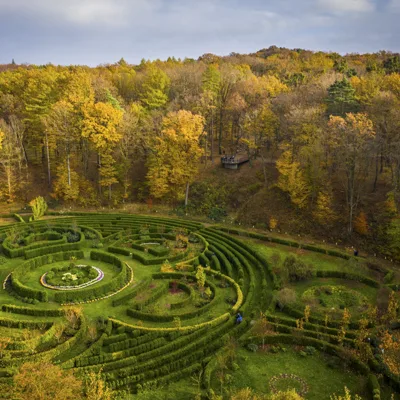
Beyond museums and mountains the region has strong gardens, stages and churches. The Morava Gate Arboretum in Racibórz takes in around 160 hectares of the Obora forest, with paths and a viewing platform, and the Municipal Botanical Garden in Zabrze has a palm house and rose garden. For stages, see the Theatres and Opera section, including the Silesian Opera Building in Bytom and the Bronisław Huberman Częstochowa Philharmonic.
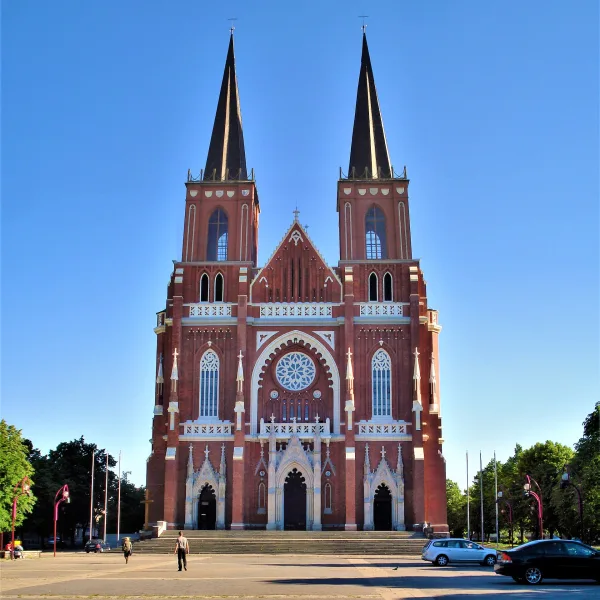
Churches form the largest section of the guide. Besides Jasna Góra in Częstochowa, it is worth seeing the Archcathedral of the Holy Family in Częstochowa and the basilica in Piekary Śląskie, the heart of the Sanctuary of Our Lady of Piekary.
Places of Remembrance are listed separately: former ghettos, war cemeteries and memorials in the Silesian Voivodeship. These are places of reflection and of the region's history, best visited with some preparation. The former synagogue in Pszczyna, a building from 1835 converted into a cinema during the war, has a similarly sober character.
Frequently asked questions
What is worth seeing in Silesia over a weekend?
A good plan is one day in Katowice with the city museum and cathedral, and a second in Tarnowskie Góry at the Royal Fryderyk Mine or on the upland at the ruins of Ogrodzieniec Castle. That way you see both the city and the region's best-known monuments.
Which attractions in Silesia are good for a rainy day?
In the rain the best choices are the Silesian Planetarium, the Żywiec Brewery Museum, Kolejkowo in Gliwice and the water parks in Ruda Śląska and Tychy. City history museums, such as those in Katowice and Ruda Śląska, also stay under cover.
Which city in Silesia has the most attractions?
Katowice has the most addresses, over two hundred, followed by Gliwice, Bielsko-Biała, Sosnowiec and Bytom with several dozen each. Częstochowa, Tarnowskie Góry, Zabrze and Chorzów also have large collections.
Where can you go to the mountains in Silesia?
The Silesian and Żywiec Beskids lie in the south of the voivodeship, around Wisła, Ustroń, Szczyrk and Żywiec. Popular goals include Barania Góra with its viewing tower and the huts on Rycerzowa and Krawcowy Wierch.
Are there UNESCO sites in Silesia?
Yes. The underground system of Tarnowskie Góry, which includes workings of the Royal Fryderyk Mine, was added to the UNESCO World Heritage List in 2017. Part of these workings can be visited as the Historic Silver Mine.

 Historic sites