Beautiful views in Silesia: summits and lookout towers of the Silesian Beskids, reservoirs and the Jura, from Skrzyczne to Goczałkowice.
The Silesian Voivodeship has more to look at than is usually assumed: from Beskid ridges with distant peaks on the horizon to broad, flat reservoirs in the heart of the conurbation. Several dozen places are gathered here worth stopping at, from summits reached by cable car to forest ponds and towers on hills. Choose according to how much energy and time you have.
Where in Silesia are the views best?
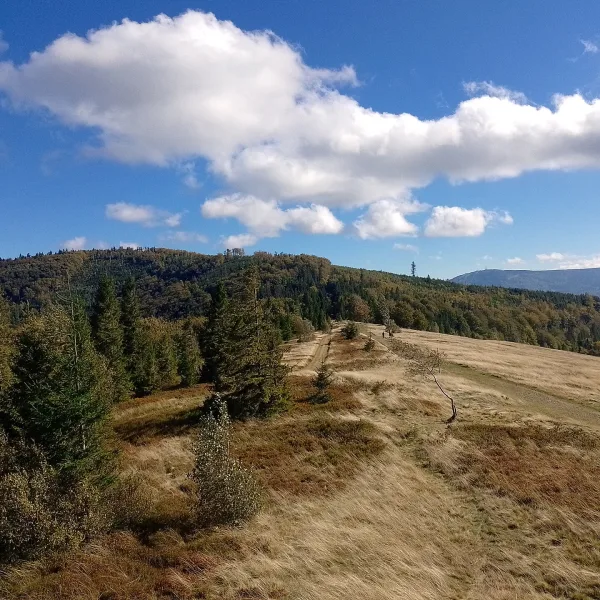
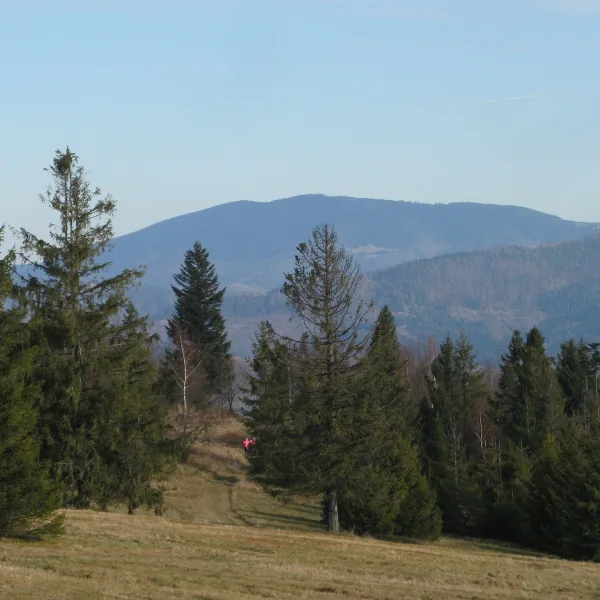
The best panoramas come from summits of the Silesian Beskids: Skrzyczne, Barania Góra, Klimczok and Błatnia. From them you see neighbouring ranges, valleys and foothills, and in good weather distant ridges as well. For a shorter walk choose lookout towers, and for quiet afternoons the lakes.
The region divides into several landscapes, each with its own kind of view. The Beskids mean mountains and towers, the Kraków-Częstochowa Upland means rocks and castles, Cieszyn Silesia means foothills, and the conurbation and the Dąbrowa Basin offer lakes in former sand pits. When planning a trip, start with the nearest town, since each has its own list: Katowice, Wisła, Dąbrowa Górnicza, Mikołów, Mysłowice and Tarnowskie Góry.
Which Beskid summits give the best panoramas?
In the Silesian Beskids pick Skrzyczne if you want the highest summit, or Klimczok and Szyndzielnia if you prefer an easy ride up by cable car. Further east the Żywiec Beskids offer the Rysianka meadow and Pilsko. The summits differ in difficulty, so check the route before setting out.
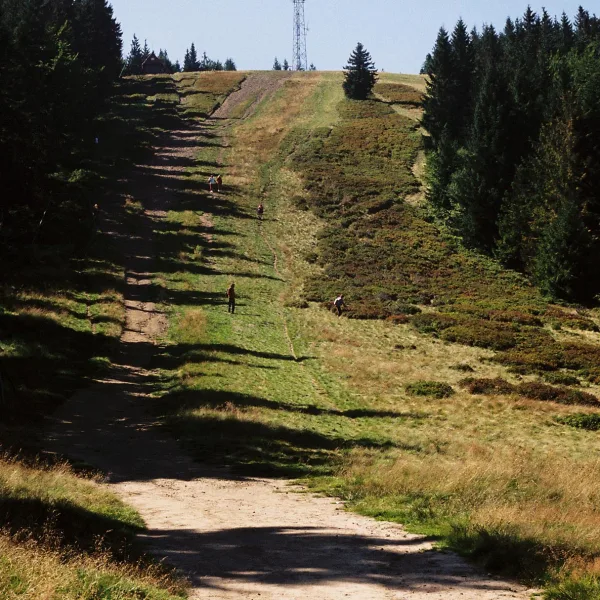
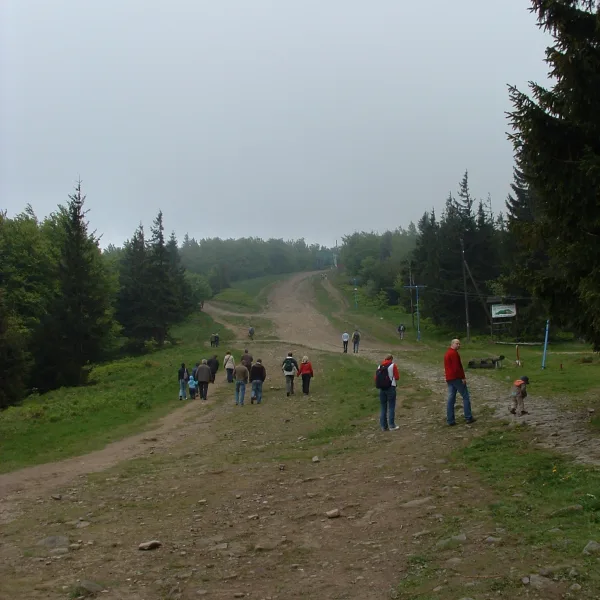
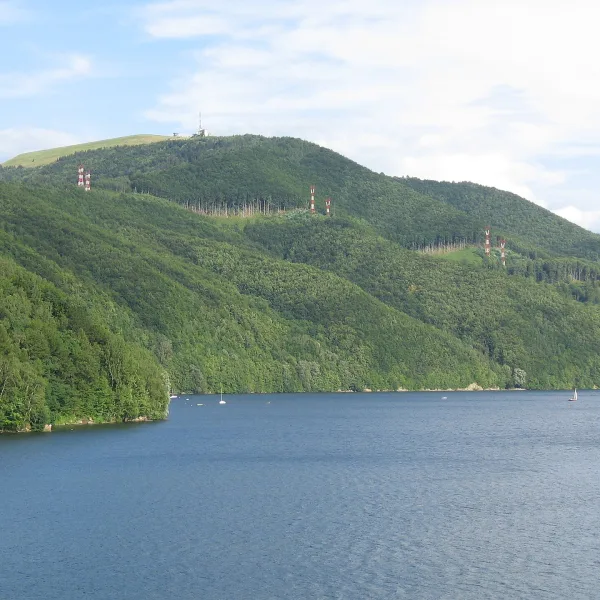
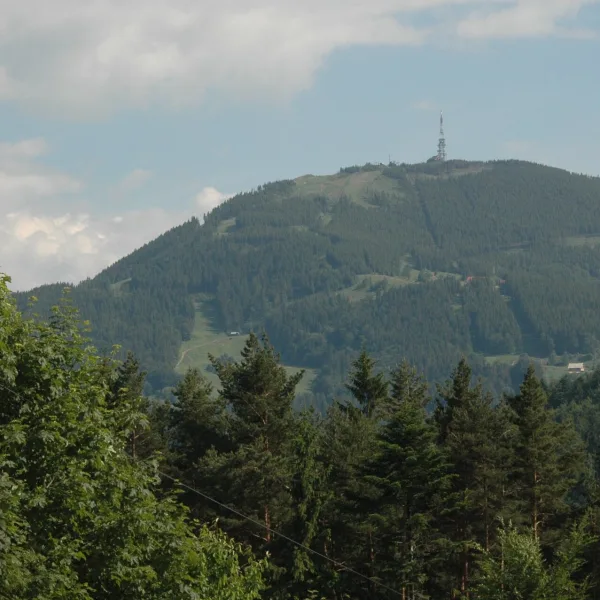
Skrzyczne stands 1257 metres high, is the tallest peak of the Silesian Beskids and belongs to the Crown of Polish Mountains. A chair lift runs up from town, a PTTK mountain hut stands below the summit, and the peak itself carries a transmitter mast and ski runs. The range's second-highest mountain is Barania Góra (1215 metres) with a lookout tower, and the Vistula begins its course on its western slopes. In the Klimczok and Szyndzielnia range lie Klimczok (1117 metres), across whose summit runs the boundary of Bielsko-Biała and Szczyrk, and Szyndzielnia, just north of Klimczok, with a historic PTTK hut, an alpinarium and a lookout tower; on Klimczok the hut stands seven hundred metres from the top. Błatnia (917 metres) has a lookout mound with a rare full panorama for this part of the Beskids and a hut dating from 1926.
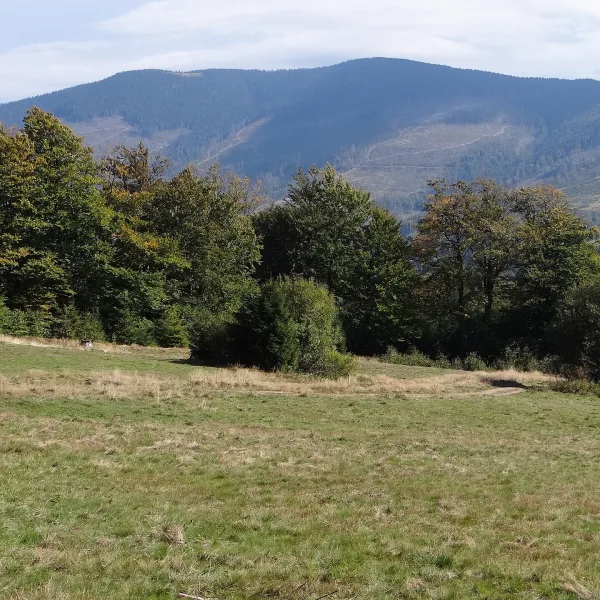
In the east Rysianka rises to 1322 metres and is a junction of three ridges, with a meadow viewpoint and a hut. Neighbouring Romanka (1366 metres) is higher, but its summit is covered by forest, so do not expect a panorama there; people walk up for the trails and the massif itself. Splendid views await on the Malorka Meadow in the Żywiec Beskids, a former pastoral meadow looking towards Pilsko and Babia Góra, and on Koczy Zamek, a treeless hill above Koniaków reached in a few minutes from the car park.
Where can you ride to a summit or climb a tower?
If you do not want to walk uphill for hours, choose a cable car or a lookout tower. The first gives a view at once, while the second usually needs a short forest walk.
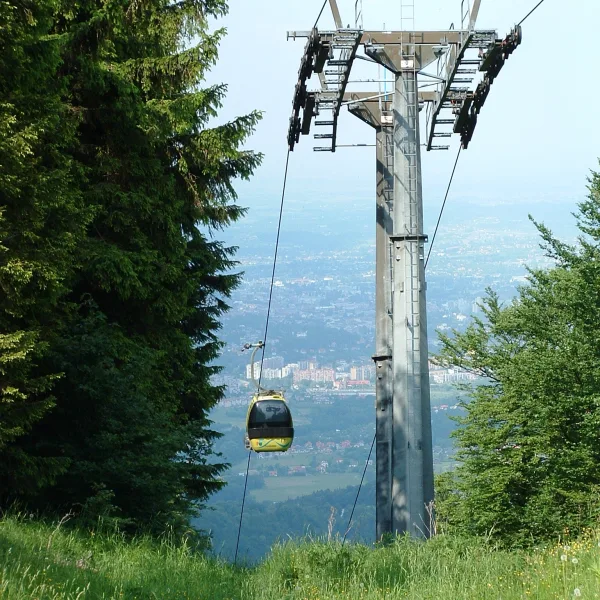
The Szyndzielnia gondola, opened in 1953, was the first gondola lift in Poland. The lower station is at Olszówka in Bielsko-Biała and the upper one at almost a thousand metres. In Chorzów the Elka cable car runs above the Silesian Park all year round. It opened in 1967 as Europe's longest cable line over flat ground and has been rebuilt with new lines since 2013, so it is an easy way to look down on the green heart of the conurbation.
Lookout towers form a group of their own. The Stary Groń tower in Brenna stands twelve metres high, while Wisła has the Szarcula tower, built of wood and facing Lake Czerniańskie. In Pogrzebień near Racibórz a metal tower of 2019 is almost twenty metres high with three platforms, from which in good visibility you can see the Beskids, the Sudetes and the Jeseníky. In Chałupki the Odra Border Meanders tower shows the loops of the river on the Czech frontier, and in Wodzisław Śląski the neo-Gothic Romantic Tower of 1867-1868 stands in the forest on Grodzisko.
Which lakes and reservoirs should you see?
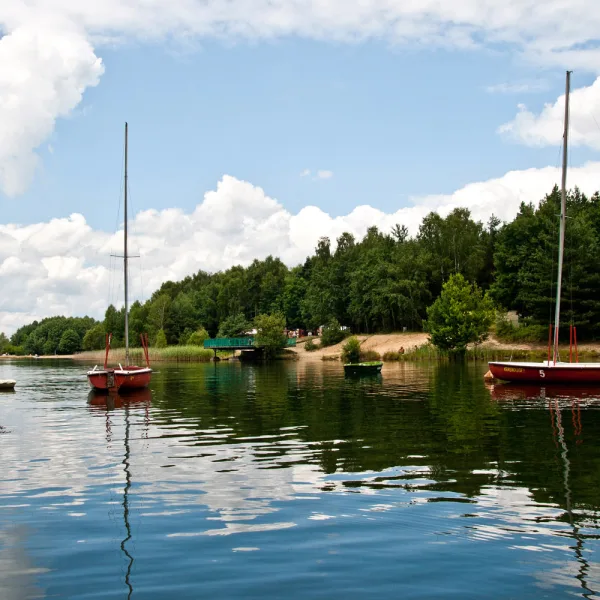
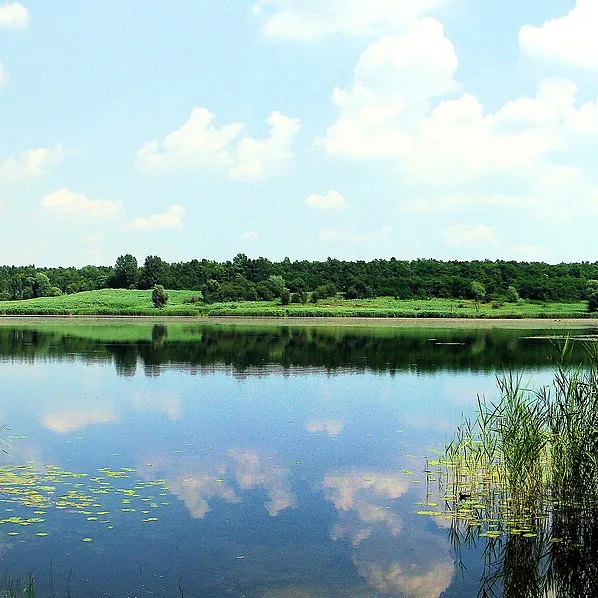
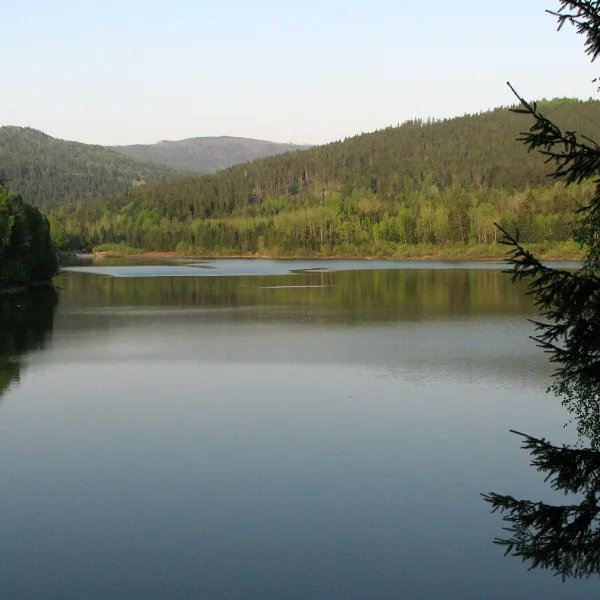
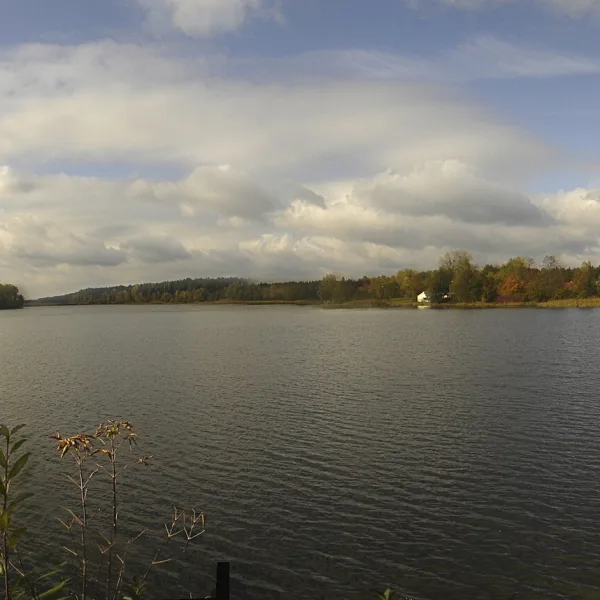
Reservoirs are the second group of views, flatter and calmer. Many were created in former sand pits or as dams on rivers, and today they serve leisure, anglers and birds.
The conurbation and the Dąbrowa Basin
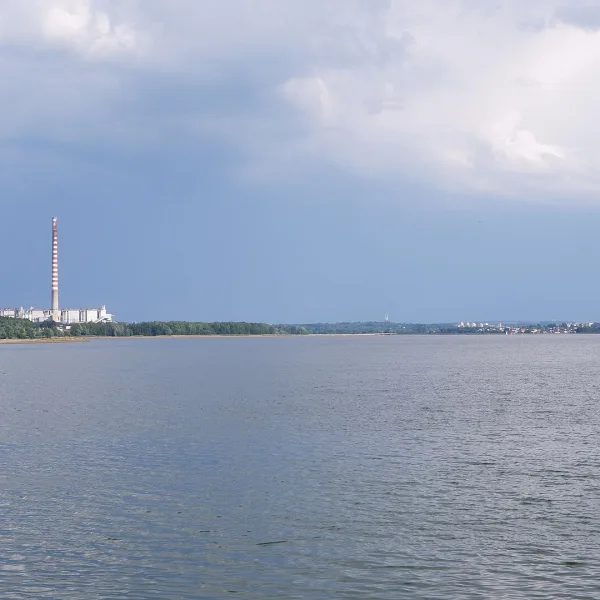
Dąbrowa Górnicza has two large reservoirs: Pogoria II in a flooded sand pit, an ecological site with a colony of black-headed gulls and reed-fringed shores, and Kuźnica Warężyńska, a lake of five hundred and sixty hectares that filled a pit in 2005. Near Pyskowice and Gliwice Dzierżno Duże covers over five hundred hectares and arose in sand workings in the Kłodnica valley. Lake Rybnickie in Rybnik is a dam reservoir built for a power plant, popular with sailors and anglers. In Świerklaniec Chechło-Nakło has around ninety hectares, beaches and a bathing area, while Kozłowa Góra is a shallow reservoir on the Brynica from 1935-1939, an important refuge for birds.
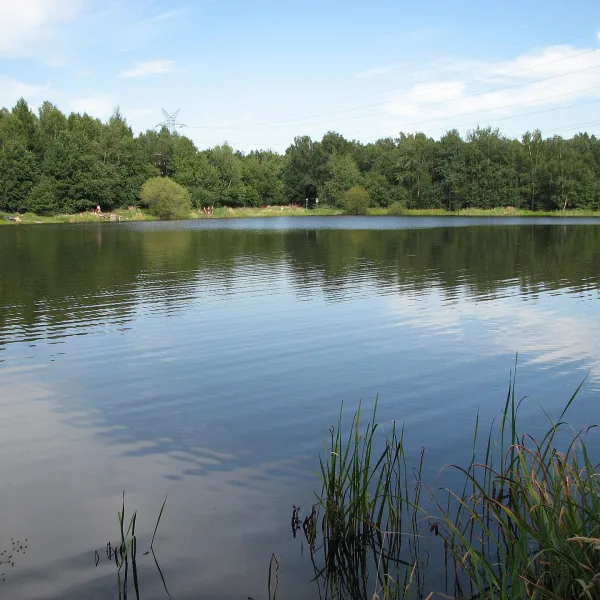
Smaller waters lie in Mikołów, where Starganiec has had a public bathing area since its 2023 renewal, in Zabrze, where Anaszacht is a shallow fishing lake, and in Tarnowskie Góry, where Głęboki Dół is a forest pond in the Lubliniec Forests.
The Beskids, the Jura and around Żywiec
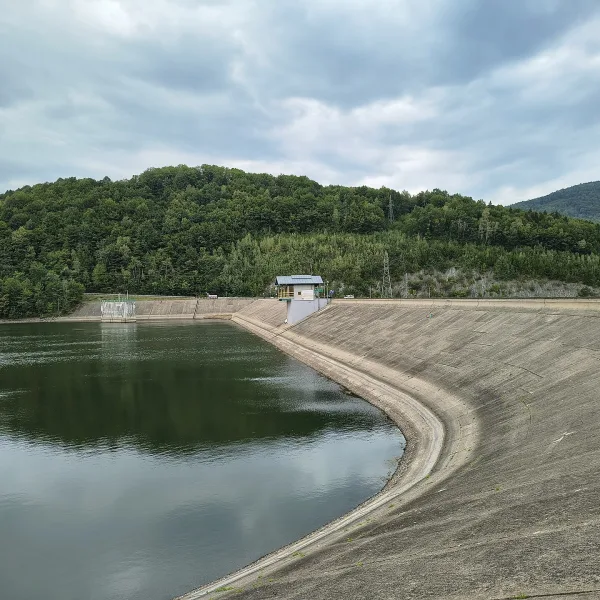
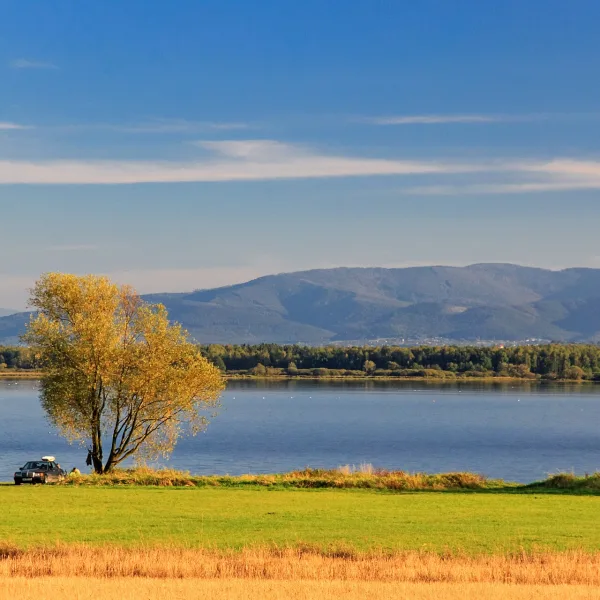
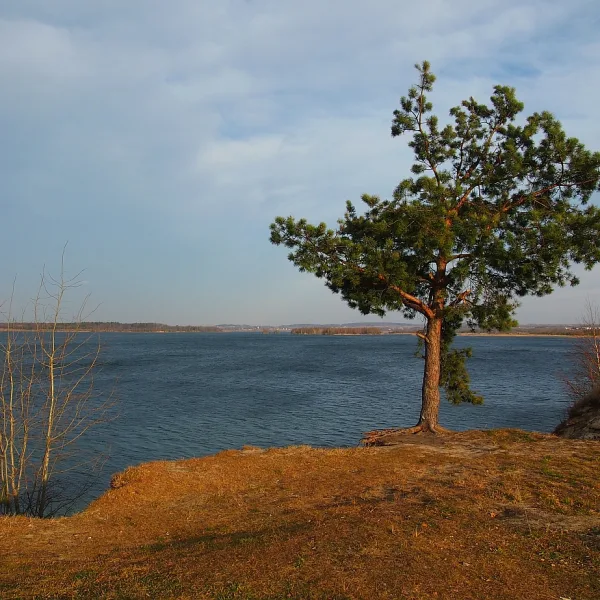
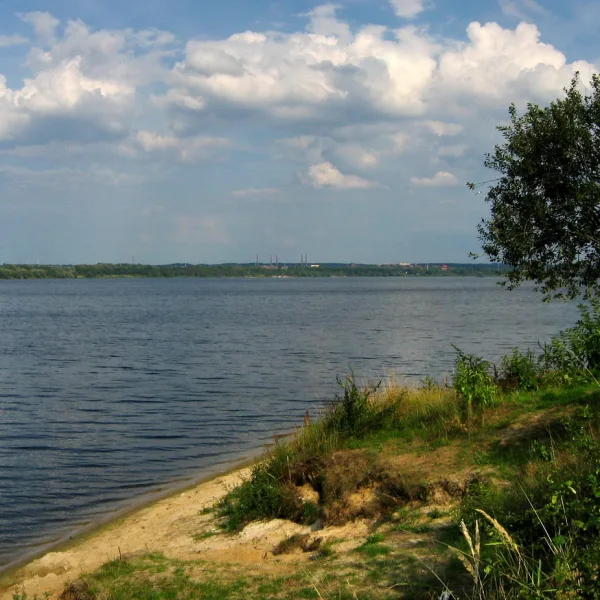
Lake Goczałkowickie on the Vistula is one of the largest artificial lakes of Upper Silesia, covering up to three thousand two hundred hectares. It lies some five kilometres south of Pszczyna, its water going largely to towns of the Upper Silesian Industrial Region, and birds depend on it too. The dam and reservoir make a broad, open landscape. In the Beskids three reservoirs lie on the Soła: Lake Żywieckie with a hydroelectric plant, Lake Międzybrodzkie with its holiday villages and Lake Czanieckie, a drinking-water reservoir. In Wisła Czarne Lake Czerniańskie dates from 1973. On the Jura, bathing and walks near Częstochowa are offered by the reservoir at Blachownia and Lake Porajskie, and in Lubliniec the Droniowicki reservoir, which is not an official bathing site but serves anglers.
Which views are in Katowice itself?
Katowice has seven places in this selection, so you need not leave the city to look at greenery and water. They lie in different districts of Katowice, including Murcki (two places), Giszowiec (two), Osiedle Paderewskiego-Muchowiec, Szopienice-Burowiec and Podlesie. A good idea is to combine a walk with a visit to another part of the city, and all of them are collected under views in Katowice.
Further from Katowice the most places are in Wisła, five, and three each in Mikołów, Mysłowice, Tarnowskie Góry and Dąbrowa Górnicza. Wisła has Beskid summits, towers and a lake close together, so it works well as a base for several days.
What to see on the Jura and among the rocks?
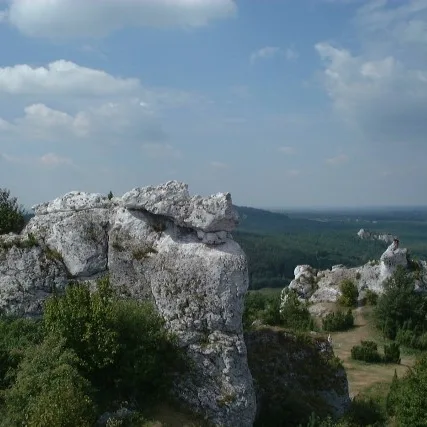
The Kraków-Częstochowa Upland is made of limestone rocks, caves and castles that form a characteristic landscape.
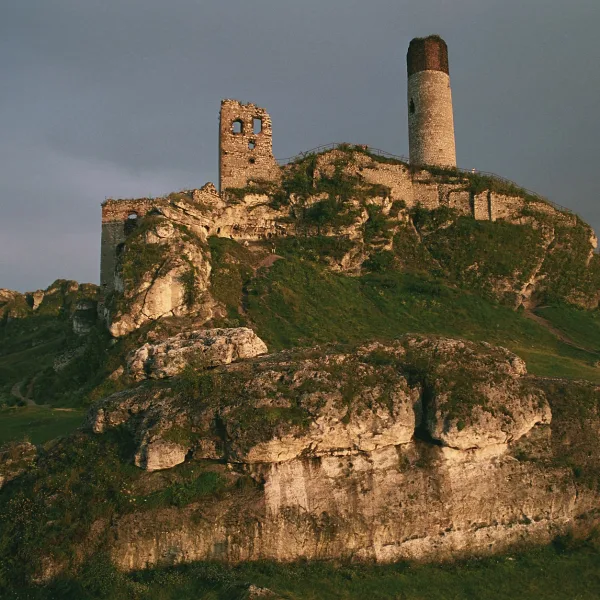
Góra Zborów (467 metres) near Kroczyce is a nature reserve and an important climbing area, with the accessible Głęboka Cave. The Eagles' Nests Trail is a red hiking trail across the upland along medieval castles and ends in Częstochowa. You can walk the whole of it or choose single stretches around Ogrodzieniec.
Where to find passes, a waterfall and trail landmarks?
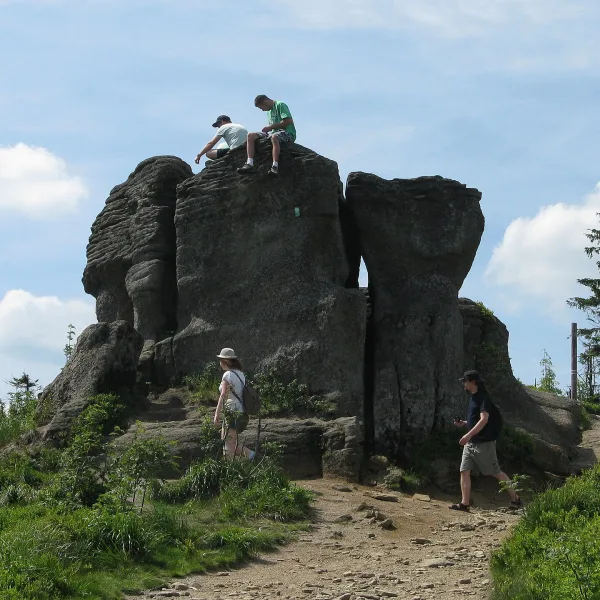
Beyond summits it is worth visiting passes and trail landmarks that can be joined into one trip. Salmopolska Pass, also called Biały Krzyż, sits at 934 metres, where regional road 942 joins Szczyrk and Wisła. It is the highest pass of the Silesian Beskids reached by road and a trail junction with a car park and an inn, so a good starting point for the ridge. Karkoszczonka (723 metres) lies on the boundary of Brenna and Szczyrk. Malinowska Skała is one of the best-known rocks of the Silesian Beskids, a natural monument since 1977.
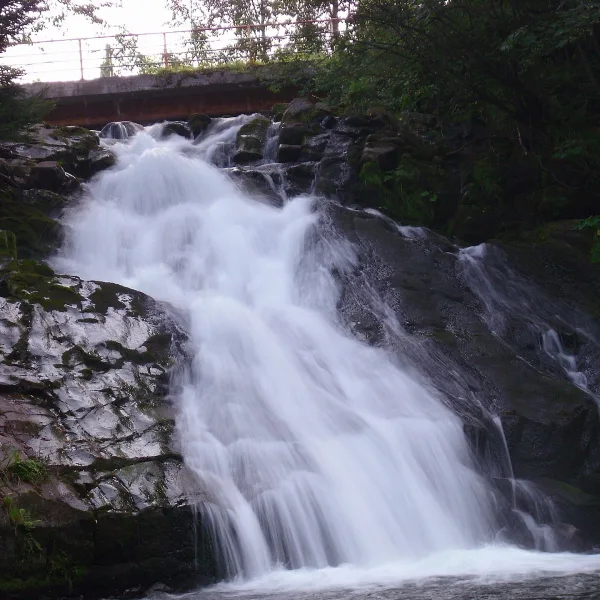
A quite different sight is the waterfall in Sopotnia Wielka, about ten metres high and billed as the biggest cascade in the Polish Beskids. Old land divisions are recalled by the historic boundary mound between the fields of three villages in the Wodzisław district, raised again in 1793-1794.
Which views are easy and which need fitness?
Easy ones are the lookout towers on short walks, a trailside outcrop such as Malinowska Skała, Koczy Zamek, the cable car to Szyndzielnia and lake shores. Moderate ones are Błatnia, Klimczok and Malorka Meadow. The most effort is needed for Barania Góra, Rysianka and long stretches of the Eagles' Nests Trail. The choice depends on weather and fitness, and in the mountains always carry warm clothing.
Lake Żywieckie dates from 1966, stretches as far as 6.6 km and swallowed a few villages. Lake Goczałkowickie has a capacity near 168 million cubic metres and is significant for drinking water and for birds. Both shores offer a different kind of view from mountain ridges: broad and calm.
How to choose a view for a trip
If you travel with children or older people, begin with lakes and the cable car. For the determined there are long ridges and the Jura trail. Before heading to the mountains check the forecast, since summits are sometimes misty and forests shade some of the tops.
Frequently asked questions
Which summit is the highest in the Silesian Beskids?
Skrzyczne, at 1257 metres above Szczyrk. The second mountain of the range is Barania Góra, at 1215 metres.
Where can you ride to a summit?
The gondola from Olszówka reaches Szyndzielnia, and Skrzyczne has a chair lift starting in Szczyrk.
Does Romanka have views?
Its summit is wooded, so there is no panorama from it. Neighbouring meadows such as Rysianka give better views.
Where can you swim?
Bathing areas operate, for example, at Lake Chechło-Nakło and at Starganiec in Mikołów. The Droniowicki reservoir in Lubliniec is not an official bathing site.
What is there to see in Wisła?
Around Wisła are Barania Góra, where the Vistula begins, Salmopolska Pass, the Szarcula tower above Lake Czerniańskie and the lake itself. All lie in the Silesian Beskids.
Are the lookout towers open to everyone?
The towers in Brenna, Wisła and Chałupki are tied to trails and nature paths, so they are usually reached on foot.

 Mountains