Things to do in Rybnik: the Ignacy Historic Mine, the Basilica of St Anthony, Rybnik Reservoir and wooden churches. Find out what to see in Rybnik.
Rybnik is a town of coal mines and a former power station, but also of brick churches, hilltop parks and a large reservoir. Here you can pick a stroll through the centre, a trip with children, a rainy day or some quiet sightseeing on your own, since most sites in the town can be seen at a relaxed pace.
What to see in Rybnik first
Begin with the market square and its Neoclassical town hall, the Basilica of St Anthony and the former colliery in Niewiadom, now the Ignacy Historic Mine. The first two are a few hundred metres apart in the centre, while the third is a separate trip to the district where the mine once worked.
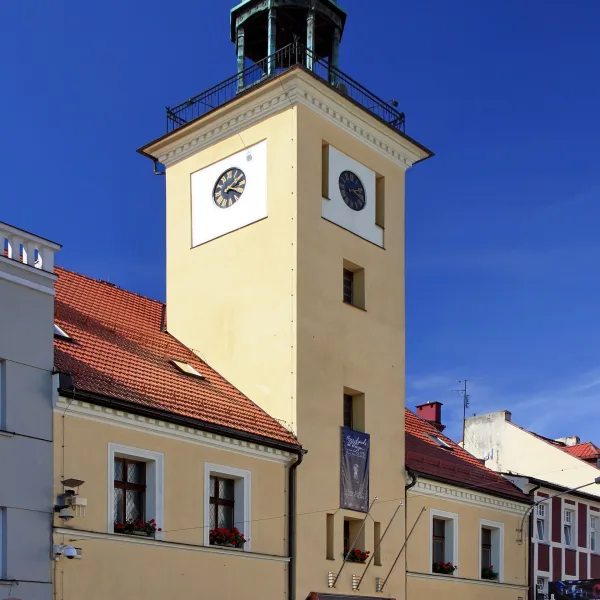
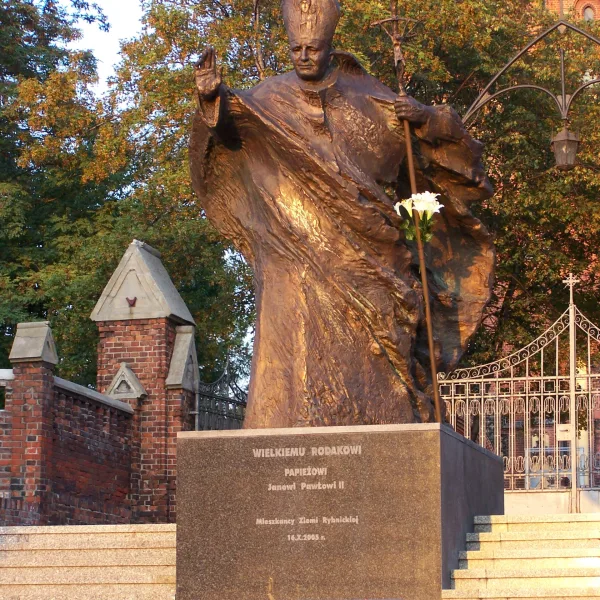
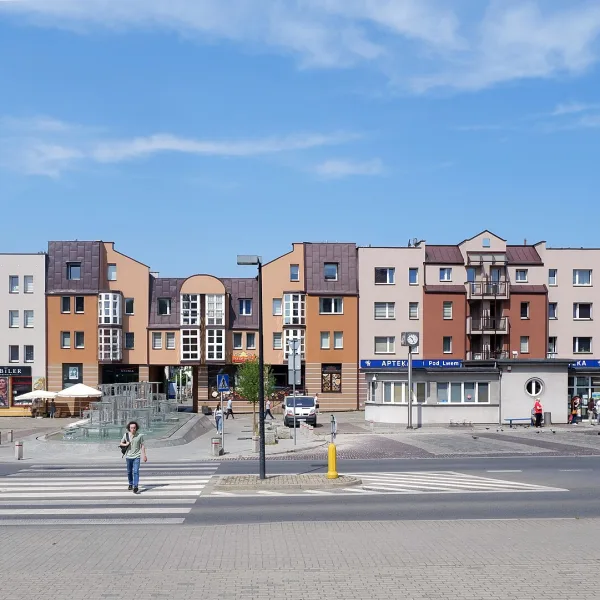
The Market Square in Rybnik was laid out when the town was chartered in the thirteenth or fourteenth century, on the site of a former pond, and is now surrounded by compact Neoclassical buildings with a town hall from 1823. To the east lies Freedom Square, a former market place rebuilt with fountains and greenery, and at the junction of Powstańców Śląskich and Mikołowska streets there is John Paul II Square with a four-metre statue of the pope. The statue has a page of its own: the Monument to John Paul II is bronze, unveiled in 2005.
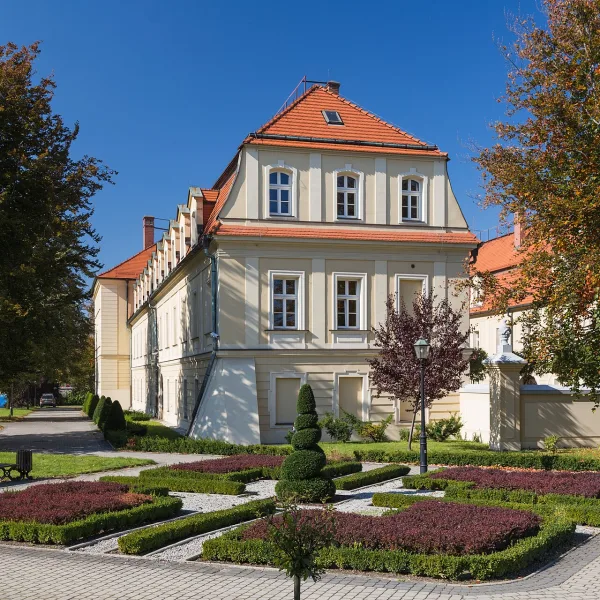
The centre also has Rybnik Castle, a Baroque-Neoclassical building whose origins go back to the late thirteenth century. It now houses the District Court, which means you can admire its façade but not tour the interior. A calm dose of history is offered by the Museum in Rybnik in the former town hall, with exhibitions on the town's past, crafts and coal mining.
Which churches in Rybnik are worth visiting?
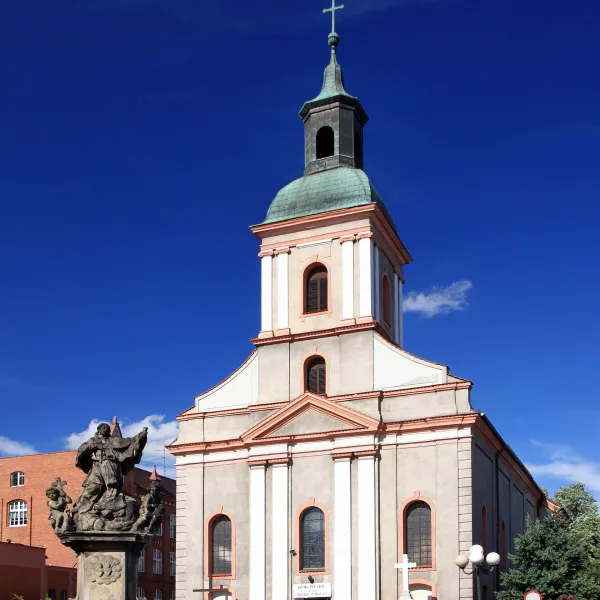
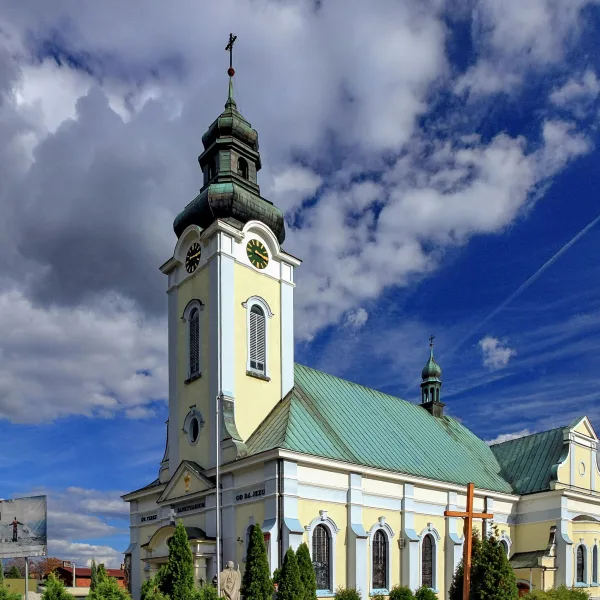
The strongest impression comes from the Basilica of St Anthony, a Gothic Revival brick building from 1903-1906 with towers 95 metres high. Two wooden churches moved here from other villages and the oldest church in town are also worth a look.
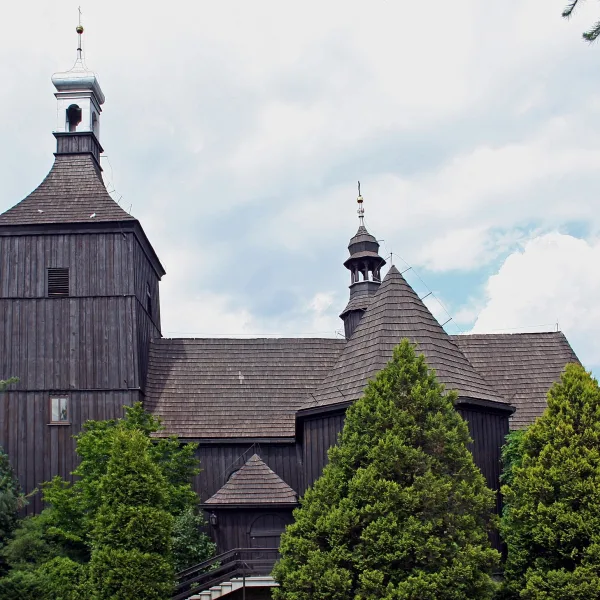
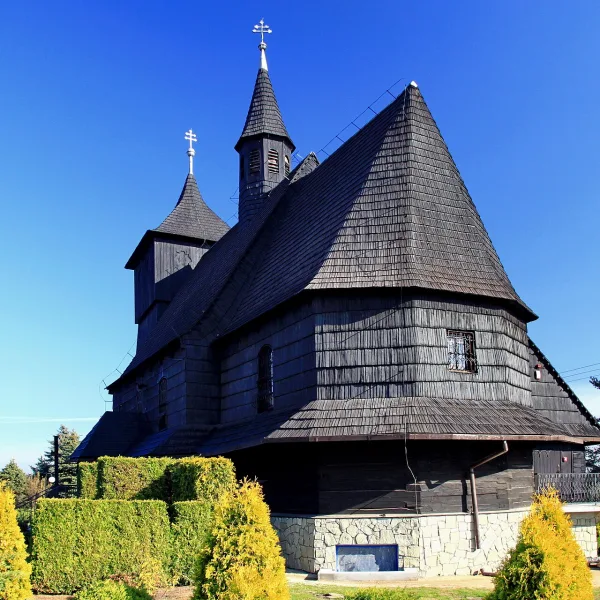
- The Church of St Lawrence in Ligota is a wooden church from 1717, moved from Boguszowice in 1975, with Baroque furnishings and a painting by Michael Willmann.
- The Church of St Catherine and Our Lady of the Rosary in Wielopole was built in 1534 in Gierałtowice and moved to Rybnik in 1976. Its late Gothic ceiling polychromy survives.
- The Academic Church on Gliwicka Street is the oldest and smallest church in Rybnik, with a Gothic chancel from the mid-fifteenth century.
- The Old Church on Plac Kościelny, built in 1798-1801, is Baroque-Neoclassical and holds late Gothic sculptures from the triptych of the former parish church.
- The Lutheran Church on Miejska Street, a brick building from 1853, has a Romanesque Revival tower.
Outside the centre are the Baroque Revival Church of the Sacred Heart of Jesus in Boguszowice Stare and a second church of the same name, in Niedobczyce, built in 1920-1921 with altars from the workshop of Franciszek Follek. The Church of Christ the King in Golejów went up in 1926 in four months, and the Franciscan church of St Joseph the Worker in Smolna in 1937 in six. The sanctuary of St Thérèse of the Child Jesus in Chwałowice has held that status since 2005. All of them are listed under churches and monasteries in Rybnik.
Rybnik for families and for bad weather
For families the best options are the Ignacy Historic Mine with the SOWA science centre, the Dżungla play centre and Edukatorium Juliusz. All three are indoors or have much of the visit under a roof, so they also suit a grey day.
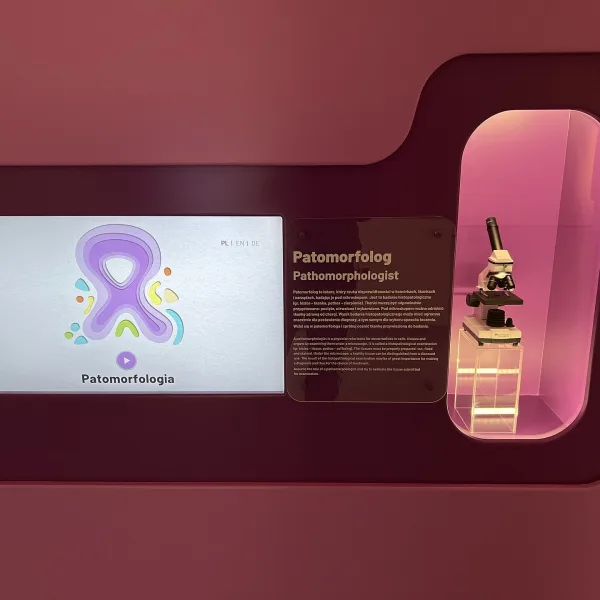
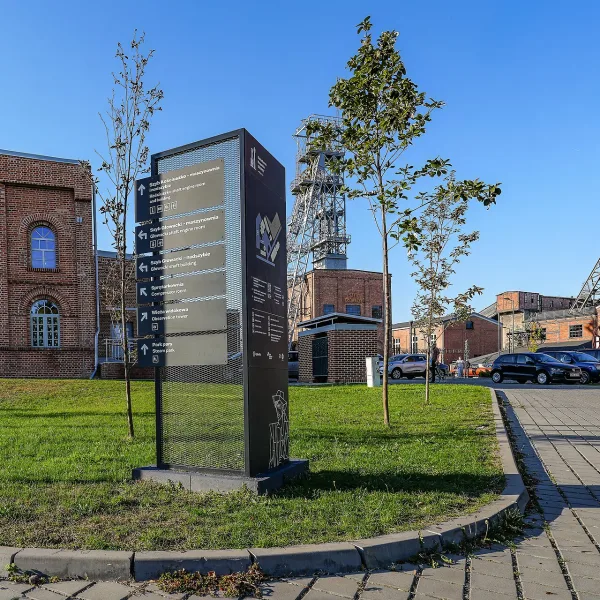
The Ignacy Historic Mine in Niewiadom was founded in 1792 and opened to visitors in 1999. It has two steam engines and a 46-metre tower with a viewing terrace. On the site works SOWA, a small science centre with 28 interactive exhibits and an experiment workshop. Edukatorium Juliusz occupies a former hospital from 1869 on Klasztorna Street and offers an interactive exhibition on medicine and pharmacy. Dżungla on Chrobrego Street is a play centre with slides, an obstacle course and trampolines, with a separate area for the youngest and a café.
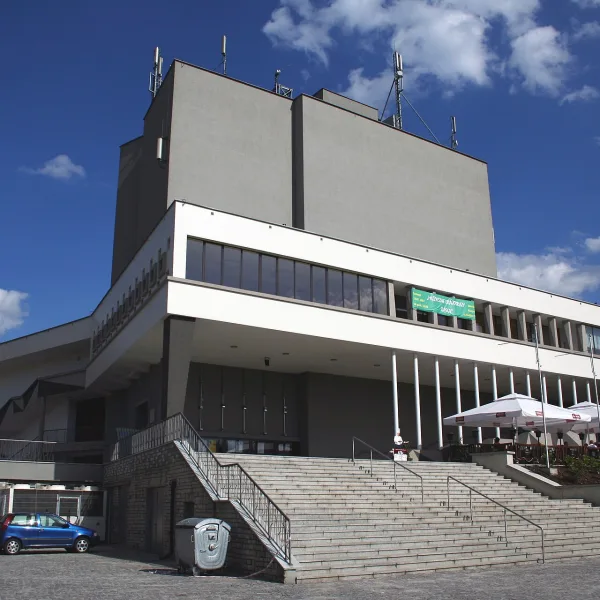
For an evening out, try the Rybnik Land Theatre at Plac Teatralny, which bears the name of Kazimierz Kutz. The building was constructed in 1958-1964, has a hall for 650 people, a chamber hall and a gallery, and has held monument status since 2023. The current repertoire is in the calendar of events in Rybnik. More ideas for bad weather are collected under rainy-day things to do in Rybnik.
Where to walk in Rybnik: parks, the lake and trails
For a walk choose Kozie Góry Park, the hilltop St John Sarkander Park or the shores of Rybnik Reservoir. Entry to most of these places is free, and nine sites in the town carry that label on the page of free attractions in Rybnik.
Kozie Góry Park in the Meksyk district is the largest and oldest city park in Rybnik, founded in the late nineteenth century, covering almost seven hectares and equipped with a fitness trail. St John Sarkander Park occupies a hill in the centre, on the site of a former cemetery, and surrounds the fifteenth-century Academic Church. For more green spaces see parks and nature in Rybnik.
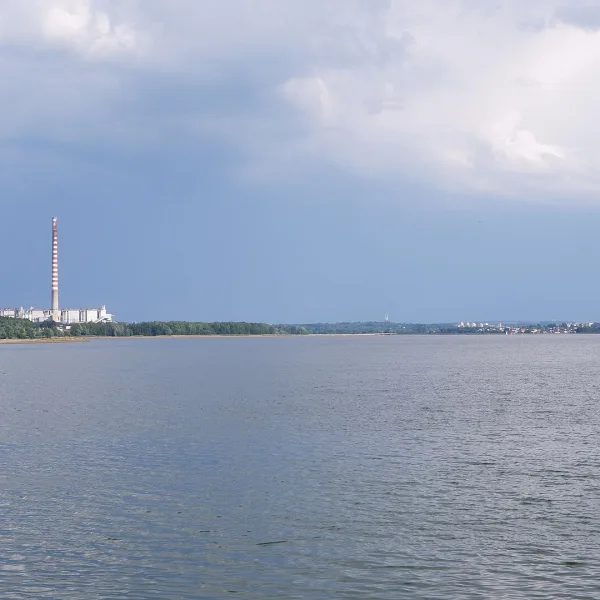
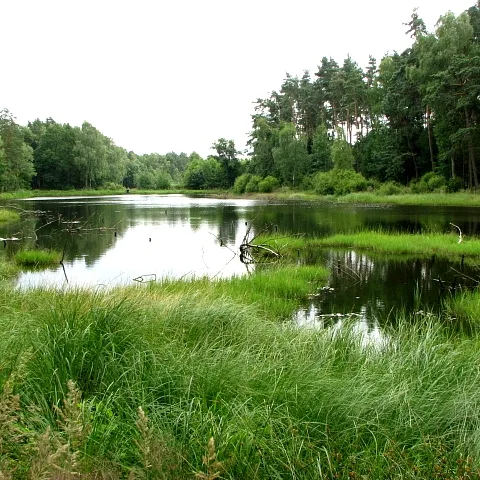
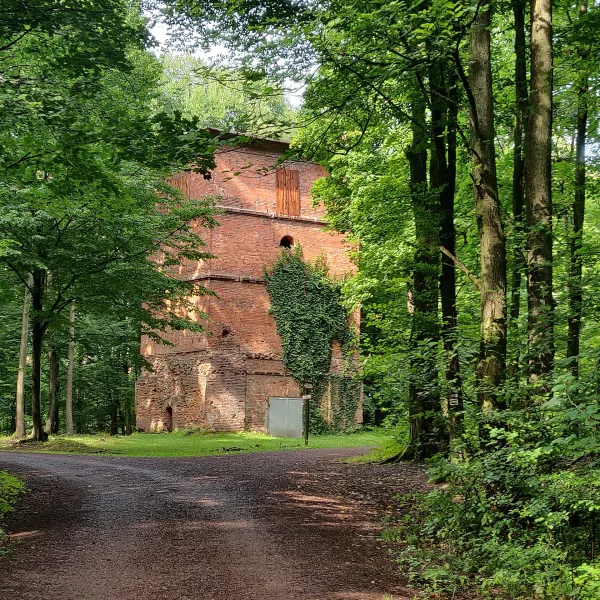
Rybnik Reservoir is an artificial dam lake on the river Ruda, 4.5 sq km in area, built for the Rybnik power station and popular with sailors and anglers. In Paruszowiec-Piaski stands a wooden brine graduation tower made of blackthorn branches, built in 2018, next to a fishpond on the Ruda with walking and cycling paths. A larger area is the Cistercian Landscape Compositions of Rudy Wielkie Landscape Park: almost 494 sq km with a former Cistercian complex in Rudy, ponds, forests and the Łężczok nature reserve. On foot you can follow the Trail of the Beginnings of Metallurgy, a blue route of about 21 km from Rybnik to Żory, leading among other places to the ruins of the Waleska ironworks and a blast-furnace tower.
Remembering the war victims and Jewish residents of Rybnik
Rybnik has two places that commemorate victims of the Second World War: a mass grave of Auschwitz prisoners and the site of the former Jewish cemetery. Both are places for quiet reflection.
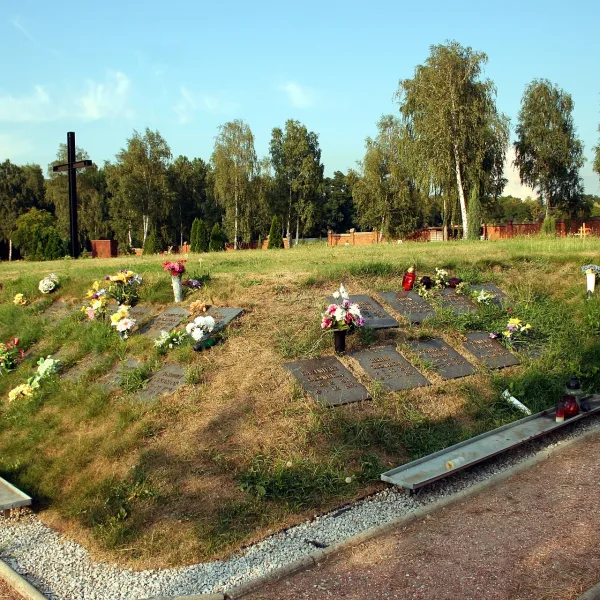
The mass grave of 446 prisoners of KL Auschwitz lies in the forest by the Ruda, behind the additional car park of the bathing area. It holds prisoners of the German camp murdered during the Death March in January 1945. The Jewish cemetery in Rybnik existed from 1815 to 1931 and was destroyed by the German occupier in 1940. Today the site is a green square where fragments of gravestones survive. The fate of Jewish cemeteries in the region is told in the article on Jewish cemeteries in the Pszczyna and Rybnik lands. The municipal insurgents' graves and a memorial wall are at the municipal cemetery, and the Szafranek Brothers Monument from 2018 honours two musicians near the railway station.
Frequently asked questions
What can I see in Rybnik in one day?
In the morning walk through the market square, Freedom Square and the Basilica of St Anthony, then in the afternoon go to the Ignacy Historic Mine in Niewiadom. If you have time, add a walk in Kozie Góry Park.
What is there to do in Rybnik with children?
Good choices are the Ignacy Historic Mine with the SOWA science centre, the Dżungla play centre and Edukatorium Juliusz. The page of places for families in Rybnik brings such sites together.
Are there wooden churches in Rybnik?
Yes, two: the church of St Lawrence in Ligota from 1717 and the church of St Catherine and Our Lady of the Rosary in Wielopole from 1534. Both were moved to Rybnik from other villages in the 1970s.
Is there a lake in Rybnik?
Yes. Rybnik Reservoir is a dam lake on the river Ruda, popular with sailors and anglers.
Where can I read more about the history of Rybnik?
The story of the town from its first mention in 1223 is told in Rybnik from a mention in 1223 to a mining town, and the mine is covered in an article on the Ignacy Historic Mine.

 Industrial heritage