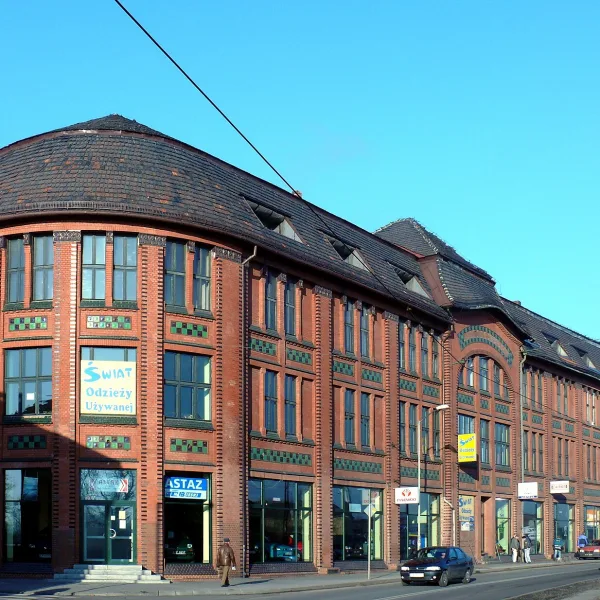
Things to do in Ruda Śląska: Aquadrom, the Ficinus colony, Orzegów Coking Plant and a dozen churches. Find out what to see, district by district.
Ruda Śląska grew out of several former settlements, so each district has its own character: Wirek has workers' housing and brick Gothic Revival churches, Nowy Bytom has the steelworks and the main town square, Kochłowice has the oldest remains, and Halemba has a water park. It suits visitors who like industrial heritage, church architecture and walks through working districts of Silesia.
What to see in Ruda Śląska in one day
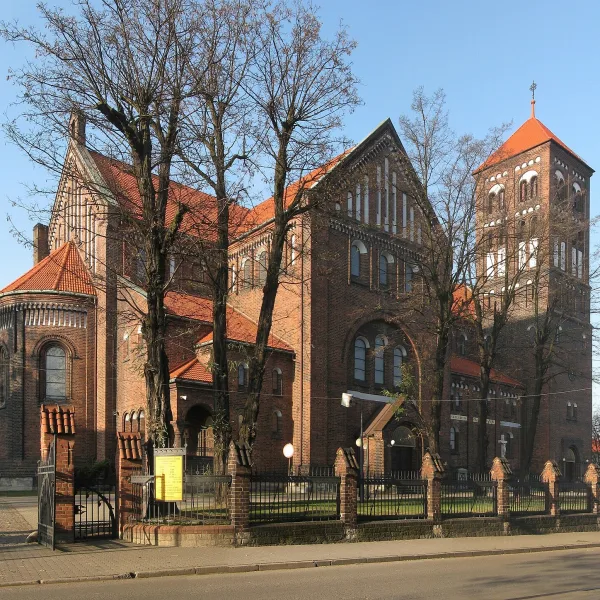
For a single day pick one district. Wirek has the Ficinus Workers' Colony and the Gothic Revival church of St Lawrence and St Anthony. Nowy Bytom has John Paul II Square with the church of St Paul, Halemba has the water park, and Kochłowice has a medieval hillfort and a sanctuary.
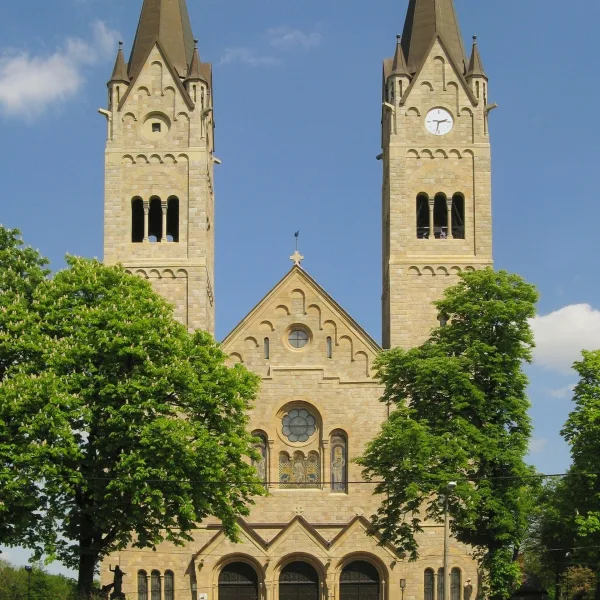
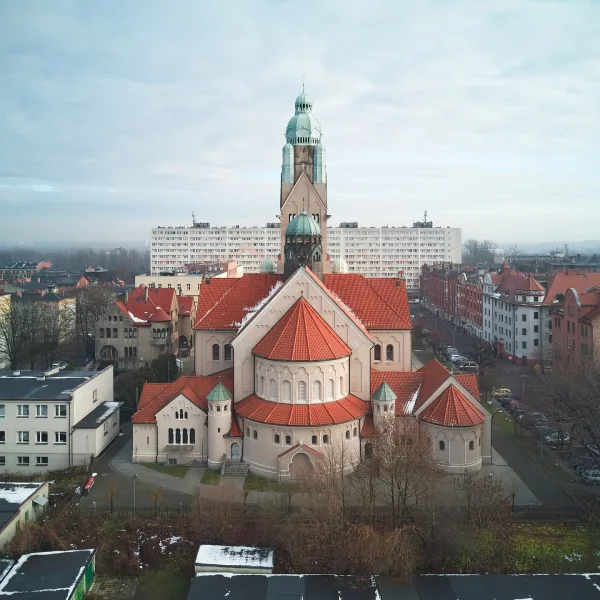
John Paul II Square is a good starting point: it lies in the centre of the town beside the town hall and has two fountains after its rebuilding. On it stands the largest church in the town, the Church of St Paul, a Romanesque Revival basilica from the early twentieth century. In the same district survives a housing estate for steelworkers, the Kaufhaus Estate, with a row of family houses along Niedurnego Street and a former department store.
Which industrial heritage sites are worth seeing in Ruda Śląska?
The most interesting are the remains of mines, coking plants and steelworks: Orzegów Coking Plant, the Andrzej Shaft Tower, the blast furnace of the Pokój Steelworks and the Ficinus colony. Together they show how the town lived from coal and steel.
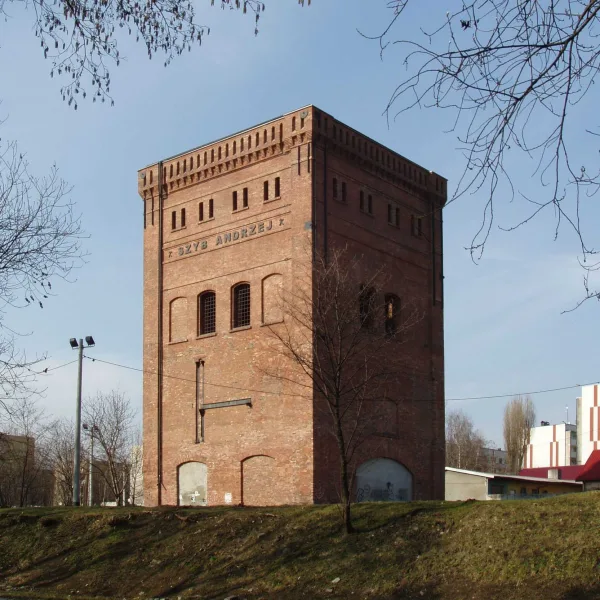
The coking plant in Orzegów started work in the early twentieth century and part of it now serves as an educational park. The brick Andrzej shaft tower belongs to the former Gottessegen coal mine, later called Błogosławieństwo Boże. The blast furnace dates from 1968 and stands on Niedurnego Street, but steel is still produced on the steelworks site, so the plant itself is closed to visitors and the furnace is viewed from outside. The Ficinus colony is made up of sixteen sandstone houses built in the 1860s, and it lies on the Industrial Monuments Trail.
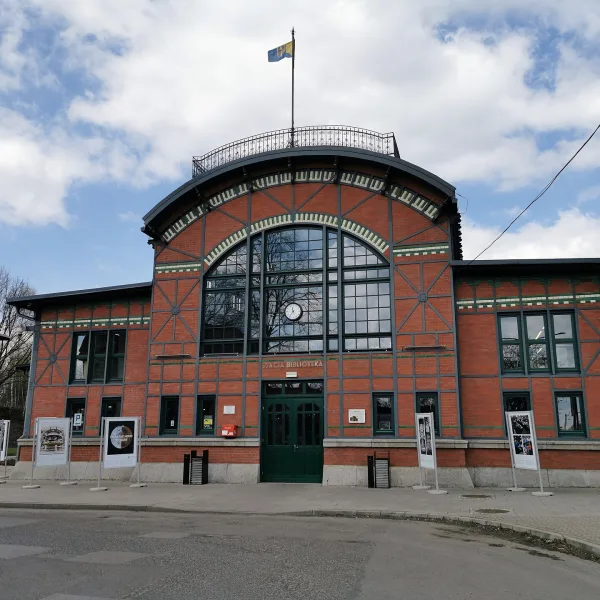
The same trail includes Stacja Biblioteka, the main branch of the municipal library, housed in the historic Ruda Chebzie station. Trains still stop here and the station hall works as a waiting room. For further examples see the page on industrial heritage in Ruda Śląska.
Which churches in Ruda Śląska have interesting architecture?
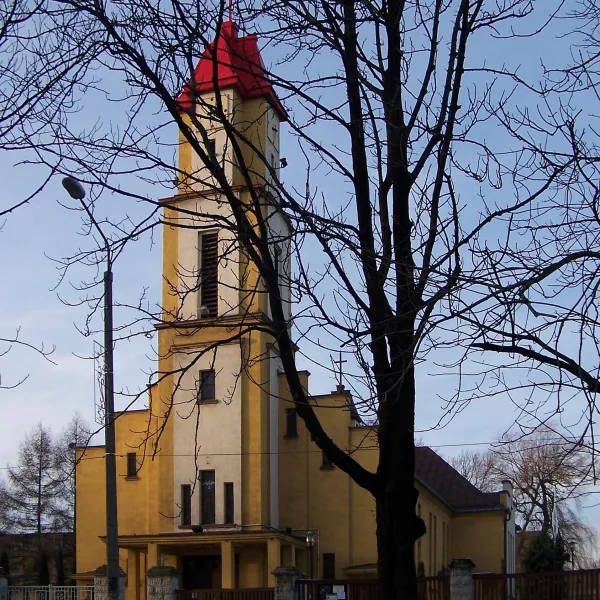
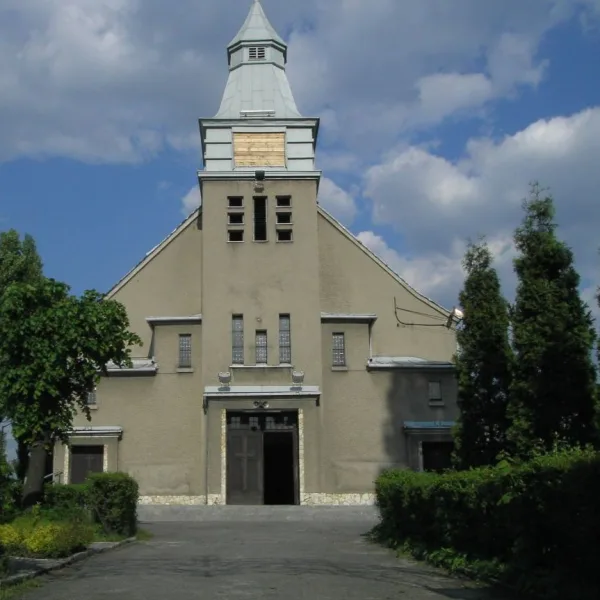
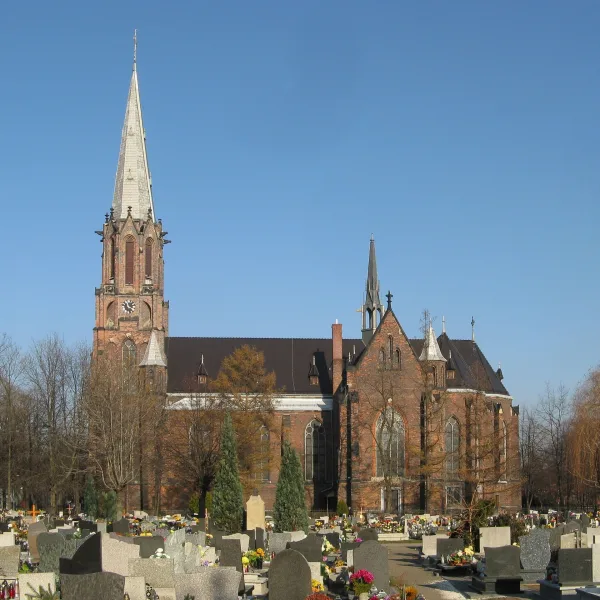
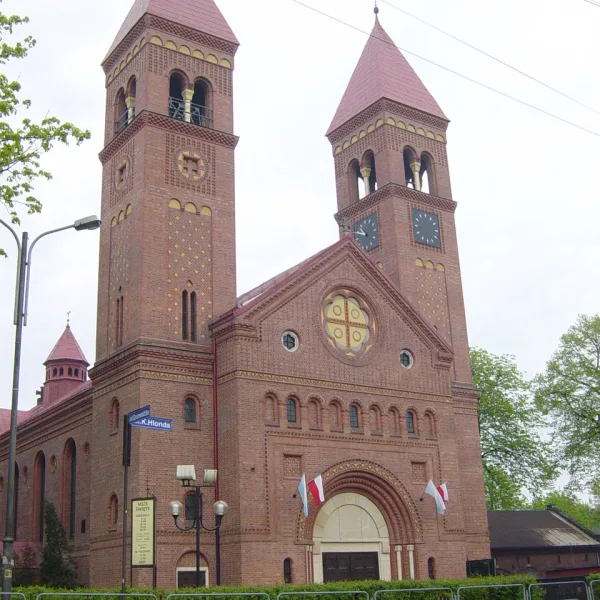
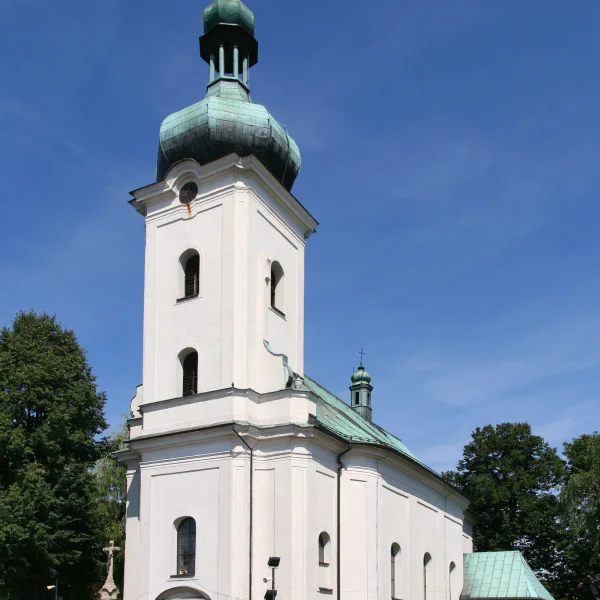
The town has more than a dozen historic churches, and the largest group are Gothic Revival and Romanesque Revival buildings from the nineteenth and early twentieth centuries. Start with the church of St Joseph, the church of St Paul and the sanctuary in Kochłowice.
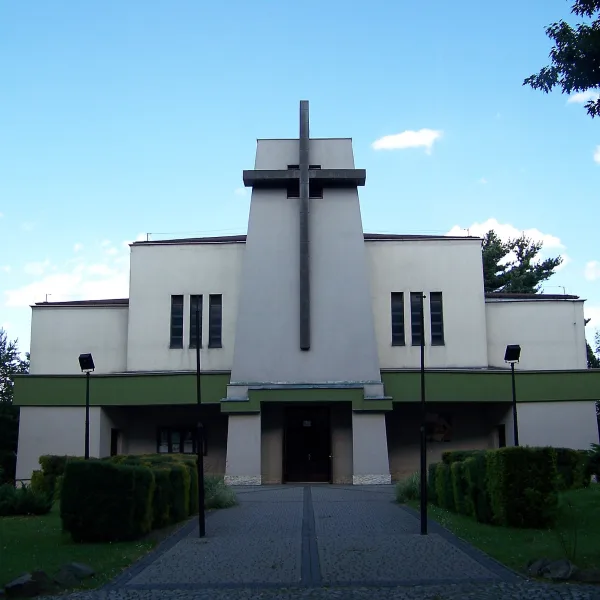
Among newer buildings two churches designed by Jan Affa stand out: the modernist Church of the Sacred Heart of Jesus in Bykowina, on a hill 296 m above sea level, and the Church of the Holy Spirit in Czarny Las. The whole list is in the category churches and monasteries in Ruda Śląska.
Where to go in Ruda Śląska when it rains
On a rainy day museums, the library in the station and the water park work well. Five such places make up the list of rainy-day things to do in Ruda Śląska.
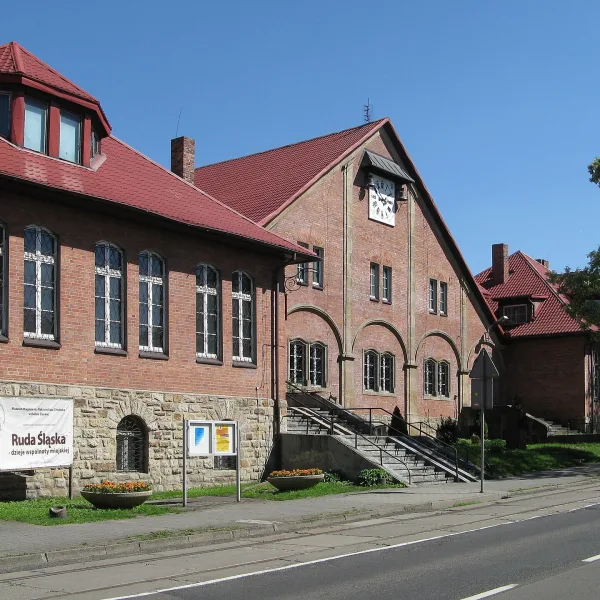
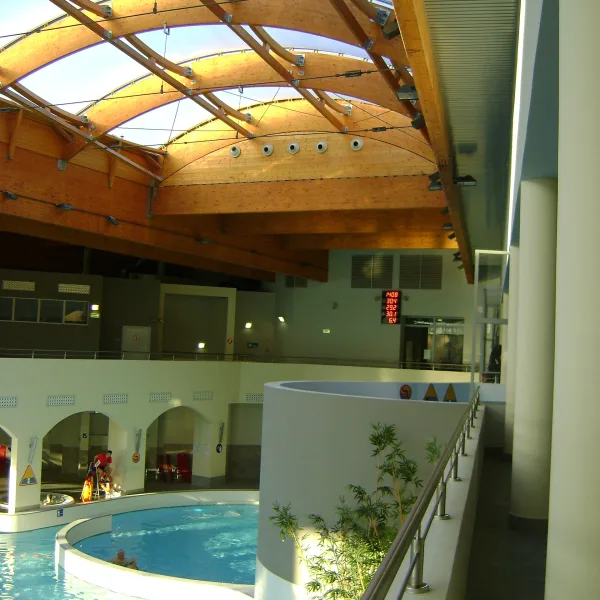
Aquadrom in Halemba has three zones: recreation, sport and a sauna area, and it stands out for a pool with a moving floor and a seven-metre diving tube. The Museum of the History of the Polish People's Republic is set in a former manor farm and displays furnished flats, period cars and a park of monuments covering the years 1945-1989. The Maksymilian Chrobok City Museum on Wolności Street tells the story of the town through its industry, and the Barwy Śląska gallery shows paintings by self-taught artists.
Ruins, fortifications and trails in Ruda Śląska
For visitors who like history outdoors, the town has a hillfort, a castle ruin, bunkers and two walking trails. These are places for short outings rather than for visiting interiors.
The Kochłowice hillfort is a medieval conical stronghold from the early fourteenth century and the oldest monument in the town. The castle in Ruda Śląska is now a ruin: a few stone fragments of walls remain, and the building burned down in 1945. The fortifications of the Silesian Fortified Area include Hill 319 Strongpoint and Combat Bunker no. 75, which was restored and opens a few times a year.
Walkers may like the August Czarnynoga Trail, a yellow route of 11.7 km linking Chorzów Batory with Ruda Śląska. Longer is the Upper Silesian Mining History Trail, about 100 km along industrial monuments from Łubianki to Rybnik. Nearby you can see the free sculpture Miner-Olympian by Piotr Latoska, from 1963, on Żwirki i Wigury Square.
Are there events in Ruda Śląska?
Yes, the local calendar is varied. Concerts, performances and meetings are listed under events in Ruda Śląska, where you can filter them by day and category. Solo travellers can also use the list of places for a solo trip, since most sites in the town suit calm sightseeing on your own.
Frequently asked questions
What should I see first in Ruda Śląska?
Start with the Ficinus colony, the church of St Paul with John Paul II Square, and Orzegów Coking Plant. These three places show the working-class and industrial history of the town well. If you like churches, add the church of St Joseph.
Is there anything to do in Ruda Śląska in bad weather?
Yes. You can choose between two museums, a gallery of intuitive painting, the library in the Ruda Chebzie station and the Aquadrom water park in Halemba.
Which sites are free?
Walking trails and the Miner-Olympian sculpture are free, because they stand outdoors. The full list is on the page about free attractions in Ruda Śląska.
Can I enter the Pokój Steelworks site?
No. Steel is still produced on the site, so the blast furnace is viewed from outside, from Niedurnego Street.
Where can I read more about the history of the town?
The story of the steelworks and Sendzimir's rolling mill is told in the article Huta Pokój in Ruda Śląska and the Sendzimir rolling mill, and the Ficinus colony is covered in a text on the colony in Wirek.

 Water parks and pools