Things to do in Świętochłowice: the Polska mine towers, a water tower and an uprisings museum. Dozens of places, from churches to a pond and parks.
Świętochłowice is a town in the Upper Silesian conurbation that still shows its industrial past: steel shaft towers, a neo-Baroque water tower and the buildings of former mining management. Alongside them are brick churches in four districts, the town's largest pond and its oldest public park. It makes a good short trip from Katowice or Chorzów.
What should you see first in Świętochłowice?
Start in the centre on Katowicka Street, where the water tower, the former Donnersmarck directorate and the church of Saints Peter and Paul stand, then add the uprisings museum and the Polska mine. That combination shows the town as a whole: industry, faith and local history.
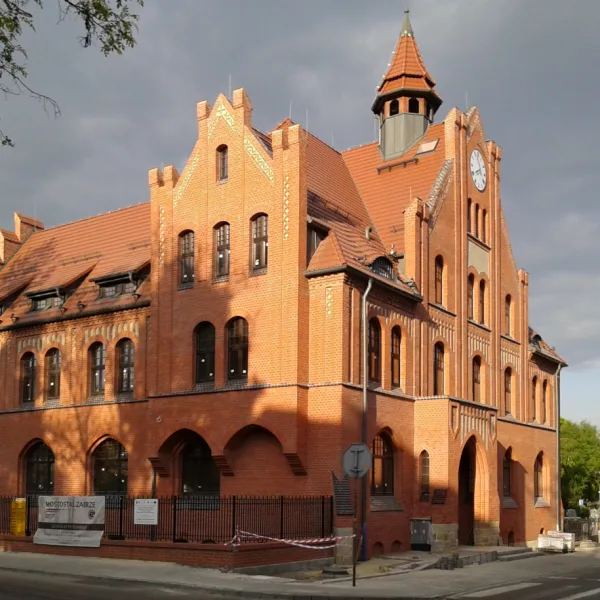
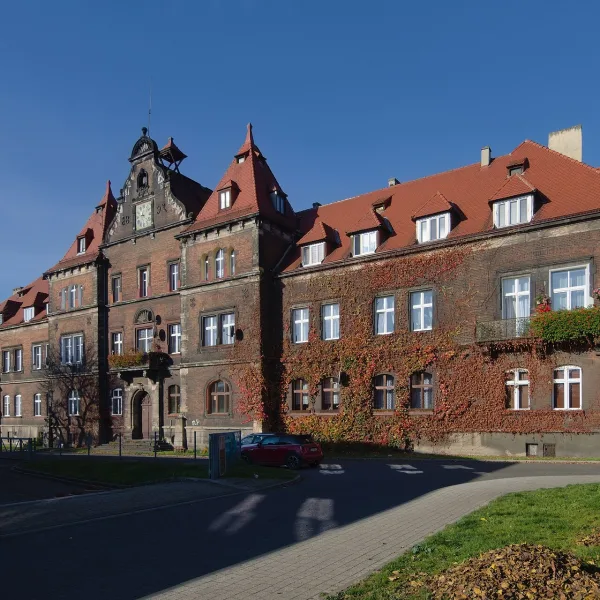
The Museum of the Silesian Uprisings is at Wiktora Polaka 1, in a neo-Gothic building of 1907 that was built as the headquarters of the Donnersmarck estate administration. The municipal museum tells the story of the three Silesian uprisings and the plebiscite, and of Świętochłowice itself. It was set up in 2012 from the earlier town museum, and the building was refurbished in 2013-2014. On a rainy day it is the obvious first choice.
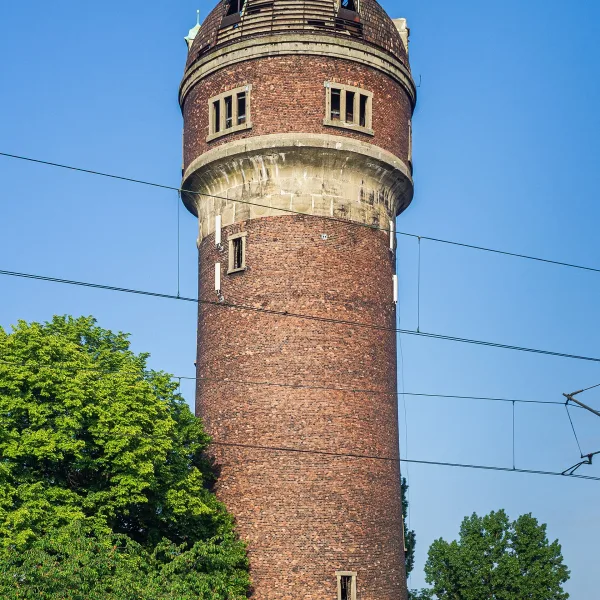
The water tower on Katowicka Street is a neo-Baroque structure of 1909, 40 metres tall, crowned by a rare steel tank of the Klönne system. It was raised for the water supply association serving Bismarckhütte and Świętochłowice, to a design by Dr Richard Lummert. It remains one of the landmarks of the main street.
On the same street, at number 30, stands the former directorate of the Donnersmarck mines and steelworks: a brick building of 1897 in the Northern Renaissance style. Today it is a residential building, so you can only view it from outside.
What traces of industry remain in Świętochłowice?
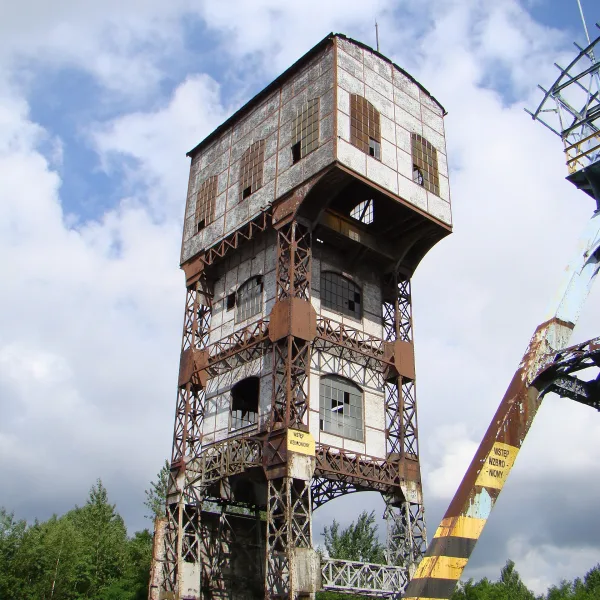
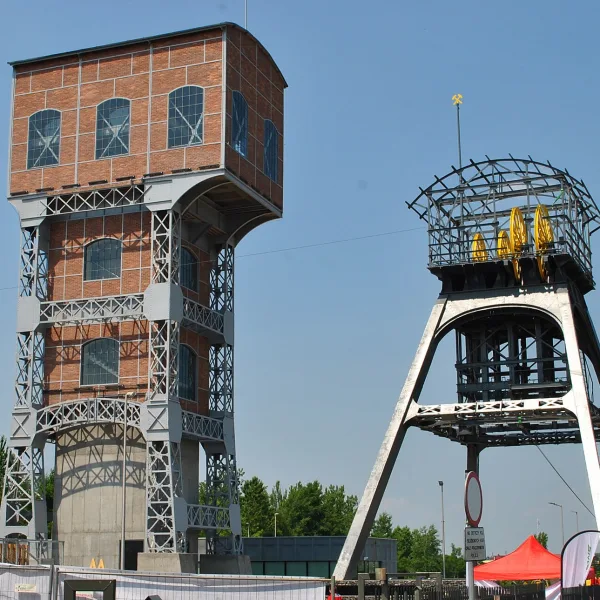
The most visible are the two shaft towers of the former Polska mine at Wojska Polskiego 16. The mine was created on 24 October 1873 by merging several mining fields, and its owner was Baron Guido Henckel von Donnersmarck. For anyone interested in industrial heritage it is one of the key places in town, gathered under industrial heritage in Świętochłowice.
The mine's name changed over the years: until 1922 it was Deutschland, then Niemcy, and from 3 May 1937 Polska. In 1972 it was merged with the Prezydent mine in Chorzów, and its closure was completed in 2000. The winding tower of Shaft I is a metal structure of 1908, entered in the register of monuments in 2004. The whole site is described on the page about the former Polska mine complex, and there is a wider list under industry and technology.
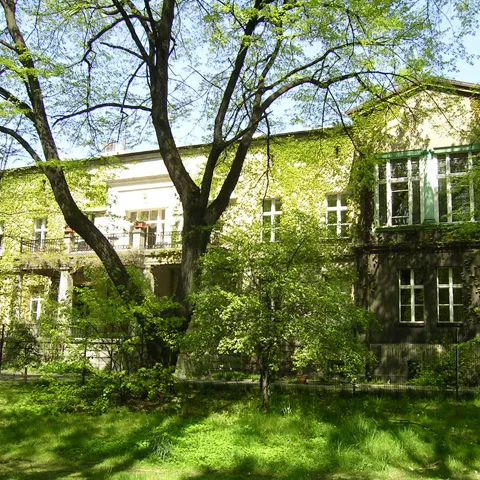
In Piaśniki, at Bytomska 55, stands the palace known as the little castle of Piaśniki. It is a neo-Renaissance building finished in 1859 as an office house for a zinc company, rebuilt in 1917 after mining damage and given Art Nouveau stained glass. Next to the park survives a group of buildings that belonged to the Silesian Joint-Stock Company for Mining and Zinc Smelting.
Where can you walk in Świętochłowice?
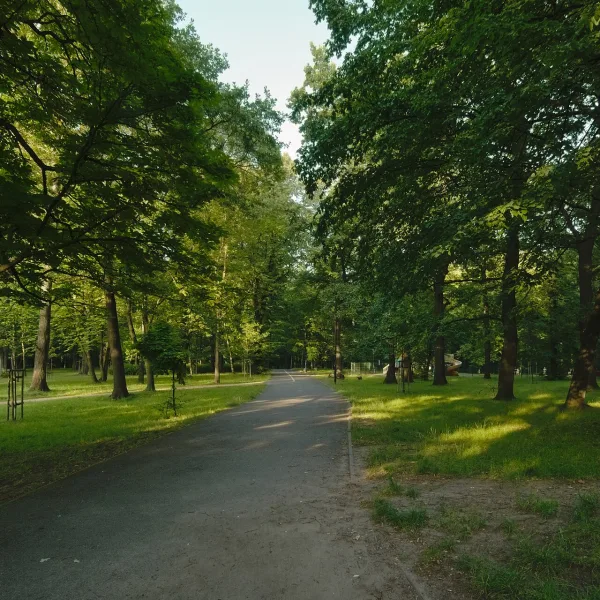
For a walk, choose Piaśniki: the Heiloo Residents Park was laid out in 1866, which makes it the oldest municipal park in town. It covers about 6 hectares, lies by Powstańców Śląskich and Bytomska streets and is on the municipal register of monuments. Its name comes from the town's partnership with Heiloo in the Netherlands. The park is free to enter.
In the park stands Combat Bunker No. 39 from 1937, a heavy bunker built for frontal fire as part of the second line of defence of the Silesia Fortified Area. The walls facing enemy fire are two metres thick, and inside there are 13 rooms and a small museum room. It is entered in the register of monuments.
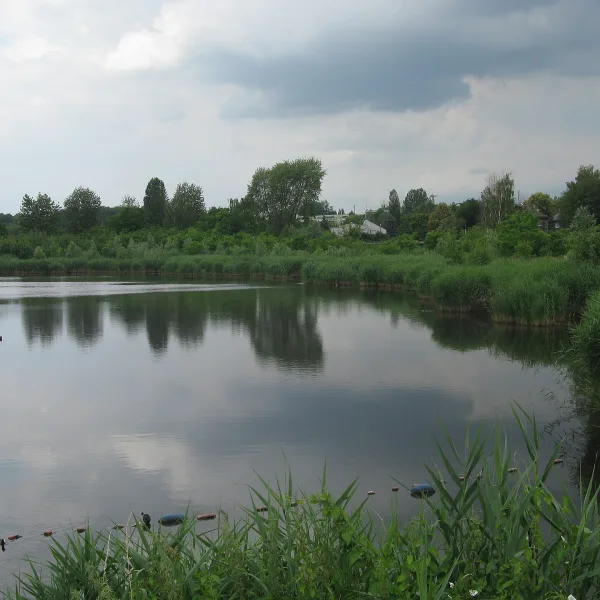
Kalina Pond is the largest body of water in town, about 5.3 hectares. It formed before the First World War in a hollow left by shallow coal mining. From 1928 to 1939 there was a leisure centre with a bathing area here, and after years of pollution the water was cleaned during a revitalisation finished in 2023. Today there are walking paths and playgrounds, and entry is free.
Which churches in Świętochłowice are worth seeing?
Świętochłowice has six churches from different eras, from 19th-century neo-Gothic to a building of the 1980s. You will find them all under churches and monasteries in Świętochłowice.
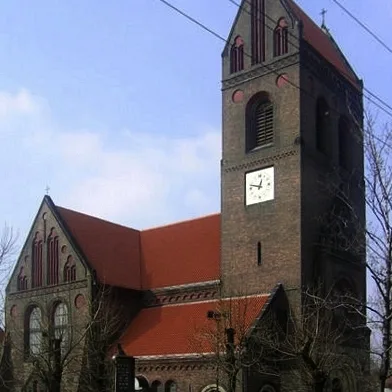
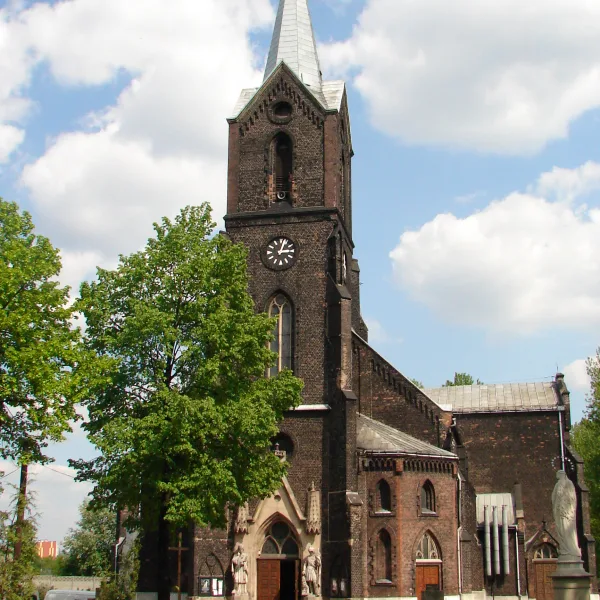
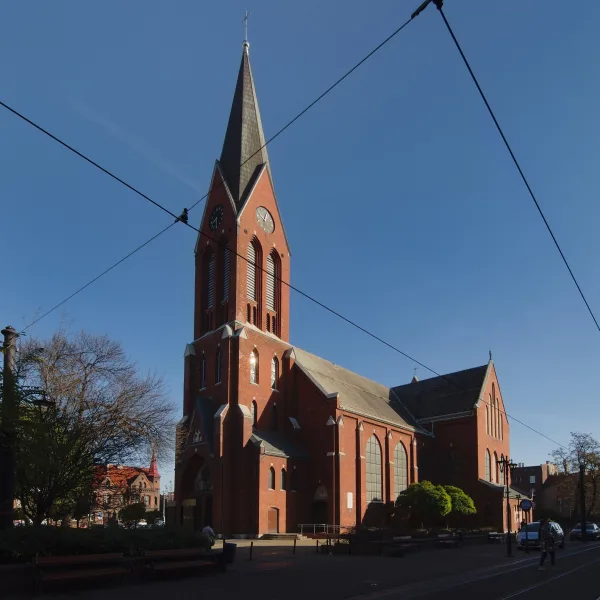
The oldest is St Augustine's in Lipiny, neo-Gothic, built in 1871-1872, with a stone portal and varied vaults. It is entered in the register of monuments. It was raised for a steelworks settlement whose people lived far from the parish in Bytom and later in Królewska Huta. In the centre stands the brick church of Saints Peter and Paul of 1891, built as a votive offering for the rescue of miners trapped in 1884.
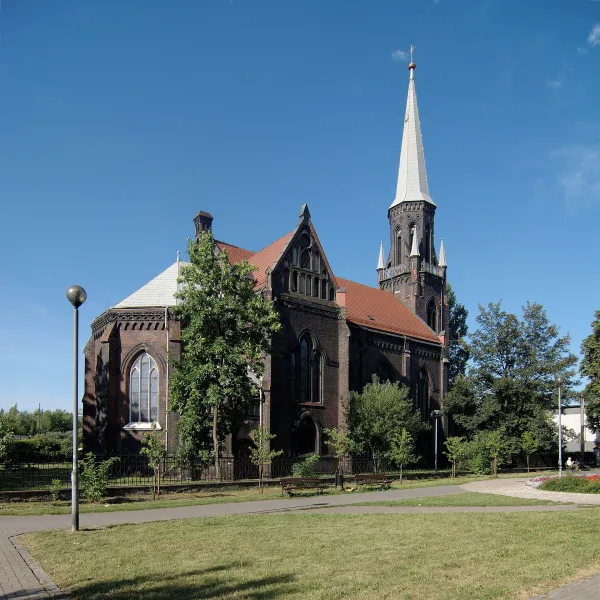
By Ks. Leopolda Raabego Square stands the Protestant church of St John the Baptist, brick and neo-Gothic, from 1900-1901, on land donated by Prince von Donnersmarck. In Chropaczów there is the church of Our Lady of the Rosary of 1911-1913, neo-Romanesque, which burned almost to the ground in 1975 and was rebuilt.
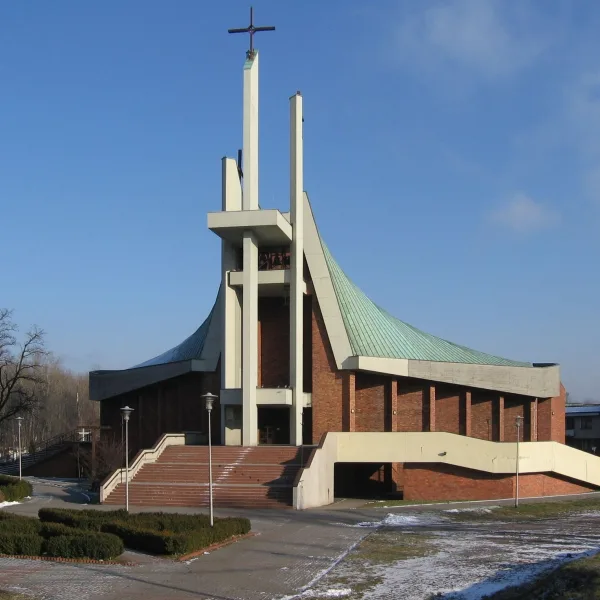
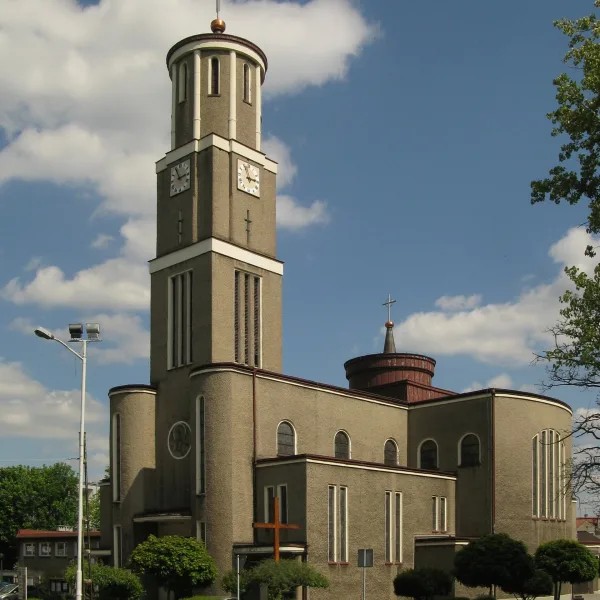
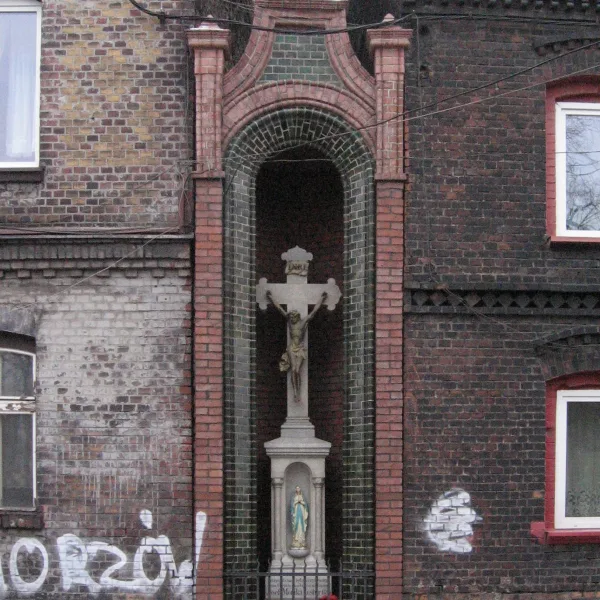
In Zgoda rises the church of St Joseph of 1931, successor to a church pulled down because of mining damage. In Piaśniki, the church of the Sacred Heart of Jesus, built of brick in 1982-1990, takes the shape of a many-sided tent. In Chropaczów, on Kościelna Street, you can also see a roadside shrine with the Cross of the Lord's Passion, founded in 1899.
Which monuments and cemeteries are there in Świętochłowice?
The monuments and burial grounds are linked to the Silesian uprisings and to parish history, and are best seen quietly and with respect.
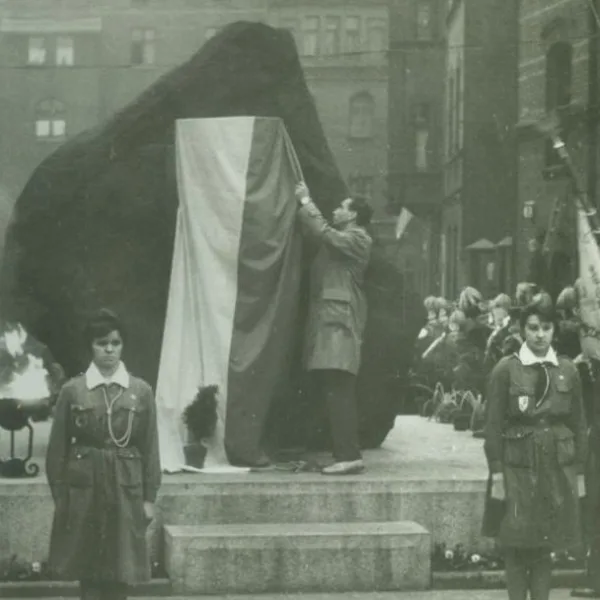
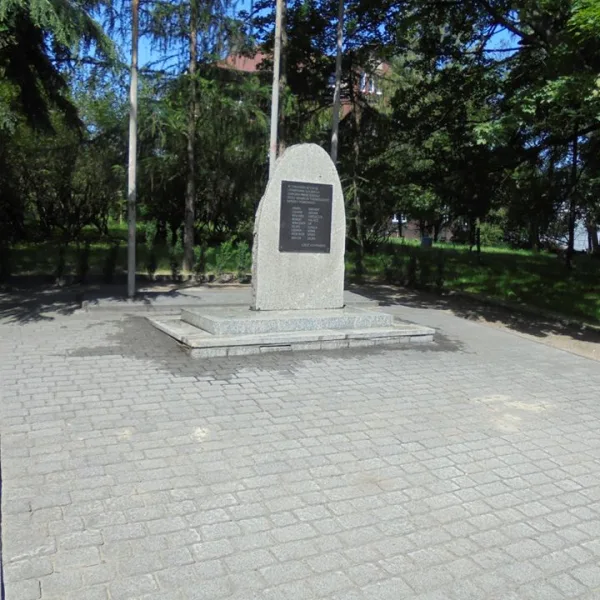
The Monument to the Silesian Insurgents stands in Piaśniki on Bytomska Street, in Heiloo Park. The original obelisk was unveiled in 1937 and the monument was rebuilt after the war. It commemorates nine participants of the first Silesian uprising shot in August 1919. Another monument, the boulder in Chropaczów on Łagiewnicka Street, was unveiled in 1960 on the spot of an earlier Silesian Insurgent monument. It is a glacial erratic, probably dug out while the Guidotto steelworks was being built.
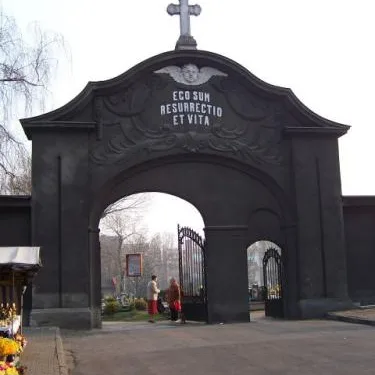
The Old Cemetery on Cmentarna Street belongs to the parish of Saints Peter and Paul and was consecrated on 16 September 1894. It has a neo-Baroque brick portal with a relief of an angel, a wrought-iron gate and a tall stone cross. Similar sites are gathered under cemeteries and monuments in Świętochłowice.
Zgoda camp - a place of remembrance
In the Zgoda district lies a place that calls for a different tone from the rest of the town. Zgoda camp operated in two periods. From 1943 to 1945 a German subcamp of KL Auschwitz, Eintrachthütte, stood here. From February to November 1945 the site held a labour camp subordinate to the Ministry of Public Security.
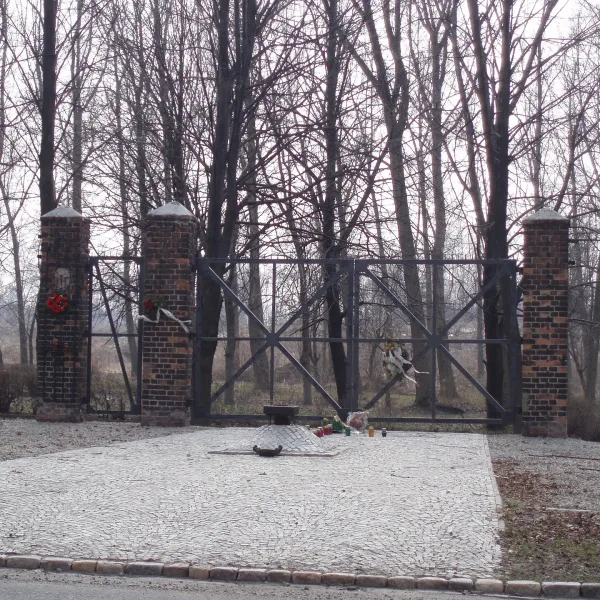
Today the place is commemorated by the surviving camp gate and by monuments and graves in the town. The camp's history in 1945 is told in the article on the Central Labour Camp in Świętochłowice-Zgoda.
Frequently asked questions
How can you spend a day in Świętochłowice?
The water tower, the former Donnersmarck directorate, the uprisings museum and the Polska mine towers are enough for the first half. The rest of the day fits Heiloo Park with its bunker, and Kalina Pond.
Where can you shelter from rain in Świętochłowice?
In the Museum of the Silesian Uprisings, housed in a neo-Gothic building of 1907. You can also see the small museum room inside Combat Bunker No. 39.
What is free in Świętochłowice?
Entry is free to Heiloo Park, Kalina Pond and the insurgent monuments. A fuller list is under free places in Świętochłowice.
What historic sites does Świętochłowice have?
Among others the water tower, the Polska mine shaft towers, the palace in Piaśniki and several historic churches. See monuments in Świętochłowice.
Are there events in Świętochłowice?
Yes, they are listed in the events calendar for Świętochłowice, with a day and category filter.

 Places of remembrance