Things to do in Pilica: a Renaissance-Baroque castle in bastioned fortifications, a Gothic church, a Franciscan monastery and nature reserves.
Pilica lies on the Kraków-Częstochowa Upland and is today a small town in the Zawiercie county with monuments reaching back to the Middle Ages. The castle, two churches, a monastery and two reserves make a compact plan for one day. The name also belongs to a river, but here we mean the town in the Silesian Voivodeship.
What should you see first in Pilica?
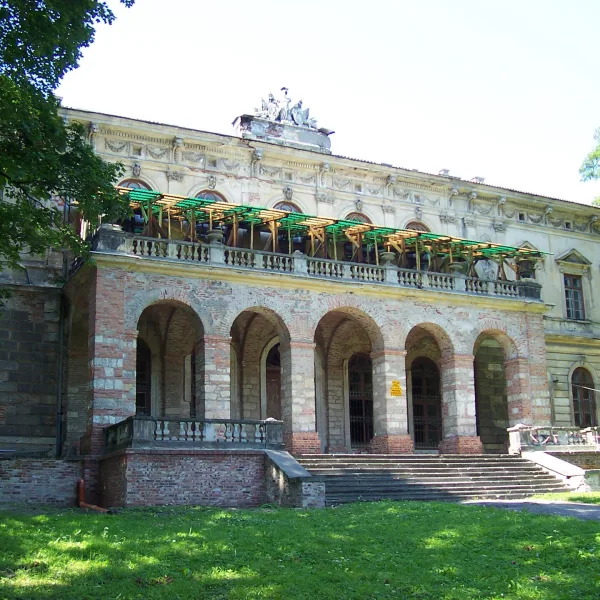
The castle in Pilica at Partyzantów 8 is a palace of the early seventeenth century, ringed by bastioned fortifications of the same century and listed as a monument. Its park has been declared a natural monument. The castle's history is bound up with the Padniewski, Zbaraski, Warszycki and Sobieski families. You can read about it in the article on six bastions, a dowry and a property dispute, and about the town's fate in the text on towns that lost their rights in 1870.
Which churches and monasteries are in Pilica?
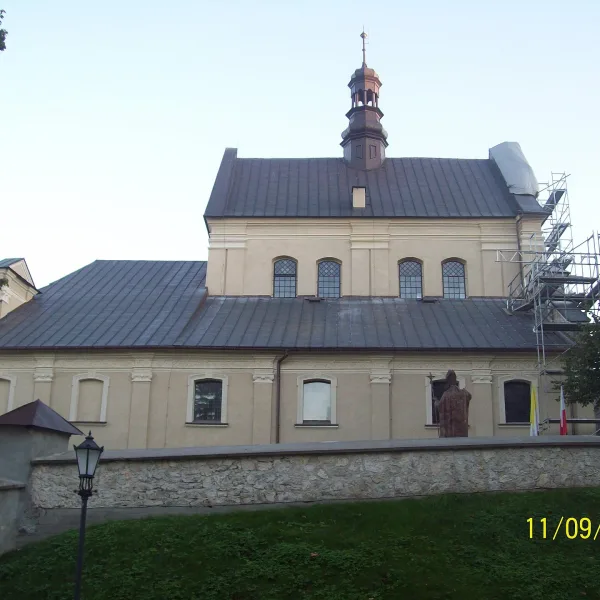
- The parish church of the two Saints John is a Gothic brick church of the fifteenth century, raised soon after the town was founded on its present site in the late fourteenth. It has the Padniewski chapel of 1601 and a tombstone of 1555.
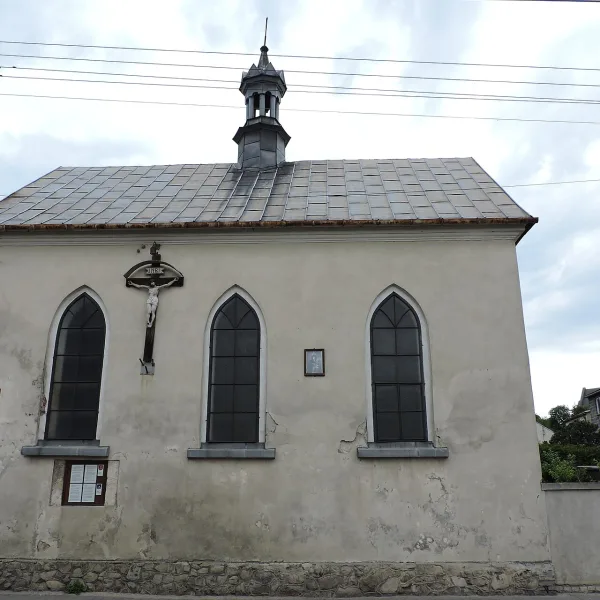
- The Church of St George at Krakowska 8 is a Baroque hospital church of 1630 founded by Prince Jerzy Zbaraski. It took its present form in a rebuilding after a fire in the second half of the nineteenth century.
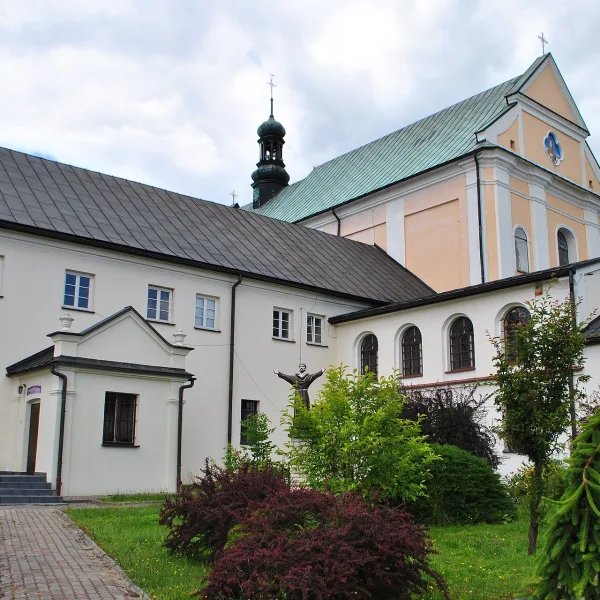
- The Franciscan monastery was founded in 1740 by Maria Józefa Sobieska and officially began operating in 1745. It is still tied to the cult of a copy of the icon of Our Lady of the Snows.
You will find them together on the page about churches and monasteries in Pilica.
Which nature reserves are near Pilica?
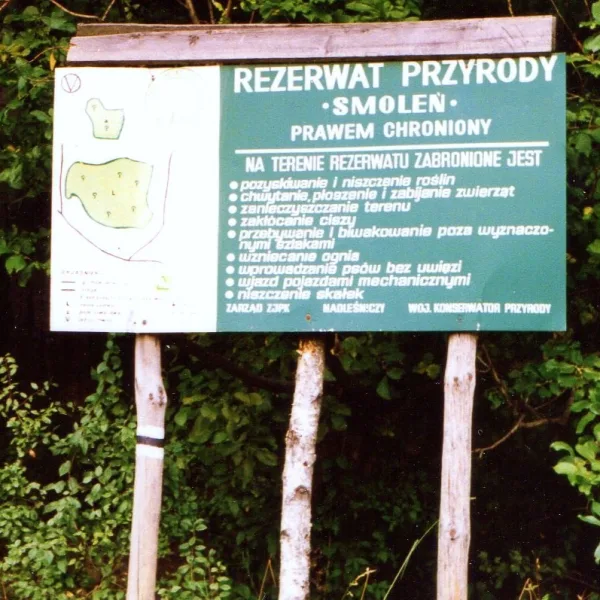
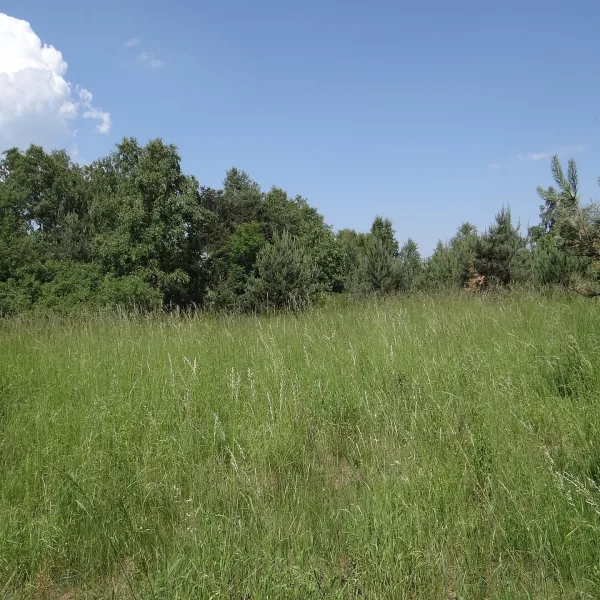
Ruskie Góry covers 153.65 hectares of forest on Ruska Góra (481 m), near the village of Złożeniec. It was created on 10 October 2000 and protects fertile Sudeten beech woods and mountain sycamore woods. The Smoleń Reserve is a strict reserve of 4.32 hectares on Góra Zamkowa, with limestone outcrops and a beech and hornbeam forest. Protection covers the rocky hillock, not the ruins of the medieval castle. Both lie in the Eagles' Nests Landscape Park.
What in Pilica recalls the former Jewish community?
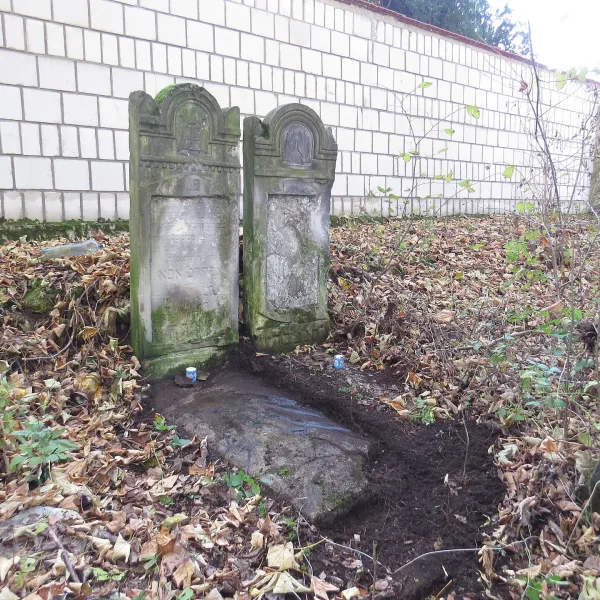
The Jewish cemetery, known as the kirkut, was founded in 1842 outside the town, towards the village of Kocikowa. Several hundred matzevot survive, and in 1942-1943 executions of the local Jewish population were carried out here. An older cemetery of the eighteenth century, on Klasztorna Street, was destroyed during the Second World War. It is a place for reflection where silence is expected.
Frequently asked questions
Does Pilica fit into a single day?
It does. Give the morning to the castle and the two churches, and keep the afternoon for a forest reserve.
What costs nothing in Pilica?
Walks in the reserves, a visit to the cemetery and a look at the church exteriors. See also free places in Pilica.
Where do the best old buildings stand?
Around the castle and in the middle of town; the page architecture in Pilica lists more.
Which route suits one person travelling alone?
From the castle past both churches to the monastery, as suggested under Pilica solo.

 Historic sites