Things to do in Czechowice-Dziedzice: a Rococo palace, brick churches and an indoor trampoline park that saves a rainy day with children.
The town lies right next to Bielsko-Biała and has a handful of distinctive places: an eighteenth-century residence with a park, churches from several eras and denominations, and an indoor play hall for rainy days. Most of the sights are sacred architecture, so it suits visitors who like looking at buildings and strolling without hurry, as well as families with children.
Which historic sights in Czechowice-Dziedzice should you see first?
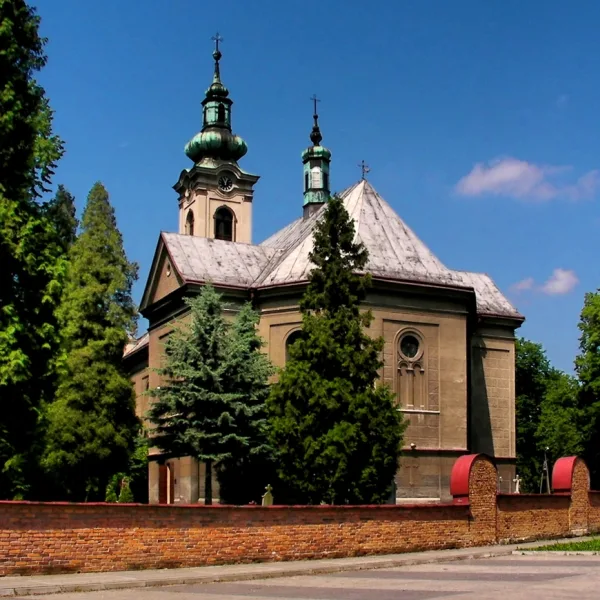
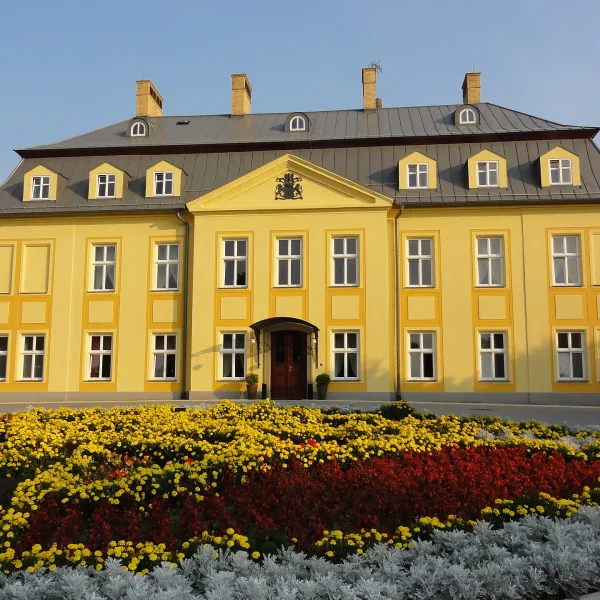
Start with the Kotuliński Palace at Zamkowa 2, a Rococo residence from the eighteenth century set in a park and entered in the register of monuments in 1960. Then walk on to the Church of St Catherine, a Baroque church from 1722-1729 at Kopernika 42.
The palace changed hands over the centuries, and in the twentieth century it served among other things as an agricultural school and a hotel. St Catherine's is a brick church financed mostly by Franciszek Karol Kotuliński, the owner of the local estates. Both places are linked by the same family, so it makes sense to see them on the same day.
Which churches in Czechowice-Dziedzice are worth visiting?
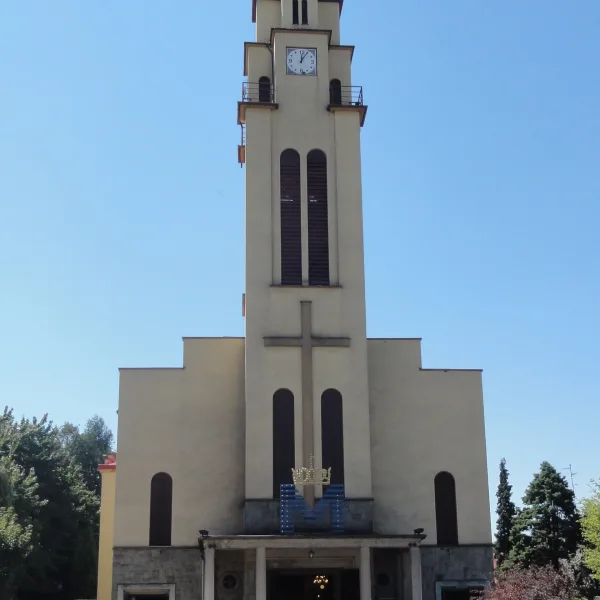
The churches and the chapel show how sacred architecture in the town changed from the Baroque to the 1990s.
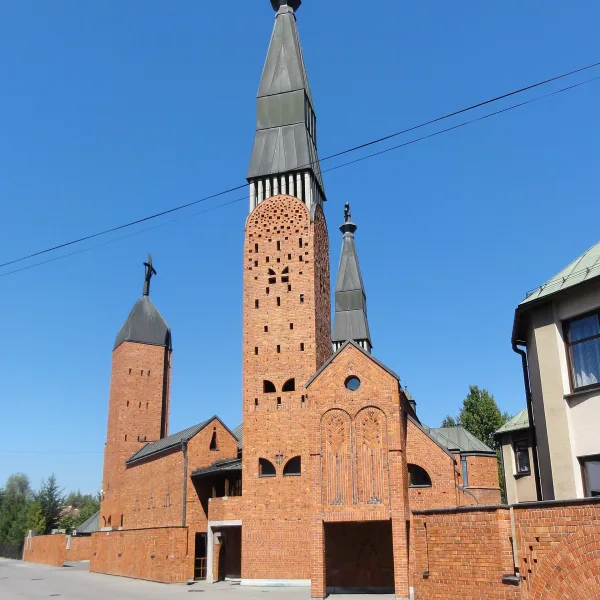
- The Church of Jesus Christ the Redeemer was built in 1995-1999 to a design by Stanisław Niemczyk. It has a triangular plan, three towers and brick walls laid in a strictly defined pattern, and it won the Grand Prix Architecture of the Year award in 1999.
- The Church of Our Lady, Queen of Poland is a functionalist brick building raised in 1938-1939, just before the war, and consecrated in 1970.
- The Church of Our Lady Help of Christians stands at Legionów 57 in the Dziedzice district. The brick church was built in 1882-1890 and extended between the wars; its organ dates from 1963.
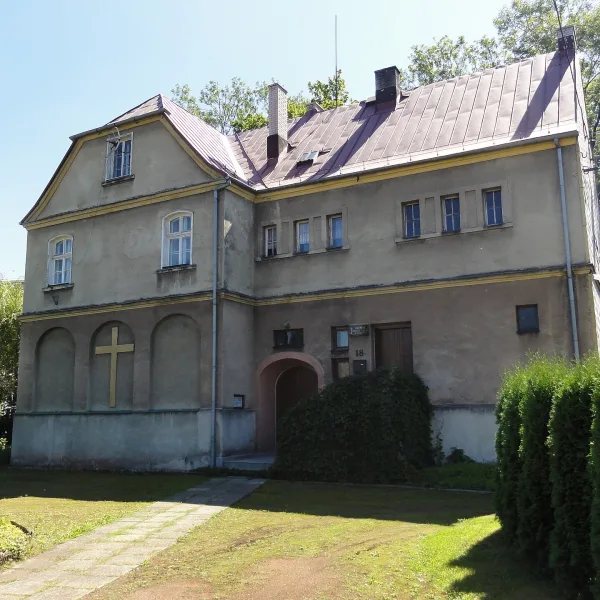
- The Lutheran chapel of the Evangelical Augsburg parish was consecrated on 17 December 1911. The congregation grew out of German-speaking workers who built the railway and industry.
More places of this kind are gathered on the page about churches and monasteries in Czechowice-Dziedzice, and buildings in general on the page about architecture in Czechowice-Dziedzice.
What can you do in Czechowice-Dziedzice with children or in the rain?
On a wet day the best choice is the Parabola Trampoline Park at Elizy Orzeszkowej 4, by the entrance to the town from the Bielsko-Biała side. It is an indoor hall of more than 1,500 m². Besides the trampoline arena there are jumping tracks, a pit with foam blocks and landing cushions, a climbing wall, parkour and ninja obstacle courses, multi-level slides and a soft play zone.
Where can you find traces of the former Jewish community in Czechowice-Dziedzice?
The Jewish cemetery was founded in the nineteenth century on Szkolna Street. It covers 0.41 hectares and about twenty-five gravestones survive. The funeral house was demolished in 1994. It is a place for reflection, and entry is free. Keep quiet and show respect for those buried there.
Frequently asked questions
What can you see in Czechowice-Dziedzice in one day?
The Kotuliński Palace and St Catherine's Church take half a day, and the rest goes on the modern Redeemer church and the church in the Dziedzice district. If you travel with children, you can finish the day at the trampoline park.
Is there anything for children in Czechowice-Dziedzice?
Yes. The Parabola Trampoline Park is an indoor activity hall, so it works whatever the weather. It has trampolines, obstacle courses, a climbing wall and slides.
Which churches in Czechowice-Dziedzice are the oldest?
The oldest is the Baroque Church of St Catherine from 1722-1729. The church in Dziedzice followed in 1882-1890, and the youngest is the Redeemer church from 1995-1999.
Where can you check what is on in the town?
Dates of concerts, performances and family events are in the calendar of events in Czechowice-Dziedzice. If you prefer to explore on your own, see the selection of places for a solo walk.