Things to do in Jaworzno: the Sosina reservoir, the turquoise quarries of Gródek park and GEOsfera with its dinosaur park. Nearly twenty places for a day out.
Jaworzno is a town on the eastern edge of the conurbation, where nature mixes with an industrial past. Former quarries and sand pits have been turned into parks, a reservoir and an education centre. The centre has a triangular square with a collegiate church, while the districts offer several churches and places tied to the town's history.
What should you see first in Jaworzno?
For most trips the best plan is a morning in the centre and then a drive to the water or to Gródek park. In Śródmieście you will find the market square, the collegiate church, the museum and the library, while the natural sites lie outside the tight centre and need transport.
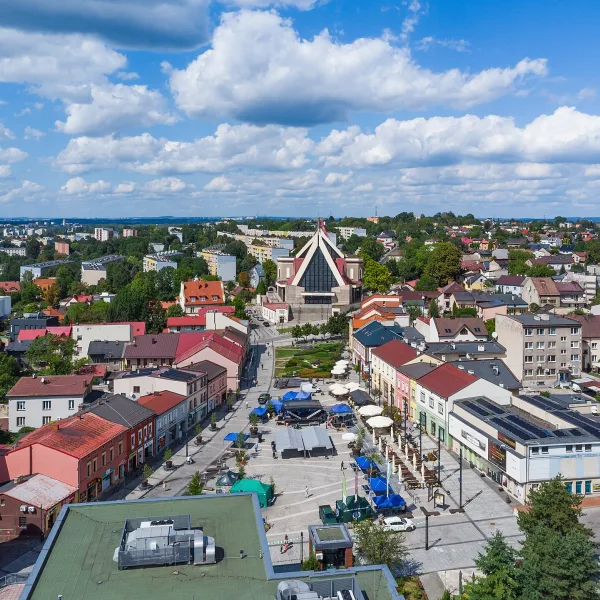
The Main Market Square has an unusual triangular shape that has been visible on town plans for centuries. It is bounded on one side by the collegiate church and on the other by the modern library building. Before the town received its charter in 1901 this was the village green. Works in 2012-2013 handed the square back to pedestrians.
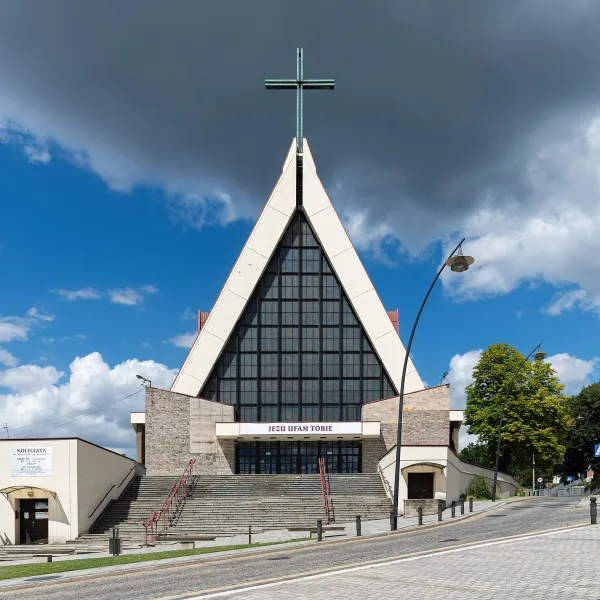
The Collegiate Church of St Adalbert and St Catherine stands on Plac Świętego Jana. The brick parish church was built in 1532 and rebuilt many times since, the last time in the 1990s. A large stained-glass window on the front wall sets it apart. Since 1997 it has been the seat of the Jaworzno Collegiate Chapter.
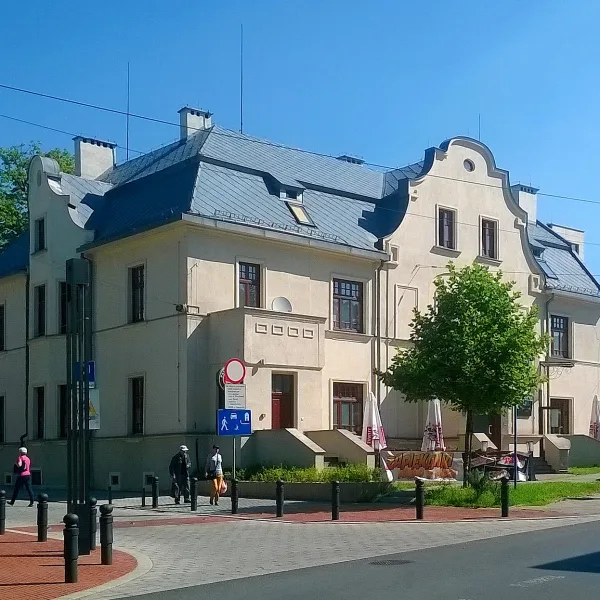
The Jaworzno City Museum at Pocztowa 5 has operated since 1972, and since 1986 it has occupied a former colliery building. Its exhibitions cover the town's history, mining, the culture of Jaworzno's Jews and the rural traditions of the area. It is a good choice for a wet day, as is the Municipal Public Library at Rynek Główny 17, which has had a new building since 2007 with a gallery, a café and cinema rooms.
Where can you walk, swim and enjoy nature in Jaworzno?
Jaworzno's most interesting green areas were created in former workings of dolomite, sand and limestone. Three of them matter most.
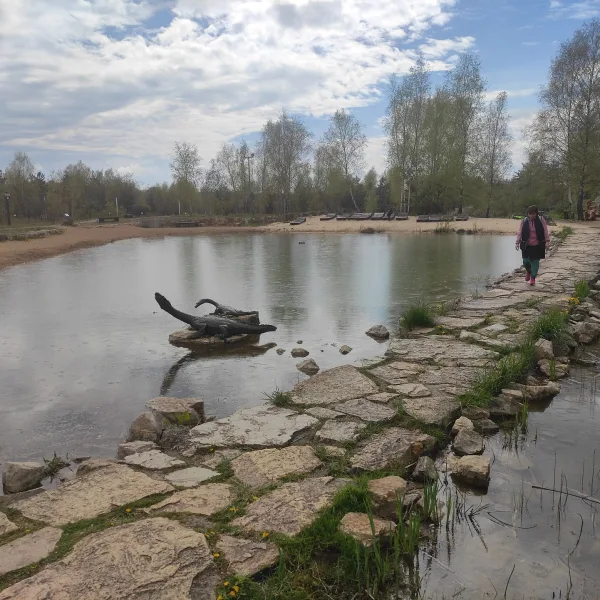
Gródek Arboretum Park is a municipal park in former dolomite workings, with flooded quarries of turquoise water, wooden piers and viewpoints on rocky cliffs. The pools are called Wydra and Orka. Despite its name it is not an arboretum in the strict scientific sense. The park occupies the pits left by the former Szczakowa cement works.
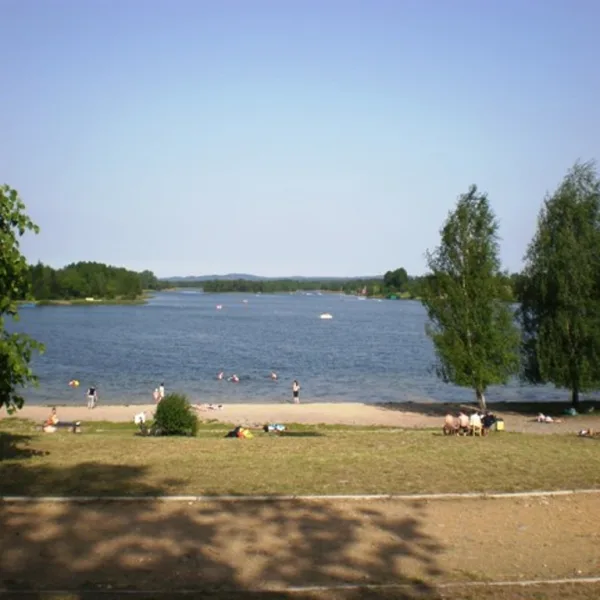
Sosina is a 50-hectare reservoir created in the 1960s in a pit left by sand mining. In its south-western part there is a lifeguarded bathing area with water-sports hire, and 30 hectares of woods and meadows surround the water. In the Biskupi Bór basin it is a natural goal for families and couples.
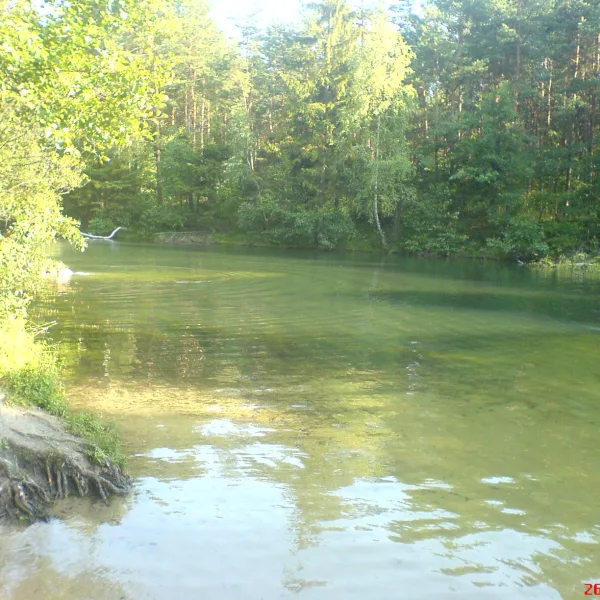
The Dolina Żabnika nature reserve in the Ciężkowice district covers 47.99 hectares and protects the valley of the Żabnik stream with its peat bogs and reed beds. It is a water reserve, protected since 1991 and made a partial nature reserve in 1996. Entry is free. For similar green enclaves across the conurbation, read the article on nature reserves and green enclaves in the GZM towns.
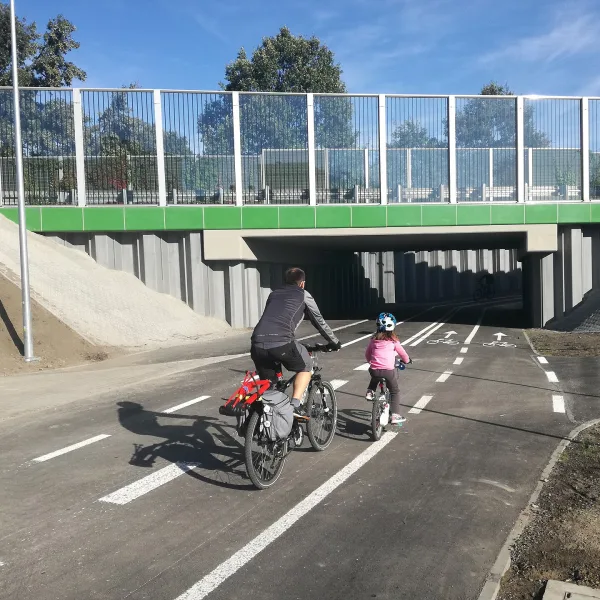
Cyclists can pick the Velostrada, a 3.4-kilometre cycle route said to be Poland's first built to the velostrada standard. It opened on 30 September 2018. The route starts at Puszkina Street in Osiedle Stałe and runs along the site of the former Jan Kanty mine and through Podłęże.
Where to take children, or hide from a shower?
With children, head for GEOsfera, an ecological and geological education centre set in the basin of the former Sadowa Góra quarry of Triassic limestone. Across about 8 hectares you will find a geological trail, a dinosaur park with life-size models, a sensory garden, a graduation tower and a playground. Entry is free.
For a rainy day the museum and the library in the centre work best, along with other indoor places. If you prefer industrial history, read the article on Szczakowa and the town of power stations, and for gardens and arboretums of the region, the piece on botanical gardens and arboretums of Silesia.
Which churches and monuments in Jaworzno are worth seeing?
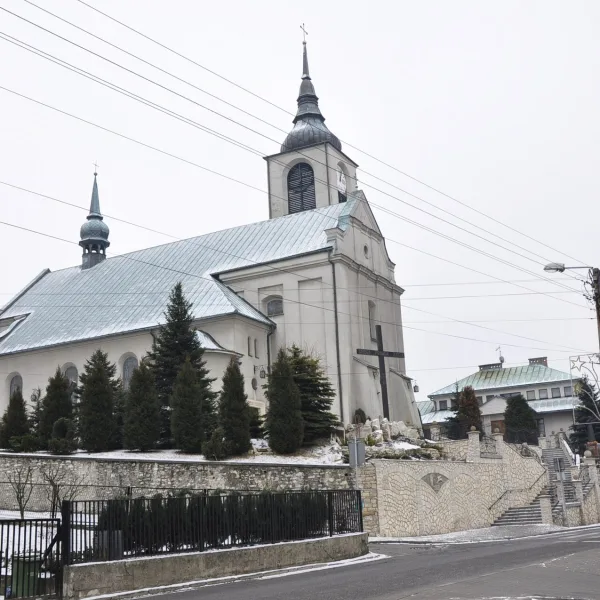
Besides the collegiate church, Jaworzno has several district churches, each with its own history. All are listed under churches and monasteries in Jaworzno.
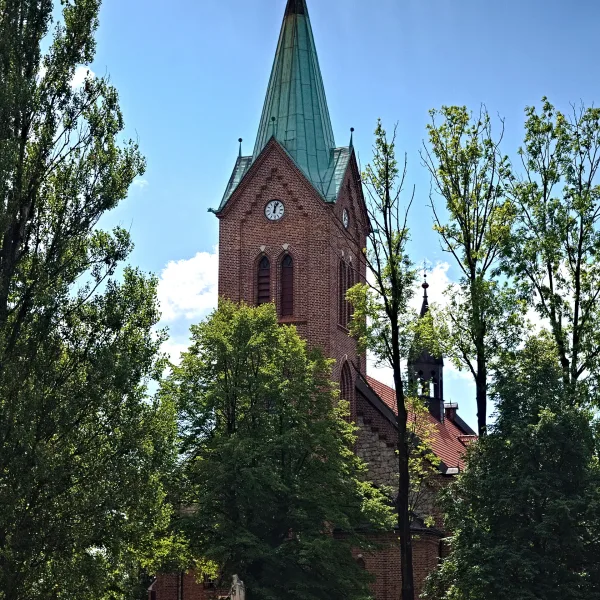
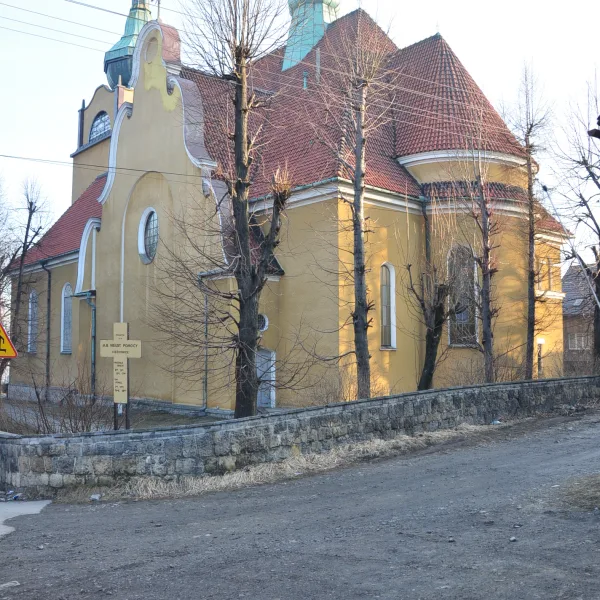
In Szczakowa stands the neo-Gothic church of St Elizabeth of Hungary of 1898-1903, built of local limestone and brick and listed as a monument. In Jeleń the neo-Baroque Church of the Holy Cross, from the 1930s, was built around a brick chapel of 1691. In Pieczyska the church of St Brother Albert occupies a Swiss-style villa of 1909, the former home of a cement works director.
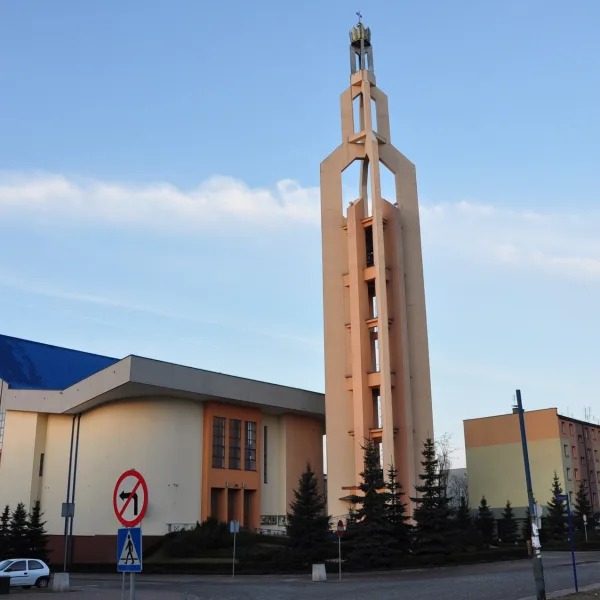
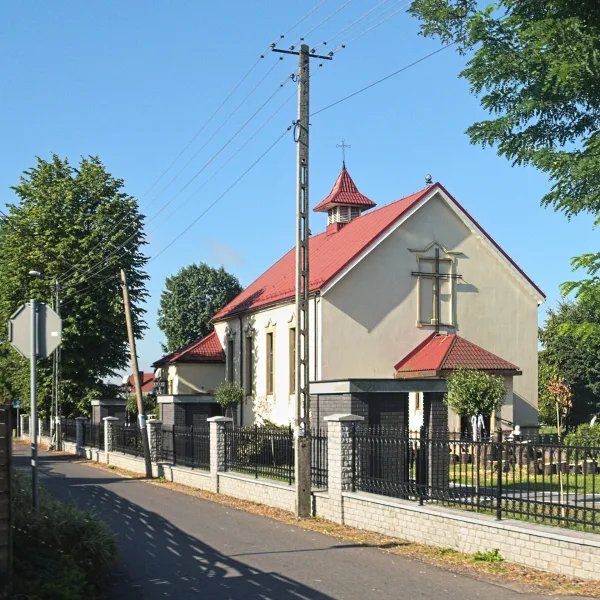
Osiedle Stałe has the shrine of Our Lady of Perpetual Help, built in 1983-1997, with an image crowned by Pope John Paul II in 1999. In Byczyna there is the brick church of the Sacred Heart of Jesus of 1930-1938, designed by Józef Gałęzowski. They are joined by the church in Dąbrowa Narodowa of 1931-1932 and the church in Ciężkowice, consecrated in 1946.
Anyone interested in engineering will like the railway bridge over the Biała Przemsza at Maczki: stone, with six spans, 70 metres long, opened in 1848. It stands on the border between Jaworzno and Sosnowiec and was once a border bridge on the Warsaw-Vienna Railway.
Which places of remembrance are there in Jaworzno?
Two places in Jaworzno call for quiet and seriousness.
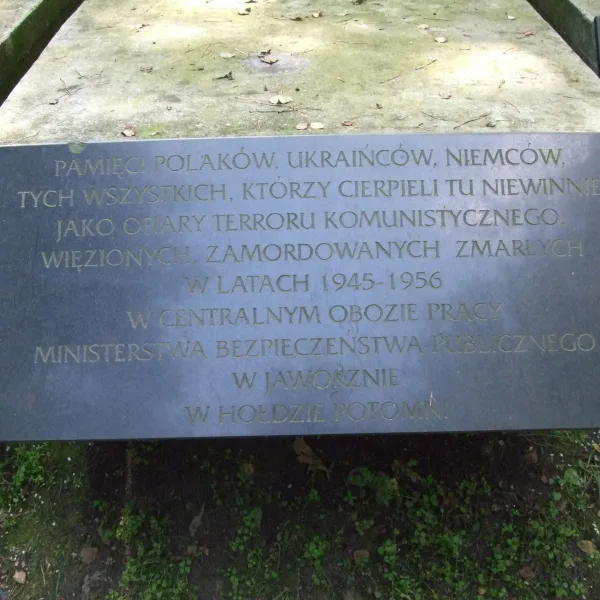
The Monument to the Prisoners of the Camp, from 1998, stands in a forest between the Stałe and Podłęże estates, on the burial site of victims, south of the former camp grounds. In June 1943 the Germans set up the Neu-Dachs subcamp of KL Auschwitz here. After the war, until 1956, the Central Labour Camp operated on the site, as told in the article on the camp in Jaworzno.
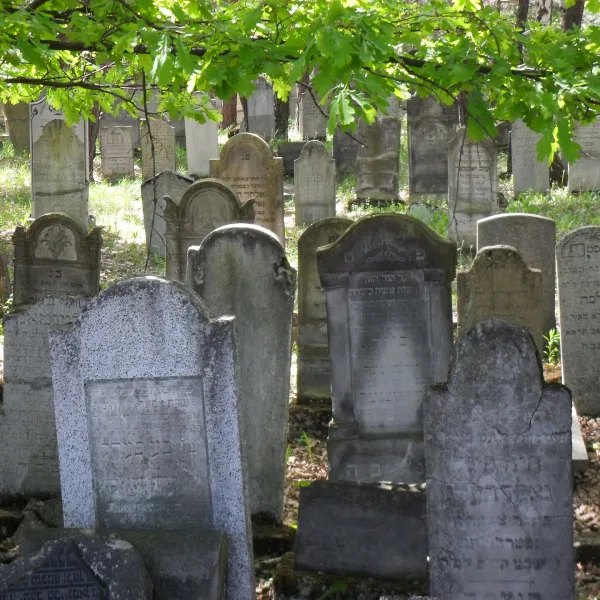
The Jewish cemetery lies on Aleja Piłsudskiego in Podłęże. It dates from the later 1800s, the oldest known gravestone dates from 1884, and Jaworzno's Jews were buried here until 1942. The burial ground covers 0.25 hectares and survives in part, with a plaque commemorating the residents.
Frequently asked questions
Is one day enough for Jaworzno?
The market square, the collegiate church and the museum in the morning, then GEOsfera or Gródek park and the Sosina reservoir in the afternoon. The natural sites need transport.
Where can you swim in Jaworzno?
At Sosina, where the south-western part has a lifeguarded bathing area with water-sports hire.
Is GEOsfera paid?
Entry to GEOsfera is free. The centre has a geological trail, a dinosaur park, a graduation tower and a playground.
What can you do in Jaworzno when it rains?
Go into the Jaworzno City Museum or the library on the Main Market Square, which has a gallery, a café and cinema rooms.
Where can you check events in Jaworzno?
In the events calendar for Jaworzno, with a filter by day and category.

 Parks and nature