Things to do in Kłobuck: a medieval market square, the monastery church complex, Haugwitz Palace and the old-oak reserve Dębowa Góra.
Kłobuck is a town with an urban layout reaching back to the Middle Ages. The square, church and palace lie close together, so in a few hours you can see the main traces of the town's history and then rest in a forest.
What to see in the centre of Kłobuck
Begin with the market square and the adjoining Church of St Martin and St Margaret at 3 Maja 52. This is the oldest part of town, and the church is its main monument.
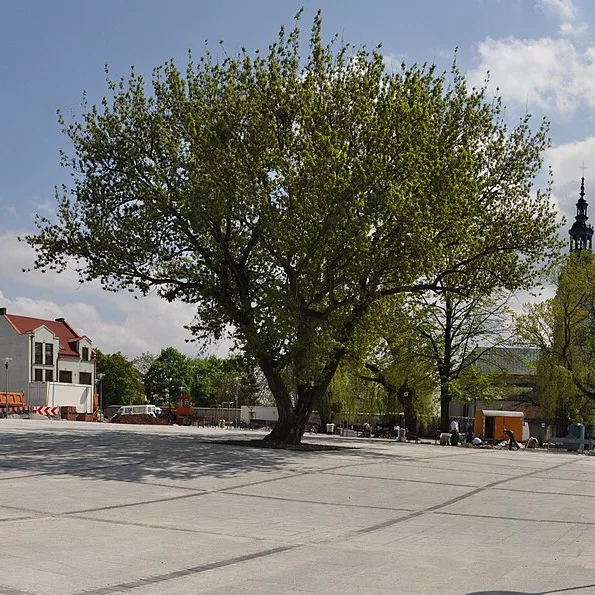
The square arose in the 14th century beside the church and for centuries was a place of trade: weekly markets and three fairs a year were held here. Timber buildings burned in 1457, 1469 and 1689, and after 1826 building in wood was banned. After the rebuilding of 2009-2010 the square has a stone surface laid as an amphitheatre, a monument to Długosz and a well. The church is Gothic with Baroque elements, and its exact building date is unknown because parish documents were lost. A rector is firmly recorded in 1287. Today it is the main part of a monastery complex and a Marian shrine. The history of the place is told in an article, Kłobuck: the Pauline starosty, the monastery of 1476 and the story up to the liquidation of the ghetto, and the loss of town rights in Pilica, Mstów, Kłobuck: towns stripped of their rights in 1870.
What is the palace in Kłobuck?
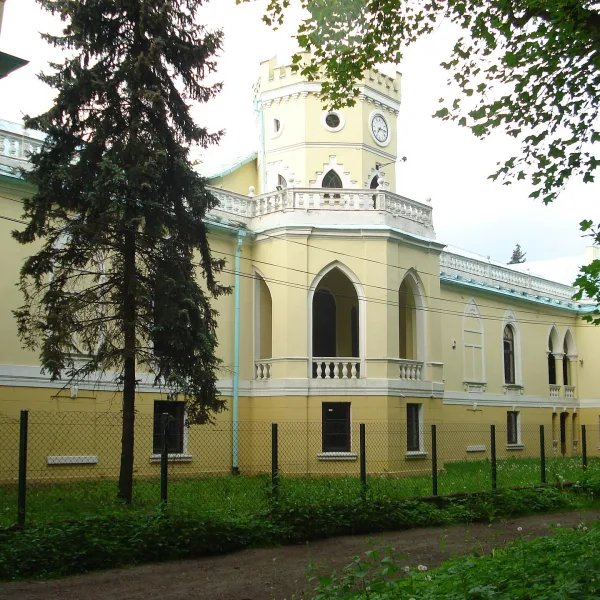
The palace stands in the Stare Zagórze district at Zamkowa 8. It was built in 1795-1800 for the Prussian minister Christian von Haugwitz. It is a brick single-storey building listed on the monument register together with the surrounding park.
The palace was the seat of the owners of the Zagórze estate until the early 20th century. After Haugwitz the estate belonged among others to Benedykt Lemański and Guido Henckel von Donnersmarck.
Where to go for a walk in Kłobuck
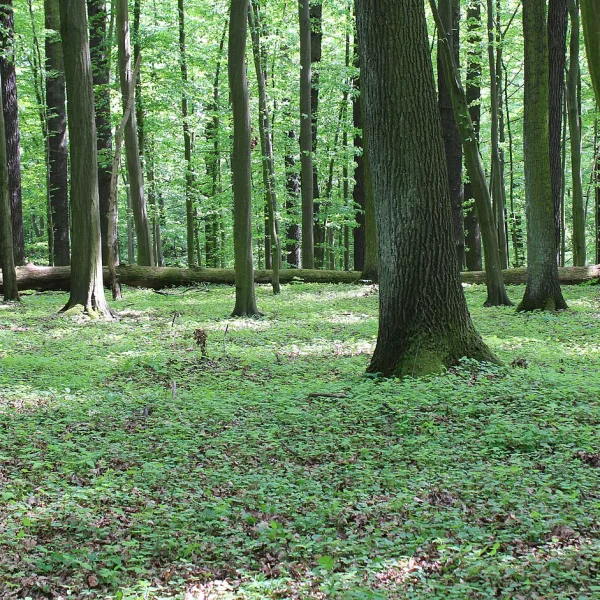
To the Dębowa Góra Nature Reserve, about two kilometres south of the centre. The reserve was created in 1953, covers more than five hectares and protects a remnant of oak and hornbeam forest with pedunculate oaks aged from one hundred and forty to two hundred years.
In the undergrowth grow snowdrops, spurge laurel, ivy and lily of the valley. Entry is free. Other places in the town are collected on things to do in Kłobuck.
What remains of the former Jewish community in Kłobuck?
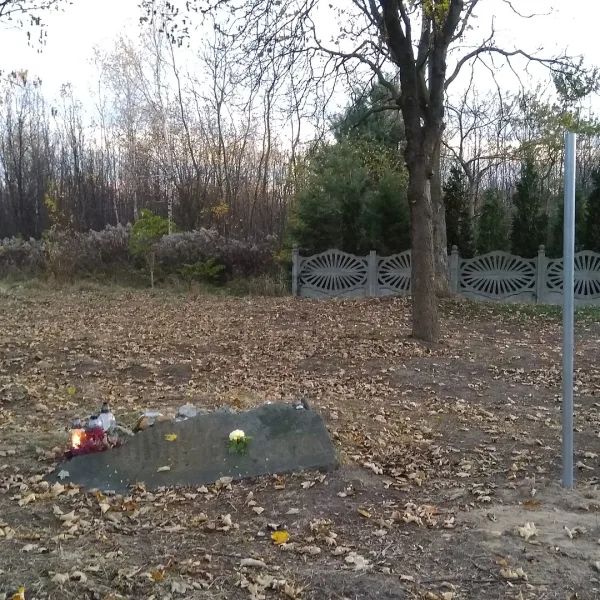
The Jewish cemetery lies in the eastern part of town on Sadowa Street, established in the first half of the 19th century. It covers 0.76 hectares and is not fenced.
During the Second World War the Germans devastated it completely, and one gravestone survives today. In 2018 the site was tidied, and a metal post was placed beside the gravestone to help locate it. A signpost stands on Sadowa Street.
Frequently asked questions
Where does the square in Kłobuck come from?
It arose in the 14th century beside the Church of St Martin and St Margaret as a trading place. Today it has a stone surface in the form of an amphitheatre.
What can I see in Kłobuck in one day?
The square, the church, the palace in Stare Zagórze and the Dębowa Góra reserve. All fit into one trip.
Where is the Jewish cemetery in Kłobuck?
In the eastern part of town on Sadowa Street. One gravestone survives on it.
Do I pay to enter the Dębowa Góra reserve?
No, entry is free. The reserve lies about two kilometres south of the centre.

 Churches and monasteries