
In the spring and summer of 1870, successive decisions came into force in the governorates of the Kingdom of Poland that changed the status of hundreds of places overnight. The ukase to the Governing Senate of 1 (13) June 1869 covered, according to the list, 336 towns that lost their town rights in 1870. Among them were three that lie today in the Silesian Voivodeship: Pilica, Mstów and Kłobuck. Their fates after this decision, however, turned out quite differently.
One ukase, several decisions
The ukase of June 1869 did not name the towns in a single list. The lists of places to be demoted were issued in successive decisions, from the end of October 1869 to the middle of November 1870, separately for each governorate. According to the compilation, they came into force on five dates, between January 1870 and February 1871.
Our three places fell under two different decisions. Pilica lay in the Kielce Governorate and was on the list of 7 (19) November 1869, covering 34 towns. Mstów and Kłobuck belonged to the Piotrków Governorate and appear on the list of 23 January (4 February) 1870, with 23 towns. This shows that it was not a separate punishment for three particular small towns, but part of a broader administrative reform.
Sources characterise it differently. The description of Mstów speaks of repression after the January Uprising and mentions that the town's inhabitants fought in the unit of Captain Zygmunt Chmieleński. The description of Pilica speaks of the loss of town rights several years after the January Uprising. The list of places deprived of town rights calls the operation an urban reform in the Kingdom of Poland. In practice the change also affected places unconnected with the fighting, so not every town on this list can be linked to punishment for taking part in the uprising.
Within the borders of today's Silesian Voivodeship the same list records 21 places, among them Czeladź, Siewierz, Olsztyn, Żarki, Koziegłowy, Krzepice, Sławków, Szczekociny, Ogrodzieniec and Lelów. The text on Pilica, Mstów and Kłobuck is thus a slice of a larger picture.
Pilica: it came back after more than a hundred and twenty years
Pilica probably received town rights in 1393, and the list of places deprived of town rights gives more generally a date before 1394. The entry on the town states that it lost its rights on 1 January 1870 on the basis of the ukase of 1 June 1869. It regained them only in 1994, that is after more than 120 years.
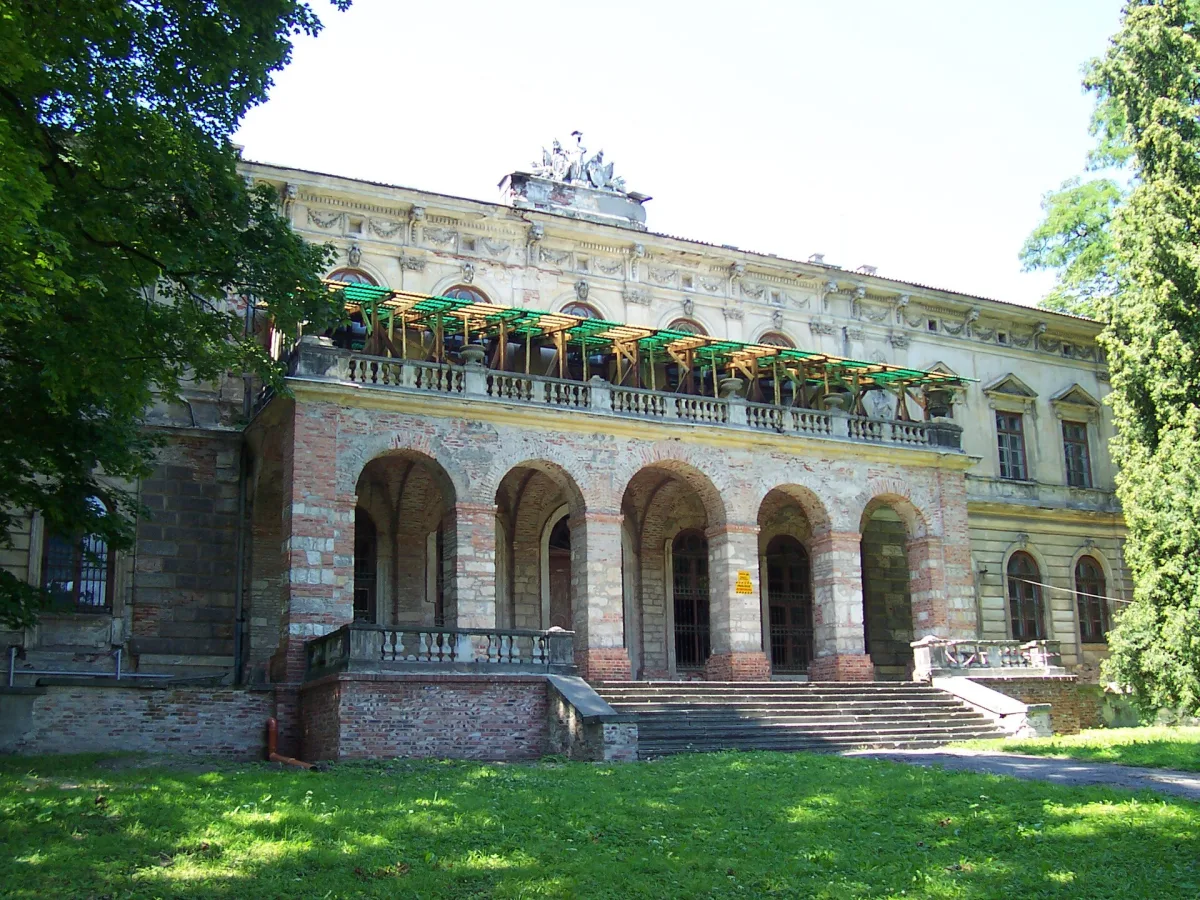
The former rank of Pilica is recalled by Pilica Castle, a palace in a six-bastion fortress of the 17th century, associated with the Padniewski, Zbarski, Warszycki and Sobieski families. According to the description on its page, the residence began to be built just before 1605, long before the loss of town rights.
Mstów: the town that did not return
Mstów had the status of a town from 1279 to 1870. The founding of the town under Środa law was permitted by Bolesław the Chaste, and sources give two possible dates: 10 June 1279 and the year 1278. Until the 16th century the place was the largest town of the region, surpassing Częstochowa in importance, but its role weakened, among other things after the trade route shifted and after the destruction of the Swedish Deluge in 1655.
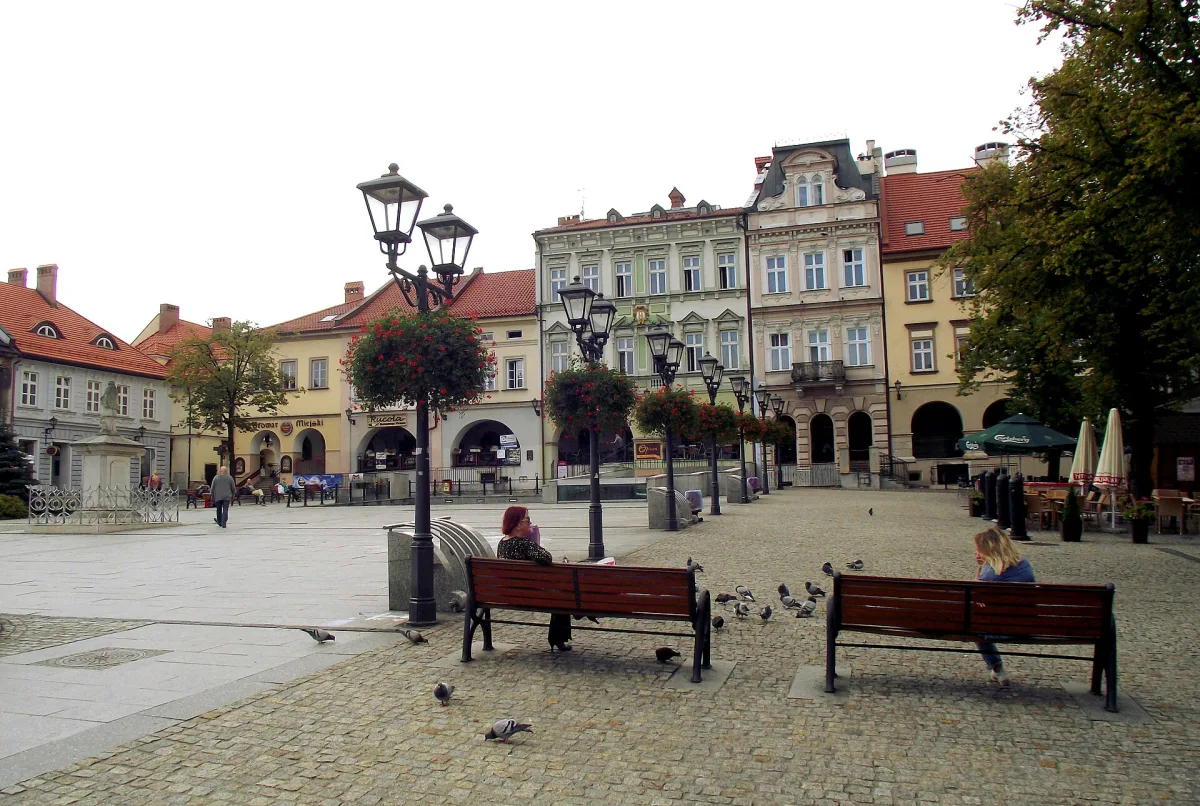
In 1870 the tsarist authorities abolished its town rights and incorporated the place into Wancerzów municipality. Unlike the other two places, Mstów did not regain its status as a town: today it is a village, the seat of a municipality. The layout of the former town can be seen around the Market Square in Mstów, also called Adam Mickiewicz Square, of a roughly trapezoidal shape.
Kłobuck: half a century as an agricultural settlement
Kłobuck is known from a record of 1257 in the form Globsek. From 1870 to 1917 it was deprived of town rights and became a place of agricultural character. As late as 1862 it had 254 houses and 2,192 inhabitants, and according to the Geographical Dictionary of the Kingdom of Poland in 1883 it had 306 houses and 2,647 inhabitants, a parish church, a primary school and a municipal court.
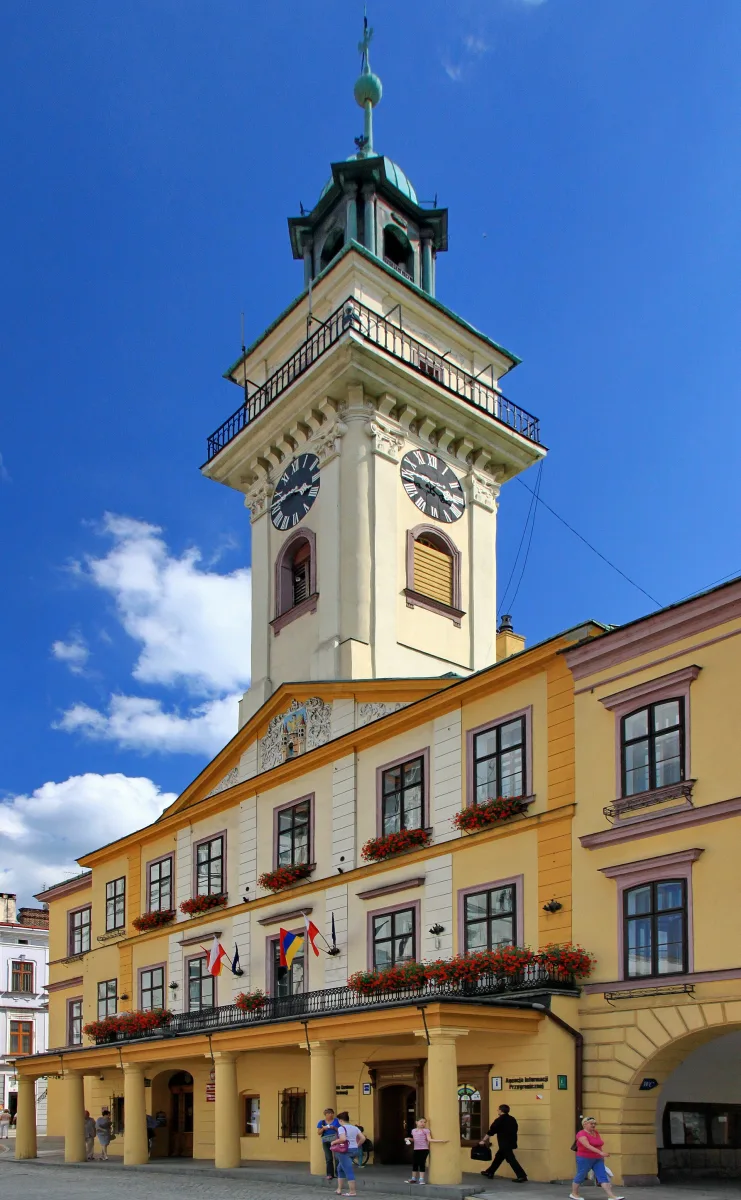
The sources differ on the date of its return. Some give 1917, while the list of places deprived of town rights gives 1919. Both versions fall within the war and the first years of independence, but they cannot be reconciled without going to documents from those years. The regained town was in a lamentable state. A remnant of its former market function is the Market Square in Kłobuck, which according to its description was created in the 14th century next to the church of St Martin and St Margaret.
Three places, three answers
The comparison is simple. Pilica lost its rights for more than 120 years, Kłobuck for several decades, and Mstów permanently. The return of town status took place in conditions different from those of the demotion itself: in 1917-1919 in the case of Kłobuck and in 1994 in the case of Pilica. The market square in Mstów, the castle in Pilica and the market square in Kłobuck thus stand in places that for a long time were formally not towns.
Be the first! Add a comment.
You need to log in to add a comment.
Log in