Things to do in Bystra: Szyndzielnia and Klimczok with their PTTK huts, plus Fałatówka, the home and museum of the painter Julian Fałat.
Bystra lies right next to Bielsko-Biała, at the foot of the Silesian Beskids. Trails lead from here to two of the most popular summits in this part of the mountains, and the village itself holds the villa of a famous painter, so a trip combines hiking with some culture.
Which peaks can you climb from Bystra?
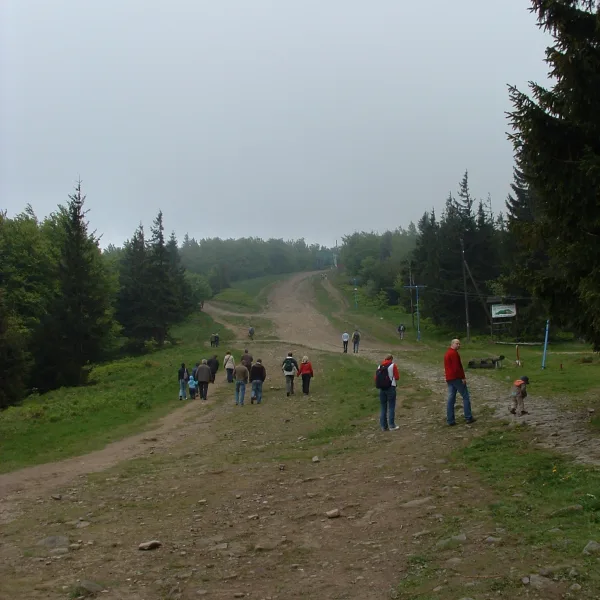
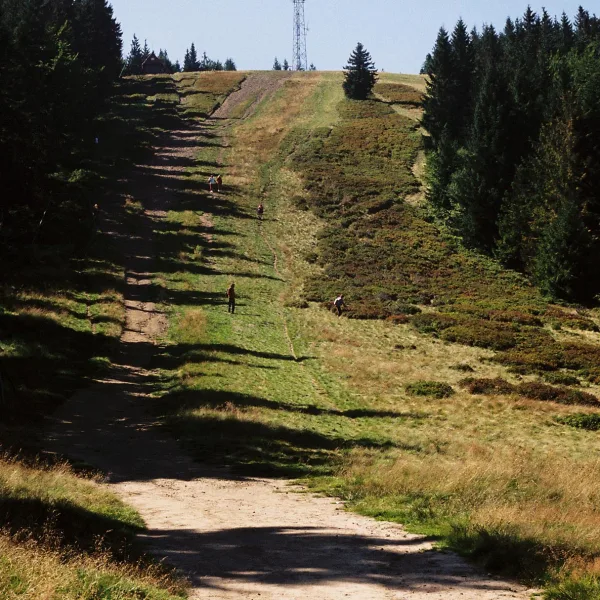
First Szyndzielnia, then Klimczok. Both belong to one range and a trail links them, so going up the first and along the ridge to the second makes a classic day-long route.
Szyndzielnia stands at about 1,028 metres, with a hut, an alpinarium and a viewing tower below the summit; a gondola lift also runs up from Bielsko-Biała. The ridge carries the boundary between Bielsko-Biała and the village of Bystra. Klimczok reaches 1,117 metres, and the city limit with Szczyrk runs over its top. It is a junction of ridges and many trails, and its name comes from a bandit who operated on the Żywiec and Silesian borderland. Both peaks appear under mountains in Bystra.
Which hut to choose: Szyndzielnia or Klimczok?
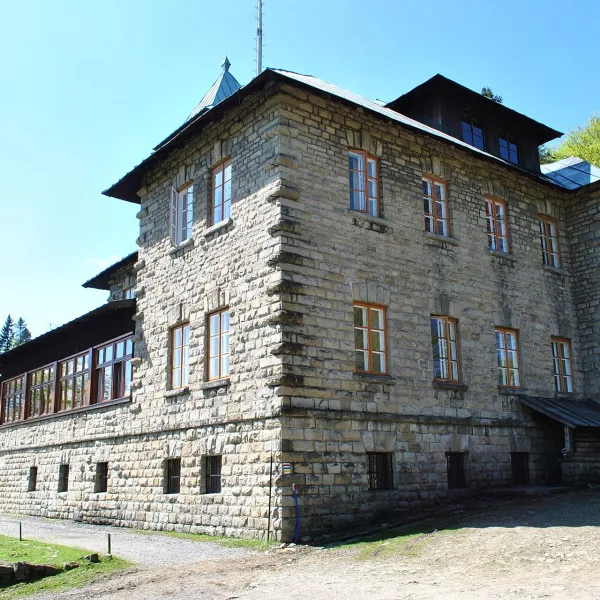
Both serve as mountain shelters but differ in character. On Szyndzielnia stands a building with a small tower from 1897, open all year at an altitude of a thousand metres, with views of the Żywiec Basin, Babia Góra, Pilsko and, in clear weather, even the Tatras.
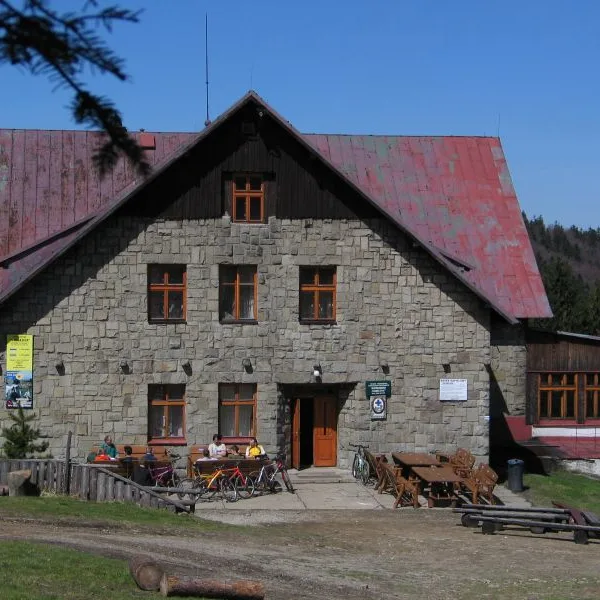
The Klimczok hut stands higher, at 1,052 metres, between Magura and the Siodło pass. Today's brick building dates from 1914 and has changed little. It lies 700 metres from the summit of Klimczok. It is the more secluded place, better for those who prefer quiet to the crowds at the gondola station. No ticket limits entry to either peak. A handy list of outings for two is in places for couples in Bystra.
What in Bystra is devoted to Julian Fałat?
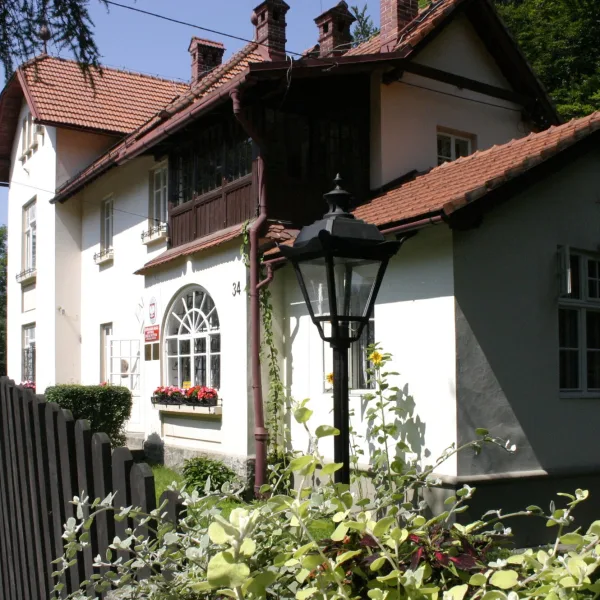
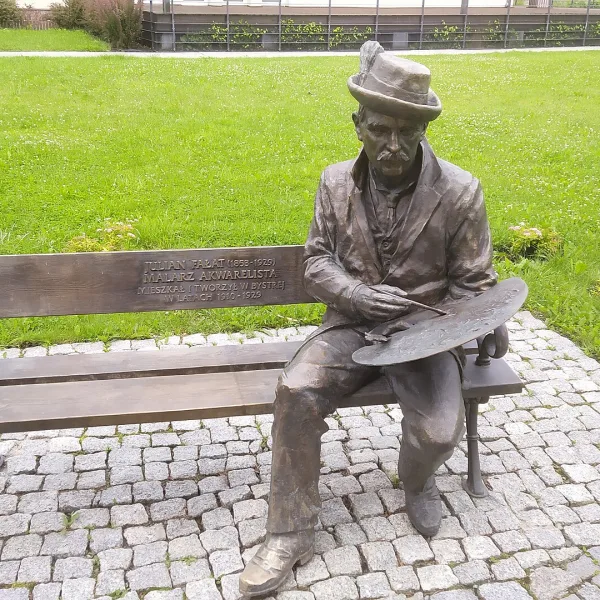
Two places: the villa at Juliana Fałata 34 and the bench with his figure in front of the Promyk community centre. The painter lived in Bystra in 1909-1929.
Fałatówka is a biographical and art museum, a branch of the Historical Museum in Bielsko-Biała. It shows hunting scenes, watercolours, archives and souvenirs from his travels. Fałat bought the house in 1909 and two years later built a larch studio next to it, which burned down in 1935. It makes a good rainy-day choice. The life-size bronze bench was made by Sławomir Micek and unveiled in September 2017; the painter sits on it in a hat with a palette and brush. You can sit beside him and take a photo. For planning, see free places in Bystra.
Frequently asked questions
How do I walk from Bystra to Szyndzielnia and Klimczok?
Trails lead into the Klimczok and Szyndzielnia range. The two peaks stand side by side, so they combine easily into one trip. Check the exact route on a trail map.
Can I stay overnight in the mountains here?
Yes, the huts on Szyndzielnia and Klimczok receive visitors. The Szyndzielnia hut works all year, and the Klimczok building is a brick house from the early 20th century.
Where is the Julian Fałat museum?
In the villa at Juliana Fałata 34 in Bystra. It is a branch of the Historical Museum in Bielsko-Biała, and the painter lived there for nearly twenty years.
Is anything in Bystra free?
Yes. Climbing Szyndzielnia and Klimczok and seeing the Fałat bench need no ticket.

 Mountains