Things to do in Zabrze: the Guido and Queen Louise mines, a water tower, museums, a philharmonic hall and churches, over fifty places in all.
Zabrze is a mining city in the western part of the Upper Silesian conurbation, where underground routes, shafts and engine houses are the main reason to visit. Beside them it is worth finding the botanical garden, the theatre and philharmonic hall, and a good dozen churches from different periods.
What should you see first in Zabrze?
Begin with the Guido Historic Coal Mine or the Queen Louise Adit, the two most important places in the city. Then add the water tower with its viewing platform and the Coal Mining Museum. That combination fills most of a day.
Zabrze falls into a few clear clusters. Along ulica Wolności, near the Carnall shaft, lies the Queen Louise complex: the adit, a bathhouse, a shaft and a vehicle museum. On ulica 3 Maja stand the seat of the Coal Mining Museum and the Guido mine. The centre has a theatre, a philharmonic hall and several churches, and the districts hold the remaining churches, Lake Anaszacht and the Maciej shaft complex. The underground routes are described in the article Guido i Królowa Luiza: podziemne trasy Muzeum Górnictwa Węglowego.
Which historic mines in Zabrze are worth visiting?
Mining is the main theme of a visit to Zabrze. Two underground routes, Guido and Queen Louise, belong to the Coal Mining Museum, while the former Concordia mine survives as a complex around one of its shafts. The Guido and Queen Louise mines, together with the adit, have been recognised as a Monument of History.
Guido and Queen Louise
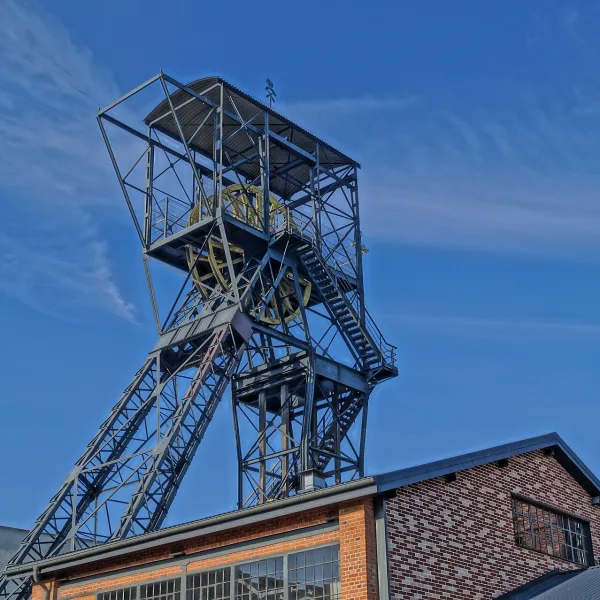
The Guido mine at ulica 3 Maja 93 is a former hard coal mine founded by Count Guido Henckel von Donnersmarck. Visitor routes go underground to levels 170 and 320 metres deep. Since 2020 the mine has been part of the Monument of History named "Zabrze - the complex of historic hard coal mines". More of the story is in the article Kopalnie w nowych rolach.
The Queen Louise Adit at ulica Wolności 410 covers almost five kilometres of disused workings of the former mine, as well as the Main Kluczowa Hereditary Adit. Underground, visitors travel by boat. The complex has three locations, one of which is the brick chain bathhouse of 1890.
The Carnall shaft and the Main Kluczowa Hereditary Adit
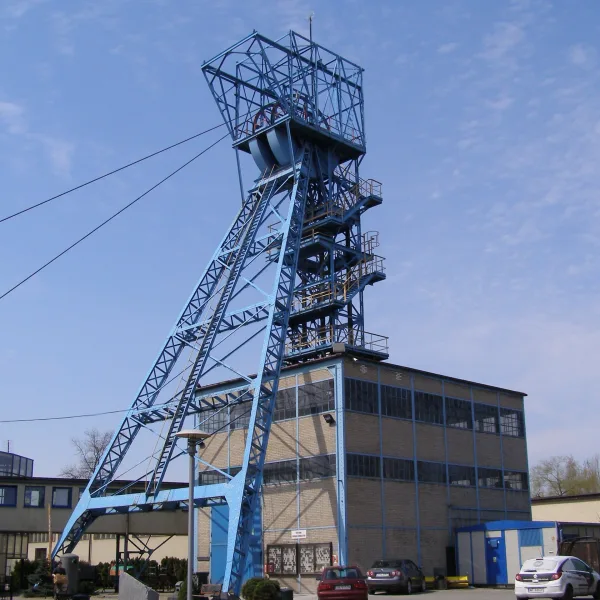
The Carnall shaft was sunk in the mid-nineteenth century as a drainage shaft for the Queen Louise mine. Today it has a 31.5-metre tower with a viewing point, and visitors descend from here to the adit. The Main Kluczowa Hereditary Adit is an underground canal 14.25 km long, built from 1799; it linked Zabrze with Królewska Huta, today's Chorzów. Only sections of it are open in Zabrze.
Concordia and the Maciej shaft
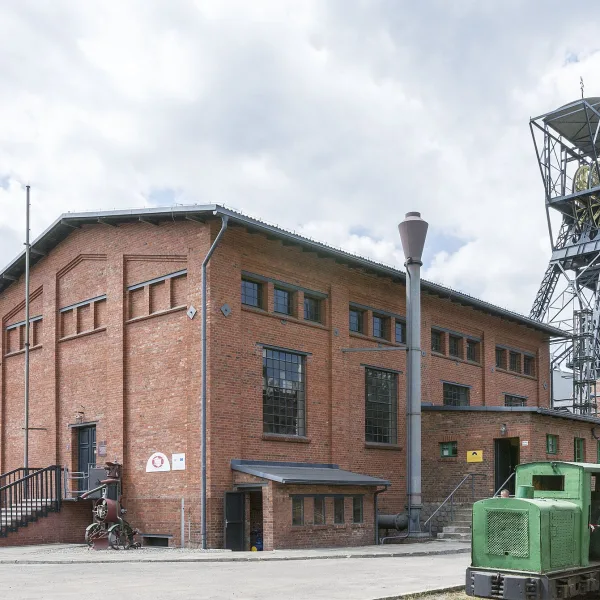
The Concordia mine on ulica Hagera, founded in 1841 or 1843, was closed in the 1990s. The complex over the Maciej shaft survived and is regarded as a monument. Its description ties in with the Maciej shaft complex in Maciejów at ulica Srebrna 6, where you will find a headframe building with a winding tower, an engine house with a winding engine by Siemens-Schuckertwerke, and a spoil heap. The complex lies on the regional Route of Industrial Monuments. A full list of industrial sites is under industrial monuments in Zabrze.
Which museums in Zabrze are worth seeing?
The museums of Zabrze tell of mining, the army and motoring. Some work beside former mines, and the exhibition about coal is housed in a water tower. All of them give shelter from the rain.
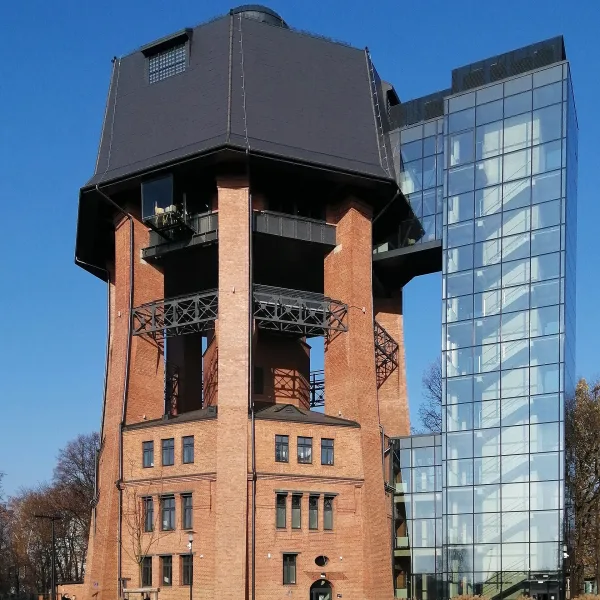
The Coal Mining Museum has its seat in a Neo-Renaissance building of 1874-1875 at ulica 3 Maja 19, built as an administrative office. The institution also looks after Guido, Queen Louise and the tower. The water tower at ulica Zamoyskiego 2 was built in 1907-1909, is about 46 metres tall and has an Expressionist form. Inside is the CARBONEUM exhibition about coal, and at the top a viewing platform. Other towers of this kind are covered in Wieże ciśnień Śląska.
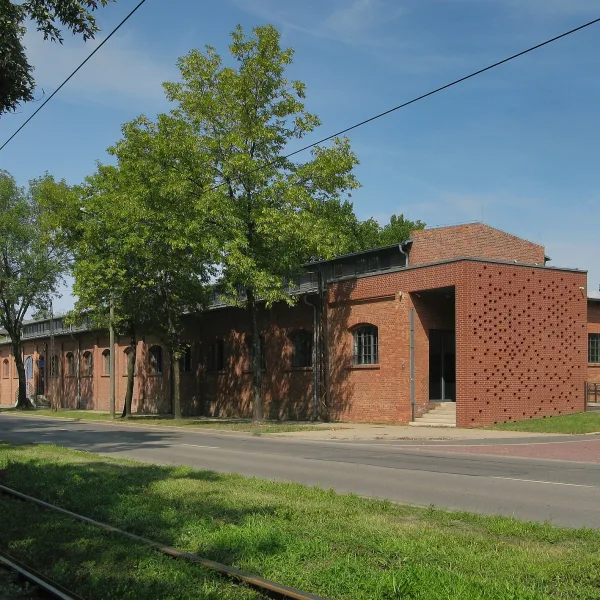
Vehicle enthusiasts have two addresses. The Museum of Vintage Vehicles occupies a former compressor house on the Queen Louise open-air mining site, so it is easy to combine with the adit. The Military Technology Museum at ulica Mochnackiego 12 shows tanks, armoured vehicles and lorries from the era of the Polish People's Army and the Second World War; the collection grew out of the Grupa Śląsk association, and it has worked as a museum since 2011. The vintage vehicle museum is run by the Silesian Automobile Club, and some exhibits are deposits, so the cars on display change. More institutions are listed under museums in Zabrze.
Where in Zabrze can you go to the theatre or a concert?
Zabrze has three main music and theatre addresses, each in a building with a history. You will find dates in the calendar of events in Zabrze.
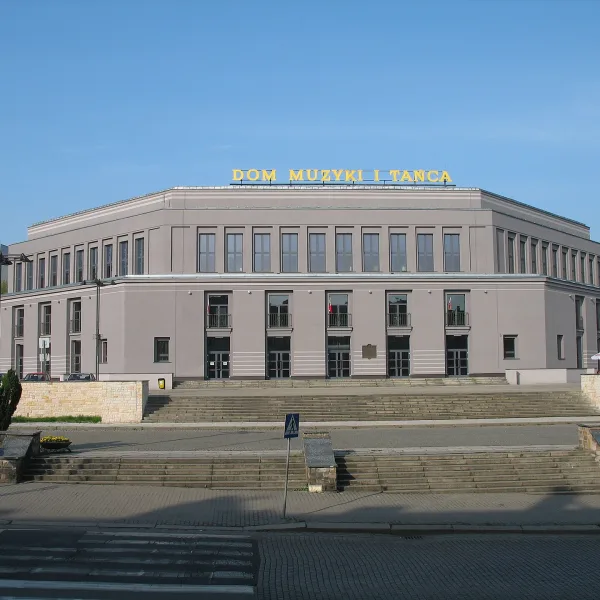
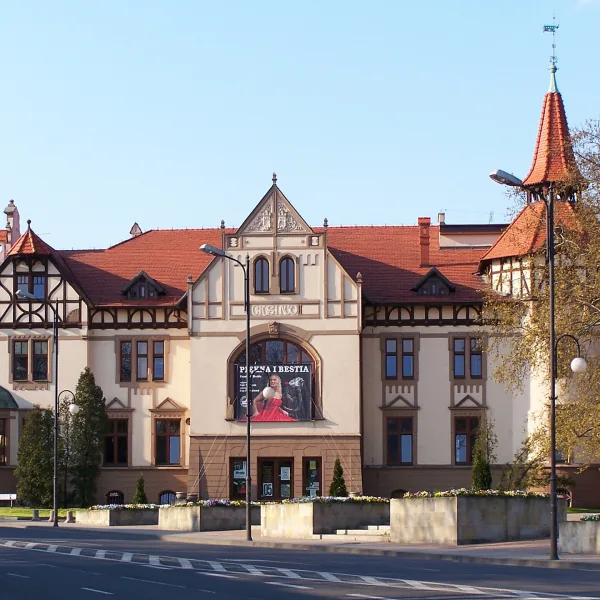
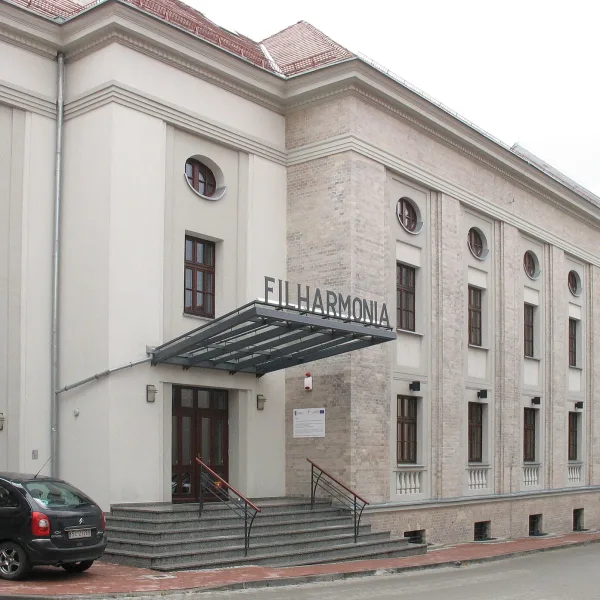
The House of Music and Dance at ulica de Gaulle'a 17 is a modernist building opened in 1959, designed by Zygmunt Majerski and Julian Duchowicz. Its auditorium holds almost two thousand people, and the hall has good acoustics. The Nowy Theatre occupies the brick, eclectic building of the former Donnersmarck steelworks casino at Plac Teatralny 1 and has worked there since 1959. The Zabrze Philharmonic, founded in 1950, has been housed since 2010 at Park Hutniczy 7, in a building of 1911 that was the Donnersmarck library. On ulica Wolności also look at the modernist Admiralspalast hotel at number 305, with its rounded corner; it has a ballroom and a roof garden.
Which churches in Zabrze are worth seeing?
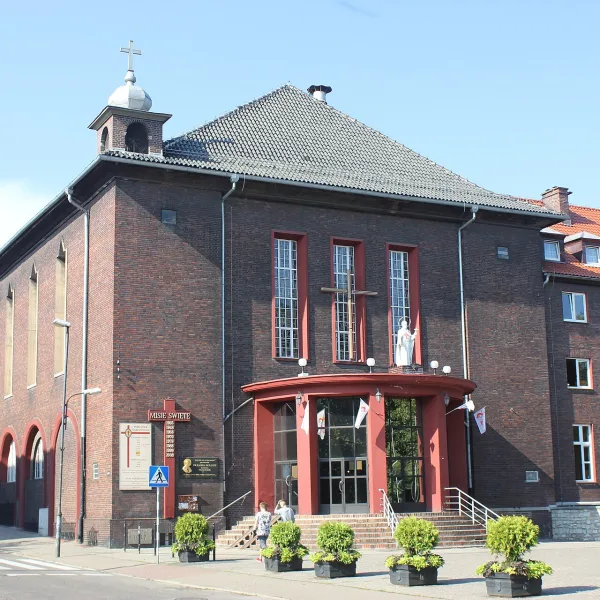
Zabrze has more than twenty churches, and some are real architectural monuments. It is best to choose a few by period: Neo-Gothic, timber, modernist or Lutheran.
Neo-Gothic and Neo-Romanesque
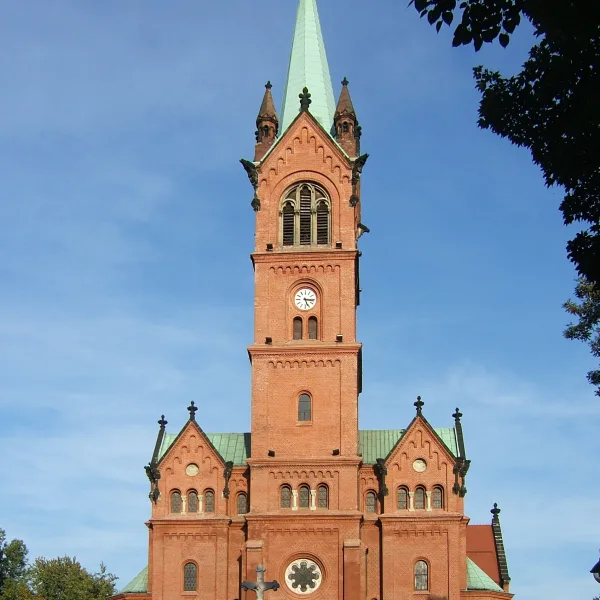
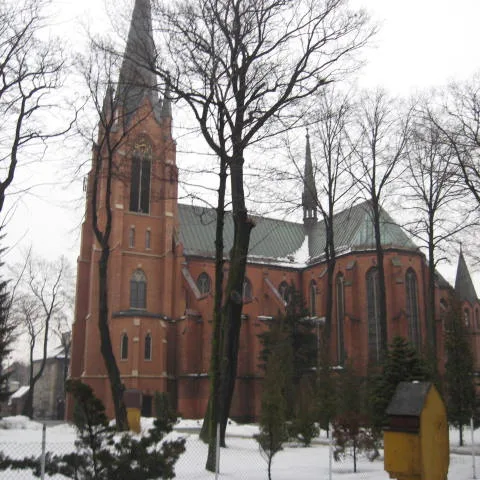
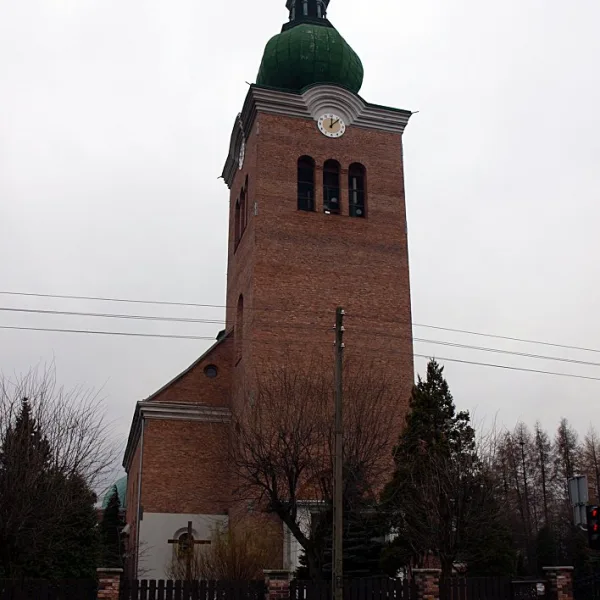
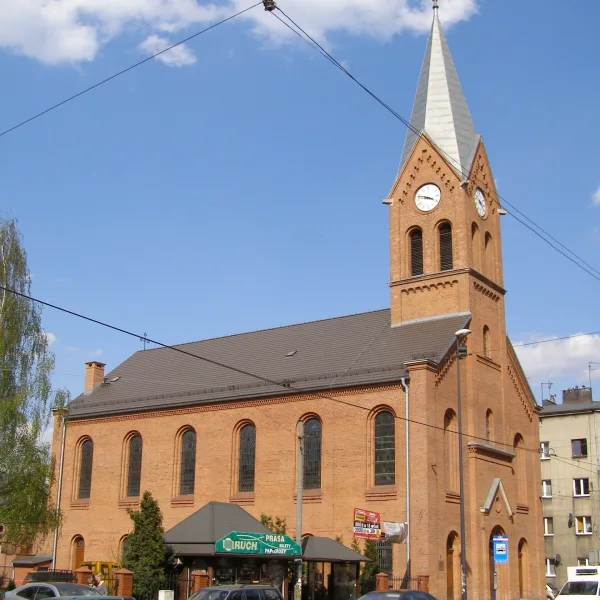
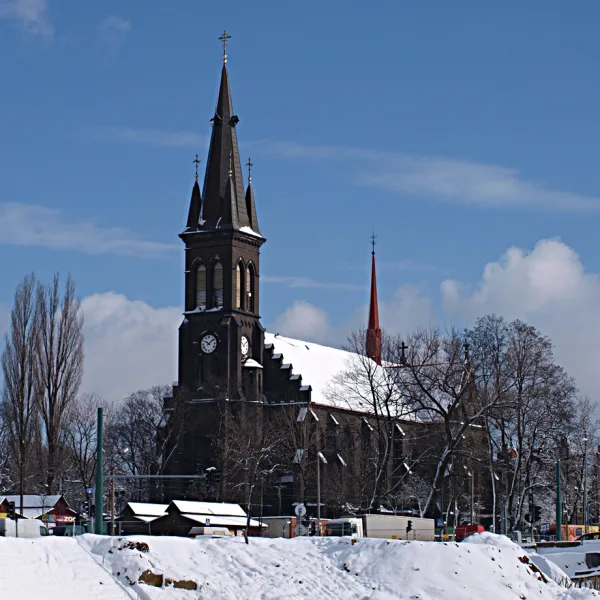
The oldest sacred building in the city is the Church of St John the Baptist in Biskupice, Neo-Gothic, of 1853-1857, endowed by the Ballestrem family, whose crypt lies under the floor. The Church of St Francis on ulica Wolności stands out for its two towers, 67 metres tall. The Neo-Romanesque Church of St Andrew the Apostle, built of sandstone and consecrated in 1868, has a clock tower, and the Church of St Anne, of clinker brick from 1897-1900, stands in the former village of Dorota. In Mikulczyce you will see the Neo-Gothic Church of St Lawrence of 1892-1894.
Timber and modernism
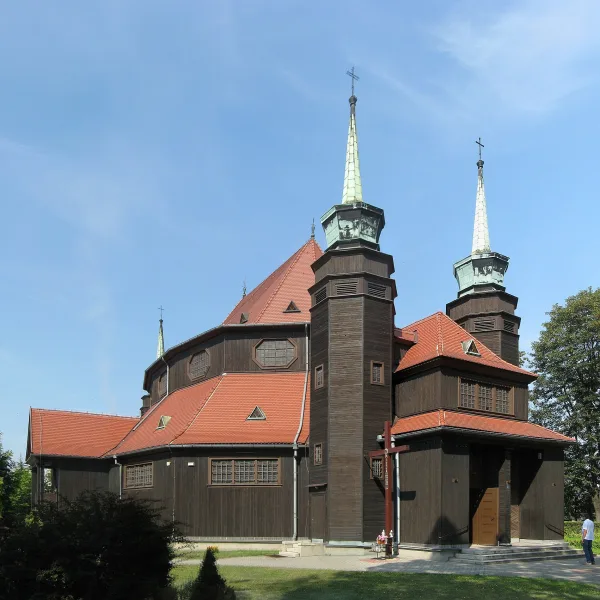
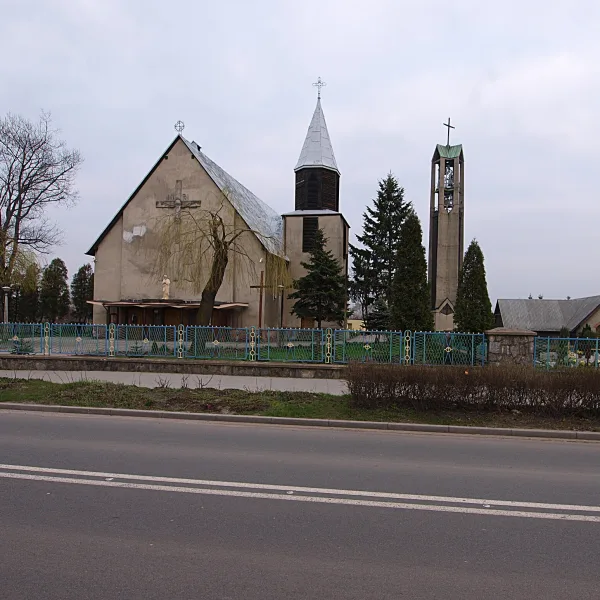
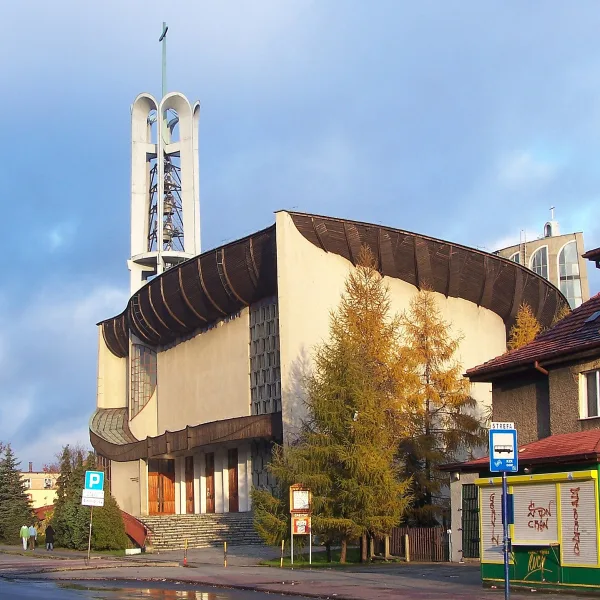
The Church of St Hedwig at ulica Wolności 504 is a timber church of 1928-1929 on an oval twelve-sided plan with four towers, on the Wooden Architecture Trail. Timber was chosen because of mining damage. Modernist are the Church of St Joseph of 1930-1931, designed by Dominikus Böhm, and the Church of St Thérèse of 1932-1933. Böhm also designed the interior of the Church of St Camillus, set up in an adapted theatre hall.
Lutheran churches and district churches
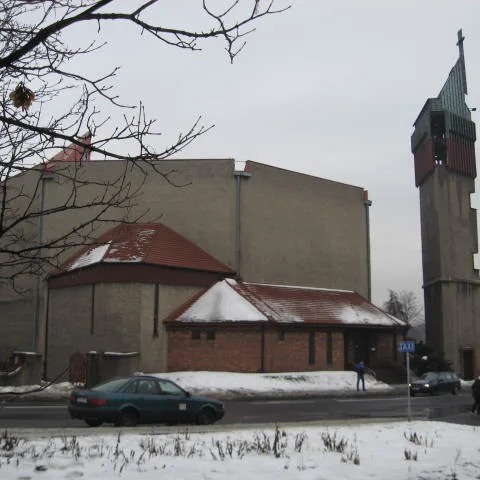
The Neo-Romanesque Church of Peace of 1874 belongs to a Lutheran parish, and the timber church in Mikulczyce of 1937 is one of the youngest timber churches in the region. The Neo-Baroque Church of St Paul stands in Pawłów, and the Church of St Matthias in Maciejów was modelled on the timber churches of Upper Silesia. Post-war churches include the church in Helenka of 1980-1988 and the brick Franciscan church. The complete list is under churches and monasteries in Zabrze.
Where can you stroll in Zabrze: botanical garden, park and lake?
The city has three different places for a walk: a botanical garden, a municipal park and a lake. Each has its own character, and all lie away from the mine sites.
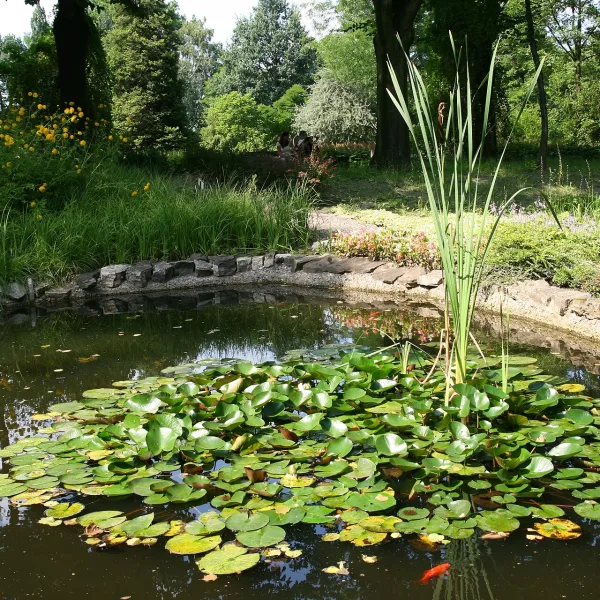
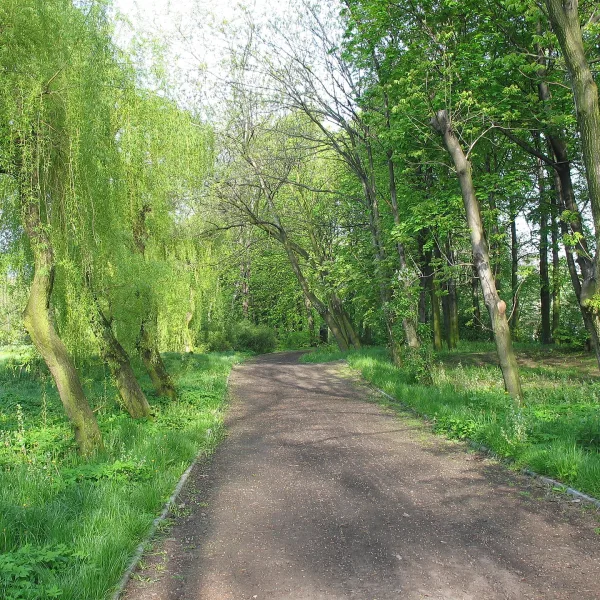
The Municipal Botanical Garden covers 6.36 ha on ulica Piłsudskiego, next to the Górnik stadium. It has a French-style section, an English-style section, a palm house, a rose garden, a pond, a natural playground and the National Collection of Heucheras. It was opened to visitors in 1938. Other gardens of this kind in the region are covered in Ogrody botaniczne, arboreta i ogrody tematyczne Śląska. The Municipal Park, known as Dubiel Park, is a historic park of 1924-1930 designed by the Berlin landscape architect Gustav Allinger. It was laid out between the Bytomka river and the Sztolniowy Canal, which was filled in during 1953-1956, and lies in the Centrum Północ and Śródmieście districts. The third place is Anaszacht, also called the Madejski reservoir, in Biskupice: a shallow lake of about 6.5 ha and a depth of one and a half to two metres.
What can you do in Zabrze with children or in the rain?
For families choose the underground routes, the water tower and the mini zoo; in the rain the museums, theatre and philharmonic hall work well. Most of these places have an indoor entrance.
AnimalWorld Mini ZOO in Makoszowy is a small private zoo and educational farm, opened in 2020, with alpacas, hens, pigs, geese and ducks and a reptile house; it runs lessons and workshops for children. For older children and adults there is Tor24.pl, a go-kart track 917 metres long next to the M1 shopping centre, with more than twenty karts. A set of ideas for a wet day is gathered under things to do in Zabrze when it rains, and family outings under places for families. The city's football club is covered in the article Górnik Zabrze: pięć tytułów z rzędu.
Which Jewish heritage sites and cemeteries are there in Zabrze?
The former Jewish community of Zabrze is recalled by two places. One is the site of a synagogue and the other a cemetery; both call for quiet and respect.
The Great Synagogue stood in the Małe Zabrze district, on today's ulica Brysza. It was built in 1871-1872 and enlarged in 1898; it was burned on Kristallnacht in 1938 and never rebuilt. A monument unveiled in 1998 stands on the site. The Jewish cemetery on ulica Cmentarna, in the Zandka district, covers about 2.2 ha and has been closed since 1954. About five hundred gravestones survive there.
Frequently asked questions
How much of Zabrze can you see in a day?
Start with the Guido mine or the Queen Louise Adit, then climb the water tower and visit the Coal Mining Museum. In the evening you can go to the theatre or the philharmonic hall.
Can you go underground in Zabrze?
Yes. In the Guido mine the routes reach 170 and 320 metres below the surface, and the Queen Louise Adit leads through underground workings where you travel by boat. Check visiting conditions before you go.
What can you do in Zabrze on a rainy day?
Choose the museums, underground routes, the water tower, the theatre or the philharmonic hall. A dozen or so places in the city are under a roof, and most entrances lead indoors.
Are there timber churches in Zabrze?
Yes, the Church of St Hedwig of 1928-1929 stands on the Wooden Architecture Trail, and the timber Lutheran church in Mikulczyce dates from 1937.
Where is the botanical garden in Zabrze?
The Municipal Botanical Garden lies on ulica Piłsudskiego, next to the Górnik stadium, and covers 6.36 ha. Highlights include the palm house, the roses and a national collection of heucheras.

 Industrial heritage