Architecture in Zabrze means brick churches, wooden sanctuaries and mine buildings. See what to look at first and where the most interesting structures are.
Zabrze has two kinds of architecture: sacred, from Neo-Gothic to brick Expressionism, and industrial, with mine shafts, a tipping bridge and an adit. This overview is for those who want to see the town building by building, at a pace set by its districts. Other places are in the section things to do in Zabrze, and buildings from the whole region are collected on the page architecture in Silesia.
Which churches in Zabrze are worth seeing for their architecture?
The most interesting are the brick churches of the early 20th century and two wooden ones. This list has eleven churches in Zabrze, so it helps to sort them by style.
Neo-Gothic and Neo-Romanesque
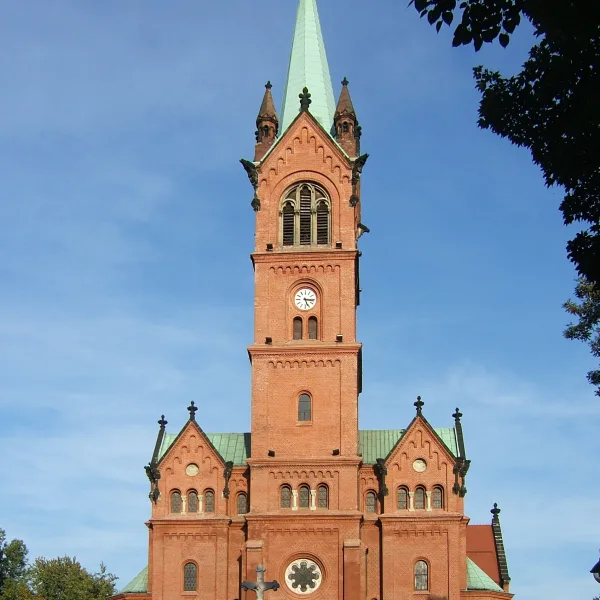
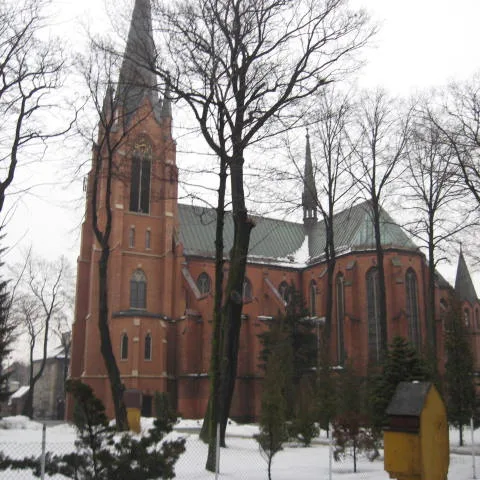
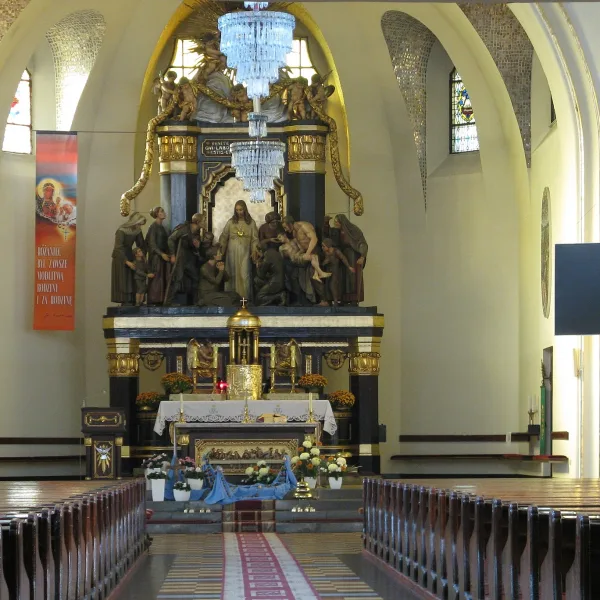
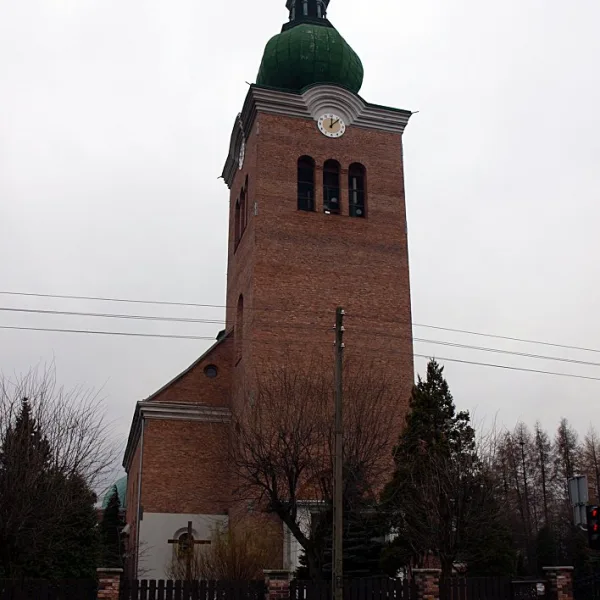
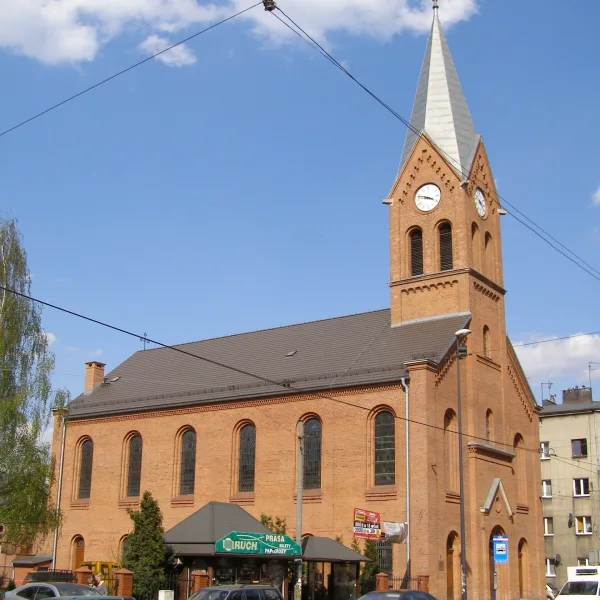
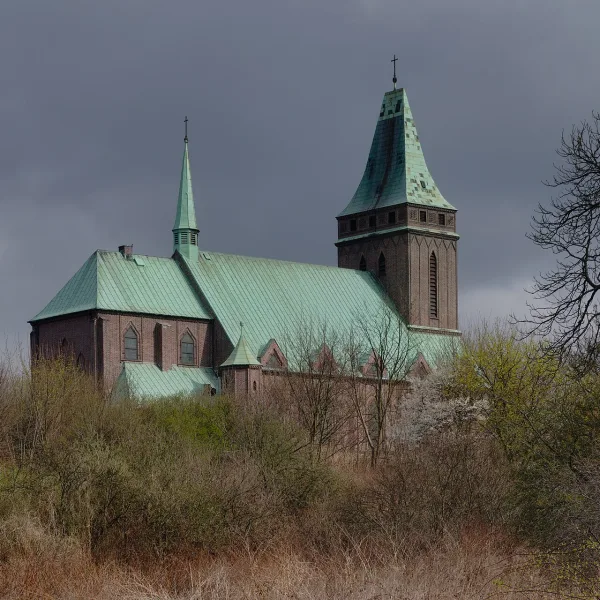
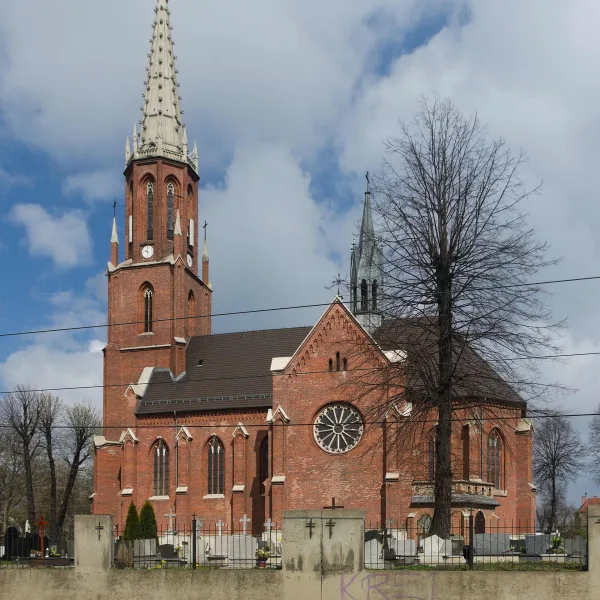
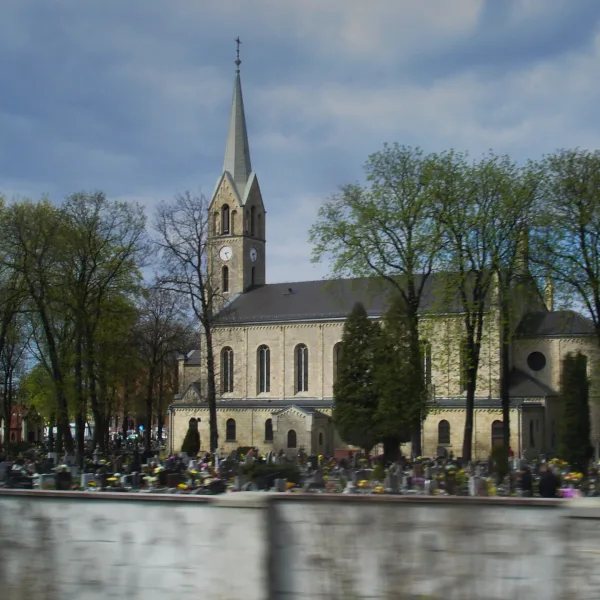
The town's oldest sacred building is the Neo-Gothic Church of St John the Baptist in Biskupice, Bytomska 28a, built in 1853-1857 and consecrated in 1863. The Ballestrem family funded it, and their crypt lies beneath the floor. In Mikulczyce, on Church Hill, the brick tower of the Church of St Lawrence of 1892-1894, designed by Paul Jackisch, can be seen from afar. The Neo-Romanesque Church of St Andrew the Apostle at Wolności 189 was built of sandstone. Its tower with a clock and a tall spire is a clear landmark, and the church was consecrated in 1868. St Anne's Church of 1897-1900 is made of clinker brick in a Neo-Romanesque style with Neo-Gothic elements, and almost all of its original furnishings survive. Among Lutheran churches the Neo-Romanesque Church of Peace of 1874 stands out, with a single nave and a single tower.
Modernism and brick Expressionism
The Church of St Joseph at Roosevelta 102 was designed in 1930-1931 by Dominikus Böhm of Cologne, and it is reckoned one of Upper Silesia's finer Modernist churches. Two other brick churches date from the same era. The Church of the Assumption of the Blessed Virgin Mary in Biskupice, of 1928-1929, represents brick Expressionism and has an organ with 33 stops. The Church of St Paul the Apostle in Pawłów, of 1929-1933, is described in the register as Neo-Baroque, and its authors are Zygmunt Gawlik and Franciszek Mączyński. The large three-nave Church of the Sacred Heart of Jesus in Rokitnica, of 1911-1912, was designed by Ernest Kühn.
Wooden churches
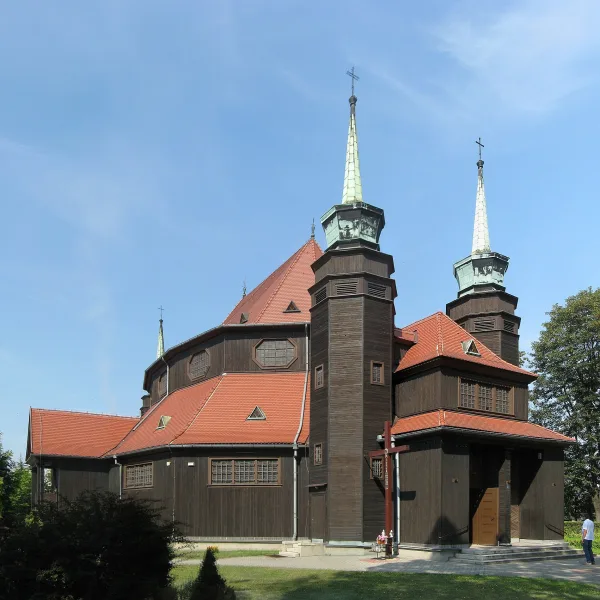
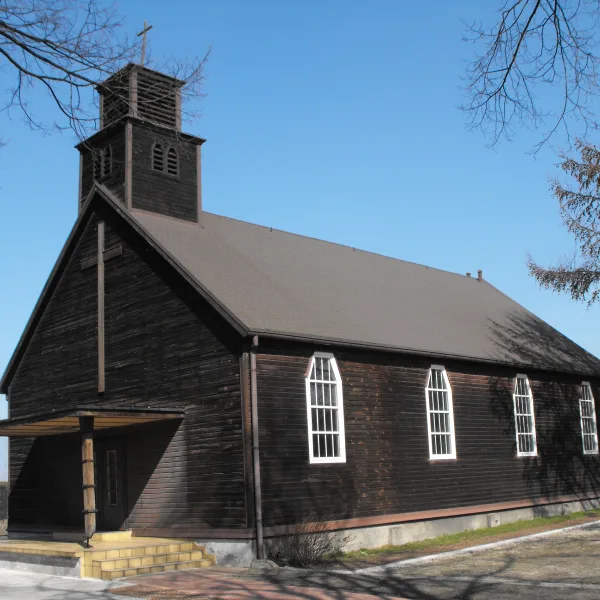
The Church of St Hedwig at Wolności 504, built in 1928-1929, has the plan of an oval twelve-sided figure and four towers. It belongs to the Wooden Architecture Trail. Also wooden is the Lutheran church in Mikulczyce of 1937, one of the youngest wooden churches in the region.
What is left of Zabrze's industrial buildings?
What remains are the brick buildings of mines, a steel tipping bridge and an underground drainage channel. Most visitors know this heritage from museum routes, but many elements can also be seen from outside.
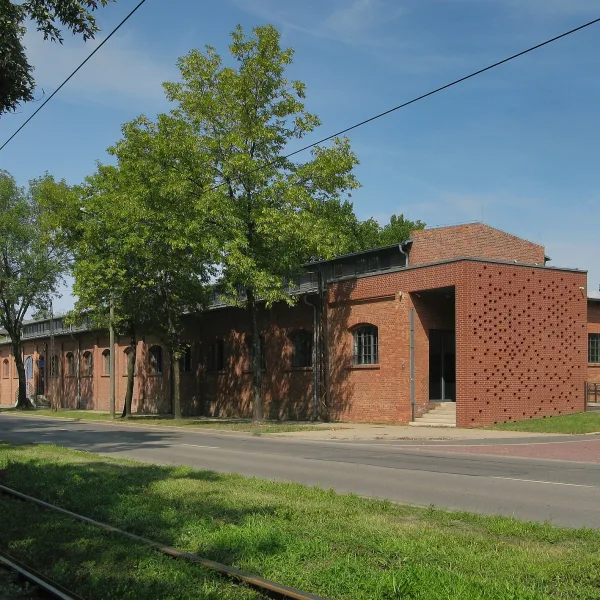
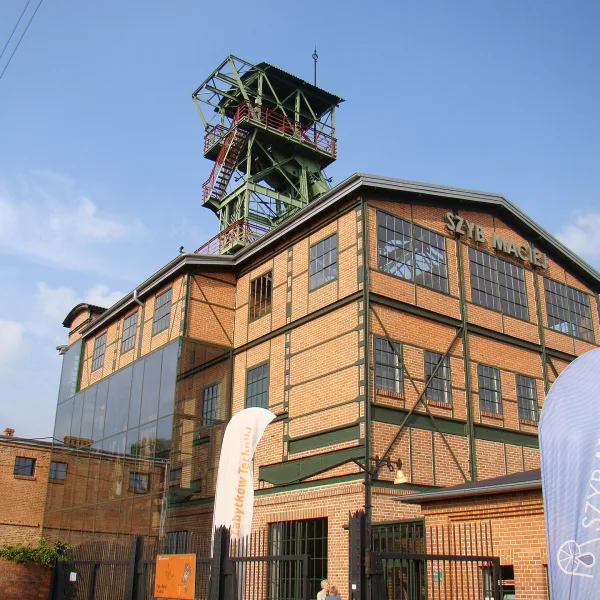
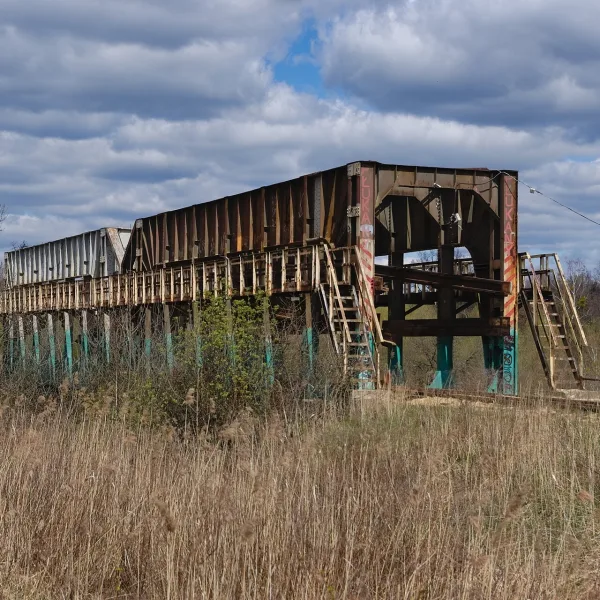
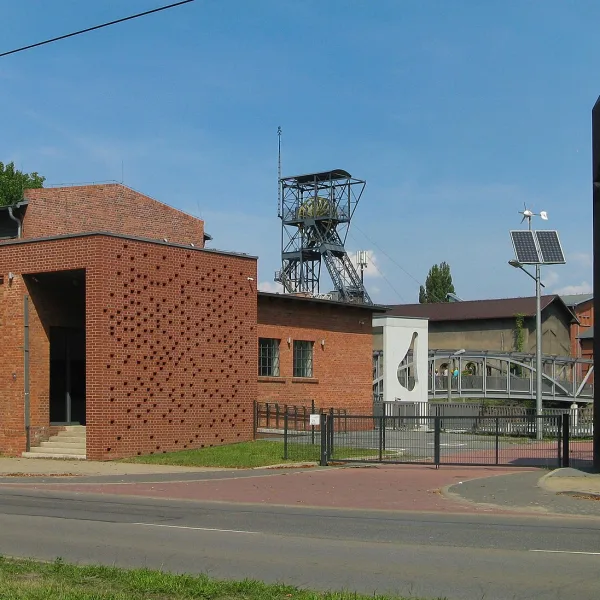
The Queen Louise Mine buildings at Wolności 410 are the surface part of a colliery that raised coal until the late 1990s. They belong to the Coal Mining Museum. Next to them stands the chain bathhouse of 1890, a brick building around the Carnall shaft and one of three sites of the Queen Louise Adit. The Main Kluczowa Hereditary Adit is a historic channel underground, 14.25 kilometres long, driven from 1799 to join Zabrze with Królewska Huta, today's Chorzów. You can visit sections of it in Zabrze. A similar picture of industry is offered by the Maciej shaft complex at Srebrna 6: a headframe, a hoisting machine made by Siemens and a waste-rock heap, all on the Industrial Monuments Route. The "Wojciech" tipping bridge of 1910-1913 is a single-track steel and concrete structure from which sand was tipped into the mine shaft, one of few preserved in Poland.
Underground routes are described in the article on Guido and Queen Louise, and the fate of other former mines is covered by a text on mines in new roles.
Where to see palaces, manor houses and medieval mottes in Zabrze?
The palace and manor house are in Mikulczyce and Rokitnica, and the mottes are traces of timber strongholds hidden in greenery. All lie in the north of the town, so they are easy to combine in one trip.
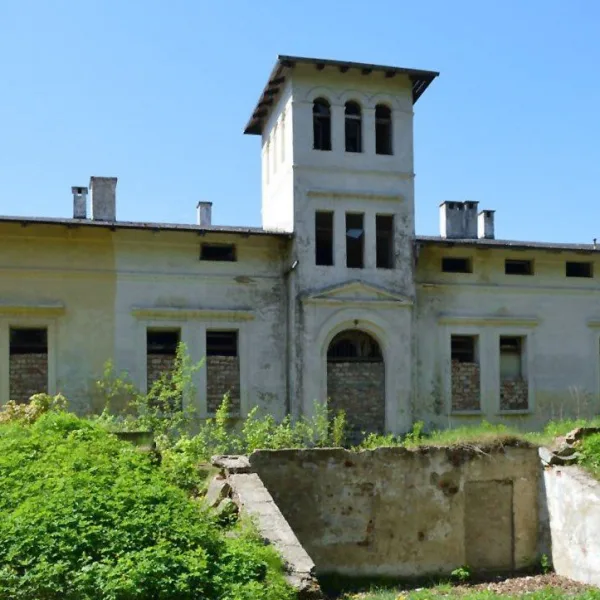
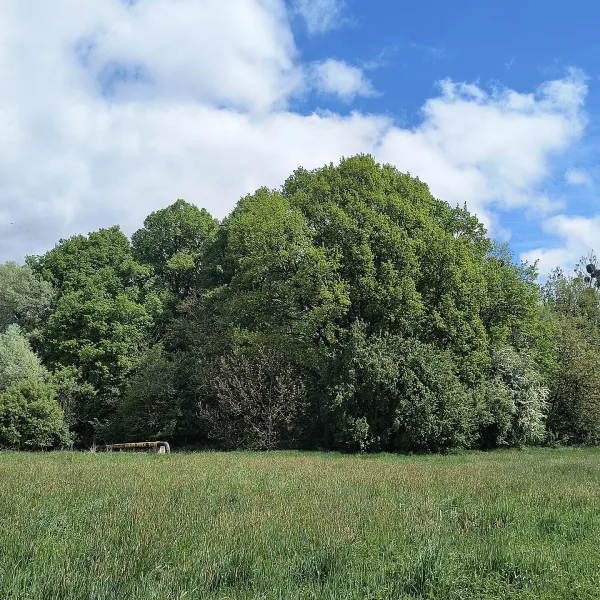
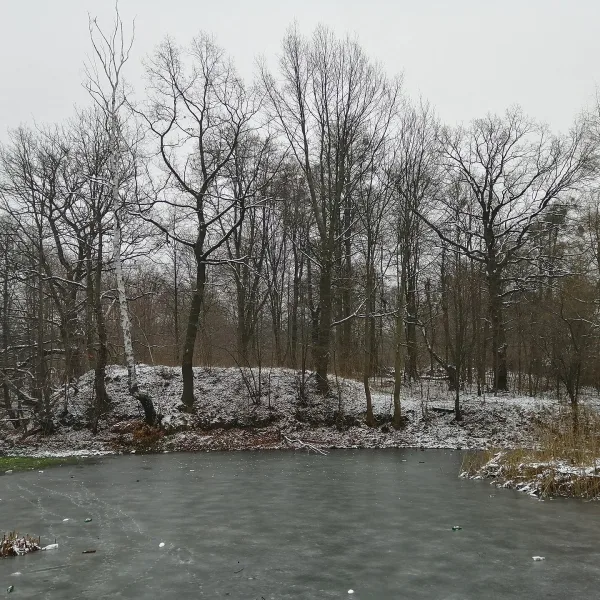
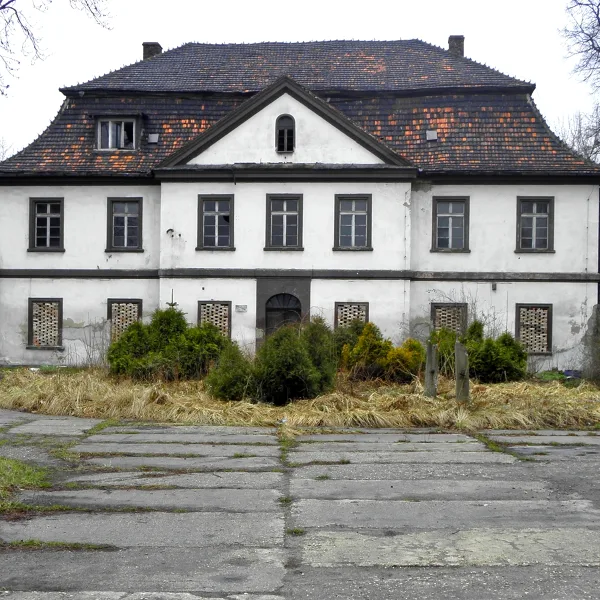
The palace in Mikulczyce at Lipowa 11 has a reputation as the town's oldest standing building. Made of brick, it has a mansard roof and a triangular central projection, and belongs to an estate that includes a park and a forge. In Rokitnica, at Żniwiarzy 2, stands a manor house dating to the later 1800s, topped by a tower of three storeys and entered in the monument register in 2016. Its wall paintings have survived fairly well. The conical mottes of the 13th to 15th centuries are an overgrown mound in Mikulczyce, studied by archaeologists in 1970-1972, and a motte by a pond in Rokitnica, one point of the "Gajdzikowe Górki" nature path. Only ramparts and overgrown mounds remain of them.
What other buildings does the centre of Zabrze have?
Two buildings in the centre show the former life of the town well, one official and one a hotel. Both stand on main streets, so they fit into a short walk.
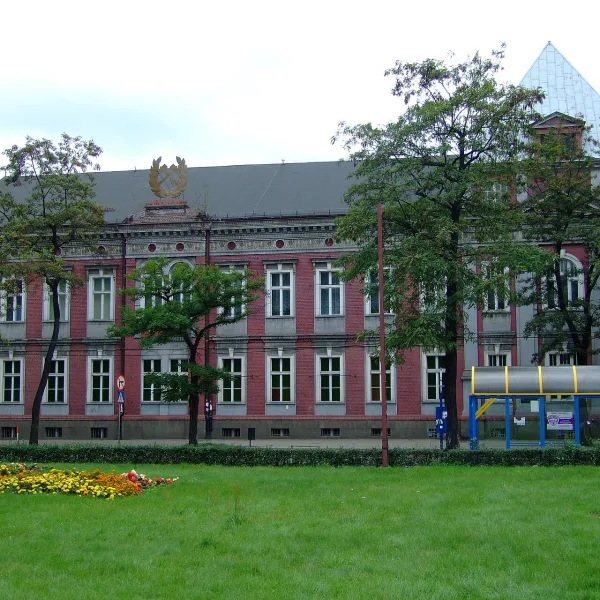
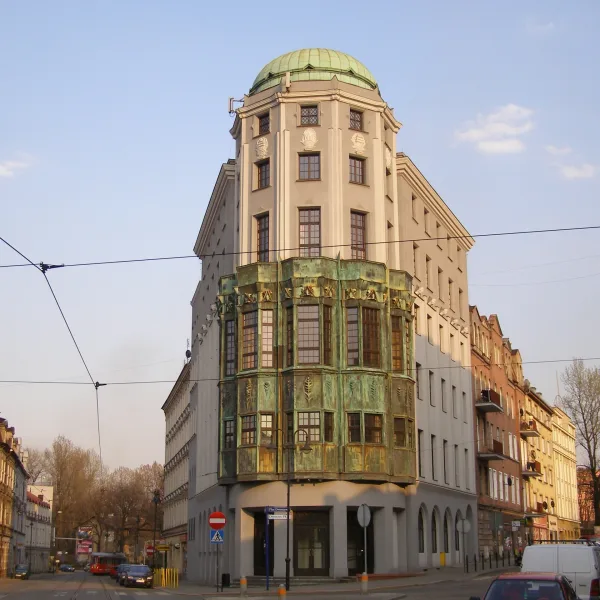
The Coal Mining Museum has its main seat in a building that served as the district office from 1874, at 3 Maja 19. The museum is more than one building: its branches also include the Guido mine and the Queen Louise Adit routes. The Admiralspalast Hotel at Wolności 305 is a Modernist building of the 1920s by Berlin architects Richard Bielenberg and Josef Moser. A dome crowns its rounded corner. It once had a ballroom and a rooftop garden.
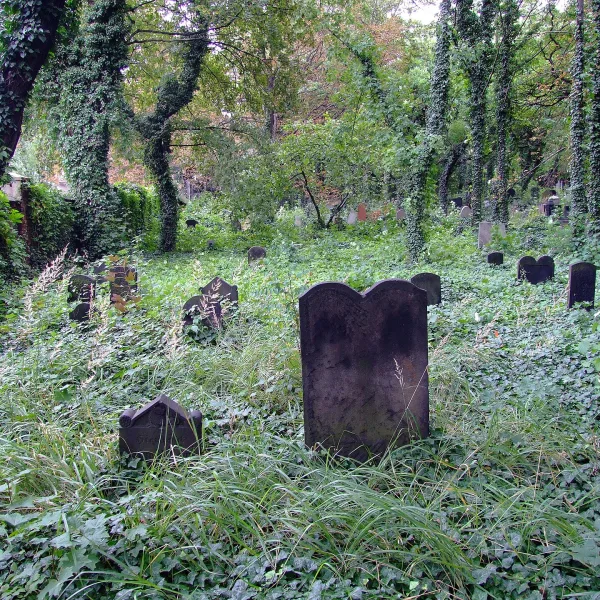
The town's former Jewish community is recalled by the Jewish cemetery on Cmentarna Street in the Zandka district. It is no longer in use, dates from 1871-1954 and has about five hundred surviving gravestones. Visit quietly and with respect for the people buried there.
Frequently asked questions
Which is the oldest church in Zabrze?
That is St John the Baptist's, a Neo-Gothic brick church in Biskupice. Work lasted from 1853 to 1857, and it was consecrated in 1863.
Does Zabrze have timber churches?
It has two. St Hedwig's, finished in the late 1920s, has four towers and an unusual oval, twelve-sided ground plan, and the Lutheran church in Mikulczyce dates from 1937.
Which buildings in Zabrze did Dominikus Böhm design?
From this list, it is the Church of St Joseph on Roosevelta Street, built in the early 1930s.
What industrial architecture should you see in Zabrze?
The Queen Louise Mine buildings, the chain bathhouse, the Maciej shaft complex and the "Wojciech" tipping bridge. Some of these places work as museums, so check opening hours before you go.

 Churches and monasteries