
Zagroń Complex in Istebna
Istebna
a slope in Istebna with a four-seat chairlift, five runs, a snow park and a water park
a slope in Istebna with a four-seat chairlift, five runs, a snow park and a water park
 Museums
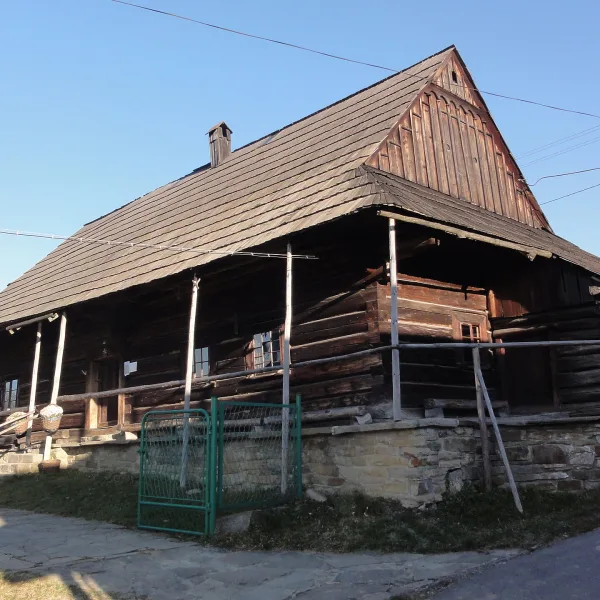
a wooden highlander cottage from 1863 with a smoky chimneyless stove and shepherd's instruments
 Churches and monasteries
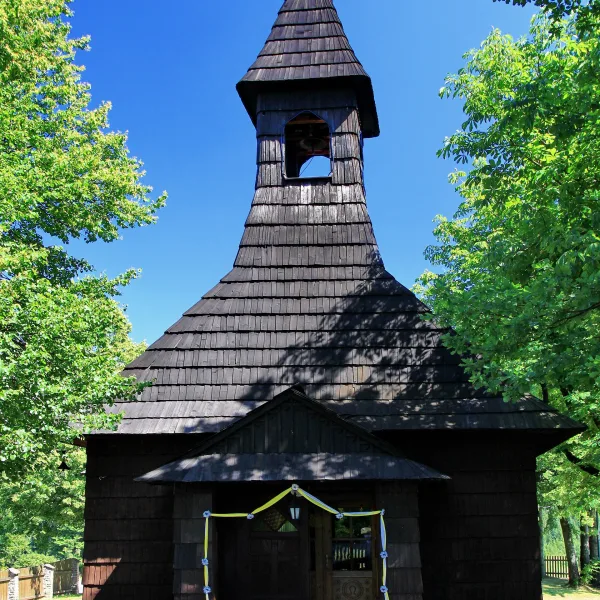
a wooden church in a clearing by the Main Beskid Trail, rebuilt after a fire
a private museum of the Himalayan climber with expedition memorabilia, visits by arrangement
 Churches and monasteries
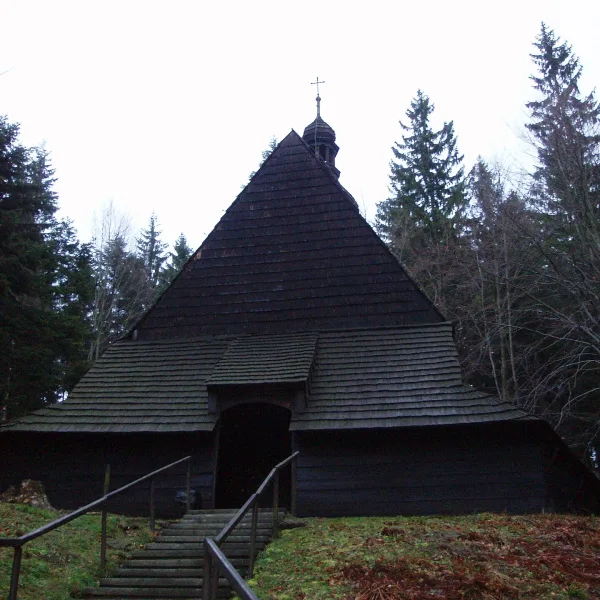
a wooden church from 1779 moved from Upper Silesia to the Kubalonka pass
 Churches and monasteries
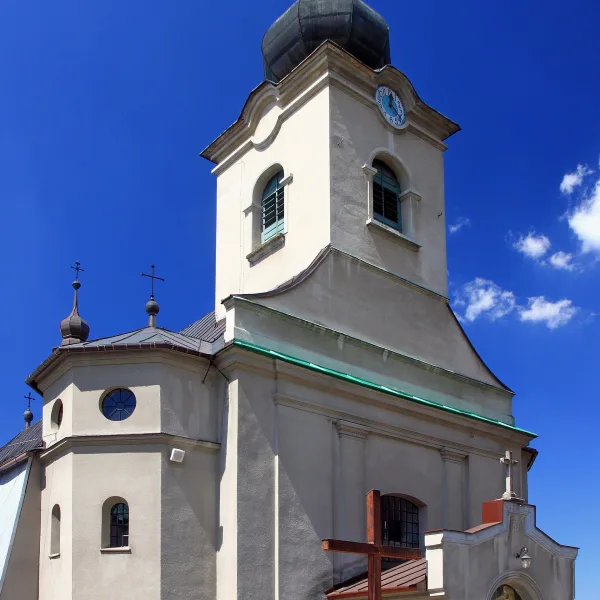
Baroque church of 1794 with paintings and polychromes by Jan Wałach and lamps shaped like oboniki
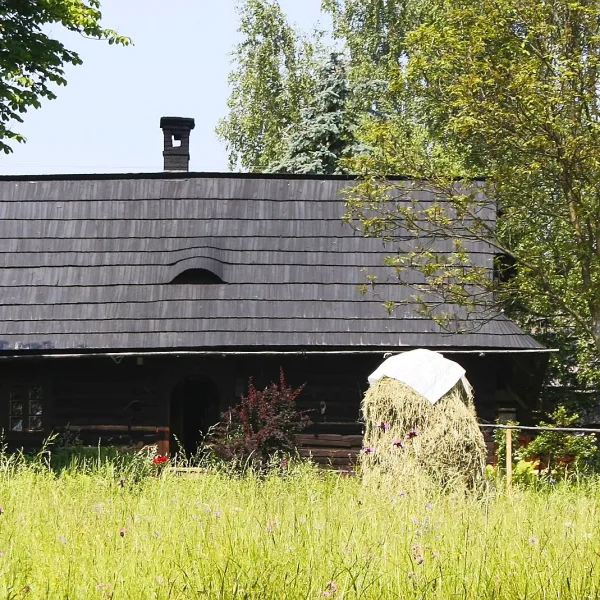 Museums
a wooden studio from 1922 with paintings and graphic works by Jan Wałach
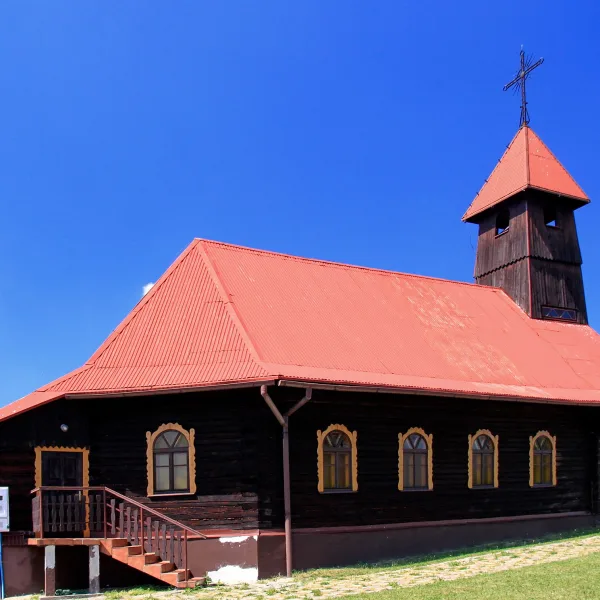 Churches and monasteries
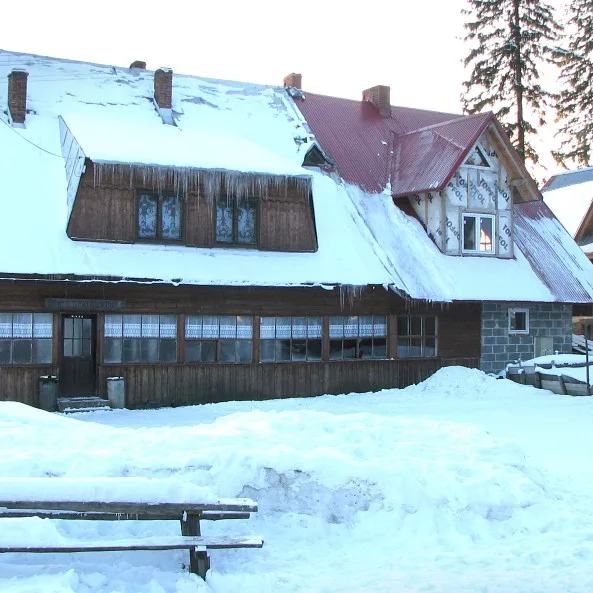 Mountains
timber mountain hut from 1934 on the Main Beskid Trail at Stecówka in the Silesian Beskids
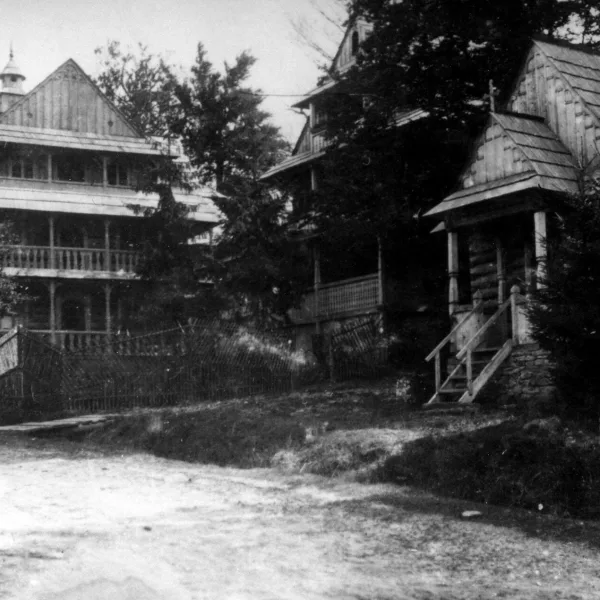 Museums
artists' colony from the 1920s and the private museum of the Konarzewski family in Istebna
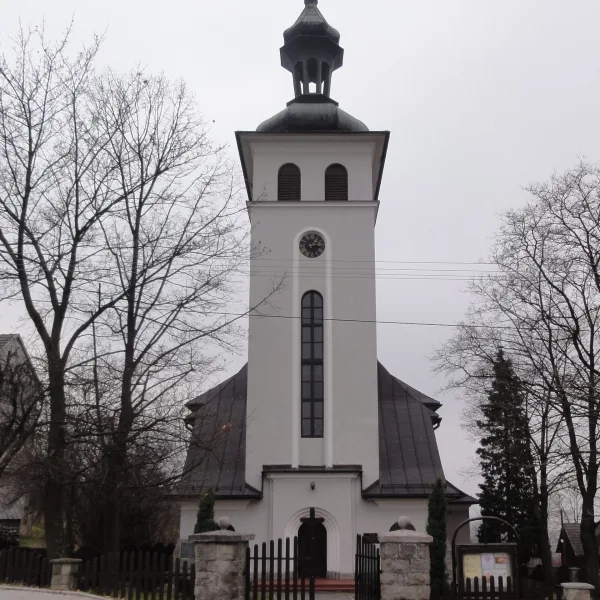 Churches and monasteries
an Evangelical church from 1927-1930 to a design by Tadeusz Michejda
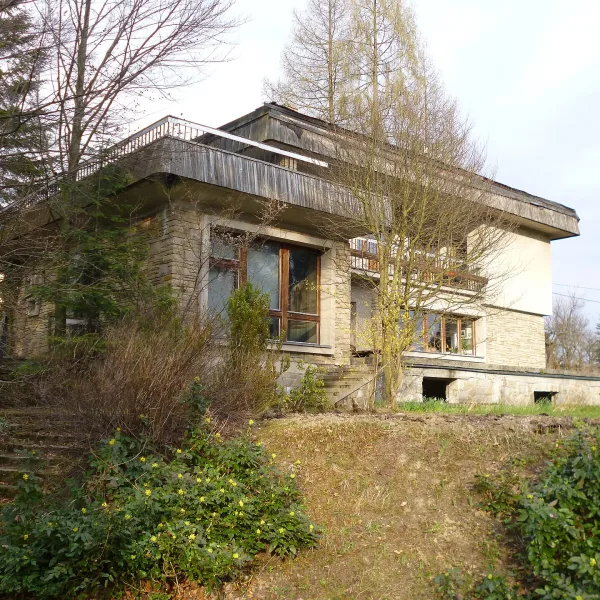 Museums
a family museum of artists with a chapel and a gallery on Bucznik
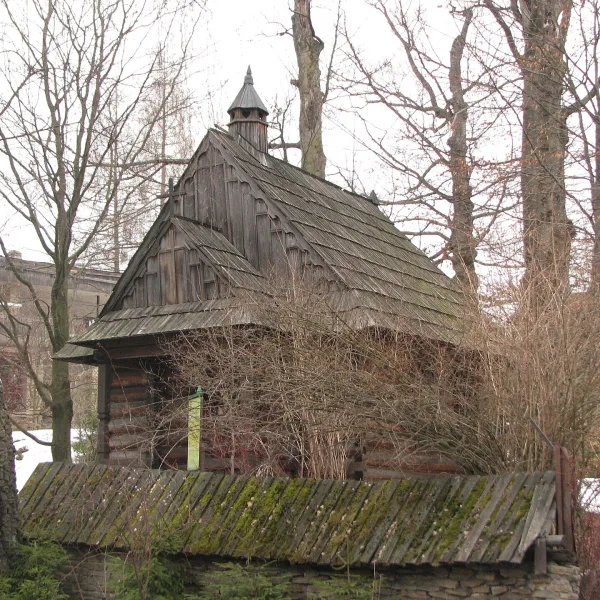 Churches and monasteries
a wooden votive chapel of 1923 with an altar carved by its founder
ski slope with a chairlift and floodlit runs of up to 1,500 m on the slope of Złoty Groń
Things to do in Istebna: the Jan Wałach and Konarzewski museums, wooden churches and the Złoty Groń and Zagroń slopes in the Silesian Beskids.
Istebna stretches along the Olza valley and divides into hamlets such as Wilcze, Wojtosze, Andziołówka, Bucznik, Mlaskawka and Stecówka. Each has something of its own to see, so sightseeing here is a drive between several small places rather than a walk around one centre. In winter there are ski slopes, and in summer trails and a mountain hut on the ridge.
Start at the Church of the Good Shepherd in the village centre. It is a brick Baroque church from 1792-1794, consecrated on 24 August 1794 and one of the oldest brick buildings in Istebna. It is best known for its interior, where sacred art mixes with highland tradition, and works by Jan Wałach and the Konarzewski family decorate it.
A wooden chapel from 1720, linked to the Jesuit mission among the highlanders, stood on this spot earlier. From the church it is easy to plan the rest of the day: to museums in the hamlets, to wooden churches or to a slope. Every church is listed under churches and monasteries in Istebna.
On a rainy day choose the museums. Four private venues operate in Istebna, and each tells the story of a different person or family. You will find them all in the list of museums in Istebna and places for rainy days.
The Jan Wałach Museum in the hamlet of Andziołówka opened in 2008 in the wooden building of the former studio from 1922, near the Wałach family home. It shows easels, the artist's belongings and his works: paintings and prints from 1902-1979. Wałach was a printmaker, painter and woodcut artist. The article Two painters from Istebna: Jan Wałach and the Bucznik artists' colony describes his work.
At Bucznik, a settlement and former artists' colony, you will find the Museum and Gallery of the Konarzewski Family. The name comes from old beech trees. Ludwik Konarzewski senior began building a house and studio here in 1922, and 3 May 1923 is taken as the symbolic founding date of the colony. The collections focus on his work, his son Ludwik junior and Joanna Konarzewska, with paintings, sculpture, ceramics and textiles. A family chapel also stands on Bucznik.
Kurna Chata Kawuloka in the hamlet of Wojtosze is a regional room in a wooden highland cottage from 1863, roofed with shingles, with two rooms and a hall in the middle. It belonged to Jan Kawulok, a regional enthusiast, folk instrument maker and storyteller. The room has operated since 1964, and inside you can see a stove without a chimney and shepherds' instruments. It lies on the Silesian section of the Wooden Architecture Trail. Read more about the museums of the Beskid Three Villages in the article Museums and regional rooms of the Beskid Three Villages.
The Jerzy Kukuczka Memorial Room in the hamlet of Wilcze is a private museum of the Himalayan climber who died on the slopes of Lhotse. It opened in 1996, seven years after his death, in a building linked to his family, and relatives run it. On display are photographs from expeditions, climbing gear, medals, decorations and books. Because the museum is private, check when it can be visited before you go.
Four wooden buildings stand in Istebna, and each has a different origin. Two were moved from other places, and one was rebuilt after a fire.
The church on Kubalonka is a wooden building from 1779. It was built in Upper Silesia near Gliwice, for the parish in Przyszowice, and in 1957 it was taken down and moved to the Beskids. St Joseph's church in Mlaskawka was built in 1947-1948 in Jaworzynka and moved to Istebna in 1997. It belongs to the voivodeship's trail of wooden architecture.
The Church of Our Lady of Fatima stands in a mountain clearing in Stecówka, crossed by the Main Beskid Trail. It was raised as a chapel in 1957-1958 and rebuilt after a fire in 2013. The chapel on Bucznik from 1923 is an offering of the Konarzewski family for their return from exile in the Urals. Ludwik Konarzewski senior carved its altar himself.
Apart from the Baroque church, there is also the Lutheran church from 1927-1930, designed by Tadeusz Michejda. Bishop Juliusz Bursche blessed the foundation stone. The life of the highlanders and their traditions is described in the article Silesian highlanders from Istebna, Koniaków and Jaworzynka.
In winter two neighbouring resorts operate in Istebna: Złoty Groń and the Zagroń Complex. Both lie by the Olza in the Silesian Beskids, about five hundred metres apart in a straight line.
On the north-eastern slope of Złoty Groń (710 m above sea level) the Złoty Groń resort has a six-seat chairlift from 2012, a drag lift and a short beginners' lift. The runs add up to 3.67 km and are lit. The Zagroń Complex sits on the northern slope of Zagroń (about 684 m), with a four-seat chairlift, a drag lift and a belt lift for children, and beyond the slope also a water park and a spa. The collected list of slopes is on the page for skiing in Istebna and sport and recreation.
On Stecówka stands a mountain hut from 1934 by the Main Beskid Trail. Marta and Michał Legierski built it as a two-storey wooden house on a stone foundation. It hosted a ski and hiking station of a Kraków ski society. Today it serves hikers as a base for routes along the nearby ridges, so it combines well with a visit to the Church of Our Lady of Fatima close by.
For people travelling alone there is a list of solo places in Istebna.
For one day choose the centre with the Church of the Good Shepherd, one museum (Wałach or Konarzewski on Bucznik) and one of the wooden churches. In winter you can swap one of them for a day on the slope.
The Jan Wałach Museum, the Museum and Gallery of the Konarzewski Family and Kurna Chata Kawuloka are indoor displays. The Jerzy Kukuczka Memorial Room, run privately by the family, is also worth checking.
Yes. Churches stand on Kubalonka, in Mlaskawka and in Stecówka, along with a wooden chapel on Bucznik. Two of them were moved from other places.
Two resorts, Złoty Groń and Zagroń, lie by the Olza in the Silesian Beskids, about five hundred metres from each other. Złoty Groń has a six-seat chairlift, and Zagroń also has a water park and a spa.
Bucznik is a settlement and former artists' colony from the 1920s. Today it holds the private Museum and Gallery of the Konarzewski Family, and the family's wooden chapel stands there too.