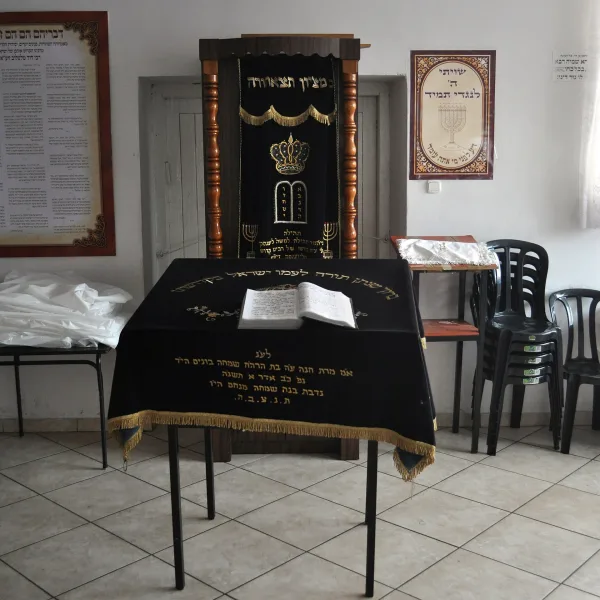
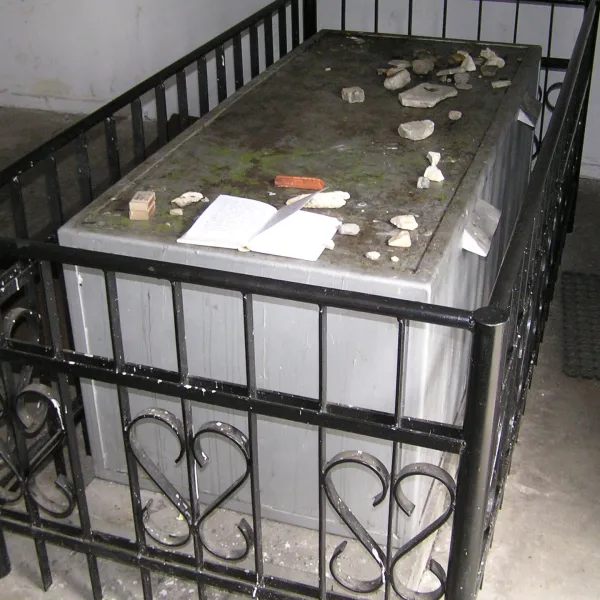
Things to do in Lelów: the ohel of the tzadik David Biderman, the old Jewish cemetery, a Hasidic house of prayer and the shrine in St Martin's church.
Lelów is known as a place of Hasidic pilgrimage to the tzadik's grave. The four places on the list are three traces of Jewish heritage and a historic church, so a visit calls for quiet and respect.
What traces of Jewish heritage are there in Lelów?
The Old Jewish Cemetery at ulica Ogrodowa 7 was founded in the seventeenth century and for centuries served the local Jewish community. During the Second World War the Germans completely devastated the necropolis and removed almost all the gravestones. After the war the remaining gravestones were stolen. Today the cemetery is a place of Hasidic pilgrimage, and entry is free.
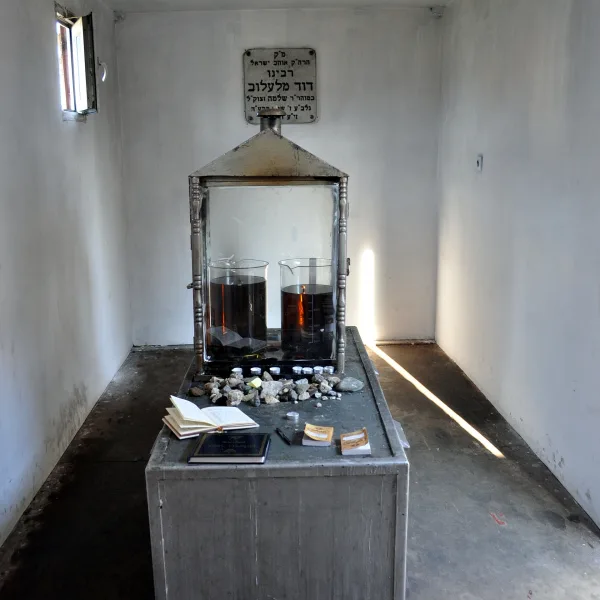
On the cemetery stands the ohel of David Biderman, the tomb of the tzadik and founder of the Lelów Hasidic dynasty, who died in 1814. The first ohel was built right after his death and survived in its original form until 1956. Opposite, at ulica Ogrodowa 3, is a house of prayer arranged after 1990. It is not a historic synagogue from earlier centuries but a place of prayer used during the pilgrimages. More is on the page Jewish heritage in Lelów.
What else is worth seeing in Lelów?
The Church of St Martin at ulica Klasztorna 6 is a historic parish church and the shrine of Our Lady the Consoler of Lelów. Its foundation is attributed to Casimir the Great, and the register of monuments dates the building to the sixteenth century. Burned in 1939, it was rebuilt after the war. Local cuisine is covered in the article Ciulim from Lelów, and ideas for a visit alone are collected in what to do alone in Lelów.
Frequently asked questions
Who was David Biderman?
A tzadik and the founder of the Lelów Hasidic dynasty. He died in 1814, and his grave in the old Jewish cemetery is a place of pilgrimage.
Is the synagogue in Lelów historic?
No. It is a house of prayer from the early 1990s, used during Hasidic pilgrimages.

 Historic sites