Solo in Ruda Śląska means steelworks, a coking plant, workers' estates and a dozen or so churches, nearly thirty places to see without hurry.
Ruda Śląska consists of several former towns that are now districts: Wirek, Nowy Bytom, Kochłowice, Halemba, Orzegów and others. Sightseeing alone here is therefore a walk from point to point, and each district has its own mood.
Where should you start sightseeing Ruda Śląska on your own?
With the industrial heritage, since it gives the city its character. In Wirek see the Ficinus Workers' Colony at Pawła Kubiny 20: sixteen identical houses of sandstone, built between 1860 and 1867. Today they hold a row of services, and the estate belongs to the Industrial Monuments Route. The article on the Ficinus colony and the village with electricity explains where the first electric light came from.
The second stop is Nowy Bytom with the Blast Furnace of the Pokój Steelworks at Piotra Niedurnego 79. The furnace dates from 1968 and is what remains of a former ironworks. The story of the rolling mill linked to the works is told in the text on the Pokój Steelworks and the Sendzimir mill.
Which post-industrial places can you see in Ruda Śląska?
Besides the colony and the furnace, the city has kept a few sites worth adding to a route.
- The Orzegów Coking Plant, started in 1903 and now arranged as an educational park.
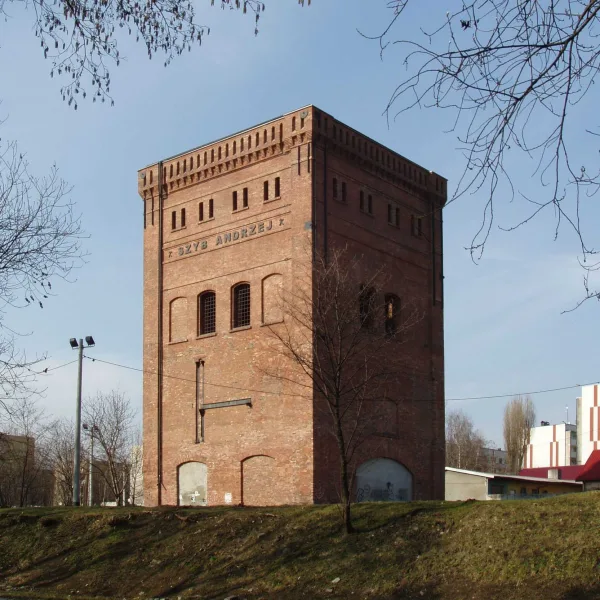
- The Andrzej Shaft Tower, a brick pithead of four storeys built in the style of a Małachowski tower.
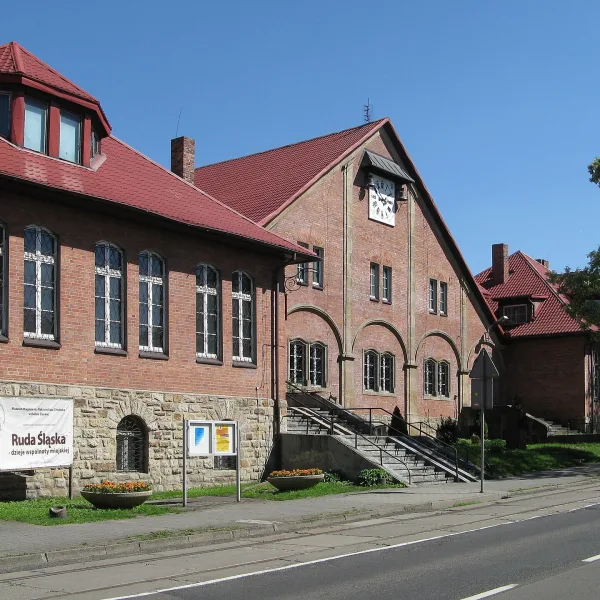
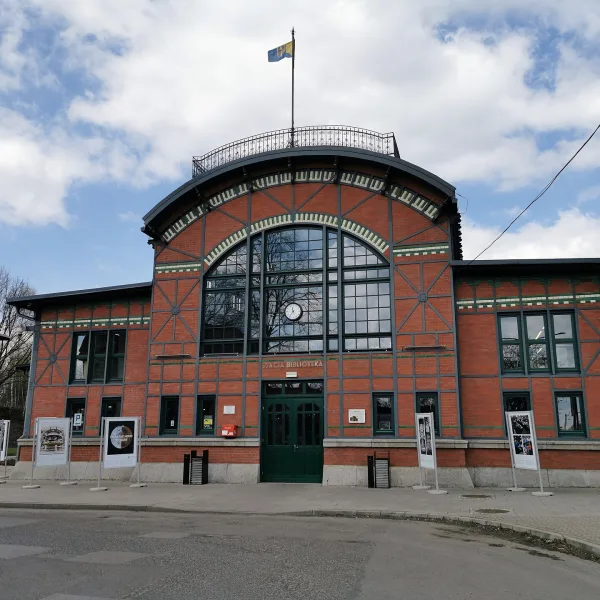
- Stacja Biblioteka at Dworcowa 33, the city library in the former Ruda Chebzie station, put up in 1897-1899. It opened after renovation in 2019 and also lies on the Industrial Monuments Route.
The longest trace of industry is the Upper Silesian Mining History Trail, a yellow walking route of roughly one hundred kilometres that leads from Łubianki to Rybnik past mining and steelmaking monuments.
Which museums in Ruda Śląska suit a rainy day?
The city's museums are small and very different, so they work well for a lone visitor.
The Museum of the History of the Polish People's Republic at Zajęcza 42 occupies an old manor farm and presents everyday life between 1945 and 1989. Inside there are apartment interiors, a cinema and cars, and outside a park of monuments from the communist period. The Maksymilian Chrobok City Museum at Wolności 26 tells the story of the city through industry and the economy, using multimedia.
A third idea is the Collection of Intuitive Art Barwy Śląska, a gallery of work by self-taught painters, drawn from the holdings of Stanisław Gerard Trefoń and on view in the city since 2010.
Which churches in Ruda Śląska are the oldest and most interesting?
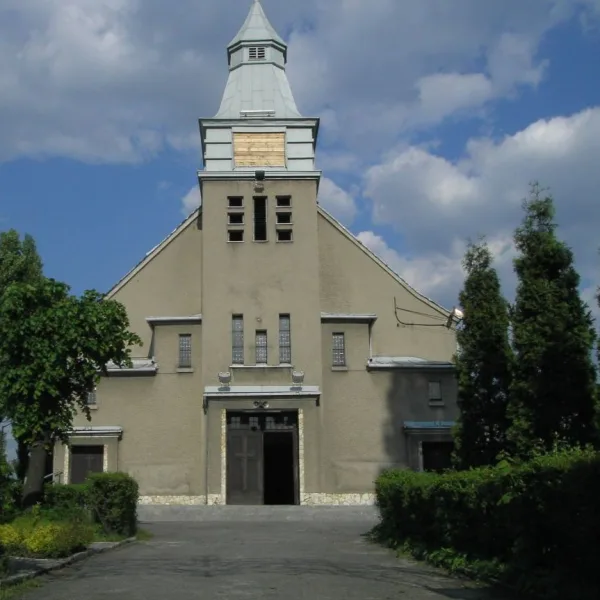
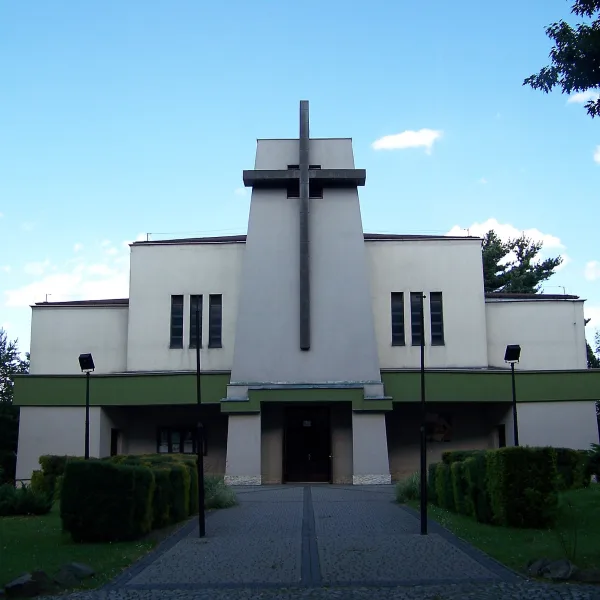
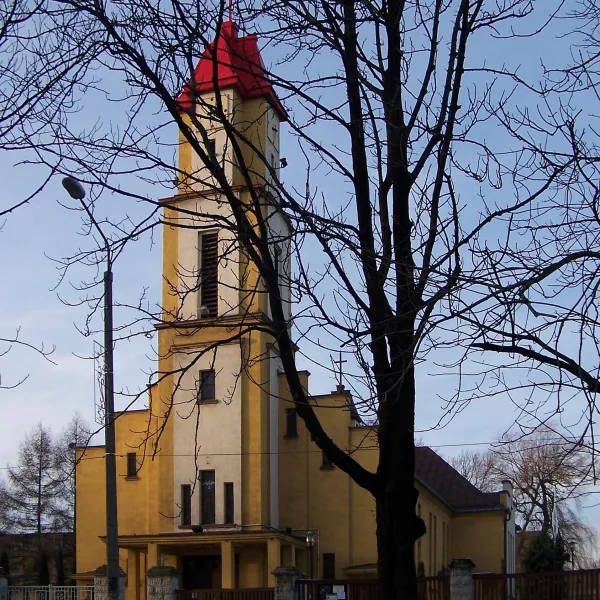
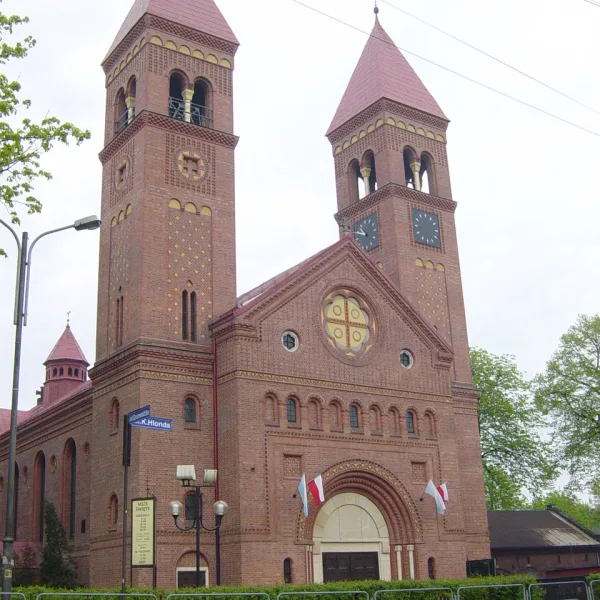
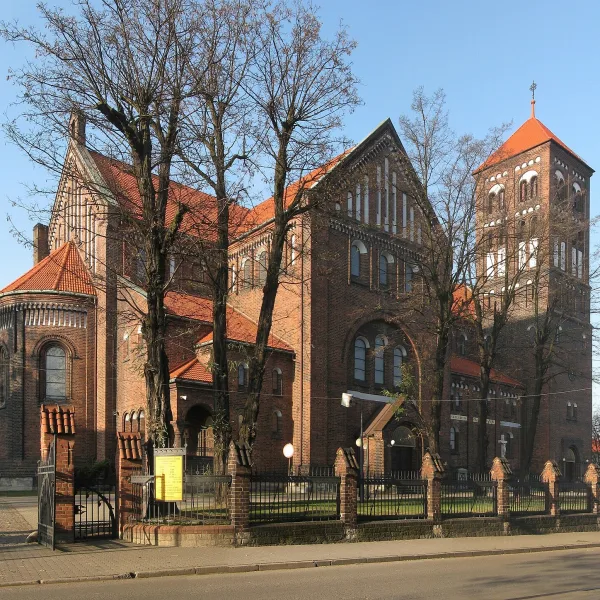
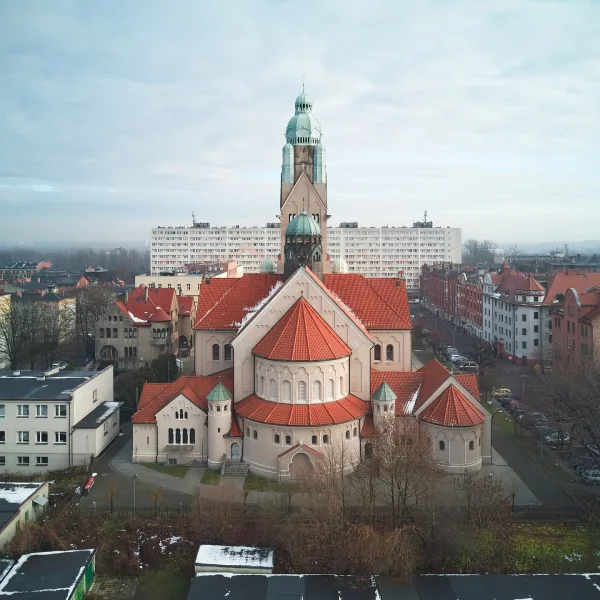
There are more churches in the city than museums and monuments together, since every district has its own parish. The best way to see them is district by district.
Wirek, Nowy Bytom and Godula
Kochłowice, Halemba and Bykowina
Other districts
What traces of war and the Middle Ages survive in Ruda Śląska?
On the outskirts lie defensive structures and older ruins. These are places of fact, not entertainment.
Hill 319 Strongpoint belongs to the Silesian Fortified Area, and Combat Bunker no. 75 of 1937 belongs to the Kłodnica fortified group. The bunker opens to visitors a few times a year and is accompanied by an exhibition on the Second World War.
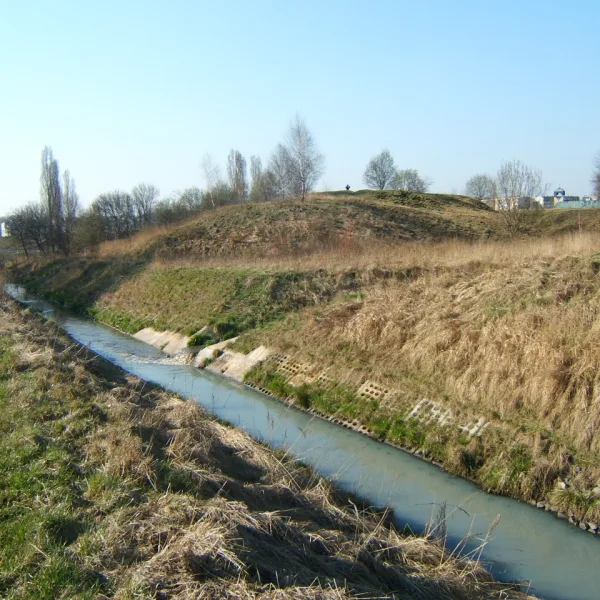
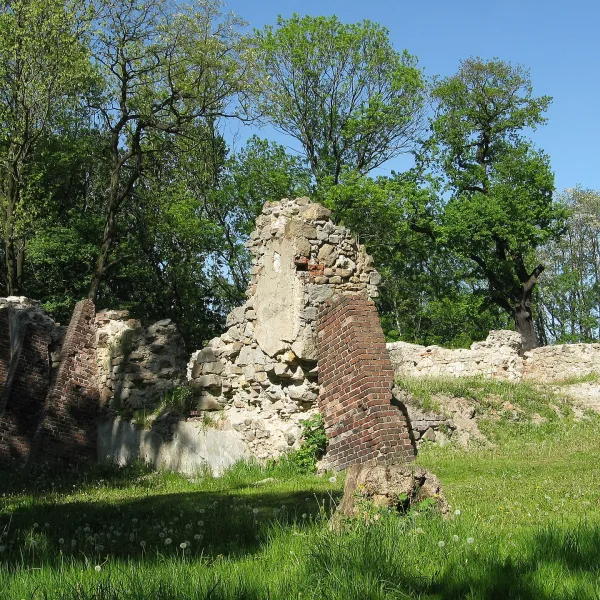
Older are the hillfort in Kochłowice, a conical mound from the early 14th century and the oldest monument in the city, and the Rudzki Castle. The latter is a ruin today with a few fragments of walls, burned in 1945, so there are no interiors to visit.
Where in Ruda Śląska can you take a walking trail?
Besides the mining trail there is a shorter route. The August Czarnynoga Trail is 11.7 km long and yellow, and leads from Chorzów Batory through urban, forest and park areas to Ruda Śląska. For someone travelling alone it is a good choice for a quiet afternoon.
How can you join several districts into one route?
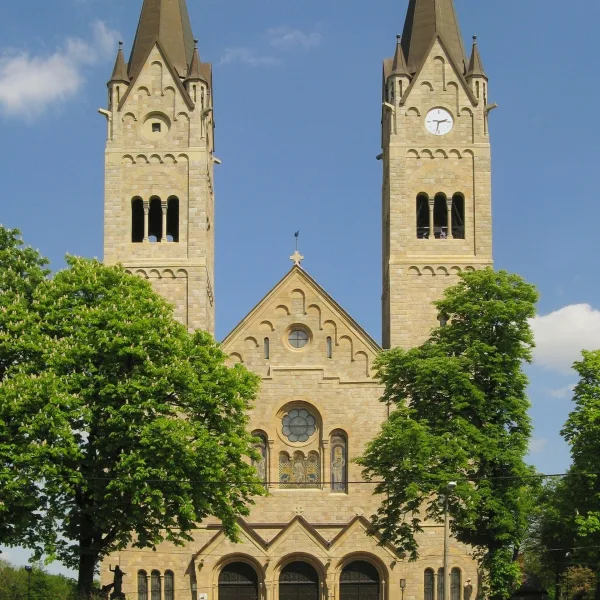
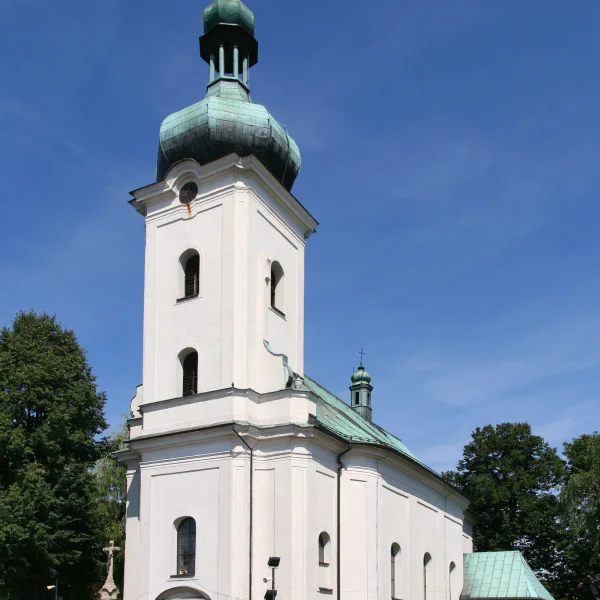
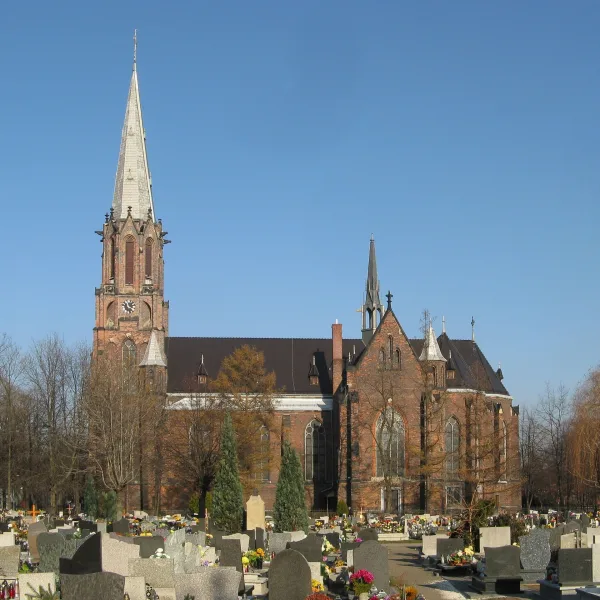
It is easiest to plan a day around one district. Wirek offers the Ficinus colony and two churches, those of St Lawrence and St Anthony and of the Redeemer. Nowy Bytom means the blast furnace and St Paul's basilica. Kochłowice gathers the oldest church in the city, the Holy Trinity church, the hillfort and the combat bunker. Orzegów joins the coking plant with the church of St Michael the Archangel. This grouping follows the addresses of the sites and saves you from crossing the city repeatedly.
Frequently asked questions
Which sights in Ruda Śląska make a good first day alone?
Combine the Ficinus colony in Wirek, the Pokój blast furnace in Nowy Bytom and the Orzegów Coking Plant, then add one museum, for example the one devoted to the communist period.
Where can you shelter from rain in Ruda Śląska?
You can choose the communist-era museum in the former manor farm, the City Museum, the Collection of Intuitive Art and the Stacja Biblioteka library in the historic station.
Can you always enter Combat Bunker no. 75?
No. The bunker is open only a few times a year.
What else does Ruda Śląska offer beyond this selection?
The whole city is on the page Ruda Śląska. For a wider view of trips on your own, see Solo, which spans the entire region.

 Museums