Free things to do in Rybnik: a reservoir, parks, a trail to the ruins of an ironworks, monuments and cemeteries with free entry.
Rybnik has several places you can see without a ticket: water on the edge of town, parks in the centre and in Meksyk, a long hiking trail and places of remembrance. Some are green spaces, while others are cemeteries that call for different behaviour than a stroll in a park.
Where to spend time outdoors in Rybnik
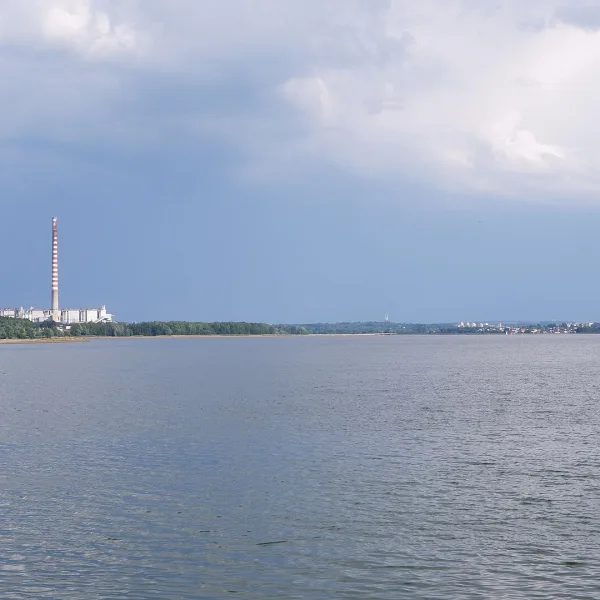
The largest body of water is Rybnik Reservoir, a lake on the Ruda river created next to a power station. Sailors cruise it, anglers sit on its bank, and walkers get a wide view of the water.
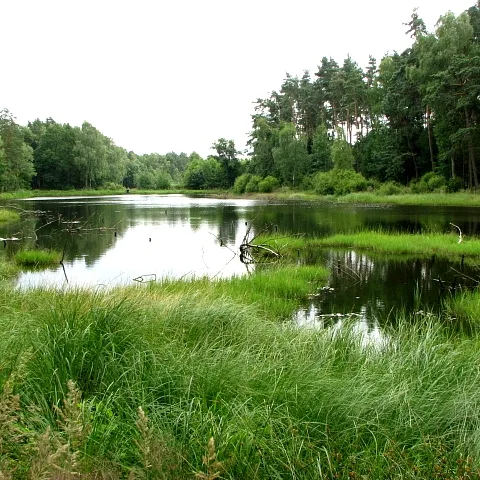
In the town itself there are three parks. Kozie Góry Park in the Meksyk district, by Chwałowicka Street, is the town's biggest and oldest municipal park, dating to the end of the 1800s, with nearly 7 hectares and a fitness trail. A hill in the centre carries Sarkander Park; a cemetery once lay here, and a fifteenth-century chapel now stands by the paths. For a longer outing there is a vast landscape park around Rudy: several hundred square kilometres of forest and ponds, with a former Cistercian complex and the Łężczok reserve.
Which walking route starts in Rybnik?
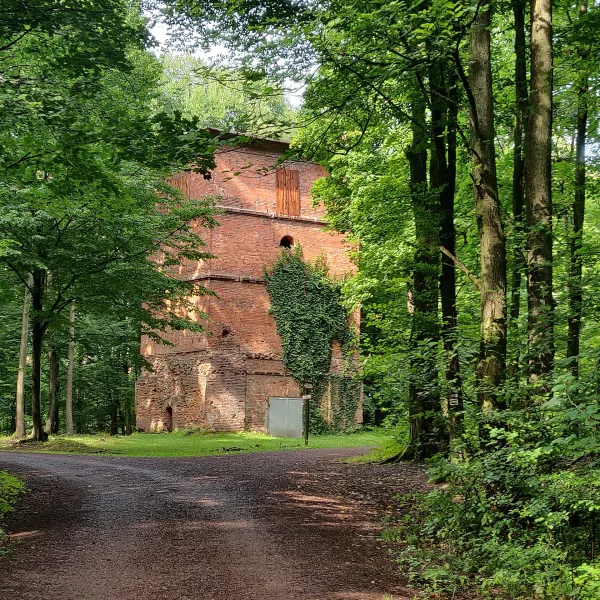
The Metallurgy Beginnings trail is marked in blue and runs about 21 kilometres, from Rybnik via Szczejkowice to Żory. Stops include a ruined ironworks named Waleska and a furnace tower, reminders of early metalworking. It has one stage, so you can walk it in half a day.
More about local industry is in the article on the Ignacy mine, and the town's story is told in a text on the history of Rybnik.
Which monuments and cemeteries in Rybnik can you visit?
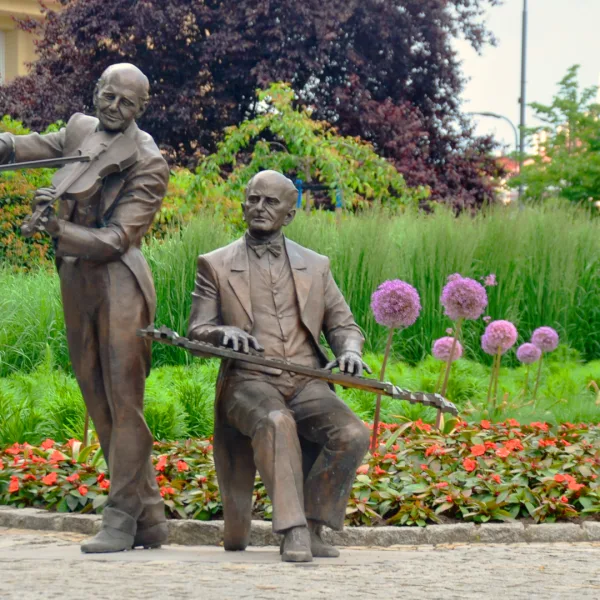
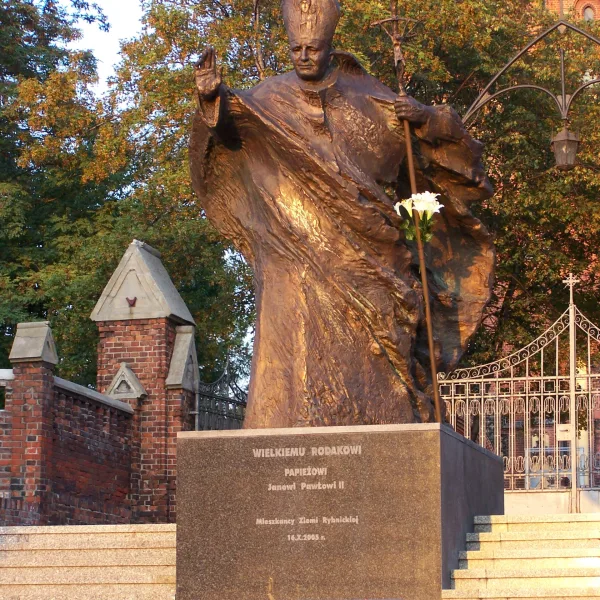
Two monuments stand in the centre. The monument to John Paul II is a four-metre bronze sculpture by Zygmunt Brachmański, unveiled in 2005 before the entrance to the basilica. On the square opposite the railway station, since 2018, stands the Szafranek Brothers Monument, which honours the musicians and teachers who founded Rybnik's music school.
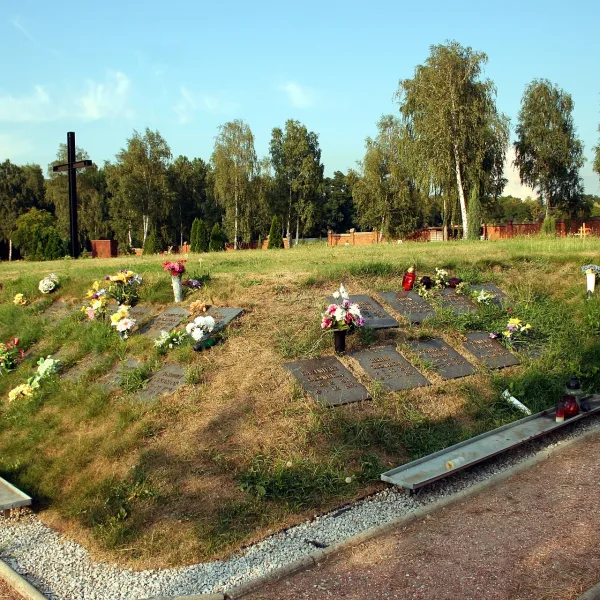
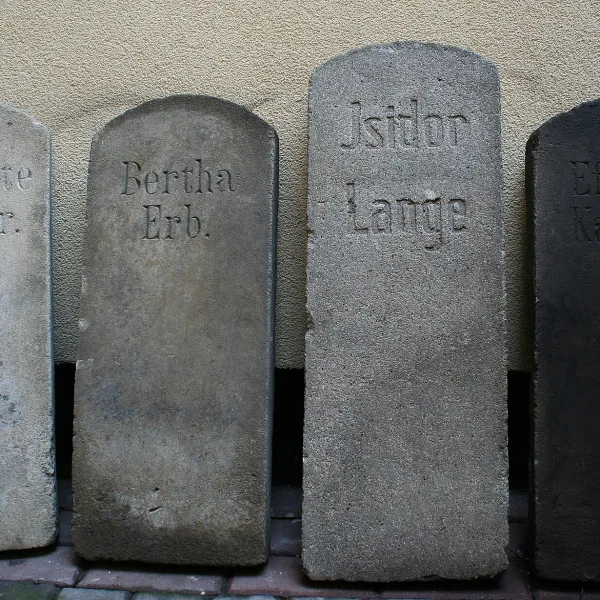
Two burial grounds call for reflection. The municipal cemetery by Rudzka and Kotucza streets takes in former denominational sections and graves of the defenders of September 1939 and of Silesian insurgents, and it has a memorial wall. The Jewish cemetery existed from 1815 to 1931. In 1940 the German occupier destroyed it, gravestones were used to harden roads, and today the site is a green square. Other former Jewish burial grounds nearby are described in a separate text about the old cemeteries. The full set of free places is under free attractions, and the whole town is covered by things to do in Rybnik.
Frequently asked questions
What can I see in Rybnik for free in one day?
Pair a walk by the lake with a visit to Kozie Góry Park and one monument in the centre. With more energy, add part of the ironworks trail.
Where does the Trail of the Beginnings of Metallurgy lead?
To Żory. Over roughly 21 kilometres you pass the ruined ironworks and the furnace tower.
What is on the site of the Jewish cemetery in Rybnik today?
A green square, which is a public park, because the burial ground was destroyed in 1940. Only fragments of gravestones remain.
Is there a park with a long history in Rybnik?
Yes, Kozie Góry dates from the late nineteenth century, and St John Sarkander Park lies on a former cemetery beside a fifteenth-century chapel.