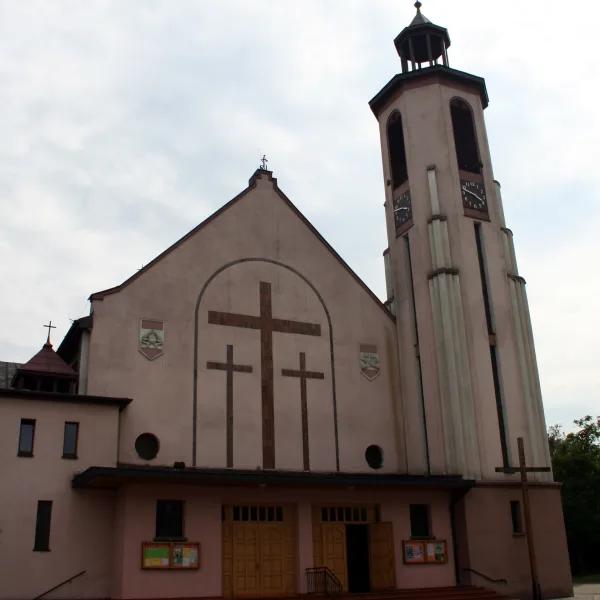
Solo in Rybnik means travelling at your own pace: a historic coal mine, a large reservoir and a dozen churches spread across the city.
Rybnik is easy to explore alone. Most sights are churches, historic buildings and open-air places that need no guide and no booking, though they lie in different districts. The selection covers a dozen churches, two museums, a former mine, a castle, a brine graduation tower, a reservoir and a long hiking trail. Ideas for travelling alone across the region are collected under Solo in Silesia; the whole city is covered by things to do in Rybnik.
Where to start exploring Rybnik on your own?
Start in the centre, where three churches, a former castle and a museum in the old town hall stand within a few streets. From there it is easy to plan separate outings: to the mine in Niewiadom, to the reservoir or to a district with a historic church.
The city is spread out, so one goal per outing usually works better than trying to see everything in a day. If you like industrial heritage, begin with the “Ignacy” Historic Mine. If you prefer architecture, head to the Basilica of St Anthony, and nature lovers will choose the lakeshore.
Rybnik's past, from a charter of 1223 to the coal era, fills the article Rybnik from a mention in 1223 to a mining town.
What can you see in central Rybnik in one afternoon?
The centre fits a walk past several sights: two churches near the market square, the castle on Kopernika Square and the museum. It suits a solo traveller who likes to linger over details.
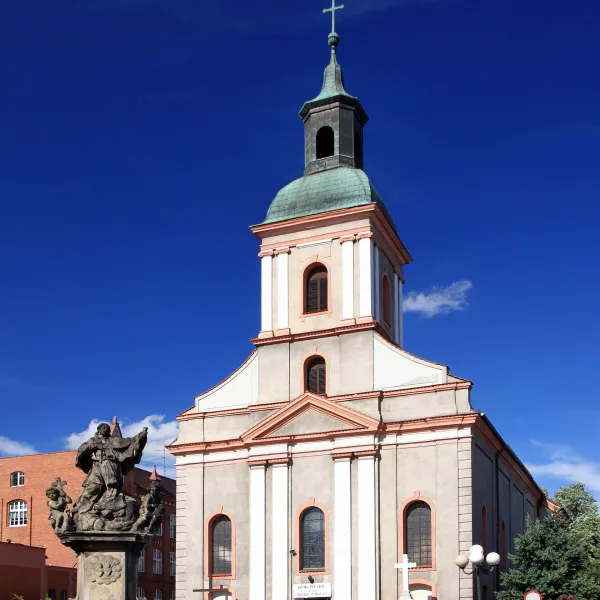
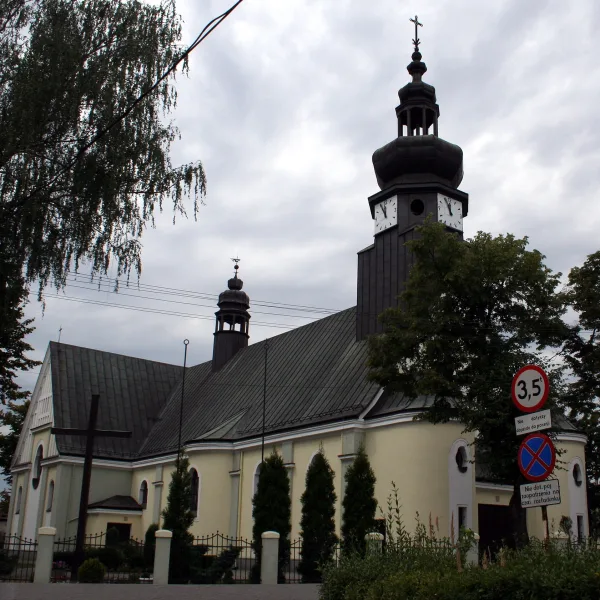
The Church of Our Lady of Sorrows, known as the Old Church, stands on Plac Kościelny. Work took place in 1798-1801, and the style mixes Baroque with Classicism. Inside are late Gothic figures taken from the altarpiece of the earlier parish church. Part of the bricks came from the demolition of an older church.
A few steps away, on Miejska Street, is the Lutheran church of 1853, with a Neo-Romanesque tower. Earlier churches on the site burned down twice, and the first was set up in a former castle net house.
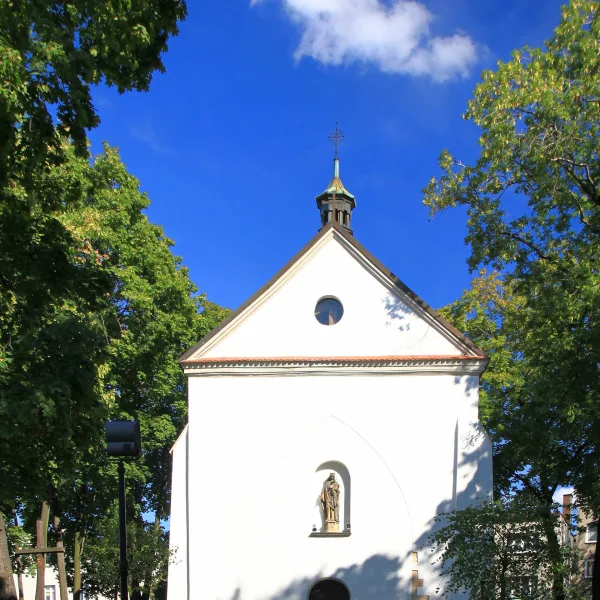
The oldest church in town is the Academic Church of the Assumption on Gliwicka Street, in Jan Sarkander Park. The Gothic chancel of about 1450 is all that remains of the old parish church, and for a long time it worked as a cemetery chapel.
Rybnik Castle is now the seat of the District Court, so the only option is to look at it from Kopernika Square. The Baroque-Classicist building has origins in the late 13th century, and the first record of the stronghold dates from 1327. Its owners ranged from the dukes of Racibórz to the Oppersdorff family, which makes for a short, interesting stop.
Which Rybnik churches are worth seeing first?
Begin with the Basilica of St Anthony, the most recognisable church in the city, then visit the wooden churches in Ligota and Wielopole. The remaining district churches suit anyone who enjoys comparing architecture from different decades.
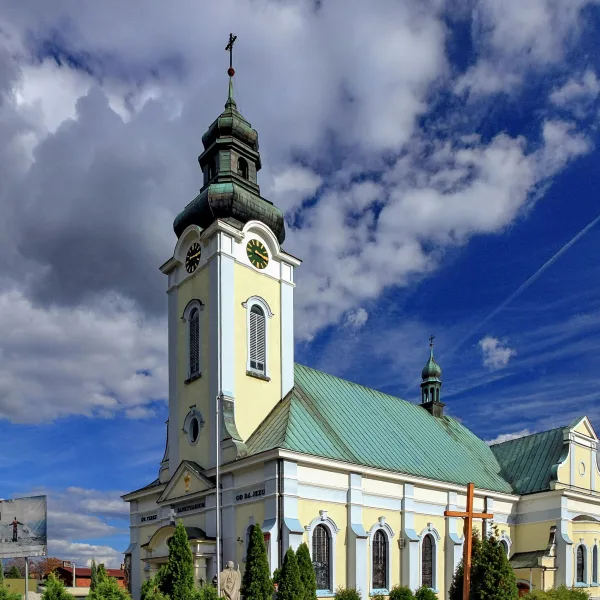
The Basilica of St Anthony of Padua on Mikołowska Street is a brick church in the Neo-Gothic style, completed in 1906. Its towers reach 95 metres, so they are visible from afar, and it is informally known as the Cathedral of the Rybnik Land. Ludwig Schneider designed it, and in 1993 John Paul II gave it the title of minor basilica.
Wooden churches
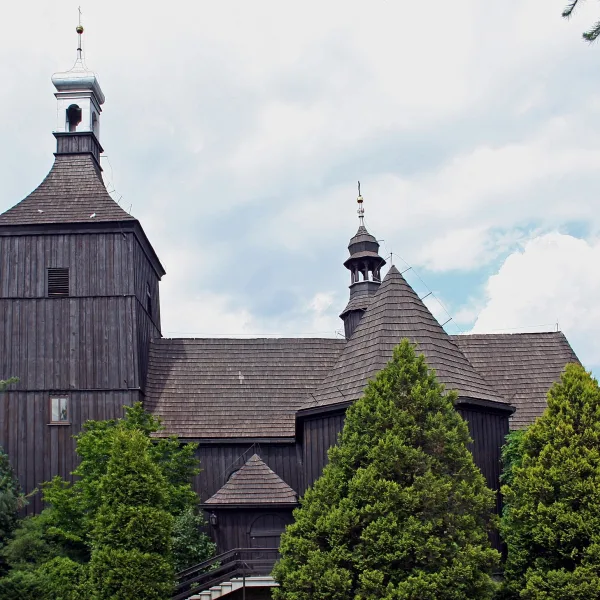
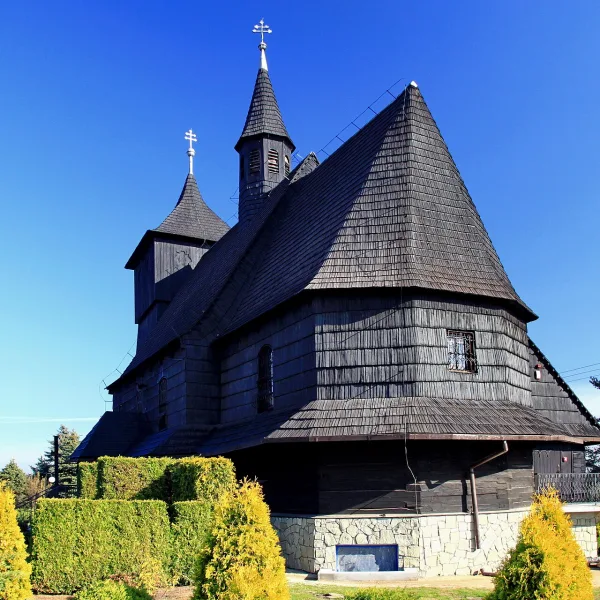
Two wooden churches were moved to Rybnik from other villages. St Lawrence's Church, dating from 1717, stands in Ligota. Carpenters first raised it in Boguszowice, and in 1975 it was moved. Baroque furnishings fill the interior, and a painting by Michael Willmann hangs there.
The Church of St Catherine and Our Lady of the Rosary in Wielopole dates from 1534 and arrived from Gierałtowice in 1976. Among wooden monuments of the Rybnik area it is the oldest one, and its ceiling keeps late Gothic painting. The two belong to the Rybnik circuit of the regional wooden churches route.
Brick churches in the districts
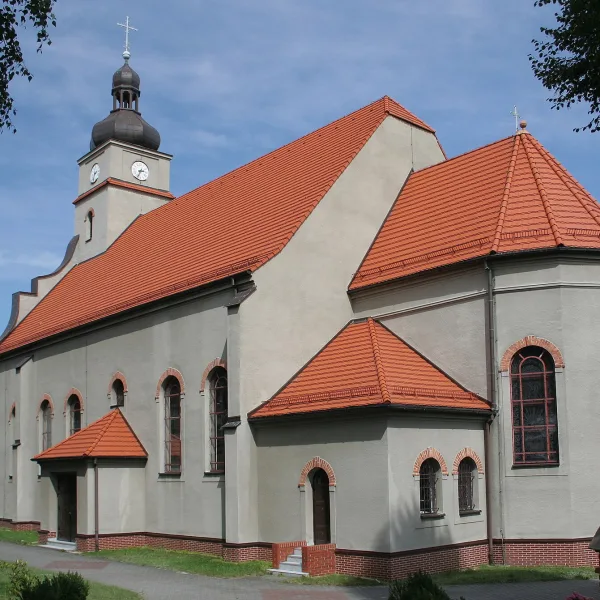
Several brick churches from the first half of the 20th century stand in the outer districts. The Church of the Sacred Heart in Boguszowice Stare is a Neo-Baroque brick building from 1929-1935. Its namesake in Niedobczyce, the Church of the Sacred Heart in Niedobczyce, is also Neo-Baroque but dates from 1920-1921 and has an organ from 1935. Check the district before you set out so that you do not mix them up.
Others include the Church of Christ the King in Golejów, built in four months in 1926, St Joseph the Worker in Smolna, raised in six months in 1937, and the Church of the Holy Trinity in Popielów, where two 15th-century bells hang. In Chwałowice stands the Church of St Thérèse of the Child Jesus, a sanctuary since 2005.
Where can you relax outdoors in Rybnik?
For a quiet walk, the Rybnik Reservoir is the best choice, and for a longer outing there is a blue trail to Żory. The brine graduation tower in Paruszowiec-Piaski is a shorter trip that fits into an hour.
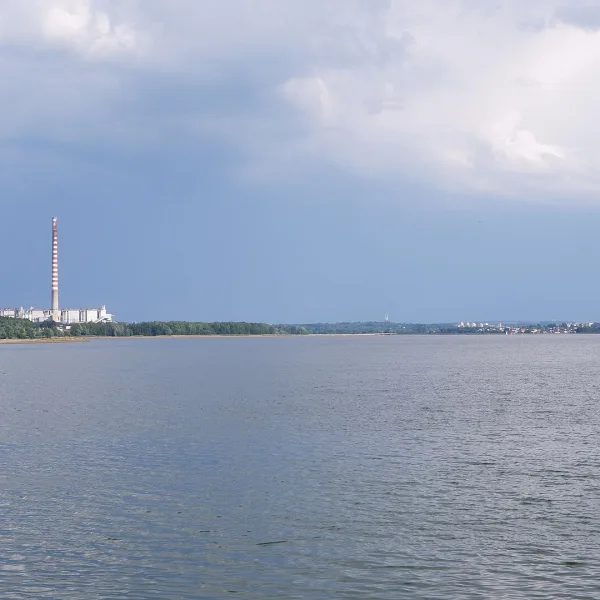
The Rybnik Reservoir is a dam reservoir on the Ruda river, covering 4.5 square kilometres, built for the Rybnik power plant. It spreads across several districts, including Rybnicka Kuźnia, Orzepowice, Chwałęcice and Stodoły. Sailors and anglers use it, and a solo walker finds plenty of open space.
The brine graduation tower stands on the site of a former swimming pool. It was built in 2018 from wood and blackthorn branches over which brine trickles, and next to it lies a 12.4-hectare pond with a renovated pier and footpaths and cycle paths. Other towers in the region are described in Brine graduation towers and spa halls in Silesia.
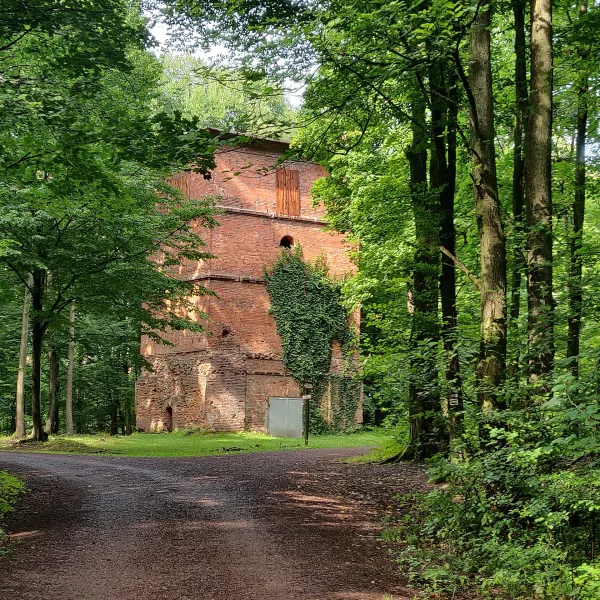
For long-distance walkers there is the Trail of the Beginnings of Metallurgy, a blue hiking trail of about 21 km from Rybnik through Szczejkowice to Żory. The route passes what is left of the “Waleska” ironworks, plus a blast furnace tower. Reserve a whole day.
What to see in Rybnik when it rains?
On a wet day, choose the two museums and the mine, where you can spend several hours indoors. Each lies in a different part of the city, so they need separate outings.
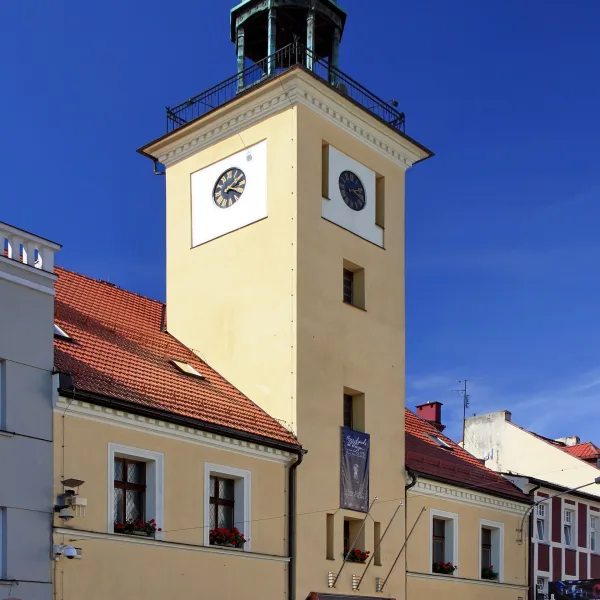
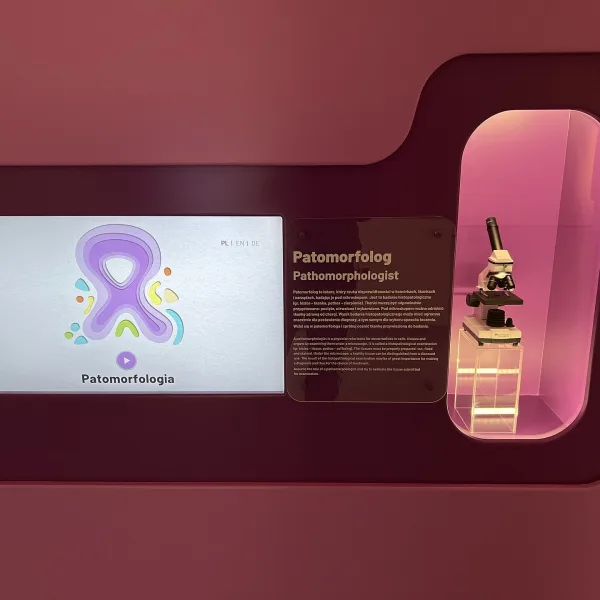
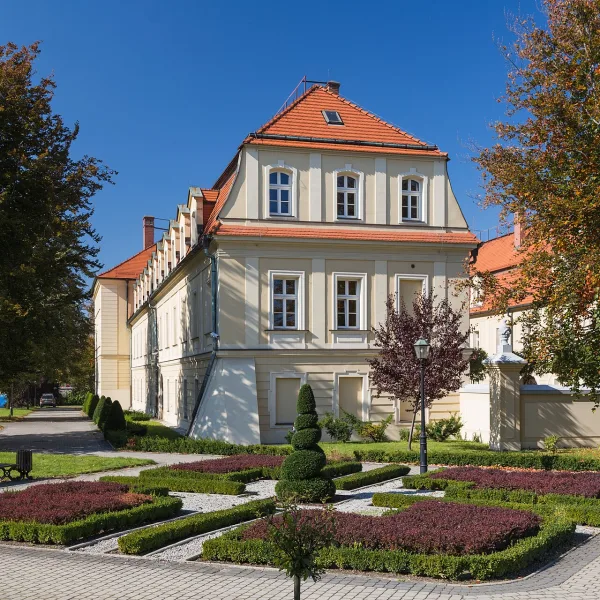
The Museum in Rybnik occupies the former town hall in the centre. Its displays cover the history of the town, crafts and mining. Edukatorium Juliusz occupies a hospital building erected in 1869 on Klasztorna Street, with an interactive show about medicine and pharmacy.
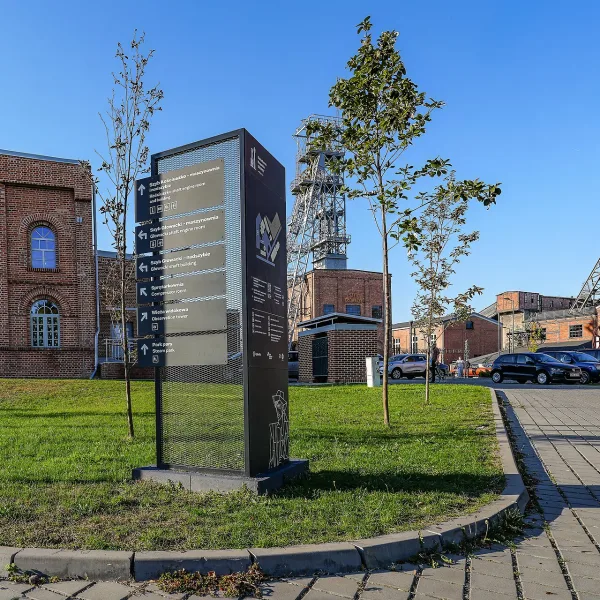
The colliery in Niewiadom, founded in 1792, is now a heritage complex with two steam engines, a tower with a viewing terrace and a science centre. Its story is told in the “Ignacy” mine in Rybnik, and other mines with new roles appear in Mines in new roles.
Frequently asked questions
Is Rybnik suitable for sightseeing alone?
Yes. Most sights are churches, historic buildings and open-air places that you can see without a guide or a booking. The city is large, so people usually choose one area per outing.
How much can I cover in Rybnik in a single day?
The centre has the Old Church, the Lutheran church, the Academic Church, the castle and the museum. Later you can go to the mine in Niewiadom or walk by the reservoir.
Where are the wooden churches in Rybnik?
St Lawrence's Church is in Ligota on Wolna Street, and the Church of St Catherine is in Wielopole on Górna Street. Both were brought from other villages and together make up the Rybnik loop of the regional route.
Can I visit Rybnik Castle?
Not as a museum, because the building houses the District Court. You can see it from outside on Kopernika Square.
What can I do in Rybnik when it rains?
Visit the museum in the former town hall, Edukatorium Juliusz or the “Ignacy” mine. All three have exhibitions indoors.

 Industrial heritage