Industrial heritage in Silesia: mines, water towers, coking plants and miners' housing estates from Zabrze and Tarnowskie Góry to Katowice and Rybnik.
For more than two centuries the region lived on coal, metal ores and steelworks, and the traces of that era remain in the landscape: shafts, headframes, water towers, workers' housing and factories. Some still work as museums, while others await renovation and can only be seen from outside. This guide gathers several dozen places across the Silesian Voivodeship, so it is easy to plan a day about mines, housing estates or railways.
Where should you start with industrial heritage in Silesia?
A first visit works best with a mine below ground, Guido in Zabrze or the Historic Silver Mine at Tarnowskie Góry, followed by a stroll through a miners' estate such as Nikiszowiec. These three places show well how people once mined, lived and worked.
The Guido Historic Coal Mine in Zabrze lets you descend to depths of one hundred and seventy or three hundred and twenty metres; the mine is run by the Coal Mining Museum. The Historic Silver Mine in Tarnowskie Góry takes visitors through old workings of the Royal Fryderyk Mine, and its underground sections are included in the UNESCO listing. Nikiszowiec in Katowice is a compact estate of red brick built in 1908-1919, a Monument of History since 2011.
Many of the sites gather in a few towns, so it is easiest to plan by location. Katowice has the most, followed by Zabrze, Bytom and Tarnowskie Góry. Details are on the pages for Katowice, Zabrze, Bytom and Tarnowskie Góry, as well as Gliwice, Racibórz, Ruda Śląska and Świętochłowice.
Several of the sites below lie along the Industrial Monuments Route of the Silesian Voivodeship, which links scattered places in one themed itinerary. On it are Szombierki, the Prezydent shaft in Chorzów, the Ficinus colony in Ruda Śląska, the station at Rudy, the Old Factory in Bielsko-Biała, the Railway History Museum in Częstochowa and the Iron Ore Mining Museum. This lets you build your own route over several days, staying in one town and travelling out to further stops.
Which mines can you visit and what is underground?
You can go underground in three places: Zabrze, Tarnowskie Góry and Dąbrowa Górnicza. Each shows a different kind of mining: coal, silver and lead ore, and training.
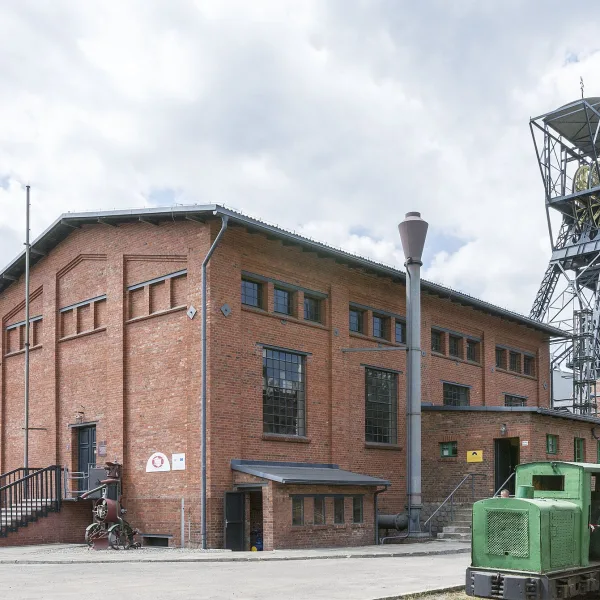
Zabrze's second underground site is the Queen Louise Adit, nearly five kilometres of disused workings plus the Main Hereditary Adit, where a stretch is travelled by boat. The surface buildings around the Carnall shaft are completed by the chain bathhouse of 1890. In 2020 Guido and Queen Louise, together with the adit, were recognised as part of the Monument of History of the Zabrze coal mines.
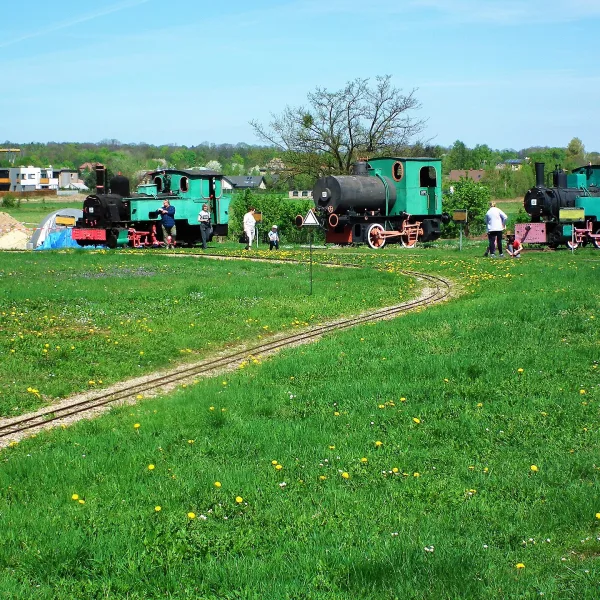
In Tarnowskie Góry the Royal Fryderyk Mine operated from 1784, extracting lead and silver ore, and is partly open today. Beside it stands the Steam Engine Open-Air Museum, an outdoor collection of engines and locomotives opened in 1976. The whole Tarnowskie Góry UNESCO listing covers a set of twenty-eight sites in three localities and an underground drainage system.
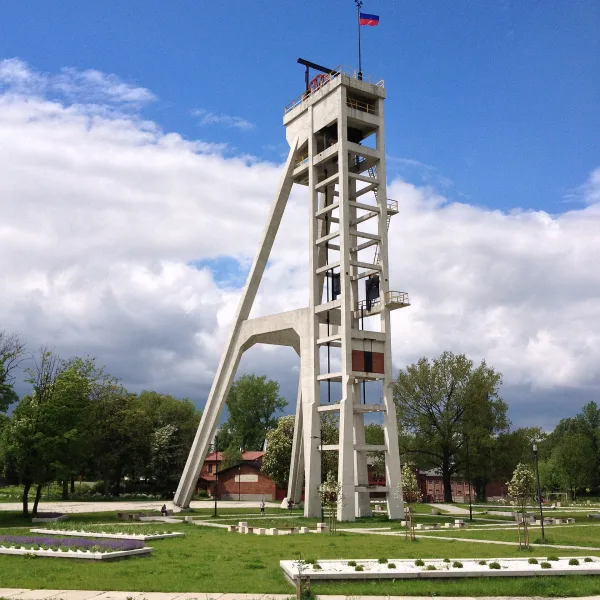
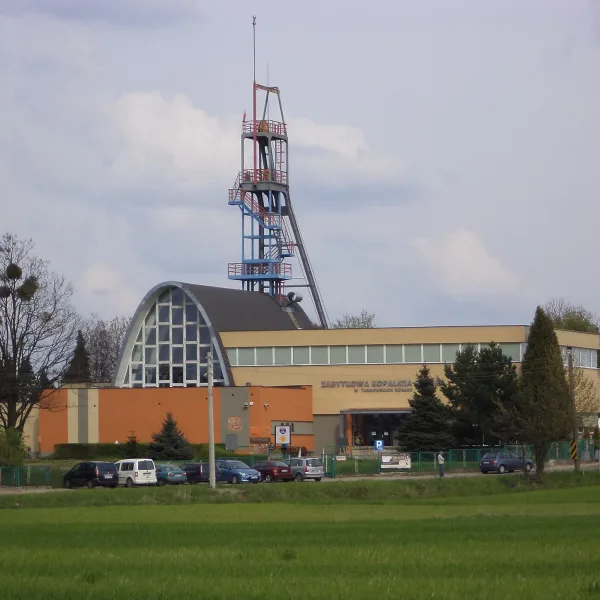
The Training Mine in Dąbrowa Górnicza was dug in the 1920s to teach would-be miners and today serves as an underground route of the Sztygarka City Museum. Families will also like the Ignacy Historic Mine in Rybnik: a pair of steam engines, a tower that has an observation terrace, and a children's science centre. The Prezydent Shaft in Chorzów is a concrete headframe from the early 1930s that rises 42.5 metres and offers a viewing platform. Częstochowa's Iron Ore Mining Museum reconstructs workings in tunnels under a park.
Where can you see water towers?
Water towers are among the easiest industrial monuments to find, since they stand in plain view in several towns of the conurbation. Two can be climbed, while the others are seen from the street.
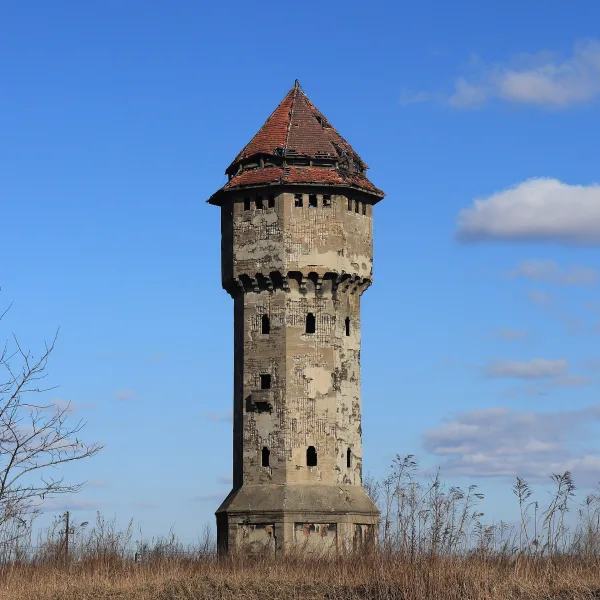
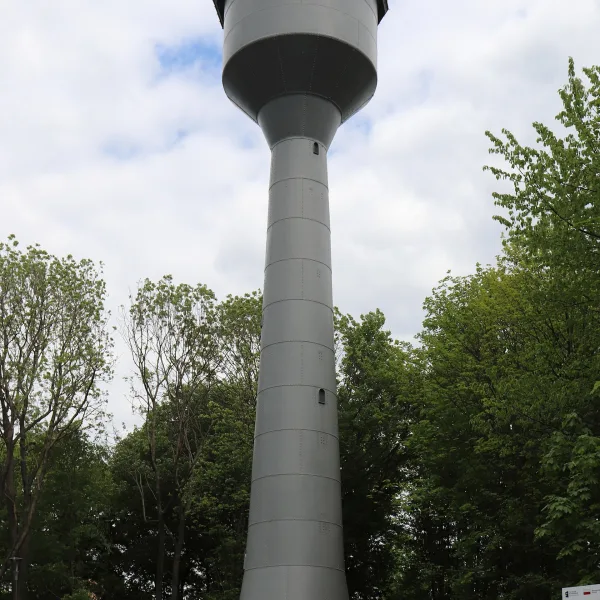
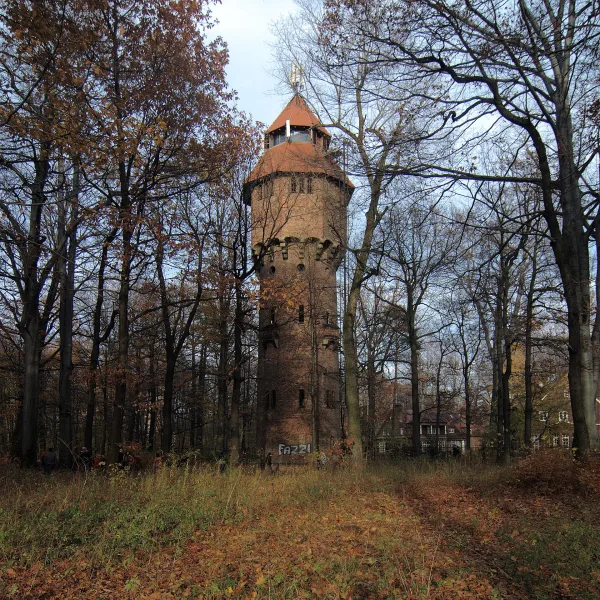
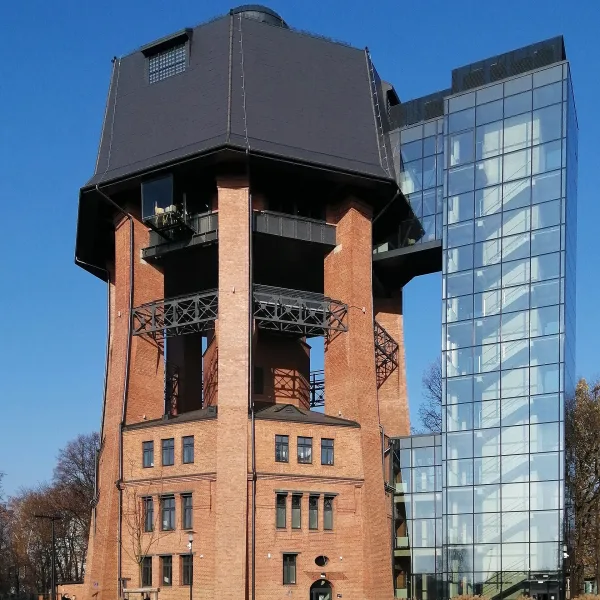
In Zabrze the water tower of 1909 is about forty-six metres tall and holds the CARBONEUM exhibition on coal and a viewing platform. In Giszowiec a brick water tower rises at the highest point of the estate, and in Szopienice stands a reinforced-concrete tower of 1912, now unused. In Grodziec near Będzin the steel tower of 1902 is considered the only fully riveted one in Poland. In Bytom the municipal tower of 1934-1936 represents modernism, and the railway water tower at Katowice's main station, thirty metres of brick, dates from 1951.
Which workers' estates and colonies are worth seeing?
Silesian workers' estates were built beside plants to house employees. Today they are among the best-preserved complexes of this kind in the country, and most lie in the Katowice districts of Szopienice-Burowiec, Janów-Nikiszowiec and Giszowiec.
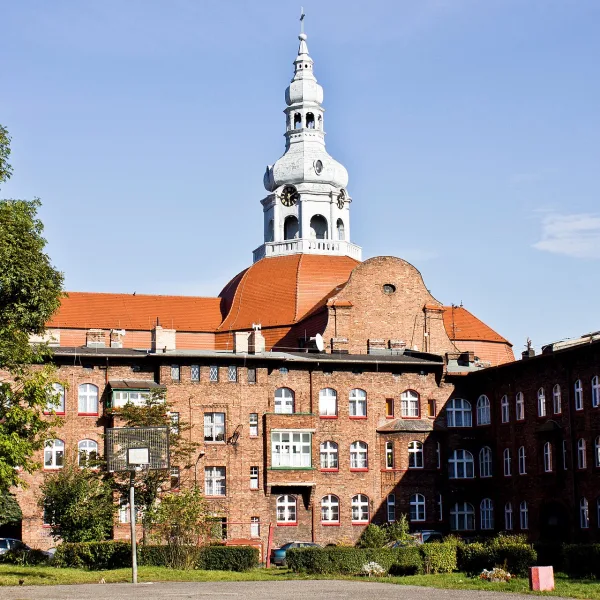
Besides Nikiszowiec, Katowice has Helgoland on Lwowska Street, built around 1890-1905 of red brick for zinc-works employees, and the Wilhelmina Colony that grew around that works. In Wełnowiec lies the Alfred Colony, a former mine estate protected in 1978. In Ruda Śląska the Ficinus colony is sixteen identical sandstone houses of 1860-1867, and in Bytom-Łagiewniki the Zgorzelec Colony consists of thirty-four red-brick family houses.
What else do factories and technology museums show?
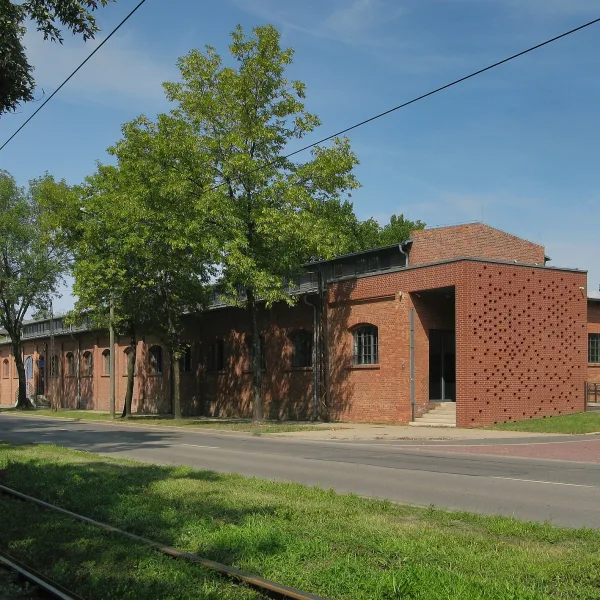
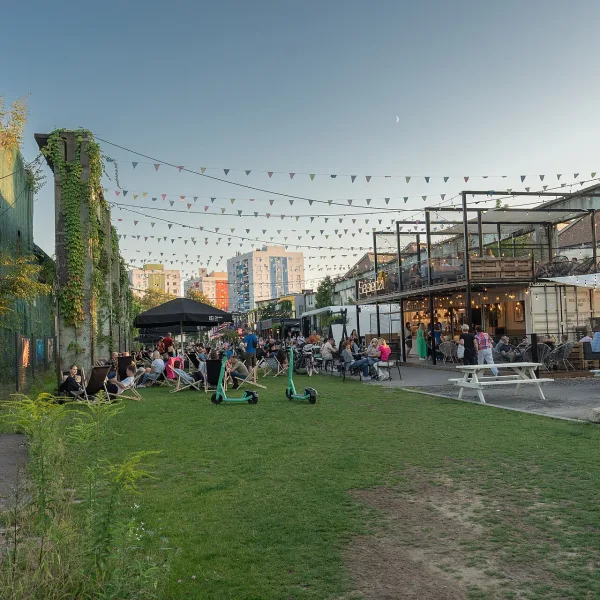
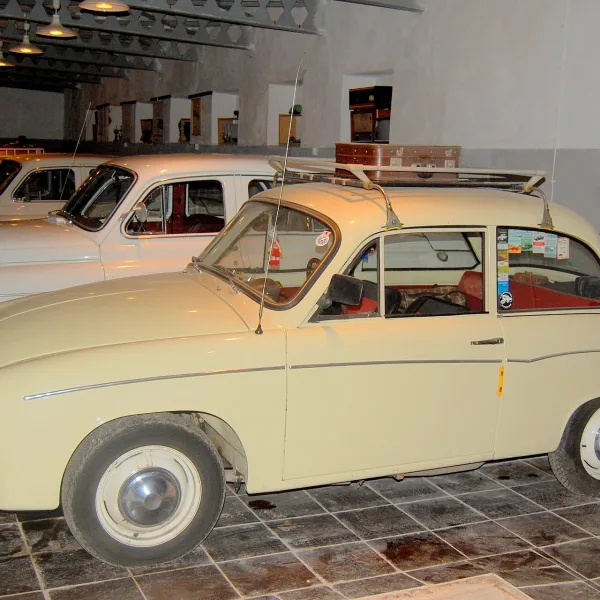
Beyond mines there are coking plants, steelworks, breweries and railway museums. In Katowice-Szopienice the Rolling Mill - Zinc Metallurgy Museum occupies a hall of 1903-1904 and shows the original production line of zinc sheet, steam engines and a collection of motorcycles. In Ruda Śląska the Orzegów Coking Plant of 1903 has been partly turned into an educational park. In Dąbrowa Górnicza the Factory Full of Life occupies the grounds of a former machine-tool factory and is becoming a space for events.
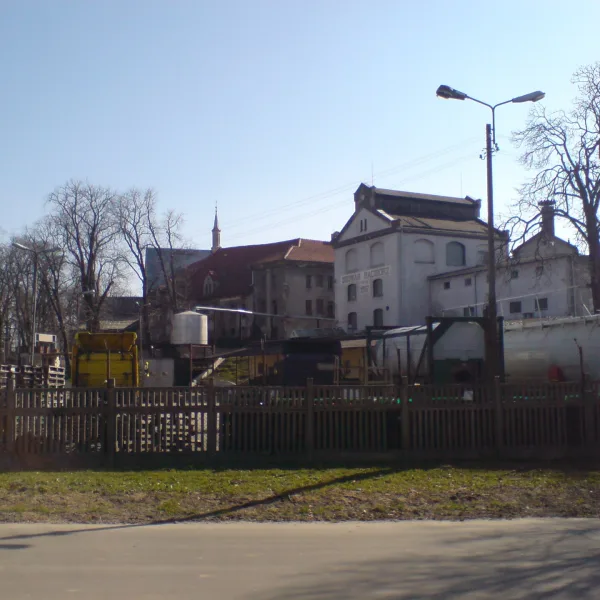
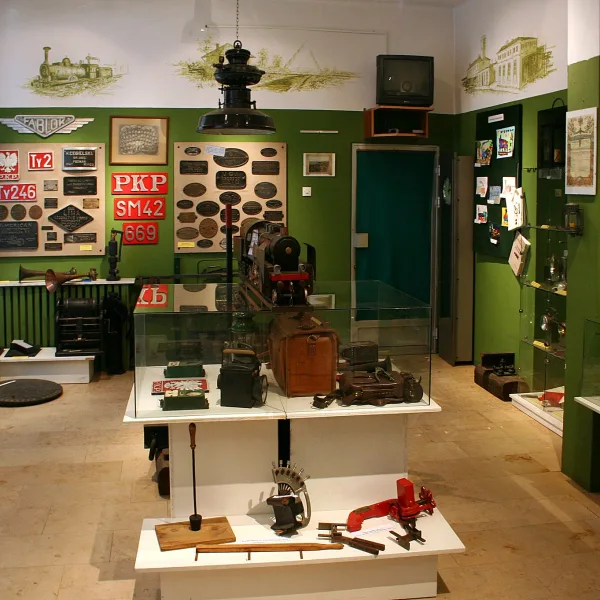
For railway enthusiasts there are three places: the narrow-gauge station at Rudy with a steam locomotive and rides, the railway open-air museum in Pyskowice with locomotives and wagons, and the Railway History Museum in Częstochowa in the Stradom station building. Breweries include the Castle Brewery in Racibórz on the grounds of a former castle and the Castle Brewery in Cieszyn below Castle Hill, regarded as the longest continuously operating in Poland; the first brewery was started at the castle in 1653. Beer was brewed by the Racibórz castle as early as the 1500s, though today's brewery was raised in the nineteenth century after a blaze. Collections of machines and vehicles can be seen in the Old Factory in Bielsko-Biała, a former cloth mill of the Büttner brothers, and in the Motor Museum in Bielsko-Biała in halls of a former plant that processed fruit.
Which sites can only be seen from outside?
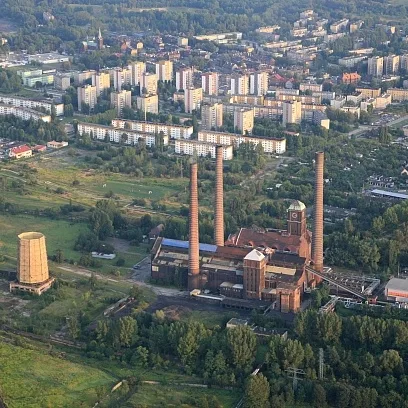
Some industrial monuments are closed to visitors or abandoned, so only a walk around the fence remains. The Szombierki Heat and Power Plant in Bytom, from 1920 and operating until 2011, covers nearly eighteen hectares: boiler house, engine hall, a clock-bearing water tower, a coal tower and three factory chimneys. It is listed as a monument and sits on the Industrial Monuments Route, yet permanent visiting is not possible. The water tower in Szopienice and the Kmicic Brewery in Częstochowa, closed since 2004, are views from the street. The buildings of the former Preussen mine in Bytom-Miechowice likewise stand in a forest by a ventilation shaft.
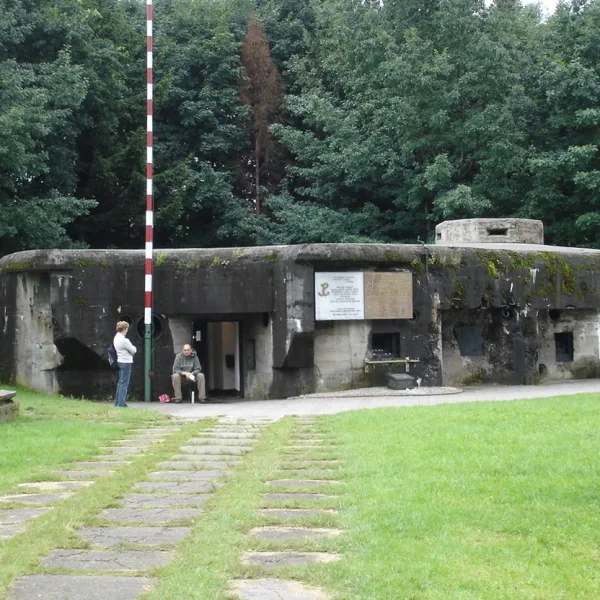
Defensive and military sites form a separate group. The Wędrowiec heavy combat bunker in Węgierska Górka, built in 1939, is one of four bunkers that defended the southern border in September 1939 and today commemorates that defence. Those interested in military vehicles can head to the Military Technology Museum in Zabrze and the Museum of Military Technology in Zbrosławice.
What is there beyond the conurbation?
Outside Upper Silesia, industrial heritage forms smaller clusters that combine well with other plans. The Dąbrowa Basin has Dąbrowa Górnicza, Będzin and Sosnowiec; the Częstochowa area has three sites linked to iron ore, railways and brewing; and Bielsko-Biała has a textile factory and a motor museum. In the south of the voivodeship single sites lie in Cieszyn, Wisła, Węgierska Górka and Milówka, and in the west in Racibórz, Rudy, Brzeźnica and Ptakowice.
In Brzeźnica near Racibórz, a restored water mill of the eighteenth century is driven by water from a nearby stream and is in working order. The place is also linked with the memory of the poet Joseph von Eichendorff, so a visit joins technology with literature. It makes a good target for a quiet trip out of town.
Which Katowice districts have industrial monuments?
Katowice has twenty-odd technical sites, and most lie in Szopienice-Burowiec, where a rolling mill, a water tower, Helgoland and Wilhelmina are all in one district. Janów-Nikiszowiec has the historic Nikiszowiec estate, and Giszowiec a company estate with a brick water tower. Single places lie in Podlesie, Osiedle Witosa, Bogucice, Śródmieście, Wełnowiec-Józefowiec, Załęże, Murcki and Kostuchna. Check the address before setting out, since distances between the districts are large.
Where should you go with children or in the rain?
For a rainy day choose sites under a roof or underground: Guido, the Queen Louise Adit, the Rolling Mill in Szopienice, the Old Factory in Bielsko-Biała or the museums in Częstochowa. With children the easiest trips are to Rybnik, where a science centre and steam engines can be visited together, and to Rudy, where you can ride a historic train.
Frequently asked questions
Is industrial heritage in Silesia free to see?
Many sites, such as estates and towers, can be viewed from outside at no charge, but entry to mines and museums depends on the site, so check it for each place.
Which mines have underground routes?
Routes below ground exist at Guido, the Queen Louise Adit, the Historic Silver Mine and the Training Mine in Dąbrowa Górnicza, plus a subterranean display on iron ore in Częstochowa.
Can Nikiszowiec be visited independently?
Yes, it is a living estate of streets and a central square, seen on foot, remembering that people live there.
What can you see in a day in Zabrze?
Plan Guido, the Queen Louise Adit and the water tower; one institution, the Coal Mining Museum, looks after all three.
Are all the sites open to visitors?
No. The Szombierki power plant, the tower in Szopienice and the Kmicic Brewery can only be seen from outside.
What can you see in a day in Tarnowskie Góry?
The first stop is the underground route of the Historic Silver Mine, the second an outdoor display of steam engines on its grounds. The third is reading up on the full UNESCO listing, which reaches Bytom and Zbrosławice as well.

 Industrial heritage