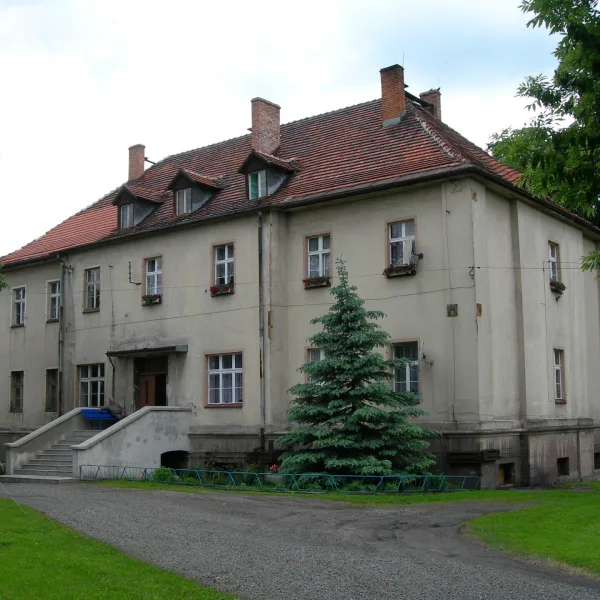
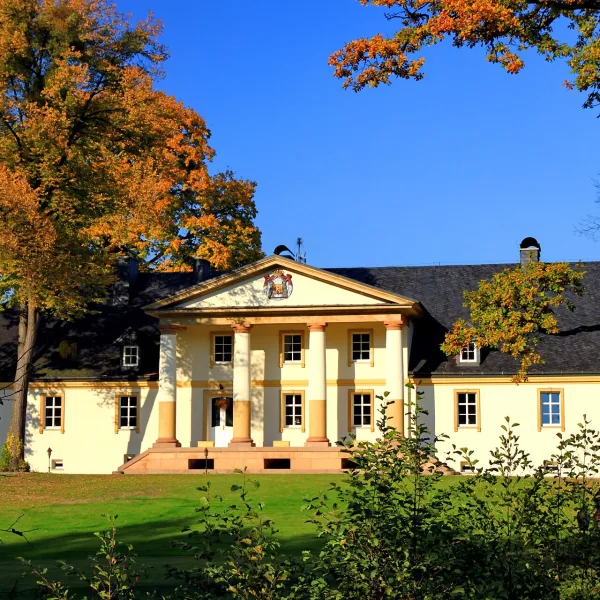
Palaces in Silesia: over eighty residences, from Pszczyna to Wisła and the Jura. See which you can enter and which only admire from outside.
The palaces, manors and small lodges of the Silesian Voivodeship were built for magnates, industrialists and princes. Some now serve as hotels, cultural centres, offices or retreat houses. Others stand as ruins in parks. Many are listed monuments.
Which palaces in Silesia should you see first?
Begin with residences that you can enter, or at least approach through the park. The Czecz Palace in Kozy has a library, a history chamber and a concert space inside, and the Princely Pheasantry in Poręba runs as a hotel with a restaurant. You can also admire the buildings and grounds in Pławniowice, Nakło and Przyszowice.
The monuments fall into three groups: places with a hotel or cultural institution, buildings used for entirely different purposes, and ruins. That makes it easier to plan a trip without finding a locked gate.
Which palaces stand in Katowice and the nearby towns?
The conurbation has residences built for industrialists and church hierarchs. Today they serve administration, healthcare or the Church, so you will mostly see them from the street.
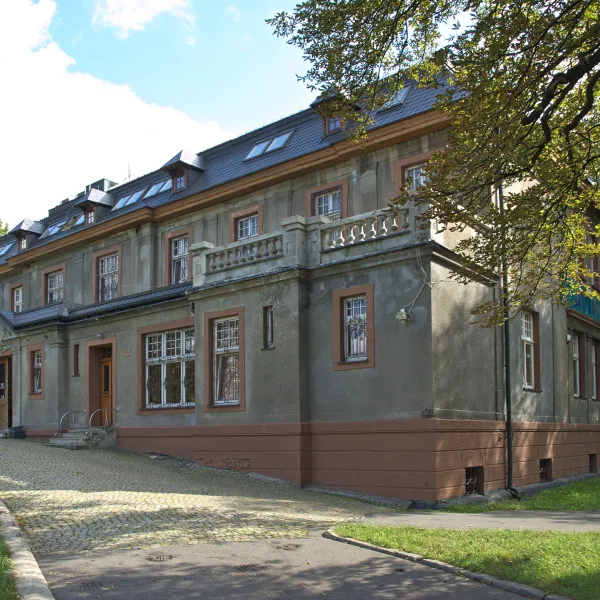
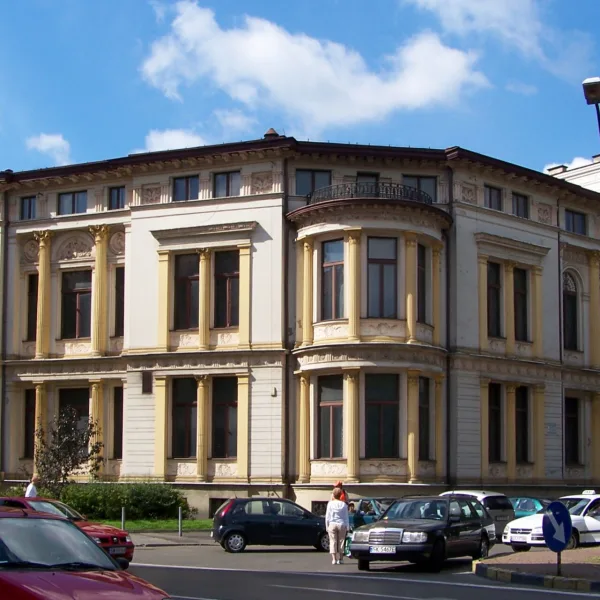
In the Śródmieście district of Katowice you will find the Goldstein Palace on Plac Wolności, a neo-Renaissance villa of 1872 built for the Goldstein brothers, owners of sawmills, and now a registry office. At Henryka Jordana 39 stands the Bishop's Palace in Katowice: a brick seat of the curia put up in 1927-1933, right beside Christ the King Cathedral. The designers were Zygmunt Gawlik and Franciszek Mączyński, who also shaped the cathedral next door. In the Załęże district, at Gliwicka 159, is the Załęże Palace, a neoclassical building from 1886-1887 that once housed the board of the Giesche company. Today it is a private hospital.
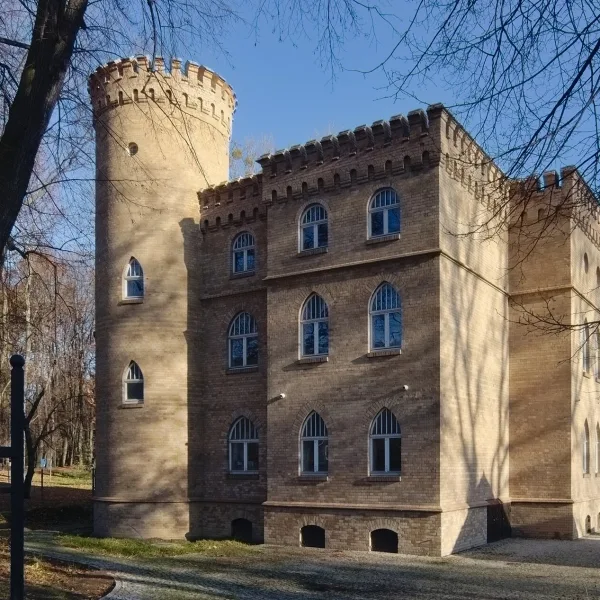
Siemianowice Śląskie has two residences. The Palace in Siemianowice Śląskie on Chopina Street once belonged to the Henckel von Donnersmarck family; one wing is Baroque, another Neoclassical. In Michałkowice stands the Forester's and Gardener's House in Michałkowice, a neo-Gothic brick lodge that resembles a small castle and has a round tower.
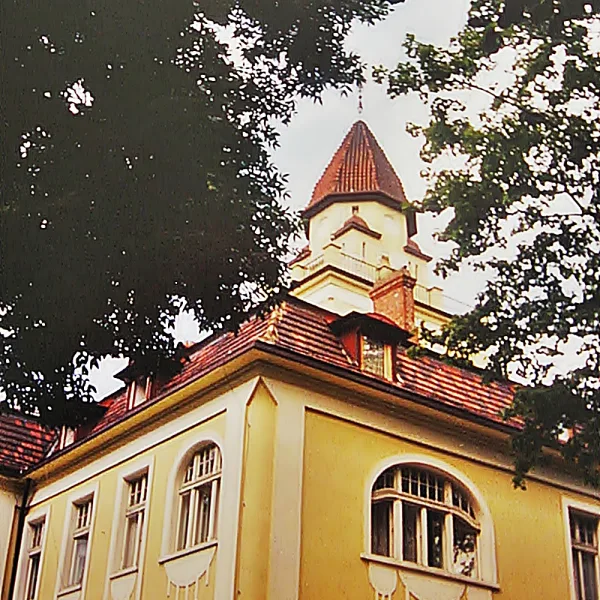
In Czerwionka-Leszczyny you can see two former residences. The Palace in Leszczyny from 1882-1883 takes the form of a neo-Renaissance Italian villa, featuring a square tower. The Manor House in Czuchów, also called a castle, is a Neoclassical building from the late 18th century with remnants of a landscape park and a chapel. In Sosnowiec, in the Zagórze district, you will find the Mieroszewski Manor House in Sosnowiec, a Neoclassical manor with a fragment of its park.
Which palaces and manors stand around Pszczyna and in the Beskids?
Further south, residences are tied to the princes of Pszczyna and to mountain holidays. Some welcome guests, while others are architectural curiosities to see from outside.
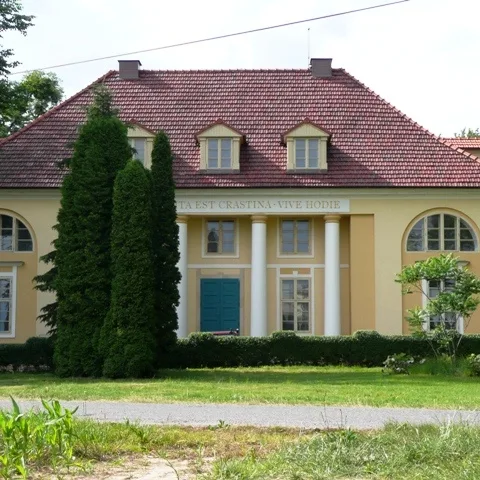
In Pszczyna, between Dunikowskiego and Chopina streets, stands the "Ludwikówka" Manor House in Pszczyna. Built around 1800 in the Neoclassical style, it has a portico resting on Tuscan columns and occupies the northern fringe of the old English park by the castle. In Poręba, part of Pszczyna, the Princely Pheasantry in Poręba is a late Neoclassical hunting lodge from 1792-1800. It now operates as a hotel and restaurant, and its historic interior layout has survived.
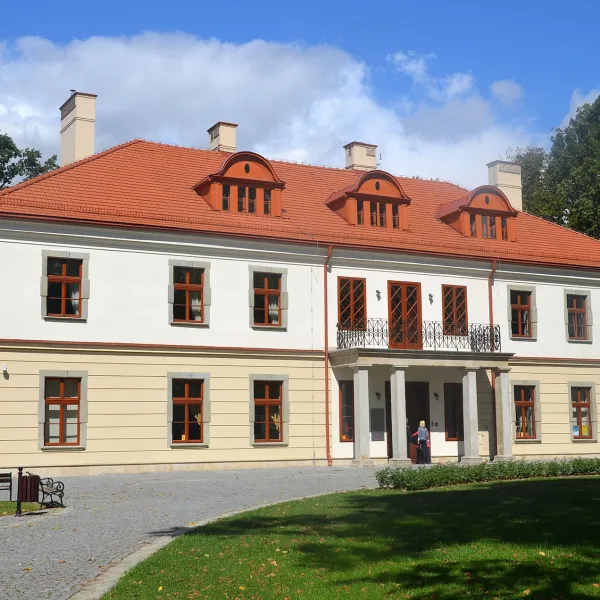
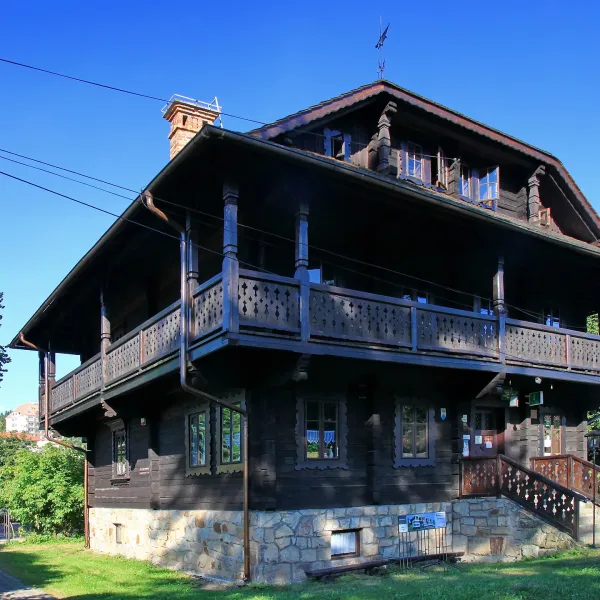
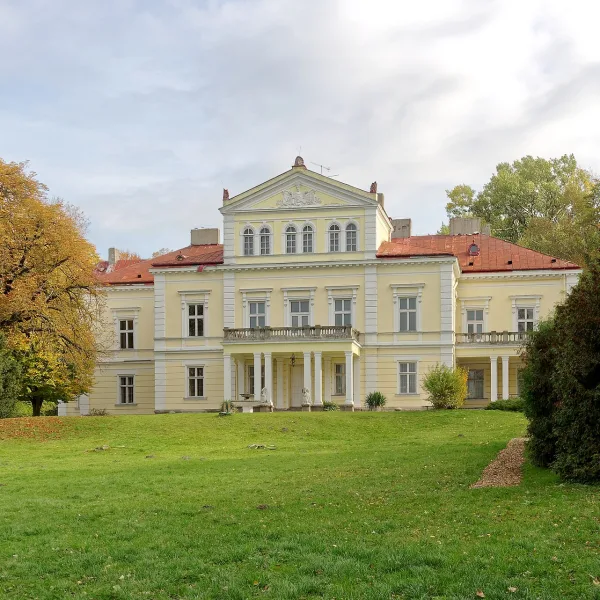
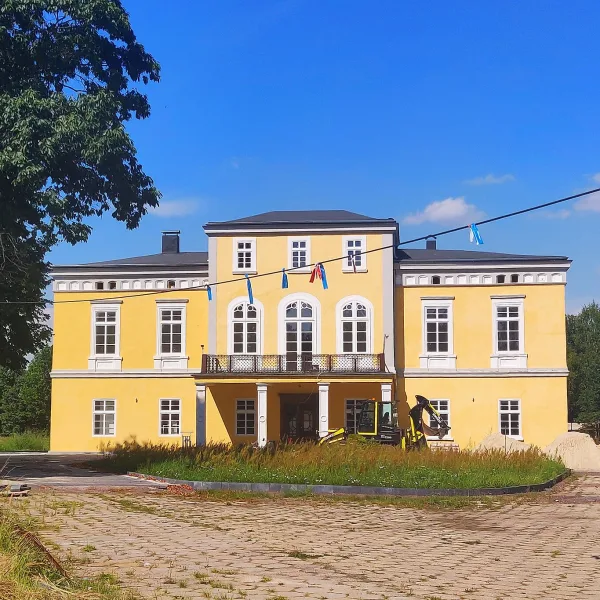
At the foot of the Little Beskids lies the Czecz Palace in Kozy, a Neoclassical palace in the middle of the village, restored in 2011-2014 and given over to culture. The park is open to the public. In Wisła, look for the Habsburg Hunting Lodge in Wisła: a timber hunting lodge in Tyrolean style, built in 1897 at Lipowa 4a and now the seat of the local PTTK branch. It lies on the Wooden Architecture Trail.
Which village palaces and manors are worth seeing outside the big cities?
Many residences stand in villages, often together with a park and farm buildings. They are easy to spot, but visits to the interiors can be limited, because many now have a different purpose.
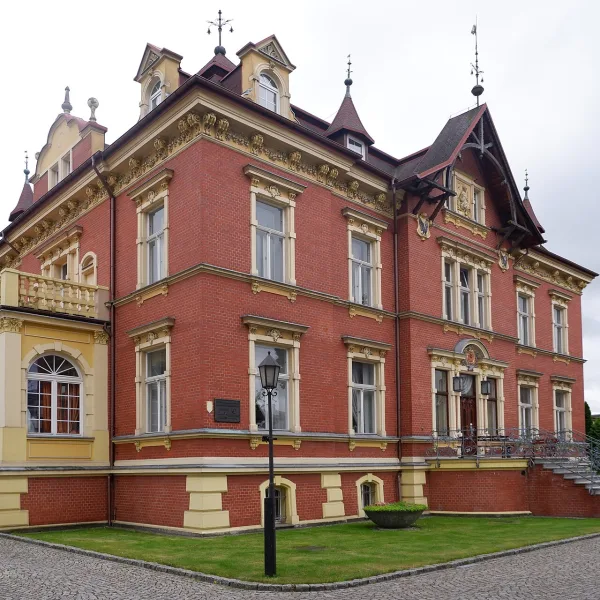
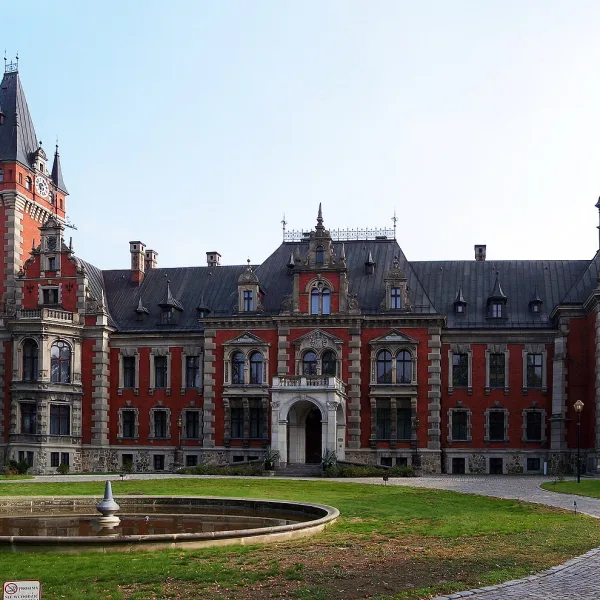
The Ballestrem Palace in Pławniowice is a clinker-brick palace in the Dutch Neo-Mannerist style from 1882-1885, surrounded by a park with exotic trees. Today it is a diocesan retreat house. In the Gierałtowice commune stands the Przyszowice Palace, with a round tower on its southern side, rebuilt in 1890-1895 and set in an 8.4-hectare park. The Palace in Rudołtowice is a Rococo residence probably built in 1752, together with an outbuilding and a former manorial forge. The Palace in Rzuchów, from 1888, has a two-storey tower, a landscape park and a natural monument.
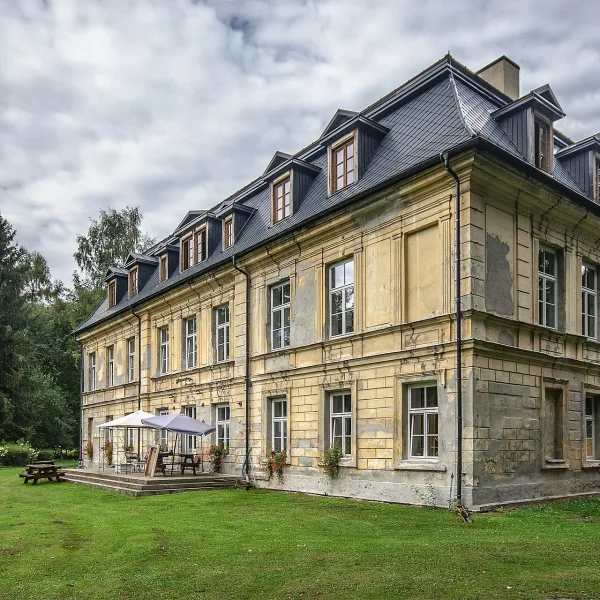
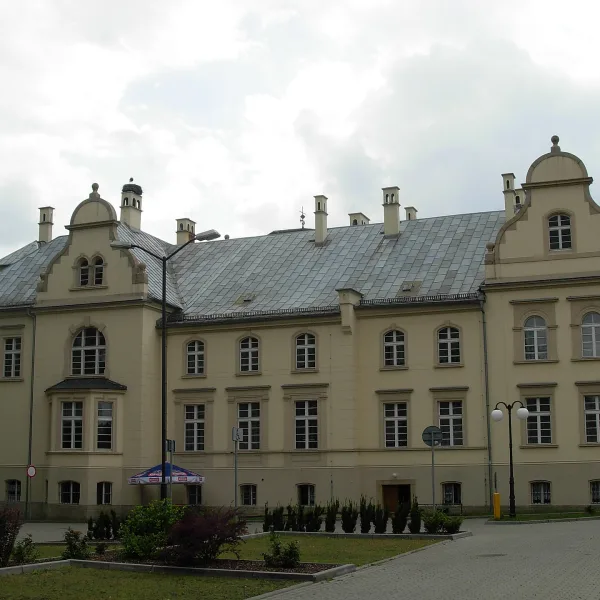
Smaller manors stand out too. The Manor House in Palowice from the early 19th century comes with an outbuilding and a small shrine to St John of Nepomuk. The Manor House in Wielowieś dates from 1748, when Count Franciszek Karol de Verdugo had it built; heraldic crests mark the gate and a coach house stands nearby. The Larisch and Counts d'Arco Palace in Gorzyce is a Neoclassical brick building with an English park. In Sośnicowice, the Palace in Sośnicowice from 1755 stands on the foundations of a former castle. Its interiors carry Régence and early Rococo decoration, but since 1965 the palace has been a social care home, a building in daily use rather than a museum. The Palace in Bycina from the turn of the 18th century has a portal with Corinthian columns, and the Palace in Sieraków Śląski on Aleja Parkowa was built by the von Klitzing family. Near Racibórz stands the Palace in Rudnik, a Neo-Baroque residence from the turn of the 19th century, now in poor technical condition.
Which palaces and manors stand in the Jura and around Częstochowa?
The north of the voivodeship is associated with the Jura and the Eagles' Nests Trail. Residences here usually stand in parks, and several welcome guests as hotels.
The Palace in Nakło from 1770-1780 is Baroque-Neoclassical, stands in a park with monumental trees on the Eagles' Nests Trail and houses a hotel. The Nieznanice Palace from the early 20th century also serves guests: it has a hotel with a restaurant and a spa, and the village lies about 18 km from Częstochowa. The Palace in Radoszewnica by the Pilica river was extended in the late 19th century from a manor of the late 16th century, and an English park with a pond surrounds it. In Myszków stands August Schmelzer's Palace in Myszków from 1895, with verandas and a balcony fenced by a stone balustrade, plus a projecting bay on the front.
Among the manors, note the Manor House in Cielętniki from 1725 with an Arian chapel and a 19th-century distillery, the Manor House in Czepurka from the late 19th century with an arcaded portico, and the Manor House in Kamyk from 1840 with a columned portico, now privately owned. The timber Manor House in Lipie from the 18th century stands in a park with ponds and is also private property. The Palace in Czarny Las dates from the turn of the 20th century and was linked with the Polish insurgent movement during the Silesian Uprisings. Today it is a hotel with a park and ponds.
Which palaces can you enter, and which can you only see from outside?
You are most likely to get inside where a hotel, a restaurant or a cultural centre operates: in Poręba, Nakło, Nieznanice, Czarny Las and Kozy. Around the palaces in Pławniowice, Przyszowice and Rzuchów you can look at the park as part of the whole estate, although the building itself often has other tasks.
Some residences now serve a completely different function. In Katowice there is a registry office and a curia, in Załęże a hospital, in Pławniowice a retreat house, and in Sośnicowice a social care home. The Palace in Kruszyna from 1630-1632 was founded by Kacper Denhoff, hosted kings and has a fifteen-hectare park, but it is closed to visitors. The Italian architect Tomasz Poncini designed it, and Denhoff laid out a French-style park, an orangery and probably the first private theatre building in Poland. The interiors of the Raczyński Palace in Złoty Potok from 1856, surrounded by a forty-hectare park, are not accessible.
Which palace and manor ruins stand in the region?
View ruins from a distance, because the buildings are sometimes only partly secured. Still, they let you imagine the former scale of the residences and the changing fortunes of the estates.
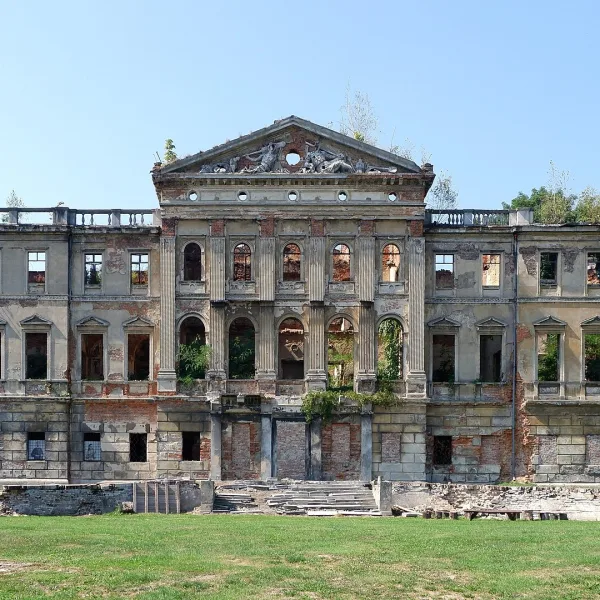
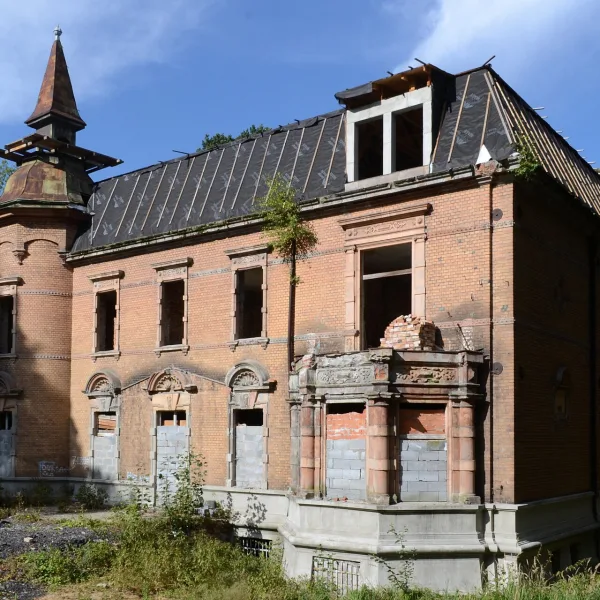
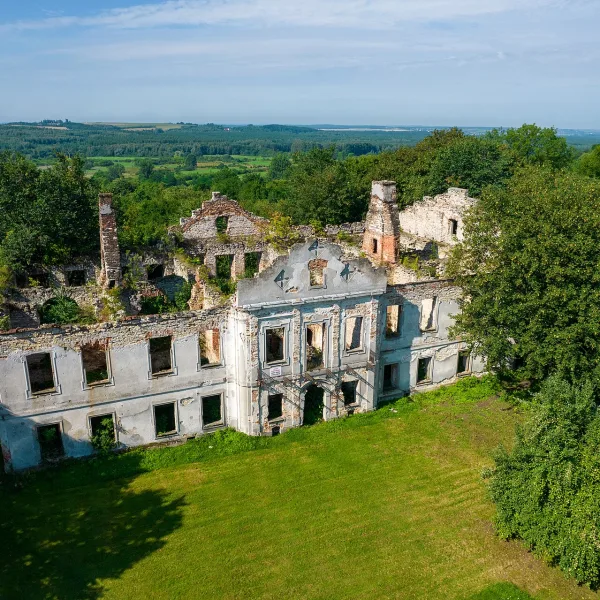
In Sławików the Palace in Sławików is an eclectic ruin of the von Eikstedt family in a park, with surviving walls, cellar and ground-floor vaults and a tunnel under the terrace. The commune is protecting it from further decay. The Moes Palace in Wierbka from 1889 is a ruin in an English park. The Palace in Czekanów was rebuilt in 1878 in the Dutch Neo-Renaissance style, and in 1964 it lost its roofs, gables and towers. The Manor House in Jasiona from 1799 is a ruin in a neglected park with a monumental red oak. The Hunting Lodge in the Łężczok Nature Reserve was built in 1783 by the Cistercians between the Grabowiec and Brzeziniak ponds. The Manor House in Skrzydłów from the mid-19th century is also abandoned, and its park has grown wild.
How to plan a route among the palaces of Silesia?
It is easiest to combine residences from one commune or town. In Katowice, three palaces stand in Śródmieście and in Załęże. In Siemianowice you can see two residences on one trip. In the Zbrosławice commune the ruin in Jasiona neighbours the palace in Czekanów, in the Janów commune you will find Czepurka and Złoty Potok, and in Czerwionka-Leszczyny both Leszczyny and Czuchów. In Pszczyna you can pair the Ludwikówka with the Pheasantry in Poręba.
Lists for the biggest cities are separate: see palaces in Katowice and palaces in Bielsko-Biała. The overview of all residences is under palaces in Silesia.
Frequently asked questions
Is it possible to enter the palaces of Silesia?
Some of them, yes. The hotel residences in Poręba, Nakło, Nieznanice and Czarny Las receive guests, and the palace in Kozy has a library and a concert hall. Many others are closed or ruined and can only be seen from outside.
Can you stay overnight in a palace?
Yes. There are hotels in the Princely Pheasantry in Poręba and in the palaces in Nakło, Nieznanice and Czarny Las. When planning a stay, check whether the building accepts individual guests.
Which palaces are ruins today?
Ruins include the palaces in Sławików, Wierbka and Czekanów, the manor in Jasiona and the hunting lodge in the Łężczok reserve. The manor in Skrzydłów stands abandoned, and its park has grown wild.
Where can you see palaces in Katowice?
Katowice has the Goldstein Palace on Plac Wolności, the Bishop's Palace on Jordana Street and the Załęże Palace on Gliwicka Street. They now serve official, church or medical purposes, so you usually look at them from outside.
Are there parks around the palaces?
Many palaces are surrounded by landscape or English parks, among others in Kozy, Pławniowice, Przyszowice, Gorzyce and Złoty Potok. The park next to the palace in Kozy is open to the public.

 Historic sites