Memorial sites in Silesia: ghettos in Będzin and Częstochowa, the Zgoda camp, sites of former synagogues, war cemeteries and the Wujek mine.
The places covered here are linked to the Second World War, the war of 1914-1918, the Silesian Uprisings and post-war repression. Many are now a square, a monument or a plaque at a place that no longer exists. You can choose by town, by theme or by type of place.
What memorial sites are there in Silesia?
Silesia has sites of former ghettos and camps, vanished synagogues with monuments, Jewish, war and Soviet soldiers' cemeteries, memorials to the defenders of Katowice and places linked to the pacification of the Wujek mine. Most are concentrated in Katowice, with several in Będzin, Częstochowa and Tarnowskie Góry.
Most sites are in the towns of the conurbation and the Zagłębie region, but a few lie in the Beskids and on the Jura. For Katowice there is a separate page: memorial sites in Katowice, and for the centre of the city the pages memorial sites in Śródmieście and in Załęska Hałda-Brynów.
The sites vary in character. Some are open like a museum, others are a forest or a small square with a plaque. Before you travel, check whether you can enter a given place and whether it has a permanent exhibition.
Where to see sites of ghettos and camps?
Ghettos from the time of the German occupation are commemorated in Będzin, Częstochowa and Sosnowiec, and camp sites in Świętochłowice-Zgoda and Jaworzno. The group also includes a monument and an obelisk in Kończyce Wielkie and a mass grave of KL Auschwitz prisoners in Rybnik.
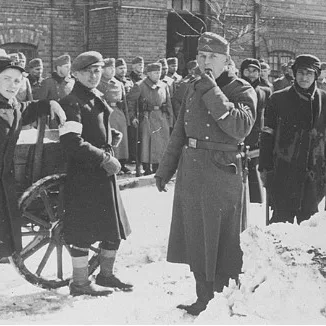
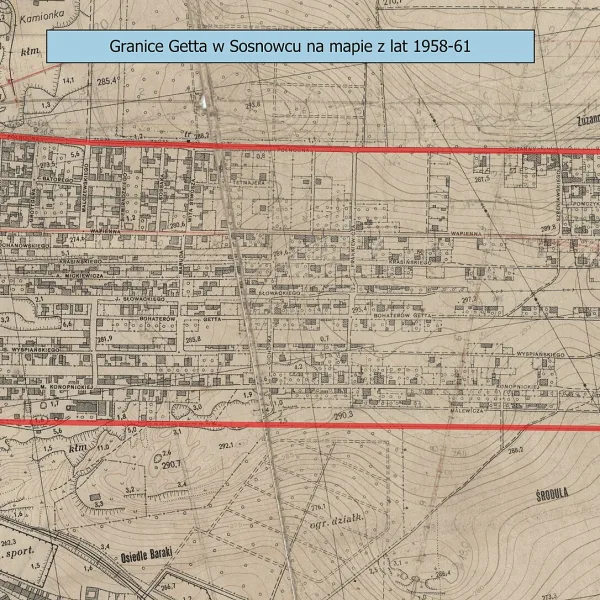
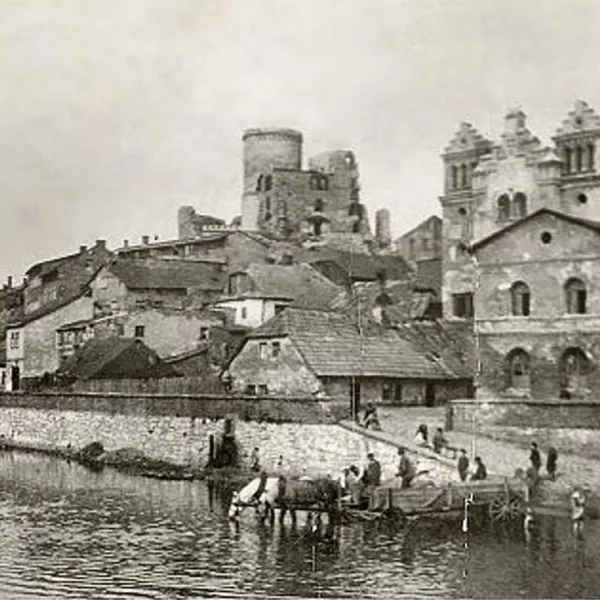
The Będzin ghetto was set up by the Germans in May 1942. It consisted of parts in Warpie and Kamionka and was liquidated in August 1943. The ghetto in Środula, Sosnowiec, existed in 1942-1943 and was also liquidated in August 1943. Today it is commemorated by a monument and a plaque.
The ghetto in Częstochowa was set up on 9 April 1941. The main ghetto was liquidated in September and October 1942, and the small ghetto existed until June 1943. The Monument to the Victims of the Częstochowa Ghetto stands on Strażacka Street, on a former railway ramp from which in 1942 Jews of Częstochowa were deported to Treblinka. It was designed by Samuel Willenberg and unveiled in 2009.
Camps in Świętochłowice and Jaworzno
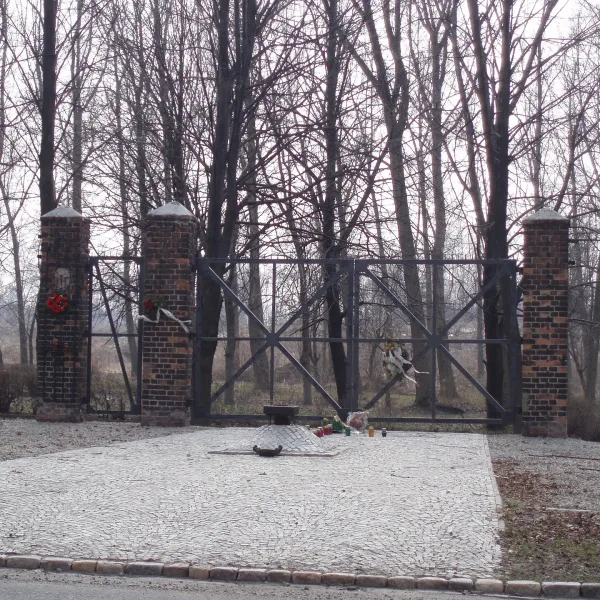
The Zgoda camp in Świętochłowice-Zgoda had two periods. In 1943-1945 it was a German subcamp of KL Auschwitz, and from February to November 1945 a labour camp under the Ministry of Public Security. Today the camp gate remains, along with monuments and graves in the town. The two periods are described separately because different perpetrators stood behind each.
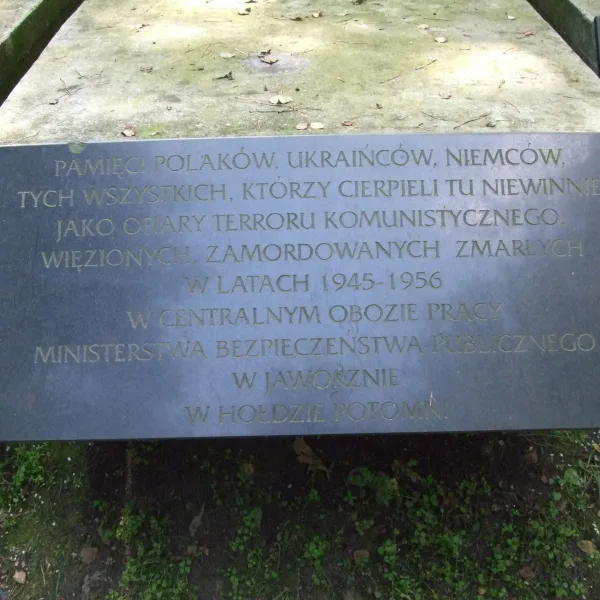
The Monument to the Prisoners of the Jaworzno Camp, from 1998, stands in a forest at the burial site of prisoners of the Central Labour Camp of 1945-1956. This was a camp with a post-war, communist history, so it should not be confused with the German camps.
Zebrzydowice and Rybnik
The obelisk in Kończyce Wielkie on Kościelna Street is the resting place of about 130 victims of the Zebrzydowice labour camp of 1939-1945, mostly Jews from Western Europe. In Rybnik, in the forest by the Ruda river, there is a mass grave of 446 KL Auschwitz prisoners murdered in January 1945 during the Death March. The figure of 446 is given by the Katowice branch of the Institute of National Remembrance, and the site is entered in the voivodeship register of memorial sites.
How to find sites of former synagogues and Jewish cemeteries?
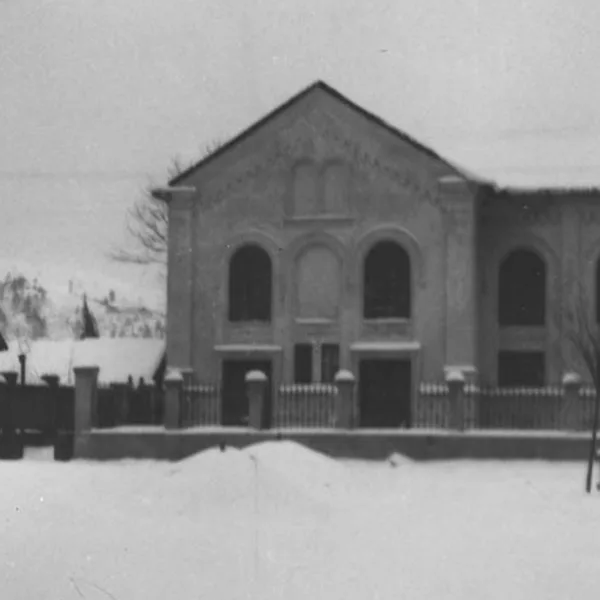
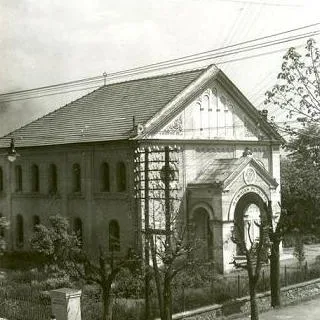
Most Silesian synagogues no longer exist: they were burned in 1938 and 1939 or demolished during the war. Monuments, obelisks and plaques stand in their place, and the Jewish cemeteries in Bielsko-Biała and Chorzów were closed after the war and today are parks or squares with monuments.
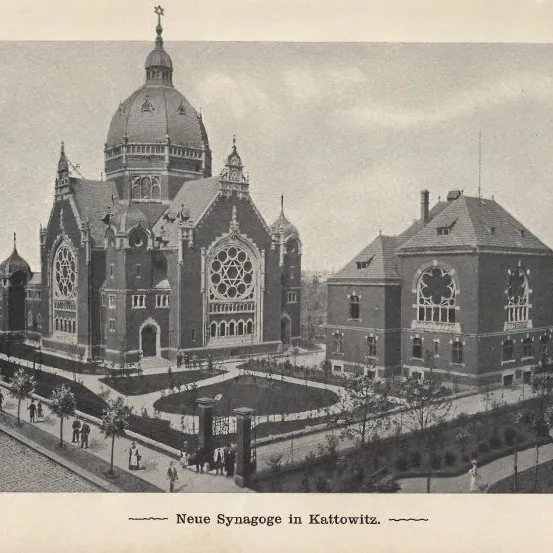
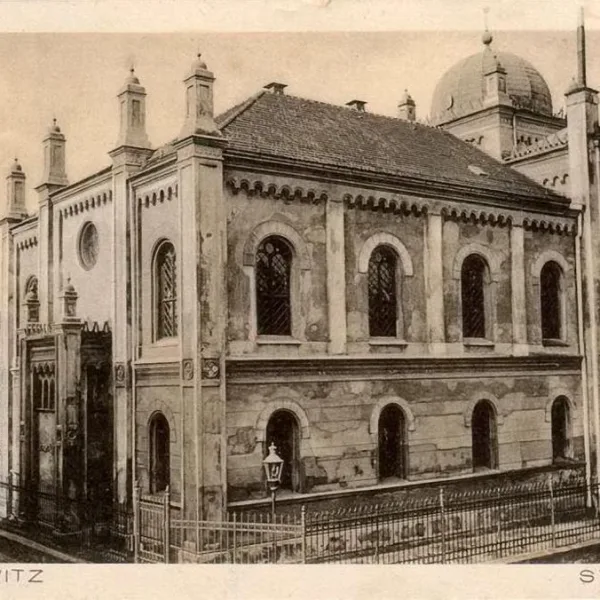
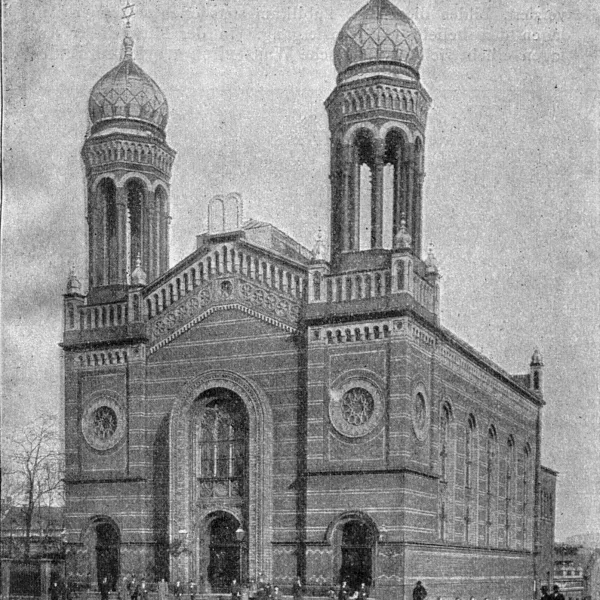
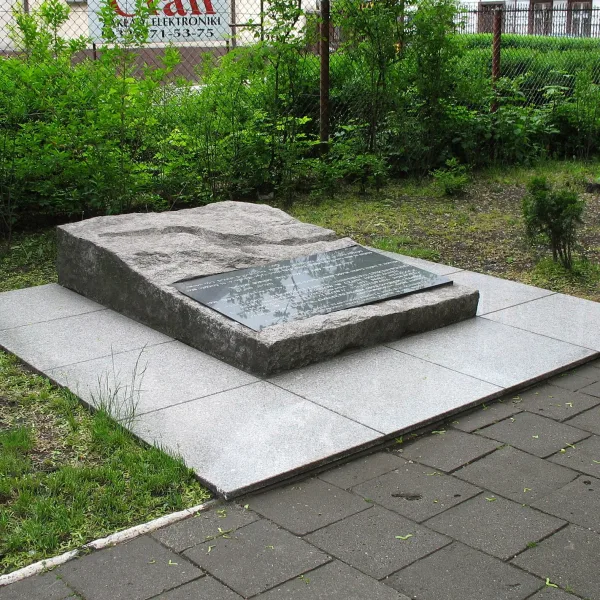
In Katowice the Great Synagogue, opened in 1900, burned in 1939 and was demolished. On its site is Synagogue Square with a monument. In Gliwice the New Synagogue of 1859-1861 was burned and blown up in November 1938, leaving an empty square with two plaques. In Zabrze the Great Synagogue burned on Kristallnacht in 1938 and a monument was unveiled in 1998. In Bytom the synagogue of 1869 burned on Kristallnacht in 1938, and the commemorative plaque on Grunwaldzki Square dates from 2007.
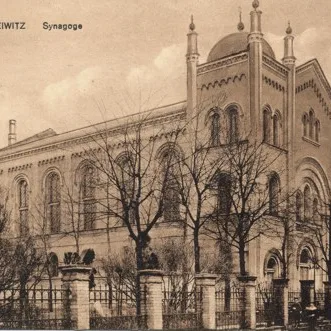
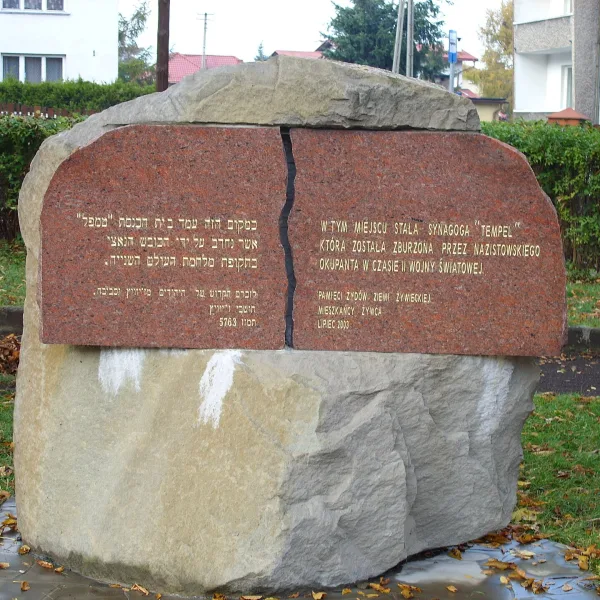
In Tarnowskie Góry the Moorish-style synagogue of 1864 burned in 1939, and the monument has the shape of a column. In Będzin the synagogue of 1881 was burned in September 1939, and a granite obelisk from 1993 stands in its place. In Skoczów the synagogue of 1853 was demolished in September 1939, and a monument was unveiled in 1994. In Milówka a memorial plaque has marked the site of the synagogue of 1882 since 2019, and in Żywiec a monument unveiled in 2003 commemorates the Tempel synagogue.
Jewish cemeteries and closed necropolises
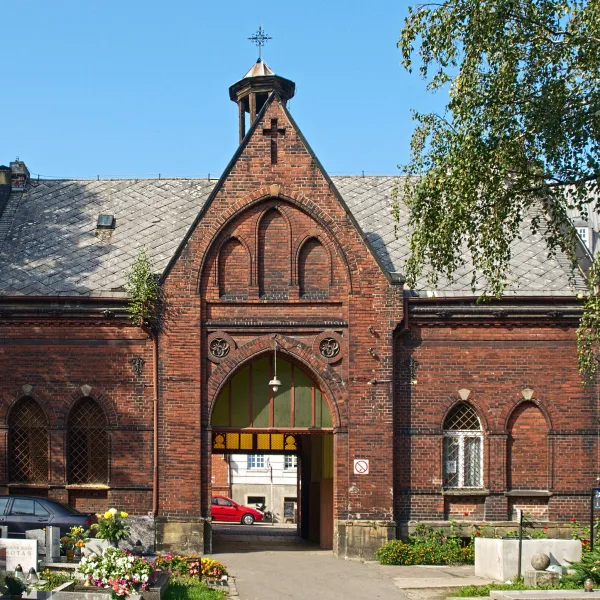
The Jewish cemetery in Bielsko-Biała of 1849 was closed in 1966, and its monument dates from 1996. The Jewish cemetery in Chorzów in Klimzowiec was closed in 1973. Today there is a park with a monument from 2006 and about sixty gravestones. In Tarnowskie Góry the Evangelical cemetery of 1780 was closed in 1967; today it is a square with old trees and a monument to the necropolis.
What commemorates September 1939 and the defence of Katowice?
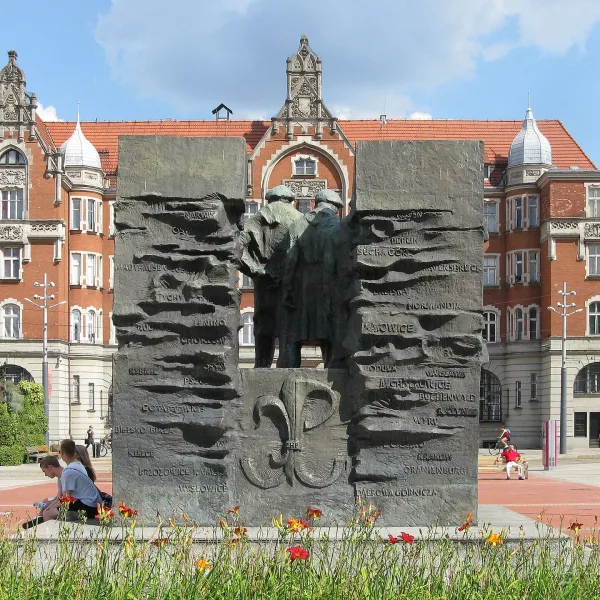
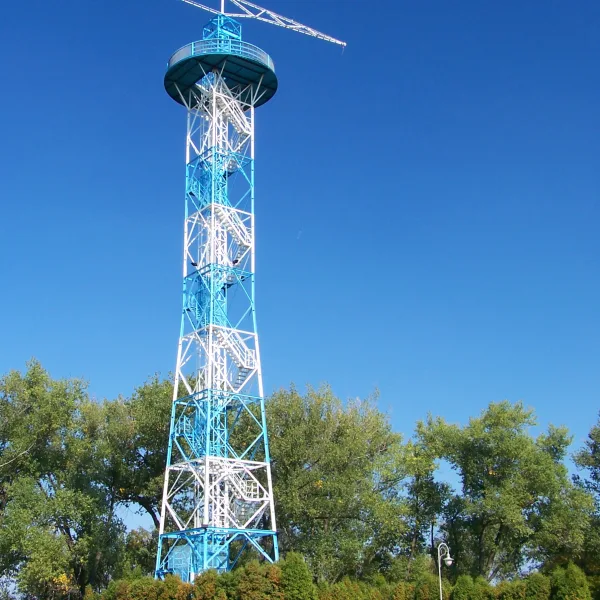
The memory of September 1939 in Katowice is linked to the parachute tower in Kościuszko Park and the Monument to the Scouts of September on Obrońców Katowic Square. In Mokra near Kłobuck a memorial room is devoted to the battle of 1 September.
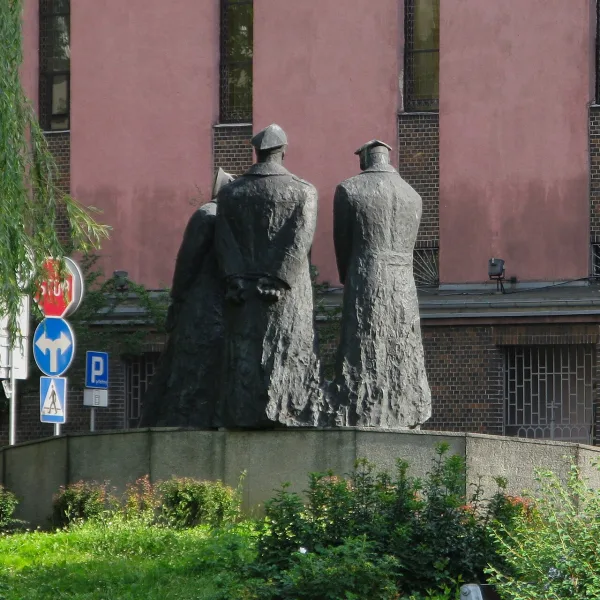
The parachute tower is 35 metres high and is the only surviving tower of this kind in Poland. It was built in 1937 and today is a monument to the defenders of Katowice killed and murdered by the Germans in 1939. The Monument to the Scouts of September, from 1983, is a bronze group of four figures on a granite plinth, commemorating Silesian scouts who resisted German soldiers and those killed or murdered during the occupation.
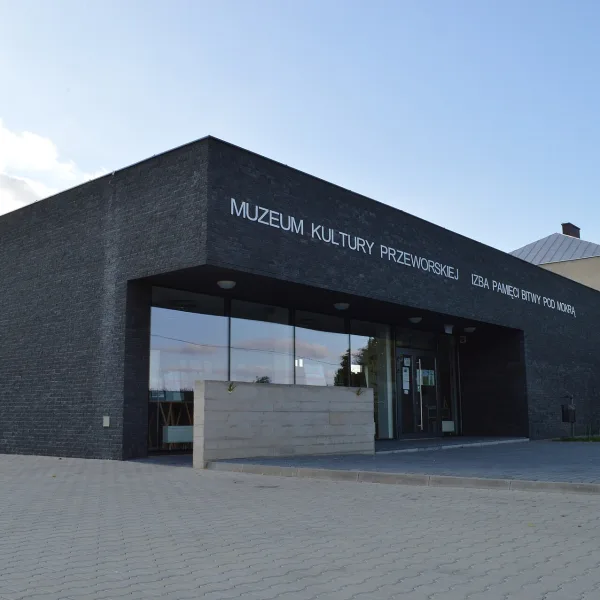
The Memorial Room of the Battle of Mokra is in one building with the Przeworsk Culture Museum. It tells of the fight of the Volhynian Cavalry Brigade against the German 4th Panzer Division, which on 1 September 1939 delayed the advance. The German occupation is also recalled by the cemetery and mausoleum of martyrdom in Olsztyn in a forest, where about 1,968 people shot by the German occupier in 1940-1945 are buried, including residents of Częstochowa and the area.
How to visit places linked to the Silesian Uprisings and the post-war period?
The Silesian Uprisings of 1919-1921 are commemorated by a monument in Katowice, and the post-war period by monuments to the victims of Stalinism and the anti-communist underground, the Wujek mine and its museum. Each place concerns a different event and should be treated separately.
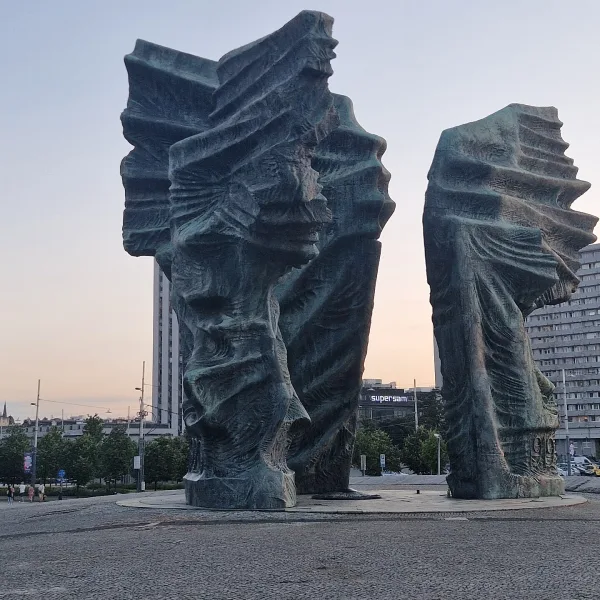
The Monument to the Silesian Insurgents in Katowice has the form of three bronze wings and commemorates the uprisings of 1919, 1920 and 1921. It was unveiled on 1 September 1967 in the park by Wojciecha Korfantego Avenue. It is a monument to armed actions before the Second World War, not to its victims.
The Wujek mine and December 1981
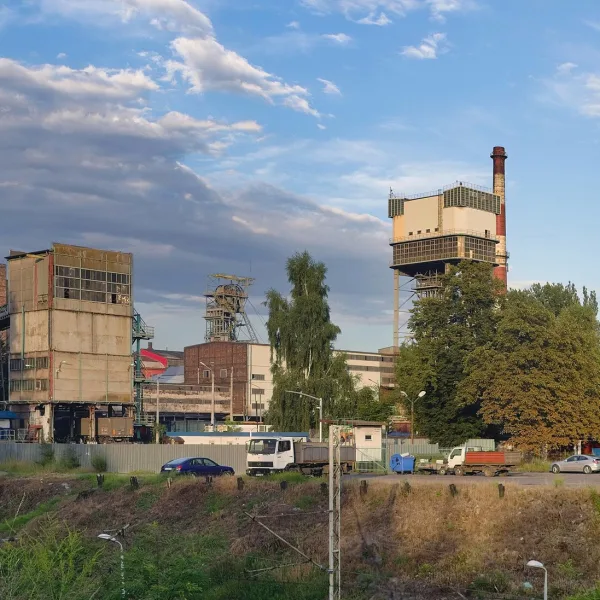
The Wujek mine in Załęska Hałda-Brynów operated from 1900 to 2021. It is the site of the pacification of the strike on 16 December 1981, in which nine miners were killed. The events of that day are described by the Wujek Mine Memorial Room Museum in the former clothing store on Wincentego Pola Street, run by the Silesian Centre for Freedom and Solidarity.
Victims of Stalinism and the anti-communist underground
The Monument to the Victims of Stalinism at the municipal cemetery in Panewniki commemorates underground soldiers and political prisoners of 1945-1956, murdered and secretly buried. In Szczyrk a pietà on Beskidzka Street commemorates soldiers of the VIII District of the National Armed Forces, the "Bartek" group, who fought in 1944-1947.
Katyn
The Katyn Victims Monument on Andrzeja Square in Katowice commemorates Polish Army officers murdered by the Soviets in 1940. It was unveiled in 2001. The inscription on the plinth names Katyn, Kharkiv and Mednoye and other places of extermination in the former USSR.
Where are the war cemeteries and soldiers' burial places?
First World War cemeteries are in Kotowice, Kroczyce, Biskupice and Łazy, and graves of Soviet soldiers in Racibórz, Katowice and Wodzisław Śląski. Separately stands the cemetery on Francuska Street in Katowice, where Wojciech Korfanty is buried, among others.
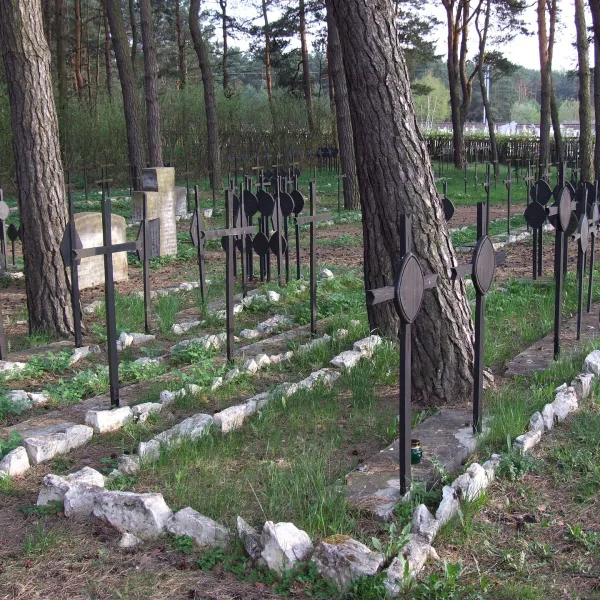
The war cemetery in Kotowice dates from 1915, is closed to burials and holds about 1,200 soldiers of three armies. In Kroczyce the cemetery from the First World War holds 938 soldiers killed in November and December 1914. The cemetery in Biskupice was founded in 1918 for Austro-Hungarian and Russian soldiers, and the cemetery in Łazy has graves of Austrian and German soldiers.
Red Army soldiers are buried at the cemetery in Racibórz of 1946, where 348 soldiers killed in 1945 lie, and at the cemetery in Wodzisław Śląski of 1945, where 5,896 soldiers were buried on a former Jewish cemetery. In Katowice a sculpture of two Red Army soldiers from a monument of 1947 stands today at the Soviet soldiers' cemetery in Kościuszko Park. The original monument no longer exists.
A different story is told by the grave of Hungarian soldiers in Murcki: a grave of 29 soldiers shot in January 1945 in the forest, with plaques from 2011 and 2013. The cemetery on Francuska Street in Katowice, from 1870, is a historic necropolis where Wojciech Korfanty, Józef Rymer and Adam Didur lie.
What is the memorial room in Istebna?
The Jerzy Kukuczka Memorial Room in Istebna is a private biographical museum devoted to a Himalayan climber, not a place commemorating war victims. It has operated since 1996 in the hamlet of Wilcze and shows photographs, equipment and decorations.
The other places in this set concern the war and the post-war period. If you are looking for another type of place, see the pages cemeteries and monuments and museums.
Frequently asked questions
Where to start with memorial sites in Silesia?
It is best to choose a theme: the ghettos in Będzin and Częstochowa, the Zgoda camp in Świętochłowice, the Wujek mine with its museum in Katowice, or the Monument to the Silesian Insurgents. Each of these places concerns a different event.
Are there sites of former synagogues across the region?
Yes. Vanished synagogues are commemorated in Katowice, Gliwice, Zabrze, Bytom, Będzin, Tarnowskie Góry, Skoczów, Milówka and Żywiec. Usually this is a monument, an obelisk or a plaque.
How to tell German camps from post-war ones?
The Zgoda camp operated first as a German subcamp of KL Auschwitz and from February to November 1945 as a labour camp under the Ministry of Public Security. The Central Labour Camp in Jaworzno operated in 1945-1956.
Are Jewish cemeteries accessible?
The former cemeteries in Bielsko-Biała and Chorzów were closed after the war and today look like a park or a square with a monument. Information on access is in the descriptions of individual places.
Where to look for memorial sites in Katowice?
Katowice has its own page listing places, including the Wujek mine, the parachute tower, the Katyn monument and the cemetery on Francuska Street. District pages help you choose sites in one part of the city.

 Places of remembrance