Museums in Silesia: the Silesian Museum in Katowice, the Historic Silver Mine and Pszczyna Castle. More than 160 places for a cloudy day.
Silesian museums tell the story of mining, steelworks and breweries, of magnates' palaces and timber cottages in the mountains, of contemporary art and of the Polish People's Republic. Many are housed in former industrial plants, so the building itself is part of the visit. They are easy to choose by interest and town, because there are more than a hundred and sixty museums.
Which museums in Silesia should you see first?
For a first visit, pick the Silesian Museum in Katowice, the Historic Silver Mine in Tarnowskie Góry or Pszczyna Castle. Each shows a different side of the region: art and the history of Upper Silesia, the mining past and the life of a magnate family.
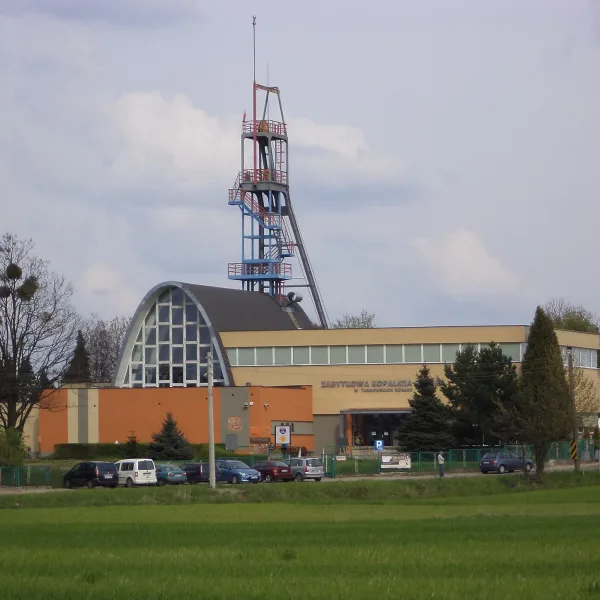
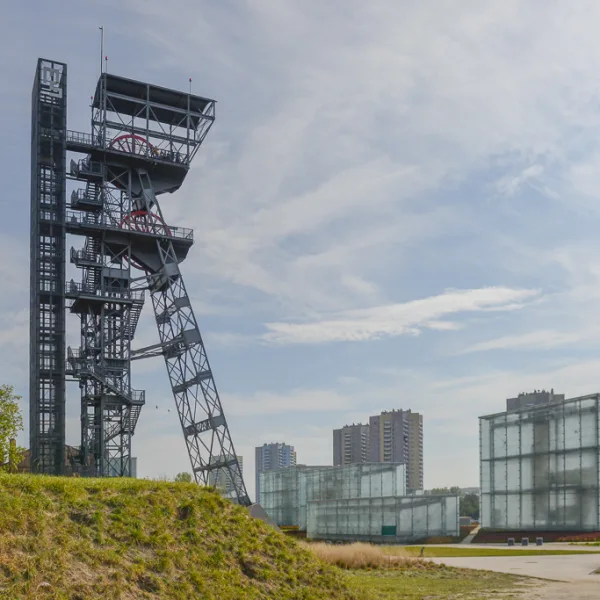
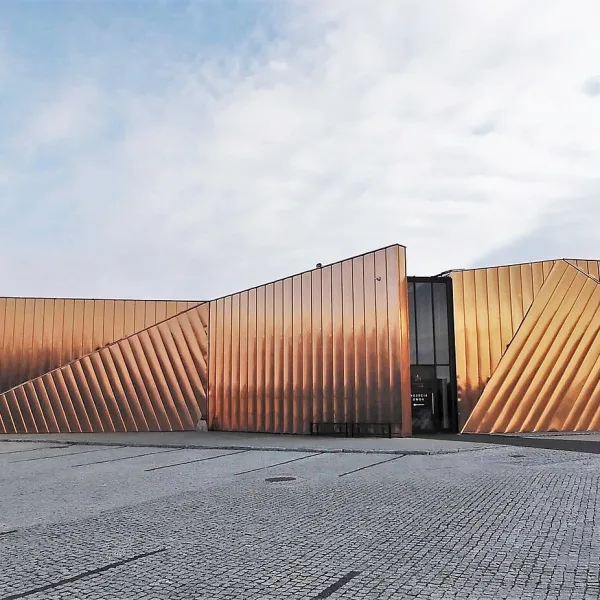
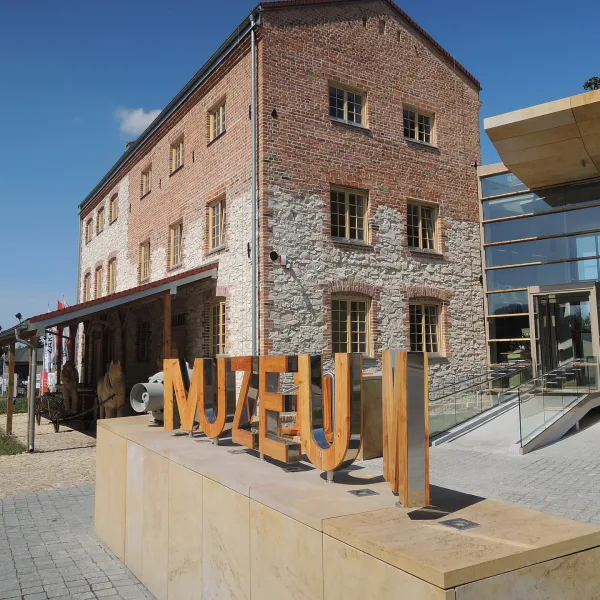
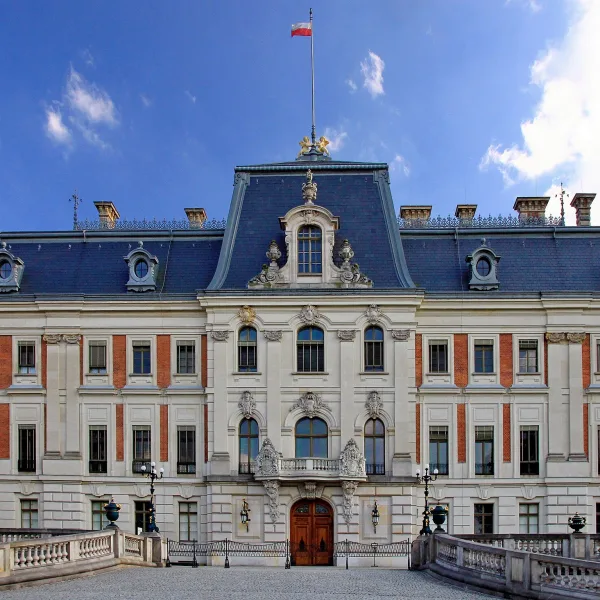
The Silesian Museum operates in the former Katowice coal mine in the Bogucice district. The new building opened in 2015, and most of it was built underground. Permanent exhibitions cover Polish painting, non-professional art, sacred art and the history of Upper Silesia. The silver mine in Tarnowskie Góry is an underground route through the old workings of the Royal Fryderyk Mine, with a boat section and an open-air collection of steam engines, listed by UNESCO. The castle in Pszczyna, a former magnate residence now housing the Castle Museum, has the original Hochberg interiors, an imperial apartment and the Mirror Hall.
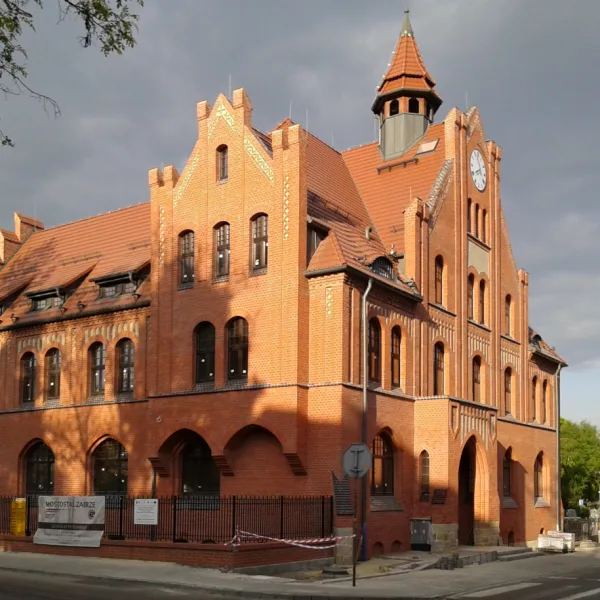
When you have a whole day, add the Gliwice Radio Tower: a complex from 1935 with a 111-metre wooden antenna tower, a branch of the Gliwice Museum and a Monument of History. It is also the scene of the Gleiwitz provocation of 31 August 1939, so it is visited with respect for that history. In Katowice-Szopienice stands the Rolling Mill - Museum of Zinc Metallurgy, a former rolling mill from 1903-1904 with its production line and steam engines preserved. According to the museum it is the only building of the former Non-Ferrous Metals Works in Szopienice where the original function remains clearly legible, and the halls show the original line producing zinc sheet. The Rolling Mill and the Silesian Museum both belong to the Industrial Monuments Route of the Silesian Voivodeship.
Which technology, industry and craft museums are worth visiting?
Silesia is an industrial region, so technical museums are especially numerous. They show not only machines but also the lives of the people who worked with them. Many belong to the Industrial Monuments Route of the Silesian Voivodeship.
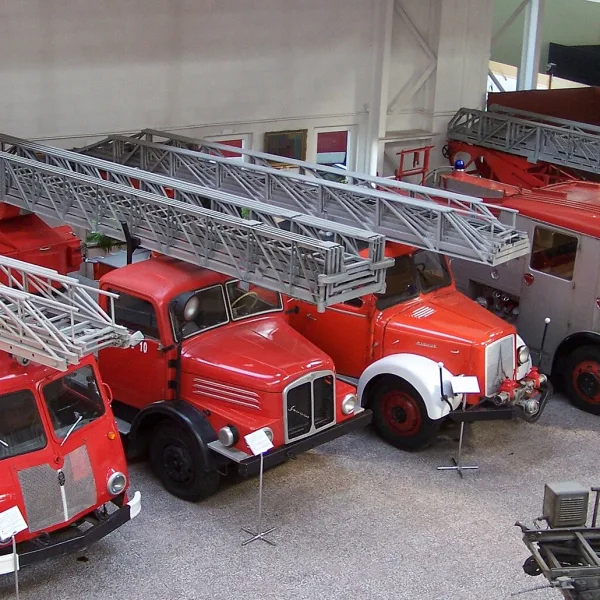
In Częstochowa, in tunnels dug in 1974-1976 between the pavilions of the Częstochowa Museum, the Iron Ore Mining Museum shows life-size workings and machines of the region's iron ore mines underground. In Mysłowice the Central Fire Service Museum, founded in 1975, has over four thousand exhibits, including the oldest surviving horse-drawn fire pump in Poland, from 1717. In Łaziska Górne the Energy Museum sits in an old switchgear building of a power station and traces the generation and transmission of electricity, with an Edison bulb.
Crafts and small trades have their own places. The Printing Museum in Cieszyn on Głęboka street was founded in 1996 and has historic printing equipment and a graphic workshop. The Bread Museum in Radzionków is a private institution with over ten thousand exhibits and baking workshops, and the Museum of Old Crafts in Żarki, in a former electric mill, presents trades practised in the town for centuries, from milling to baking. The article Muzea pojazdów, motocykli i maszyn (in Polish) covers vehicle and machine collections, and related places are in the Industry and technology category.
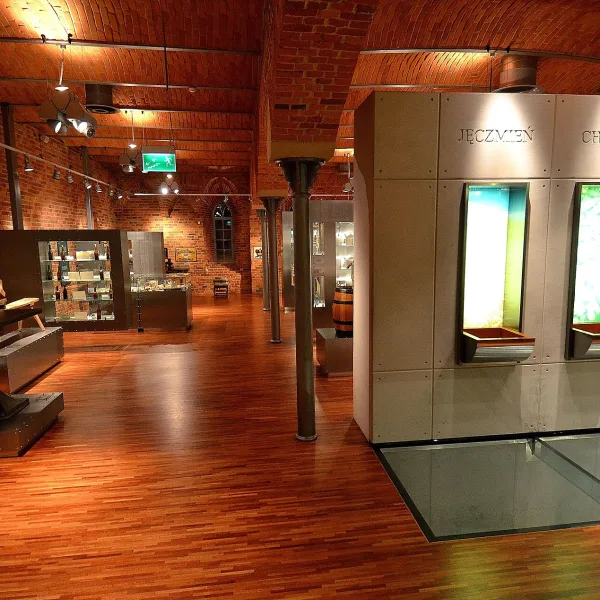
Two breweries have their own museums. The Żywiec Brewery Museum occupies lagering cellars cut into the rock, with eighteen rooms, and opened in 2006 for the brewery's anniversary. Tyskie Browarium is a museum and visitor centre in a renovated building from 1902 on the grounds of the Tyskie Princely Breweries. It was called the Tyskie Brewing Museum until 2010 and today operates as the Museum of the Tyskie Princely Breweries.
Where to see the history of towns and the region?
City and regional museums give the best overview of how life looked in a given centre. They usually have several branches, so when planning a visit check which building holds the exhibition you want.
In Katowice the Katowice History Museum works in a townhouse from 1910 on Józef Szafranek street, with branches in Nikiszowiec, Śródmieście and in a wooden church in the park. Its collection includes 26 portraits of the Asymmetrical Lady by Witkiewicz and porcelain from the Giesche and Franciszek works. The Upper Silesian Museum in Bytom, founded in 1910, has departments of archaeology, ethnography, history, nature and art, and a Judaica collection, in a modernist building of 1929-1930. In Żywiec the Municipal Museum in the Old Castle presents the town's past and the culture of the Żywiec highlanders.
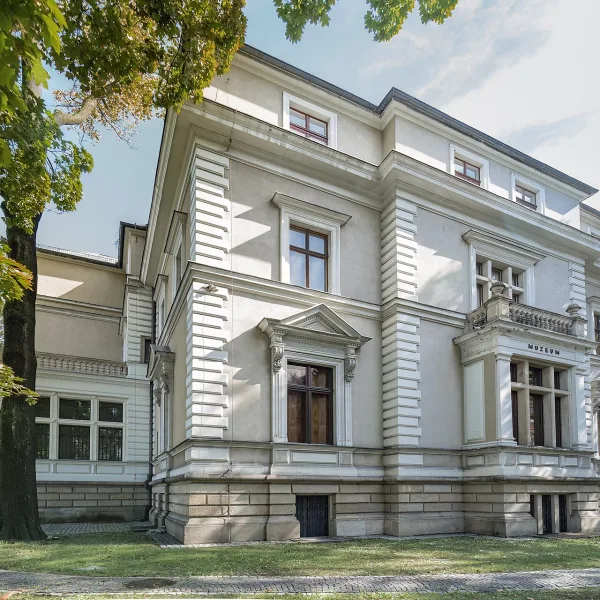
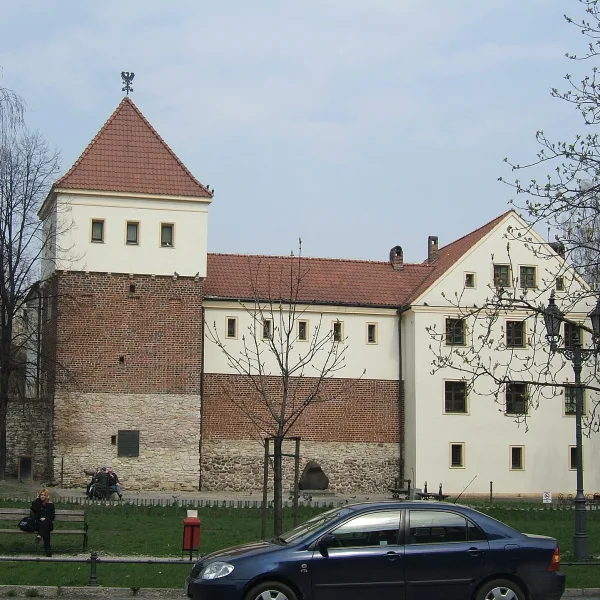
In Częstochowa the Częstochowa Museum has branches in the Town Hall, the Good Art Gallery and the House of Poetry, the last being the Halina Poświatowska Museum in the poet's former home on Jasnogórska street, opened in 2007. A detailed day plan is in the article Częstochowa bez pielgrzymki (in Polish). In Gliwice Villa Caro, a neo-Renaissance residence of the industrialist Oscar Caro from 1882-1885, has housed the Gliwice Museum since 1934.
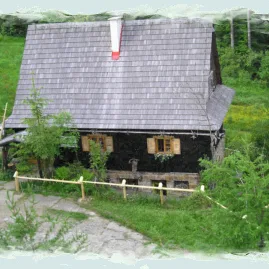
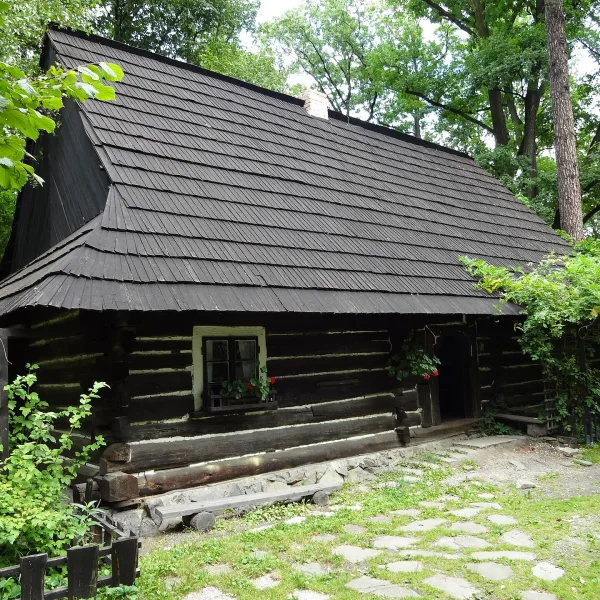
In villages and mountains smaller regional rooms operate. The Pszczyna Village Farmstead is an open-air museum with a dozen or so timber monuments of folk architecture, opened in 1975 in Pszczyna Park; a day in Pszczyna is described in Pszczyna bez zamku (in Polish). In Istebna stands Kurna Chata Kawuloka, a timber cottage from 1863 with a chimneyless stove, and in Milówka the “Stara Chałupa” Museum, a timber house from 1739 listed as a monument. On the Przysłop clearing below Barania Góra the Mountain Tourism Museum traces mountain tourism in the Silesian Beskids in three rooms. The culture of Istebna is covered in Dwaj malarze z Istebnej (in Polish).
Which art galleries operate in Silesia?
Galleries belong to the region's museum landscape and suit a short visit. Contemporary art has several strong centres here: Katowice, Bielsko-Biała and Czeladź.
In Katowice the BWA Contemporary Art Gallery has operated since 1949, with about 800 square metres of exhibition space, a collection and the Polish Poster Biennale. Parnas Gallery has shown painting, graphics, sculpture and unique glass since 1993, and Ateneum Gallery of the Silesian Puppet and Actor Theatre presents stage designs and puppets. In Bielsko-Biała the Bielska BWA Gallery has a building of 1960 and the Sixt villa with a garden, while Wzgórze Gallery is a private gallery with a café, a stage and an independent cinema in the Old Town. The Elektrownia gallery in Czeladź operates in the former power station of the Saturn mine from 1902-1908 and has kept its machines. In Częstochowa the Good Art Gallery occupies a former rectory of 1875.
What to visit on a rainy day or with children?
Museums shelter you from the weather by nature, so they work well on cloudy days. For families the best are places where you can touch exhibits or see live animals. A wider list with children is the article Na deszcz z dzieckiem (in Polish) and the For children category.
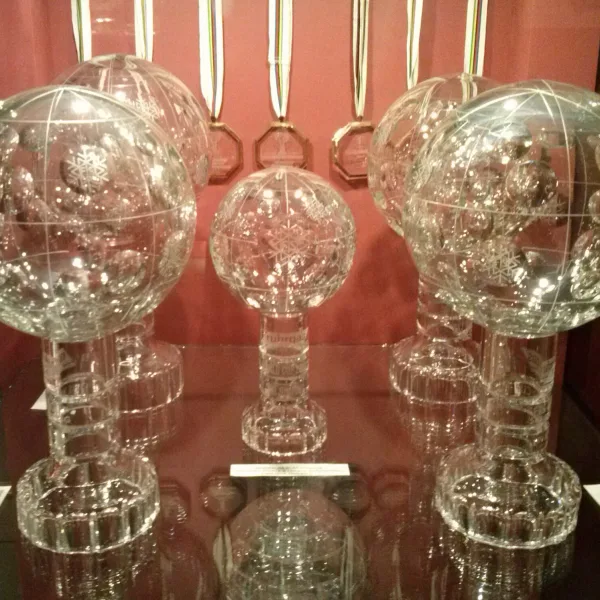
In Katowice-Zawodzie FunHouse is an interactive museum of pinball and arcade games with over two hundred retro machines you play without a time limit. In Jaworze the Museum of Marine and Inland Fauna and Flora has specimens from around the world, aquariums with live fish and a butterfly house. In Wisła the Adam Małysz gallery shows about a thousand souvenirs of the ski jumper: cups, medals, skis and suits.
Where to see recent history and aviation?
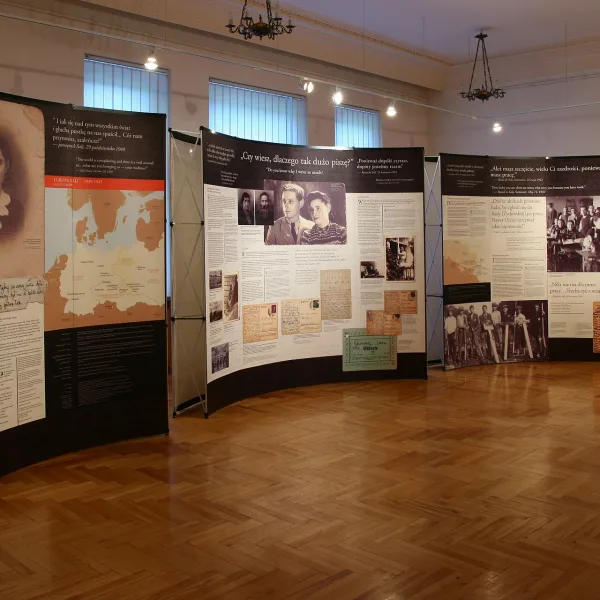
Museums of the twentieth century need a calm tone and some time. In Ruda Śląska the Museum of the History of the Polish People's Republic, in a former manor farm, presents daily life in the years 1945-1989, with furnished flats, a cinema, cars and a monument park. In Radzionków the Documentation Centre for the Deportation of Upper Silesians, in a former railway station, is devoted to the deportation of Upper Silesians to the Soviet Union in 1945. It is both a place of remembrance and an archive, so it is visited in a spirit of reflection. Related themes are in the Memorial sites category.
Aviation enthusiasts head for Napoleon near Częstochowa, where Museum 303 tells the story of Polish aviation from its beginnings to the present. In the Jura, in Podlesice, the Jura Natural and Cultural Heritage Centre has an exhibition on nature and archaeology, and the Birów Hill Stronghold near Ogrodzieniec is a reconstructed fort with an exhibition of finds. The stronghold is a reconstruction rather than a classic museum, so it is largely open-air.
How to choose museums in a particular town?
Katowice has the most museums, and all of them are on Museums: Katowice, with the central ones on Museums: Śródmieście. Bielsko-Biała has its own set: Museums: Bielsko-Biała. For Gliwice, Częstochowa, Zabrze, Tychy and Wisła use Museums: Gliwice, Museums: Częstochowa, Museums: Zabrze, Museums: Tychy and Museums: Wisła.
After a museum, look at nearby monuments or the theatres and opera, and lovers of nature will enjoy the Parks and nature category. The article Pałace magnatów i przemysłowców (in Polish) covers industrialists' residences.
Frequently asked questions
Which museum in Silesia is the biggest?
The Silesian Museum in Katowice, in a former mine with a mostly underground building, is among the largest. Among technical museums the biggest scale belongs to the Historic Silver Mine in Tarnowskie Góry, with an underground route and a collection of steam engines.
Which museums are best in rain?
All of them, because you tour them under a roof. For a cloudy day choose the Silesian Museum, the Rolling Mill in Szopienice, the Iron Ore Mining Museum in Częstochowa or the museums in the centre of Katowice.
Where to go with children?
Children will enjoy FunHouse in Katowice, the butterfly house in Jaworze, the fire service exhibition in Mysłowice and the open-air museum in Pszczyna. Older ones will like the Museum of the Polish People's Republic in Ruda Śląska.
Do all the museums on this list receive visitors?
Not all of them. The Władysław Reymont Museum of Literature in Bielsko-Biała has suspended its activity, so do not plan a visit there. For other places check the visiting conditions on the museum's own website before you travel.
Which museums are worth seeing in the Beskids?
In the Silesian Beskids there is the Mountain Tourism Museum at Przysłop below Barania Góra and the Małysz gallery in Wisła. In Istebna look into Kurna Chata Kawuloka, and in Milówka into the “Stara Chałupa” Museum.

 Museums