Silesia, Silesian Voivodeship
Wednesday, 04 November 2026 PL / EN
Museums

Museum in Gliwice

Gliwice
About Museum in Gliwice

A museum founded in 1905 with five branches: Villa Caro, the Piast Castle, the Radio Tower, the House of Memory of Upper Silesian Jews and Artistic Casting.

The Museum in Gliwice is one of the oldest museums in Upper Silesia, founded on 22 March 1905 as the Upper Silesian Museum. Today it consists of five branches scattered around the city: Villa Caro, the Piast Castle, the Artistic Casting Branch, the Gliwice Radio Tower and the House of Memory of Upper Silesian Jews. The main seat is in Villa Caro at Dolnych Wałów 8a.

How the museum came into being

The museum was organised by the local clerical and technical intelligentsia. The main initiator was the councillor and judge Artur Schiller, and Mayor Hermann Mentzel sat on the founding committee. Until 1933 the institution was called the Upper Silesian Museum in Gliwice, and since 1934 its seat has been the villa of the industrialist Oscar Caro. According to the museum, it is the oldest in the Upper Silesian Industrial District, and in Upper Silesia only the museums in Nysa and Opole are older.

After 1945 the institution became a Polish cultural institution. Its first Polish director was Mieczysław Gładysz.

The branches and what to see in them

Each branch deals with a different subject, so the museum is often visited in several stages.

  • Villa Caro: a 19th-century residence housing a permanent exhibition on the 19th-century living interiors of the villas of Upper Silesian industrialists, as well as temporary exhibitions and the Art Reading Room (Czytelnia Sztuki), a contemporary art gallery with an emphasis on photography.
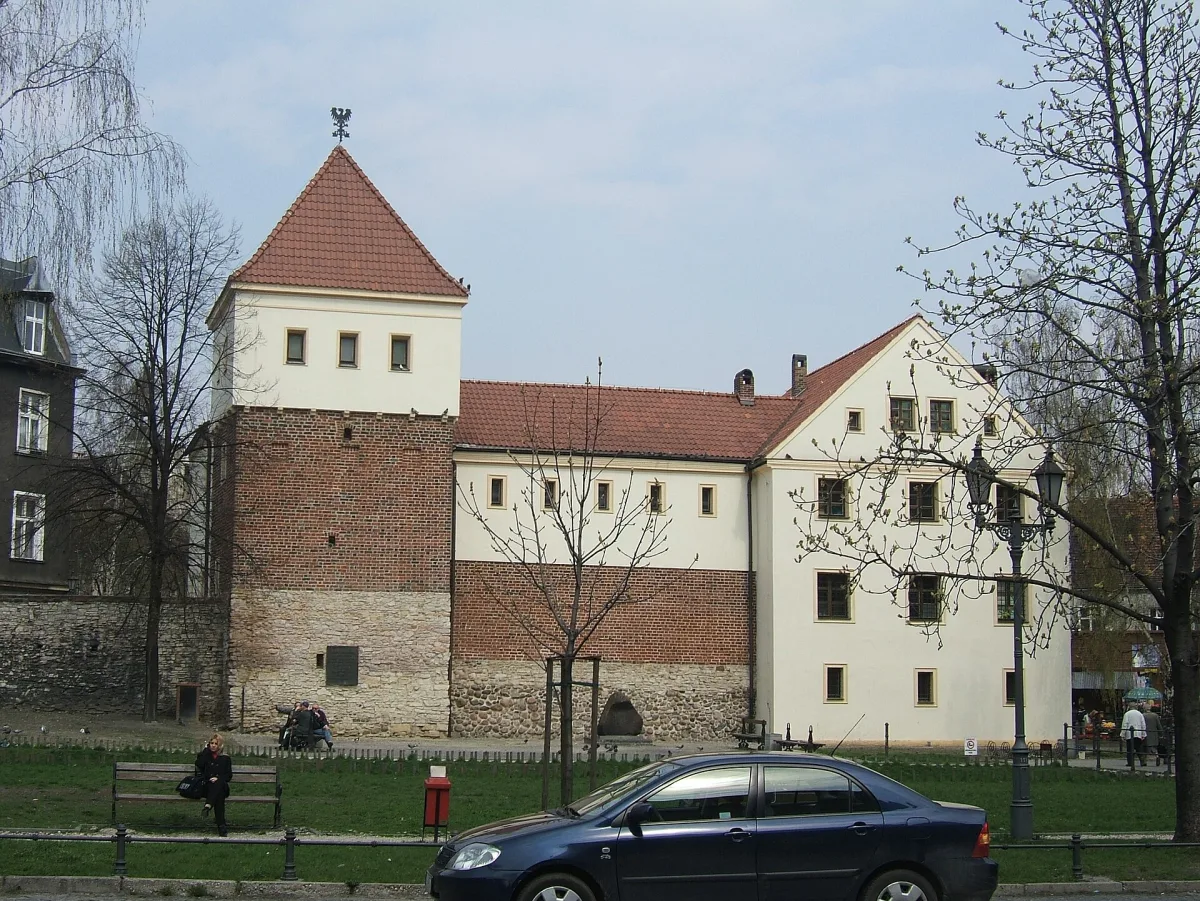
  • Piast Castle: a Gothic building dating back to the early 14th century, a branch of the museum since 1960, with the permanent exhibition Gliwice, a City of Many Cultures.
  • Gliwice Radio Tower: a Historic Monument, with the tallest wooden structure in Europe. It was here on 31 August 1939 that the so-called Gleiwitz incident, staged by the Germans, took place, in which Franz Honiok was killed.
  • House of Memory of Upper Silesian Jews: a branch since 2012, with the permanent exhibition Jews in Upper Silesia, opened in 2018. In 2020 it was a finalist in the European Museum of the Year competition.
  • Artistic Casting Branch: housed in the former engine room of the Gliwice mine, it presents an interactive exhibition on artistic casting and the industrial history of the region, including the products of the Royal Iron Foundry.

The museum's collections

The collections are divided into departments: archaeology, ethnography, art and artistic crafts, history, and art photography. The ethnography department has a set of glass plates and photographs from the early 20th century that document everyday life. The art department includes, among other things, artistic casting, Polish and Western European ceramics and a collection of Polish artistic jewellery. The history department gathers parchment documents, guild and mining artefacts, Judaica and coins. The museum also runs classes for families, schools and kindergartens and publishes its own publications.

Practical information

  • Address of the main seat: Dolnych Wałów 8a, Gliwice, with the entrance to Villa Caro from Studzienna Street.
  • Opening hours differ between the branches, and ticket prices depend on the exhibition, so check them on the museum's website before your visit.
  • The museum's website states that on Saturdays the exhibitions prepared from the museum's own collections can be visited free of charge.
  • Bookings for group visits, guided tours and lessons: by phone.
  • Nearby: Frédéric Chopin Park and the Municipal Palm House, both about 700 metres from Villa Caro.
Find us on the map
Tags
0.0
0 ratings
Log in, to rate.
Comments (0)

Be the first! Add a comment.

You need to log in to add a comment.

Log in