Museums in Katowice: the Silesian Museum, the Katowice History Museum and the Zinc Rolling Mill. A dozen or so places and galleries for a day under cover.
Museums in Katowice are not only big institutions in a former colliery. There is also a townhouse with the story of the city, a historic zinc rolling mill, contemporary art galleries, heritage rooms and collections run by enthusiasts, such as scouts or a collector of miniature books. Below you will see where to begin and how to plan a route.
Which museums in Katowice should you visit first?
Begin with the Silesian Museum in Bogucice, the Katowice History Museum on Szafranka Street and the Walcownia (the Zinc Rolling Mill Museum) in Szopienice. The first shows painting and the history of Upper Silesia, the second the history of the city itself, the third the former zinc industry.
What do the Silesian Museum and the Katowice History Museum offer?
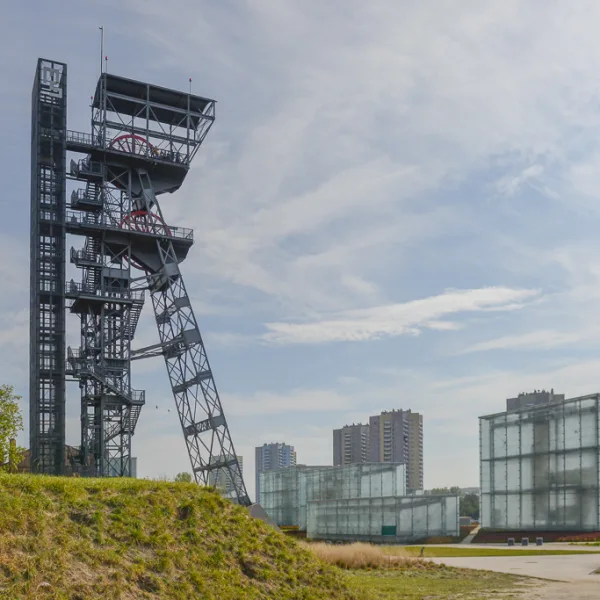
The Silesian Museum stands on the site of the former Katowice colliery. The 2015 building is mostly subterranean, with only a hall, skylights and a viewing tower above ground. Permanent displays include Polish painting, non-professional and sacred art, and the story of the region.
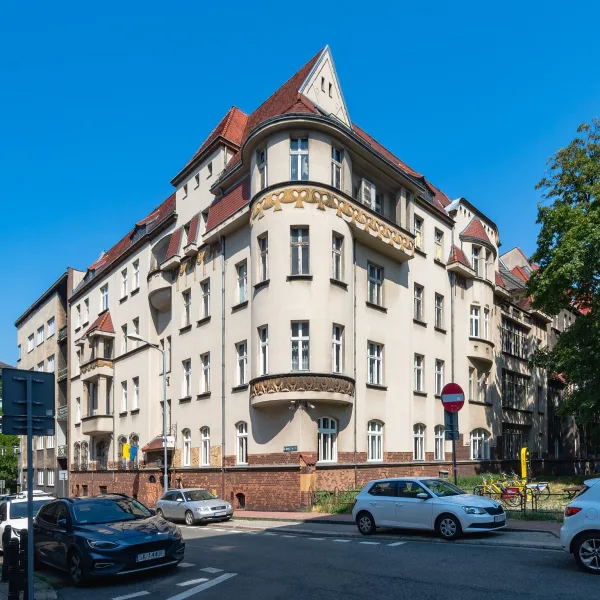
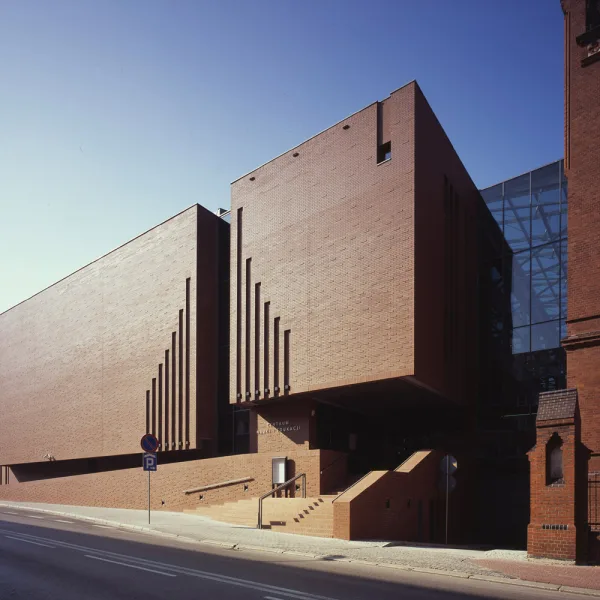
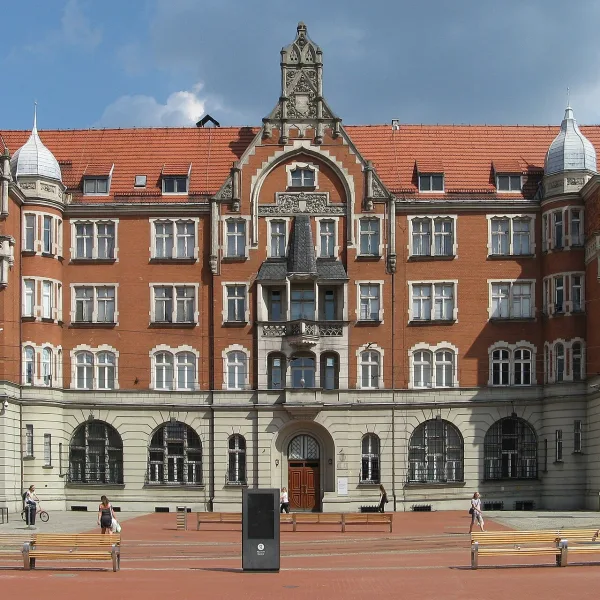
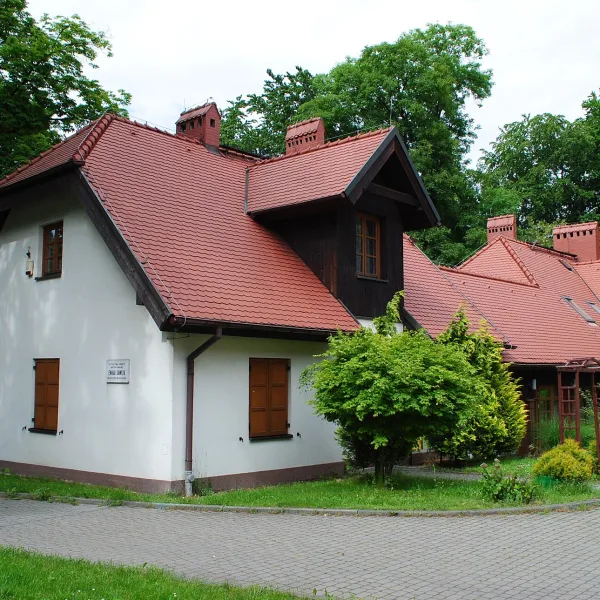
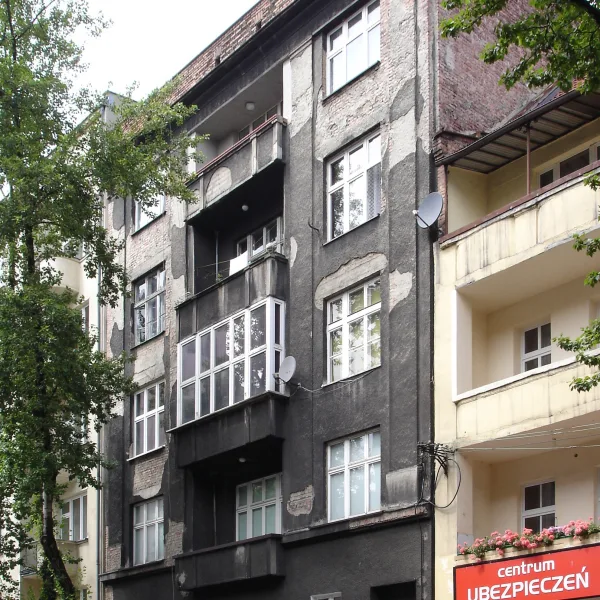
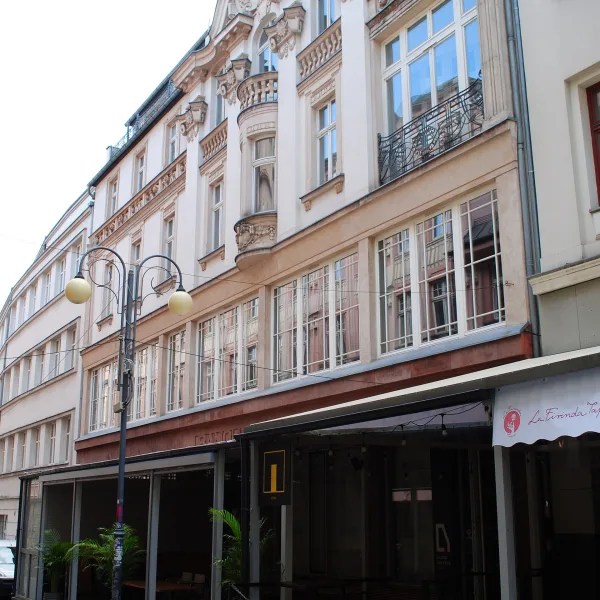
The Katowice History Museum occupies a townhouse from 1910 on Szafranka Street (number 9). Its holdings include twenty-six portraits of the Asymmetrical Lady by Stanisław Ignacy Witkiewicz. The institution also runs branches: in a wooden church in the park, in the centre and in Nikiszowiec. One of them is Galeria Magiel at 4 Rymarska Street, where exhibitions show the life of a working-class family, the laundry and the mangle, and the Janów Group. The same institution runs the Barbara and Stanisław Ptak Museum, an exhibition in the artists' home, kept in its old form across two levels (11 Kopernika Street).
Where to learn about old industry and workers' lives?
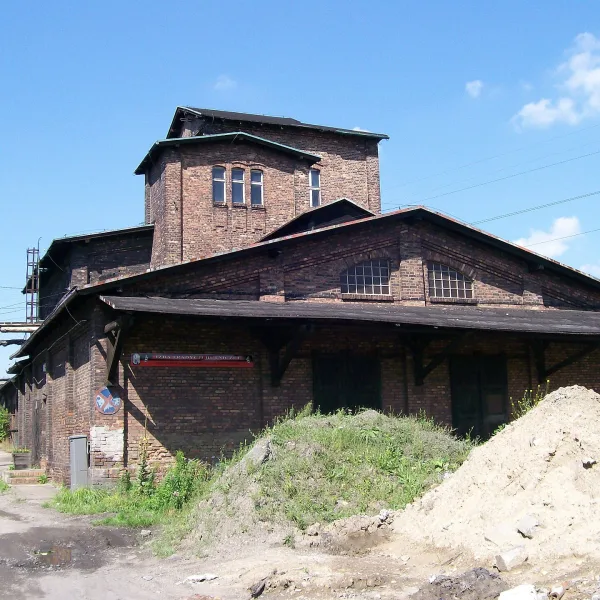
The Walcownia at 50 11 Listopada Street in Szopienice once rolled zinc sheet, and its halls date from 1903-1904. In its halls you can see the original production line, steam engines and a motorcycle collection. The site belongs to the Industrial Monuments Route. In the same district, the Smelting Tradition Room occupies a former chemical laboratory from 1897. Retired smelter workers look after it; the collection comprises Giesche company papers, casting moulds and the tools that metalworkers used.
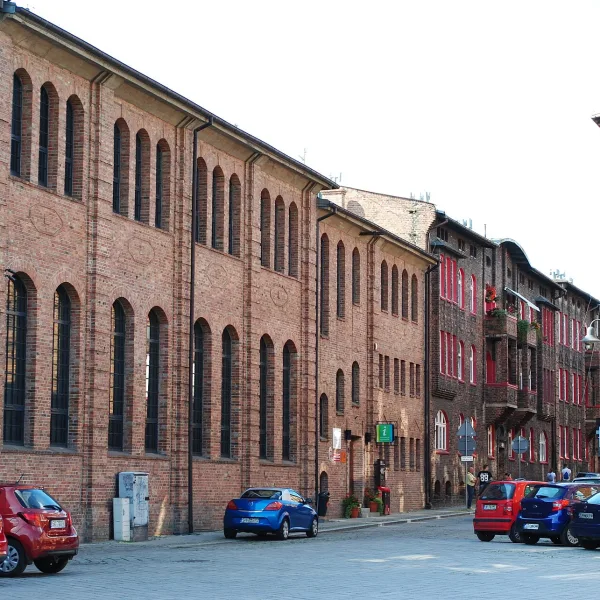
In Giszowiec, on Pod Lipami Square, you will find the Silesian Room (Izba Śląska), nicknamed Gawlikówka. This small museum shows canvases by Ewald Gawlik alongside household equipment from old Silesian houses, set in a building designed by the Zillmanns and originally linked with a stable.
What unusual collections does Katowice have?
For fans of games there is FunHouse at 7 Bogucicka Street. Its collection has more than two hundred retro machines, from pinball tables to consoles, and the exhibits are made for playing, not for viewing behind glass.
In Piotrowice stands the house that holds the Museum of the Smallest Books in the World. The display has existed since 1970, and the smallest item is a Latin alphabet of just 0.8 by 1 millimetre. In Brynów, scouts have run the Scouts' Ethnographic Museum since 1965, where over 750 items were gathered in Upper Silesia, in the Beskids, on Orava and Spisz, and in Kashubia.
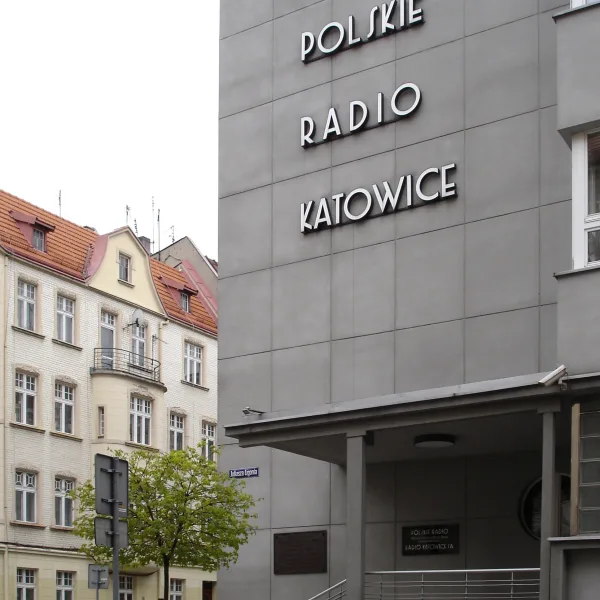
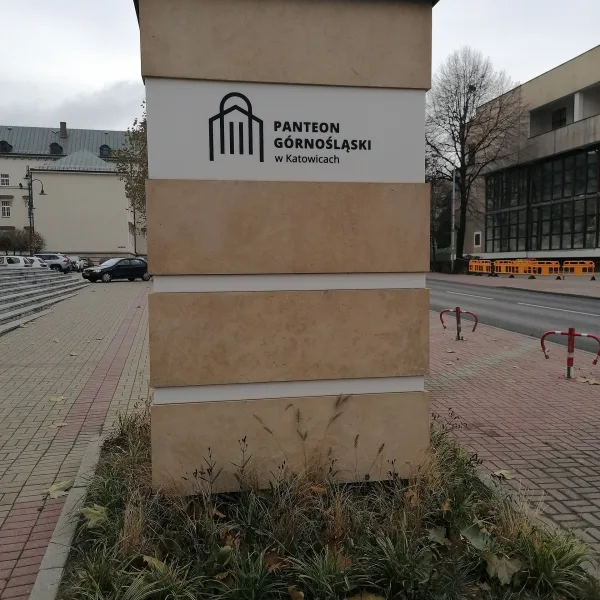
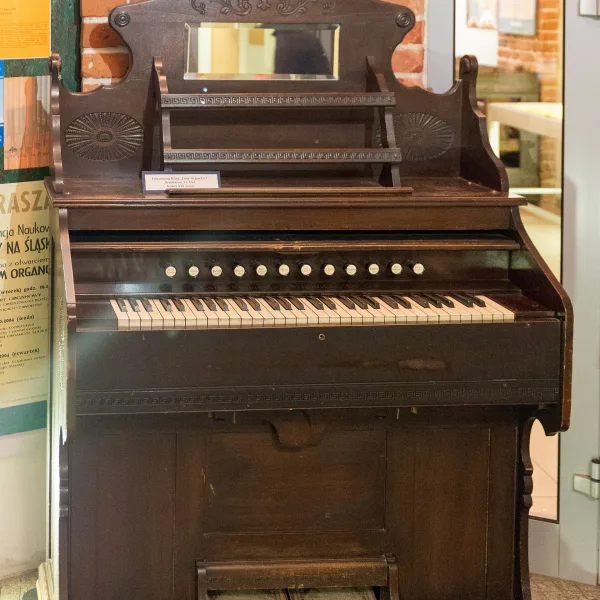
Music lovers can visit the Silesian Organ Museum in the basement of the Academy of Music, entered from Wojewódzka Street, and the Polish Radio Museum Room at 29 Ligonia Street, where radio sets, microphones and studio equipment are on show. In Panewniki the Franciscan Missionary Museum presents some two hundred objects brought home from Africa, Latin America and the Middle East by missionaries. And the Upper Silesian Pantheon by the cathedral tells the story of the last century of the region through the lives of important figures.
Which art galleries are in the city centre?
The BWA Contemporary Art Gallery has operated since 1949 in a pavilion at 6 Korfantego Avenue and has eight hundred square metres of exhibition space. It also runs its own collection and publishing house and is linked with the Polish Poster Biennale. Parnas Gallery has shown painting, graphic art, sculpture and unique glass since 1993, and its main site is at 10 Kochanowskiego Street. The Fra Angelico gallery, founded in 1986 on Jordana Street, is another contemporary art address, separate from BWA and Parnas.
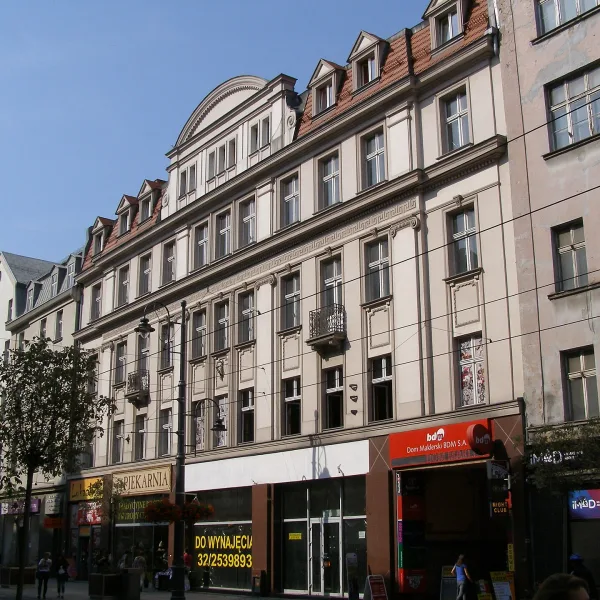
Ateneum Gallery in a townhouse on 3 Maja Street (number 25) shows stage designs, puppets and photographs from the Ateneum Theatre. The SARP Architecture Gallery at 9 Dyrekcyjna Street holds exhibitions and a lecture series on architecture. In the same category is Symfonia, the Academy of Music building with a 470-seat concert hall and a glass atrium.
What can you see in the city without entering a hall?
Two addresses in this category are outdoors. The Artists' Gallery on Grunwaldzki Square in Koszutka consists of bronze busts of artists connected to the city, with another one added each year since 2004. The Katowice Neon Depot at 2 Sejmu Śląskiego Square shows restored neon signs rescued from demolished buildings in the open air. They suit a day when the weather is good, since they are not indoor displays.
The building at 3 Korfantego Avenue, the former Grand Hotel and between 1984 and 2018 the seat of the Silesian Museum, has technical functions today and is not open like a museum. You can only see it from outside. Likewise, the Archdiocesan Museum at 39 Jordana Street has had its activity suspended since 2024, so check before a visit whether it has reopened.
How to plan a one-day museum route?
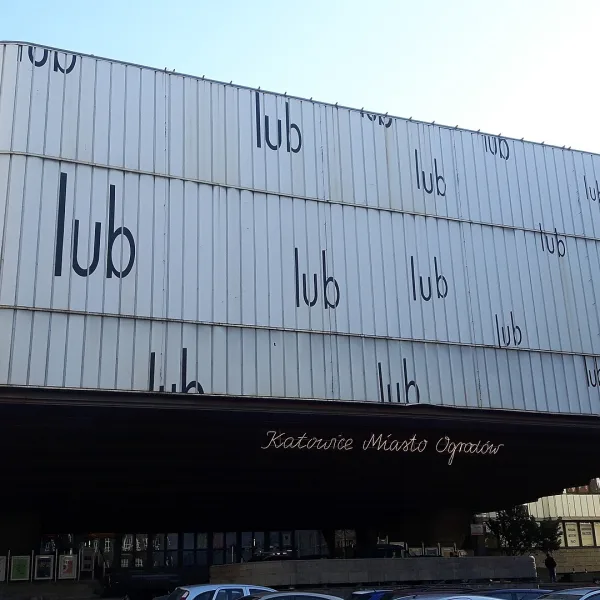
In the centre most addresses lie close together. On Jordana Street the Fra Angelico gallery, the Archdiocesan Museum and the cathedral with the Pantheon are neighbours. Further on, on Korfantego Avenue, you will find BWA, and on Wojewódzka Street stand Symfonia and the Silesian Organ Museum. Silesian Parliament Square with the Neon Depot is next to Miasto Ogrodów.
Outside the centre it is worth planning separate trips: to Bogucice for the Silesian Museum, to Szopienice for the Walcownia and the smelting room, to Nikiszowiec and Giszowiec for the estate rooms. A fuller overview of the city's historic buildings is on the page monuments in Katowice, and a general city guide is at things to do in Katowice. More open-air places are collected under parks and nature in Katowice.
Frequently asked questions
Which museum in Katowice is the largest?
The largest and best known is the Silesian Museum in the former Katowice colliery in Bogucice, where you can see Polish paintings, religious art and the regional story.
Where can you play old pinball machines in Katowice?
At FunHouse on Bogucicka Street 7. The collection has more than two hundred retro machines, and the exhibits are meant to be played.
Where can you see the historic zinc industry?
At the Walcownia in Szopienice, where the production line and steam engines have survived, and at the Smelting Tradition Room in the former works laboratory.
Is the Archdiocesan Museum open?
Its activity was suspended in 2024, so check before a visit whether it has returned to work.
Are there open-air museums in Katowice?
Yes: the Artists' Gallery on Grunwaldzki Square and the Katowice Neon Depot at Silesian Parliament Square, both outdoors.

 Museums