When it rains in Katowice, head for museums, theatres, galleries and indoor play venues, from the Silesian Museum to bowling alleys and escape rooms.
The ideas here suit families, couples and people travelling alone who have a spare day and shaky weather. Several dozen places in the city offer a programme of several hours indoors, and many of them lie in Śródmieście and the Culture Zone, close to each other. A wider selection from the whole region waits under rainy-day attractions in Silesia, and the city as a whole under things to do in Katowice.
What can you do in Katowice when it rains?
The safest plan is a museum, a theatre or a gallery, because a visit there lasts several hours and takes place entirely under a roof. On a rainy day children's play venues, bowling alleys and escape rooms also work well. It is usually better to choose one district than to travel around the whole city, since transport in the rain is tiring.
Katowice is fortunate in that many institutions stand close together. In the Culture Zone the Silesian Museum, the home of the radio symphony orchestra and Spodek stand side by side, and a few hundred metres away works the academic library. In Śródmieście, on 3 Maja and św. Jana streets, there are several theatres, galleries and a cinema.
Which museums should you choose on a rainy day?
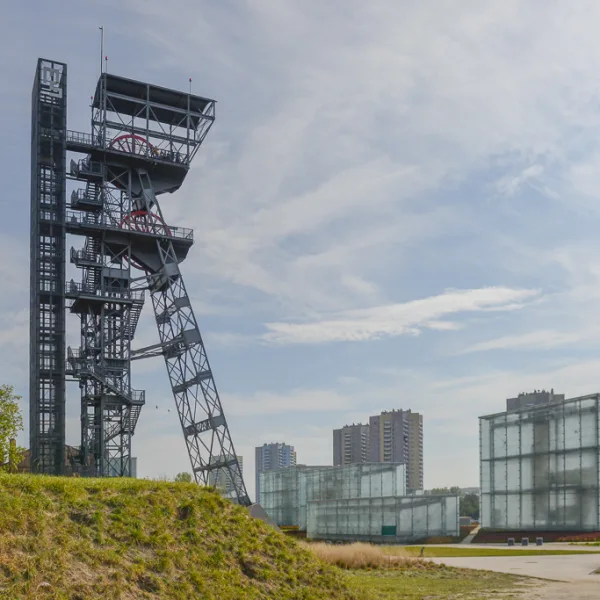
The first choice is the Silesian Museum, which fills part of an old colliery site at Bogucice. Most of the building lies underground, and the permanent displays range from Polish painting through sacred and naïve art to the story of Upper Silesia. The new building opened in 2015, and the museum belongs to the Industrial Heritage Trail of the Silesian Voivodeship. It is a place for a whole afternoon, and for a longer visit if you like looking without haste.
If you want to get to know the city, enter the Katowice History Museum on Szafranka street. Among its holdings are Witkiewicz's Asymmetrical Lady portraits, old photographs and ironworks porcelain, and its branches are scattered across the city. One of them is the Magiel Gallery in Nikiszowiec, where displays show the life of a workers' family, a laundry and a mangle. Another branch is the Barbara and Stanisław Ptak Museum, an apartment on two floors at Kopernika 11 where a set designer and an actor lived, preserved as it was.
Technology museums and specialist collections
Enthusiasts of technology will go to Szopienice. The Rolling Mill - Museum of Zinc Metallurgy is a former zinc-sheet mill where you can follow the whole sheet-making process, see steam engines and a set of motorbikes; it joined the technology trail in 2017. In the same district the Metallurgical Tradition Room occupies the old works laboratory of 1897 and is run by retired steelworkers.
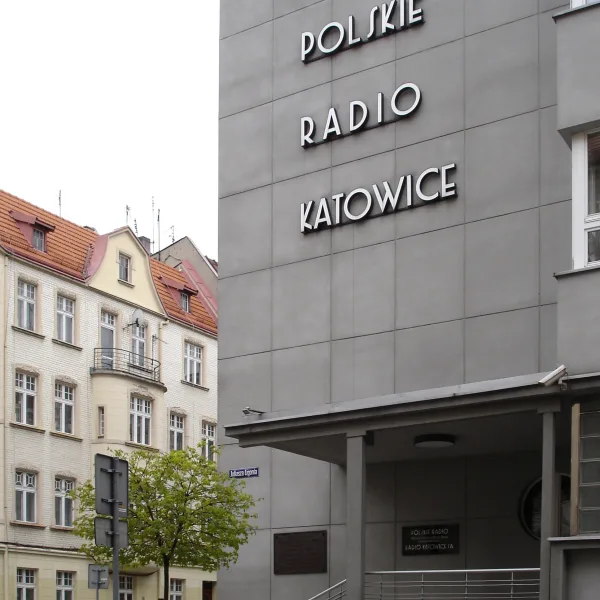
A lighter choice is FunHouse on Bogucicka street, where once you have your ticket you play on more than two hundred machines with no time limit. In Giszowiec there is the small Silesian Room with paintings by Ewald Gawlik and old furnishings of Silesian homes. Two museums have unusual collections: the Museum of the Smallest Books in the World in Piotrowice, with tiny volumes, among them an alphabet that measures a mere 0.8 mm by 1 mm, and the Franciscan Mission Museum in Panewniki, where missionaries' finds from three continents make up some two hundred exhibits. For music there is the Silesian Organ Museum, underground at the Academy of Music, and the history of broadcasting is shown by the Polish Radio Museum Room. Next to the cathedral you will find the Upper Silesian Pantheon, an institution with a multimedia exhibition about notable figures of the region.
Leave two places out of your plan. The Archdiocesan Museum on Jordana street suspended its work in 2024 and stays shut, and the building at Korfantego 3 is no longer a museum but a technical building.
Which theatre or concert to choose in the rain?
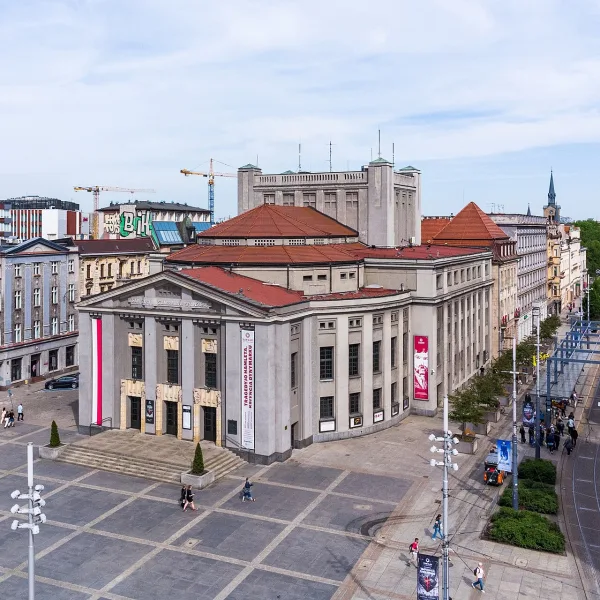
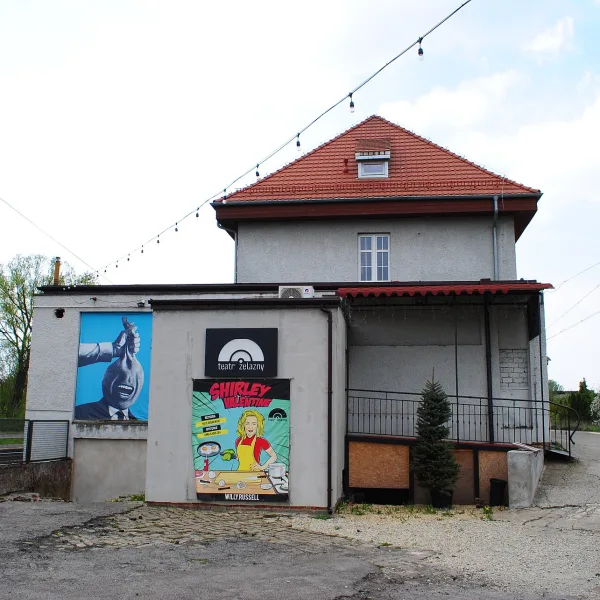
On a wet evening a stage is a good choice. The Silesian Theatre at Rynek 10 occupies a neoclassical building of 1907 and no other drama stage in Upper Silesia is larger; it has three stages and plays partly in the Silesian dialect. It is intimate at the Theatre Without a Stage on 3 Maja 11, founded in 1997, where contemporary comedies and dramas dominate the bill. In Załęże an independent Iron Theatre works with a temporary hall of 139 seats.
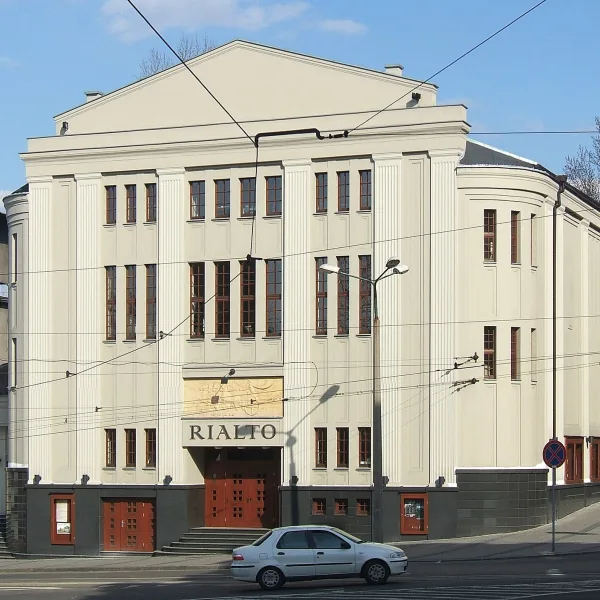
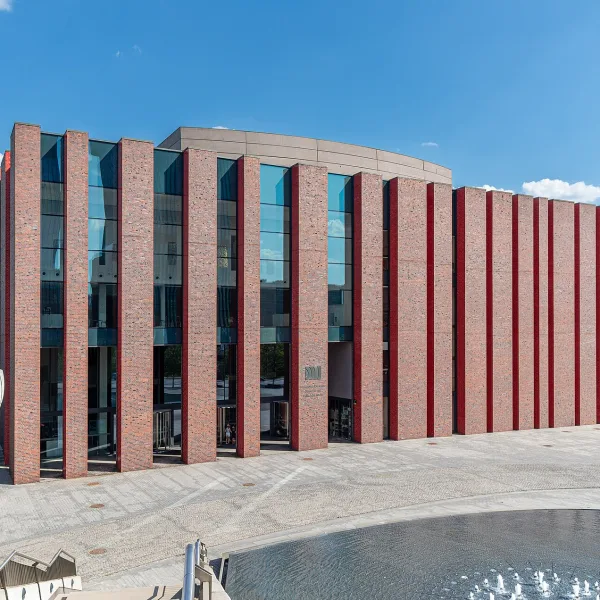
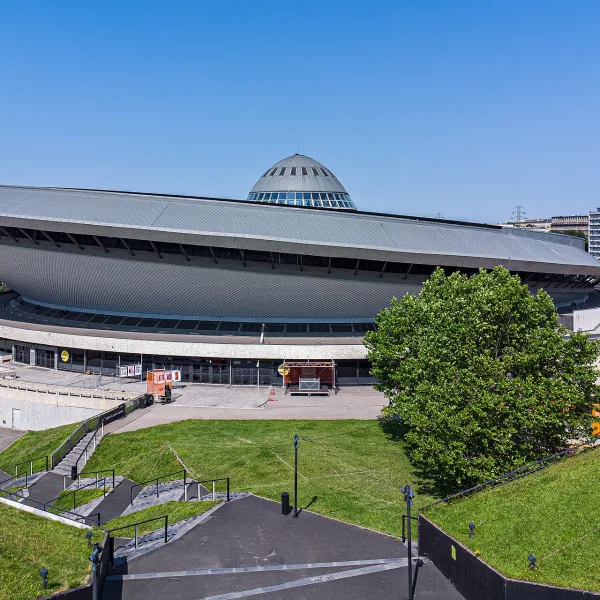
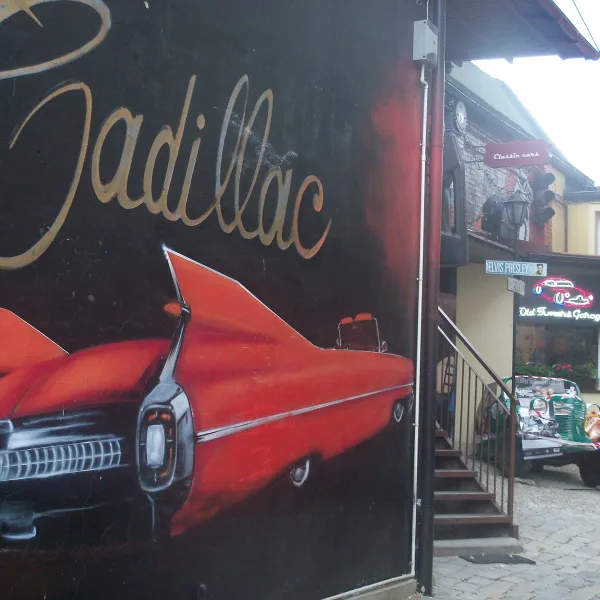
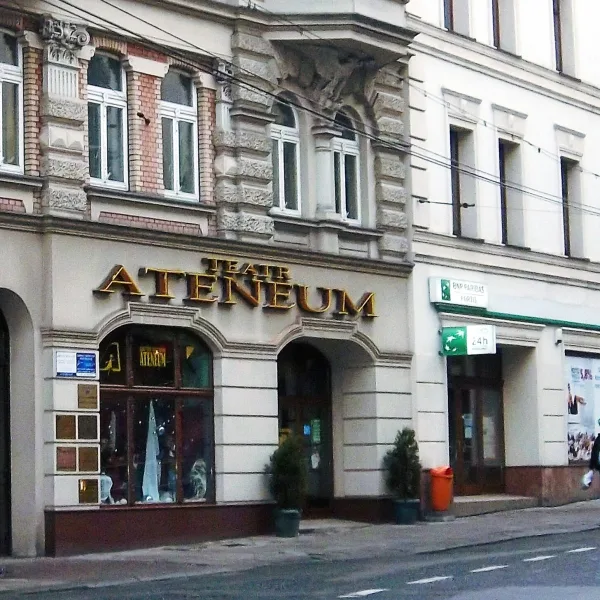
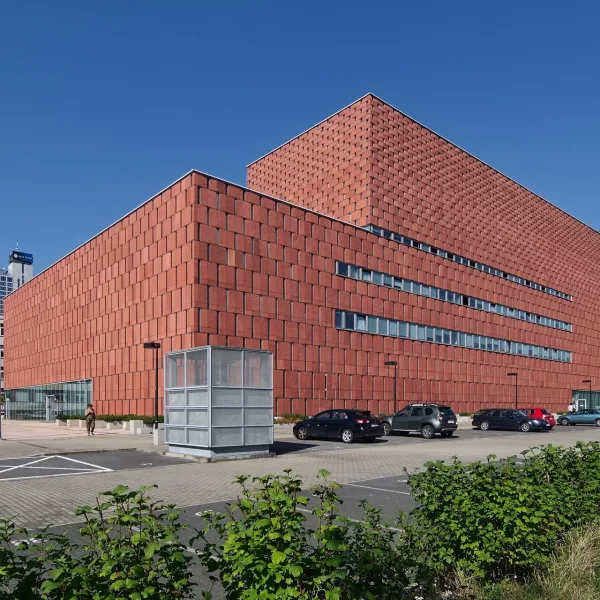
Film fans will visit the Rialto Cinema-Theatre at św. Jana 24, one of the oldest cinemas in town (open since 1913), today an art-house venue that also hosts bands and theatre groups. Classical music has two addresses: the NOSPR seat on Kilar Square, opened in 2014, with a brick exterior and an auditorium for some 1,800 people, and Symfonia with a hall for 470 people. For big events look to Spodek, which also holds an ice rink and a pool inside. A completely different atmosphere belongs to Old Timers Garage in Piotrowice, a stage and club inside the old Piast cinema, which also displays part of a vintage-car collection, and to the Ateneum Theatre with a repertoire for children.
Which art galleries can you see indoors?
Galleries suit a short visit. The BWA on Korfantego avenue has been running since 1949, with roughly 800 m2 of display rooms. Parnas on Kochanowskiego street exhibits canvases, prints, sculpture and art glass, and Ateneum Gallery presents set designs and puppets. In a historic tenement at Dyrekcyjna 9 you will find the SARP Architecture Gallery, with exhibitions and lectures. In Nikiszowiec it is worth visiting the Wilson Shaft Gallery housed in a brick pithead building (1915) that once served a shaft of the Wieczorek mine. Only the Artists' Gallery on Grunwaldzki Square lies in the open air, so keep it for dry weather.
Where can the kids burn off energy on a wet day?
For families the best places are those where children can run around. Bajka Pana Kleksa on Porcelanowa street is a play hall with themed lands inspired by a book, and JUMPCITY in Ligota has three thousand square metres of trampolines and climbing zones. In the Galeria Katowicka mall an indoor playground called Fit4Kids offers classes and birthday parties.
Older children and teenagers will like FunHouse, and puppets and stories come from the Ateneum Theatre, active since 1945 and known for a festival for the youngest. For a family with a toddler it is best to pick one place for two or three hours and rest at home in the afternoon.
What lies behind the buildings you enter to escape the rain?
Many buildings on this list have an interesting past worth knowing during a visit. The Silesian Theatre building was designed by the government master builder Carl Moritz, and work began in 1906 where Katowice's first town hall had stood. The Rialto began in 1912 as the Kammerlichtspiele, built by Martin Tichauer, a master builder, and Berthold Kochmann, a merchant, and the cinema has worked since 15 January 1913.
The NOSPR seat rose on a former timber yard of the Katowice mine, closed in 1999, and was officially opened on 1 October 2014; at the time it was the largest concert and recording complex in the country. The former Piast cinema in Piotrowice ran from 1933 to 1991, and after years of abandonment a private investor restored it and kept the layout of the auditorium. The Ateneum Theatre, one of the oldest puppet companies in Poland, was founded in 1945, and for years its look was shaped by visual artists who directed the stage.
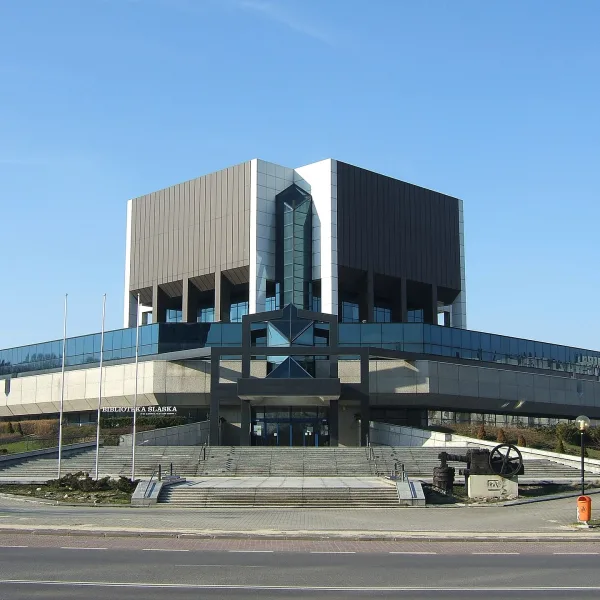
The Silesian Library began as the Library of the Silesian Parliament in 1922, and its present building on Rady Europy Square opened on 24 October 1998. The Wilson Shaft Gallery uses an old pithead hall of 1915, and the shaft itself received its current name in 1935. The Polish Radio Museum Room started in 2009 and reopened in 2014 after the attic was refurbished.
What to do in the evening with friends or as a couple?
If the rain spoiled your walk, play a game. Gravitacja in the Punkt 44 complex in Załęże has bowling and billiards, and Galaktyka Bowling in Club Garage on Dąbrówki street has eight lanes, a billiard room and a restaurant. Quest Cage operates puzzle rooms in Dąb and downtown, offering seven storylines, from "Sherlock's Room" to "Tunnels Under the City". It is a good choice for couples, groups of friends and company teams.
Where to shelter with a book or in a cultural centre?
For a quieter rainy day choose the Silesian Library on Rady Europy Square, founded in 1922, or CINiBA on Bankowa street, a joint library of two universities with reading rooms and events. In Ligota the Municipal Cultural Centre runs a library, festivals and classes, and the Youth Palace in the centre is a complex of ten postwar buildings, a centre for extracurricular activities.
How to plan a rainy day by district?
It is wisest to stick to a single district until dinner time. In Śródmieście you can walk from the Katowice History Museum to the gallery on Korfantego, and spend the evening at a theatre or the Rialto. In Bogucice and the Culture Zone plan the Silesian Museum, NOSPR and Spodek. Szopienice offer the Rolling Mill and the Metallurgical Tradition Room, and Nikiszowiec the Magiel Gallery and the Wilson Shaft. Ligota has JUMPCITY and a cultural centre, Załęże the Iron Theatre and Gravitacja, and Zawodzie FunHouse and Bajka Pana Kleksa. Remember that some places keep their own hours, so check the venue's website before setting out. It is also wise to carry an umbrella between stops, because some are separated by a few hundred metres.
Frequently asked questions
What can you do in Katowice on a rainy day?
Choose a museum, a theatre, a gallery or an indoor play venue. Museums such as the Silesian one, the city history museum and the Rolling Mill will fill a few hours.
Where to go with children in Katowice when it rains?
To Bajka Pana Kleksa, JUMPCITY, Fit4Kids in the Galeria Katowicka mall, or to the Ateneum Theatre with its children's repertoire.
Which museums in Katowice are good in the rain?
Start with the Silesian Museum, then add the Rolling Mill - Museum of Zinc Metallurgy, the history museum and FunHouse, plus smaller themed rooms.
Is the Archdiocesan Museum open?
No. Its activity has been suspended since 2024 and the institution is closed, so do not plan a visit there.
What to do in the evening in Katowice when it rains?
Bowl at Gravitacja or Galaktyka, try an escape room at Quest Cage, or choose a performance or a concert.
Is there a cinema in Katowice for a rainy evening?
Yes: the Rialto at św. Jana 24 screens art-house films and also stages concerts, plays and meetings.
Where to begin a rainy day in the Culture Zone?
At the Silesian Museum, then enter the NOSPR seat and look into the CINiBA academic library. All lie within a few hundred metres of each other.

 Museums