Industrial heritage in Katowice: former mines, shafts, water towers and workers' estates, from Nikiszowiec to the zinc rolling mill in Szopienice.
Katowice grew on coal and zinc, and traces of that era appear in many districts at once. Some sites can be visited inside, others only from the street, but together they tell a clear story of an industrial city. Sites in other towns of the region are gathered in Zabytki techniki, while the overview of all Katowice is at Katowice.
Where should you begin with industrial heritage in Katowice?
A good start is Nikiszowiec, with a visit to the Museum of Zinc Metallurgy in Szopienice next to it. The first shows how miners lived, the second how zinc sheet was made. A third stop can be the Culture Zone on the grounds of the former Katowice mine.
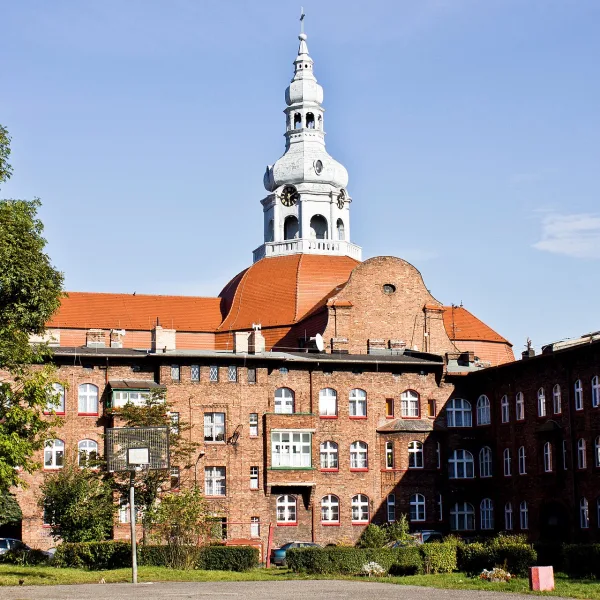
Nikiszowiec grew up in 1908-1919 as housing for miners, commissioned by the Georg von Giesches Erben firm. The plans were drawn by Georg and Emil Zillmann, and the estate received the title Monument of History in 2011. Houses of red brick surround Plac Wyzwolenia and the neo-baroque St Anne's church, so a short loop between them is enough.
The Rolling Mill - Museum of Zinc Metallurgy stands at ulica 11 Listopada 50, in a former zinc sheet mill from 1903-1904. Inside, the original sheet-making line, historic steam machines and a set of motorbikes await. From 2017 the museum is part of the Silesian Voivodeship Route of Industrial Monuments. It works well on a rainy day, because the visit takes place mostly indoors.
Where in Katowice can you see former mines and shafts?
You find traces of mining in four places: Bogucice, Janów, Załęże and Kostuchna. Some sites have been converted, others await new uses, so always look from outside and respect fences.
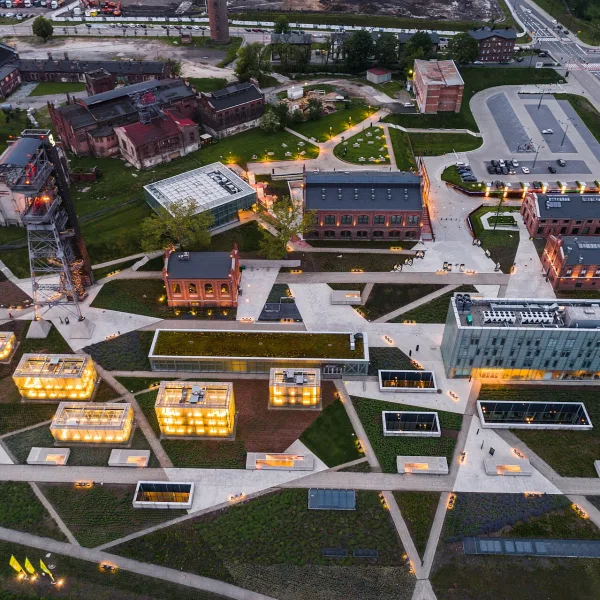
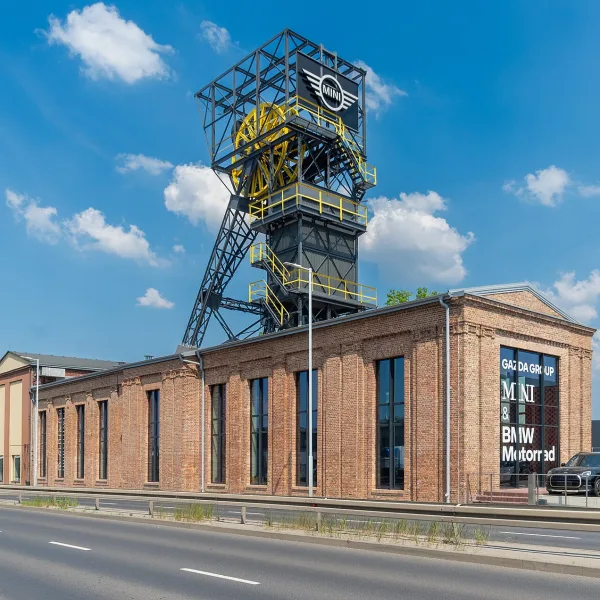
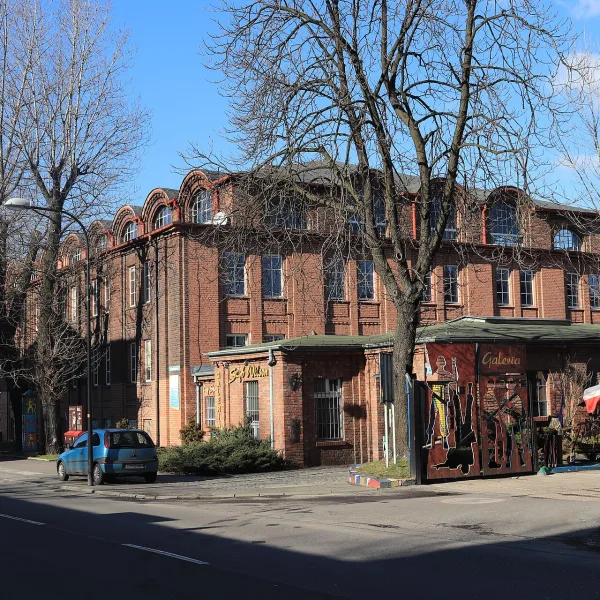
In Bogucice the Katowice Coal Mine worked from 1823 to 1999. The industrial brick buildings, shafts and winding towers became part of the Culture Zone; a museum occupies the old halls, and there is a restaurant too. Linked to the site is the Bartosz Shaft Complex at ulica Kopalniana 6, formerly called Beniamin. It consists of a headframe building with a tower, an engine room, a power house and a compressor hall, built between 1881 and 1928.
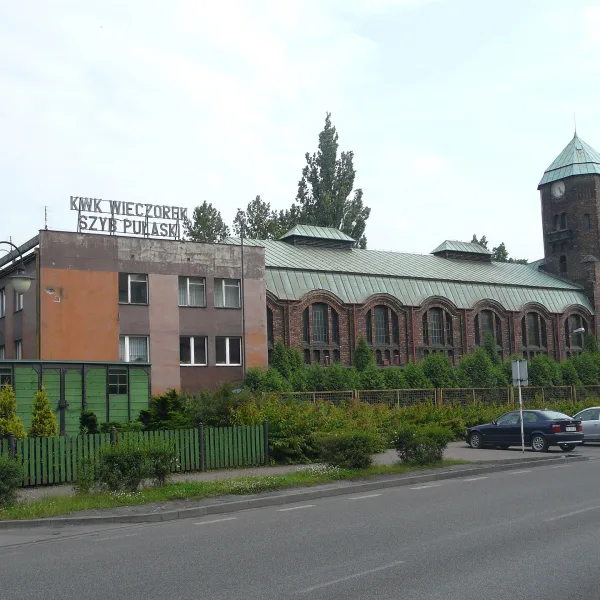
In Janów stands the Pułaski Shaft Complex of the Wieczorek mine on ulica Szopienicka. It was built in 1903-1911 to a design by the Berlin architects the Zillmanns, is on the heritage register and has a 40-metre steel winding tower. Nearby, at ulica Oswobodzenia 1, the Wilson Shaft Gallery occupies a brick lamp-room building from 1915, a private gallery of contemporary art. It used to serve the Wilson shaft.
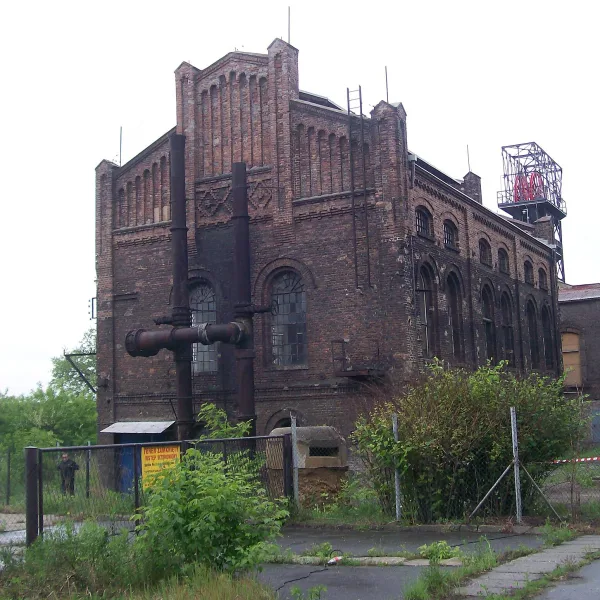
Załęże and the Witosa estate show the city's second mine. The Kleofas Mine worked from 1840 to 2004, and today it is a site after liquidation, with protected buildings of the shafts, boiler house and power plant left standing. On ulica Bocheńskiego stands the "Wschodni II" Shaft Complex: a two-section steel tower with a shaft house of brick and a separate machine hall. It was put up in 1913-1916 to ventilate the Kleofas mine.
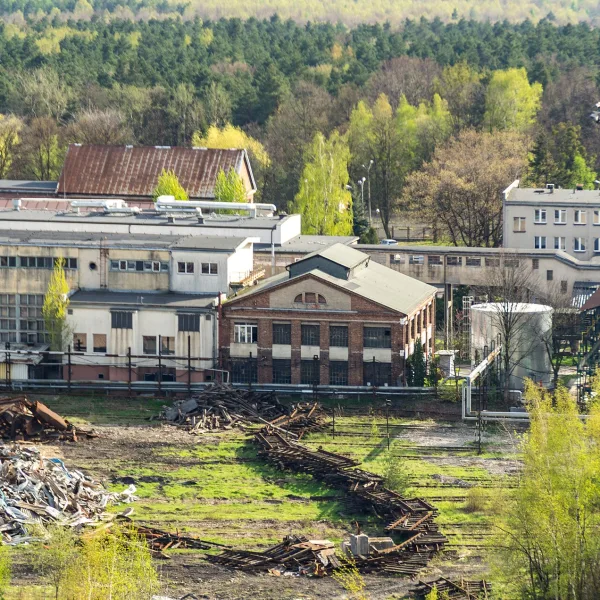
In Kostuchna, at ulica Boya-Żeleńskiego 95, lies the Boże Dary Mine. The princes of Pszczyna had it built in 1901-1903, and it bore the name Böer until 1937. The conservator-protected grounds and buildings recall the layout of an Upper Silesian plant a century ago.
Which workers' estates are worth seeing besides Nikiszowiec?
Besides Nikiszowiec, Katowice has several colonies that grew beside smelters and mines. Each has its own story, and together they show how life near an industrial plant looked from the mid-19th century to the early 20th.
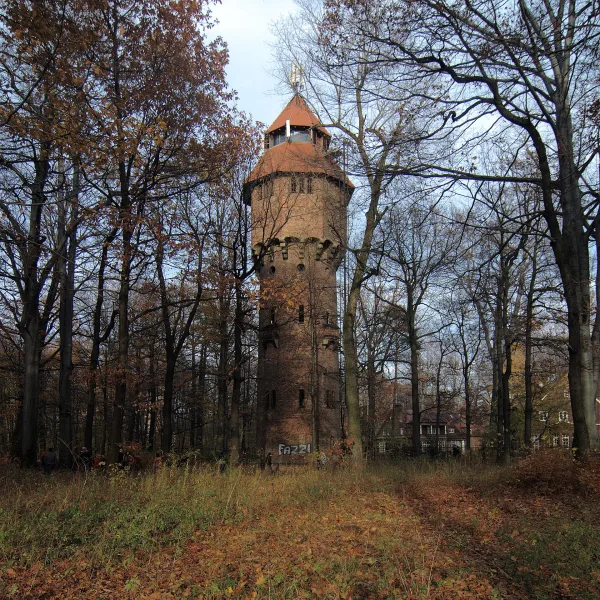
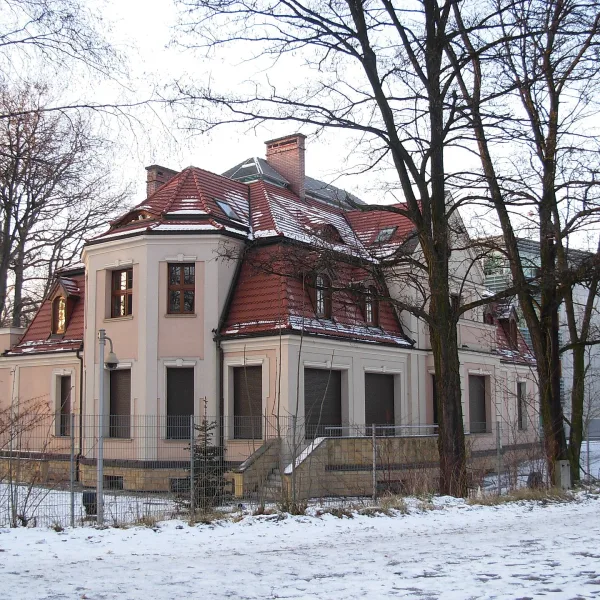
In Giszowiec, at ulica Pszczyńska 10, stands the villa of the Giesche mine director: a brick residence finished in 1910. The Zillmanns designed it, and today it is listed as a monument. Nearby, at the highest point of the estate, rises the Giszowiec water tower, brick, about 33 metres tall and built to bring water to the miners' homes.
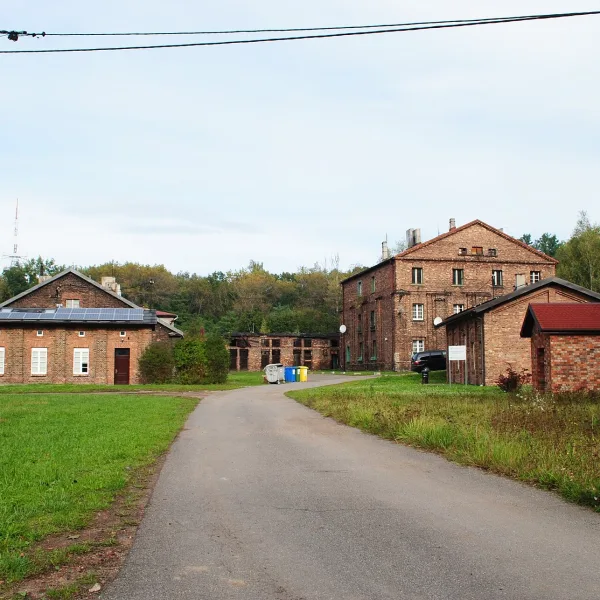
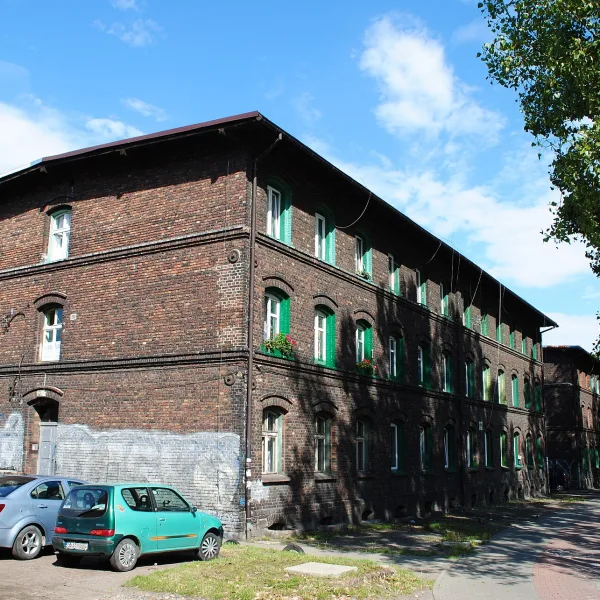
In Szopienice-Burowiec, on ulica Lwowska, stands Helgoland, a cluster of red-brick houses where smelter workers of the Wilhelmina works moved in around 1890-1905. The link with the island of Helgoland comes from the high slope the buildings stand on. On ulica Krakowska, tenements of the 1870s survive in the Wilhelmina Colony, as does a former small palace. The colony began to be set up in the 1840s around a zinc works founded in 1834.
In Wełnowiec-Józefowiec you find the Alfred Colony, a former estate of the "Alfred" mine with low one-storey houses dating from the end of the 1800s, under protection since 1978. In Załęże, between Wiśniowa and Bocheńskiego streets, the workers' colony of the "Kleofas" mine was built in 1890-1914, partly to designs by the Zillmanns. These are estates where people still live, so visit them discreetly.
What water towers, bridges and other technical structures does the city have?
Besides mines and colonies, notice single structures: water towers, two bridges, a station and a former brewery. Most are seen from outside only, and they stand in different parts of the city.
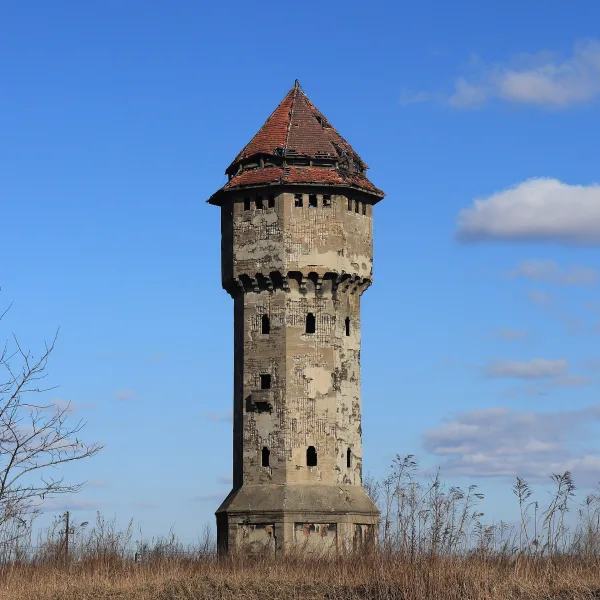
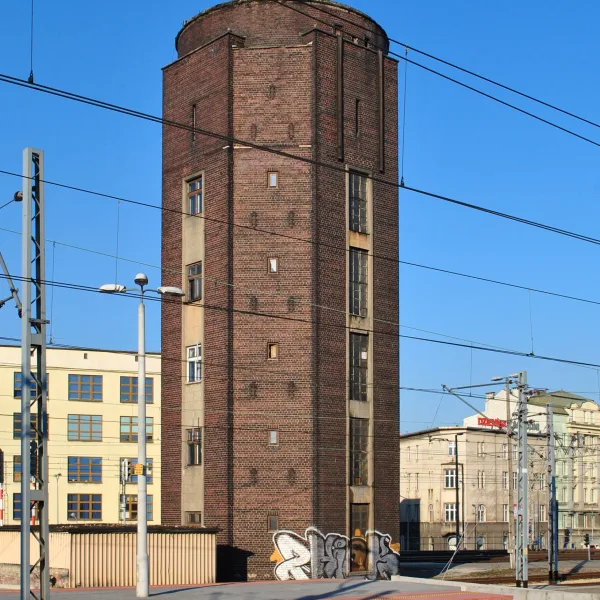
The reinforced-concrete water tower of the Szopienice Non-Ferrous Metals Works was built in 1912 on the grounds of the former zinc works. Today it is unused, on the heritage register since 1978 and open to view from outside only. At the main station, at the end of platform two, stands a brick railway water tower, 30 metres tall, raised in 1951 where an earlier tower had stood.
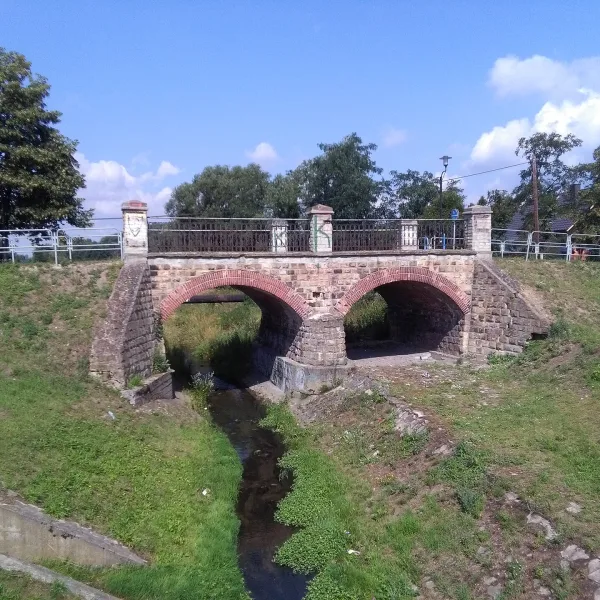
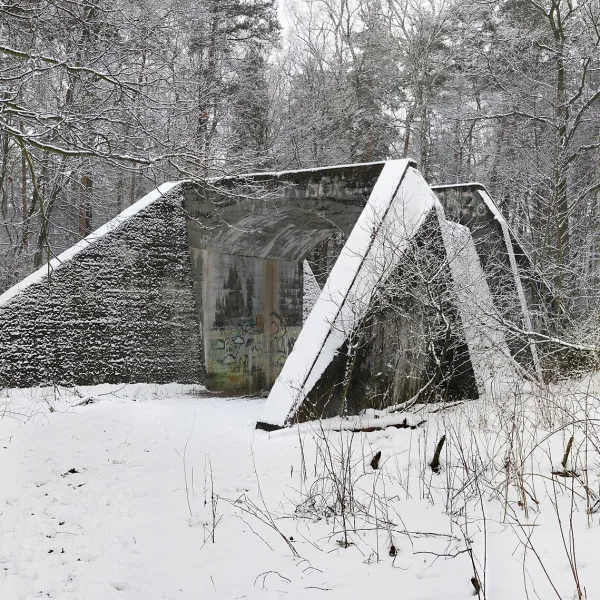
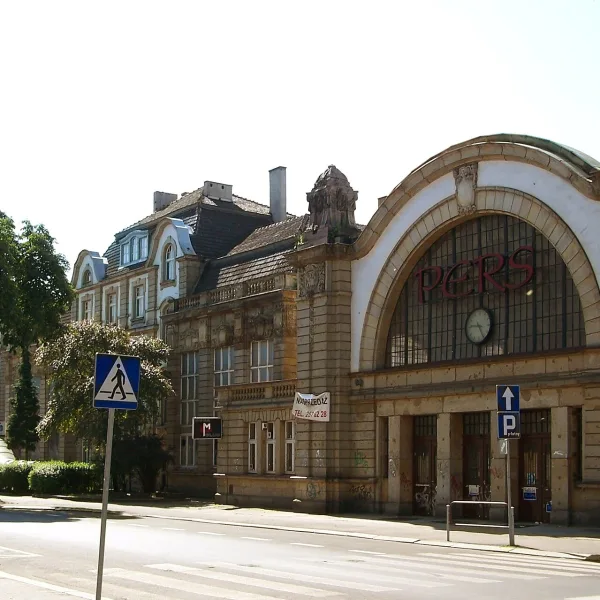
On ulica Dworcowa lies the old railway station complex. Successive buildings were added between 1859 and 1931, which is why neoclassicism, modernism and Art Nouveau all appear. After renovation, shops and services occupy them. In Podlesie, over the Mleczna river, there is a historic arched bridge of stone and brick, and in the Gniotek forest the Gypsy Bridge, a disused reinforced-concrete viaduct that no train ever crossed.
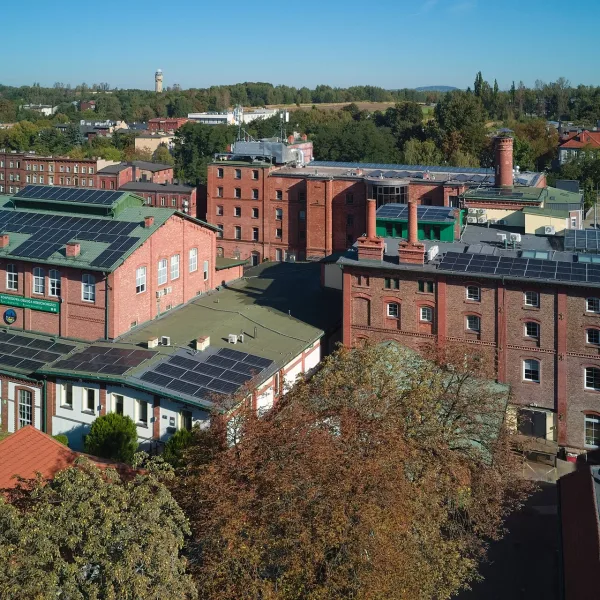
In Murcki a birch avenue leads from the station to the former mine, entered in the register in 1949. In Szopienice, at ulica Bednorza 8, stands the brick Mokrski Brewery from 1879-1890. After renovation it serves as an office and warehouse centre and is an example of adapting an industrial monument.
How do you plan a route through industrial heritage in Katowice?
It is best to combine sites by district, because distances between districts are greater than within one. Routes along neighbouring addresses follow directly from the list.
- Szopienice-Burowiec: the zinc rolling mill, the works water tower, Helgoland, the Wilhelmina Colony and the Mokrski Brewery.
- Janów-Nikiszowiec: Nikiszowiec, the Pułaski shaft complex and the Wilson Shaft Gallery.
- Bogucice: the Katowice mine in the Culture Zone and the Bartosz shaft complex.
- Giszowiec: the director's villa and the water tower, on one walk around the estate.
- Załęże and the Witosa estate: the Kleofas mine site, the "Wschodni II" shaft and the workers' colony.
A few sites can be seen from outside only, and some now house firms or galleries. Always check whether a site is open before you set out.
Frequently asked questions
Which industrial monuments in Katowice can you visit inside?
The easiest to enter is the Museum of Zinc Metallurgy in Szopienice, where the rolling mill's production line has survived. The Wilson Shaft Gallery also has interiors. Most other sites are viewed from outside.
What can you see in Katowice when it rains?
Choose the museum in the zinc rolling mill or the gallery in the former lamp room of the Wilson shaft. You can also spend time indoors in the Culture Zone, set up in the old halls of the Katowice mine.
Do you need a guide in Nikiszowiec?
No, the estate can be walked alone. The houses lie around Plac Wyzwolenia and St Anne's church, so a short stroll is easy to plan. Residents live here every day, so keep quiet.
Are the sites of former mines open to visitors?
It varies. The site of the former Katowice mine became the Culture Zone, but Kleofas and Boże Dary are former mining grounds that are best viewed from the street.
Where in Katowice can you find estates of workers' houses?
Workers' houses stand in Szopienice-Burowiec (Helgoland, Wilhelmina), in Załęże (the Kleofas colony), in Wełnowiec-Józefowiec (the Alfred Colony), and in Nikiszowiec and Giszowiec.

 Museums