Historic buildings in Katowice: Hotel Monopol, the Silesian Parliament Building, Drapacz Chmur, Bruno Taut's estates and the villas of the city centre.
Katowice grew mostly in the 19th and 20th centuries, so its monuments are industrial and urban in character: tenement houses, town halls of former municipalities, manufacturers' villas, mining colonies and modernist buildings of the 1920s and 1930s. Most of them, twenty of the thirty-five, lie in Śródmieście, but interesting addresses also wait in Załęże, Szopienice, Murcki and Giszowiec.
Many buildings are used today as offices, universities, nurseries, hotels or homes, so they are usually seen from the outside. The city's historic churches are covered separately in the category Kościoły i klasztory: Katowice.
Which historic buildings should you see in the city centre?
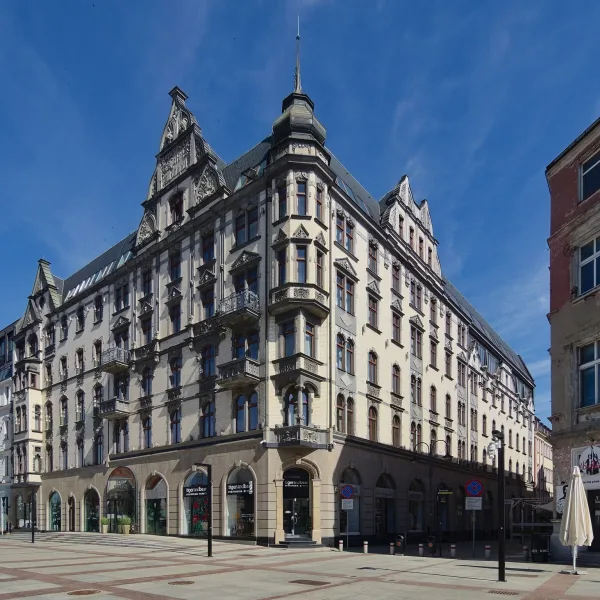
Dworcowa Street is a good place to start. The Hotel Monopol at number 5 is an eclectic building of white clinker brick, put up where the “Ollendorf” villa of 1860 once stood. The older part dates from 1901-1902, and the hotel opened in September 1902. It is listed as a monument and still serves guests. Across the street stands the Old Railway Station Complex: its buildings went up in stages between 1859 and 1931, so they mix neoclassicism, modernism and Art Nouveau. After the new station opened in 1972 the old one lost its original role, and after renovation it was taken over by service businesses.
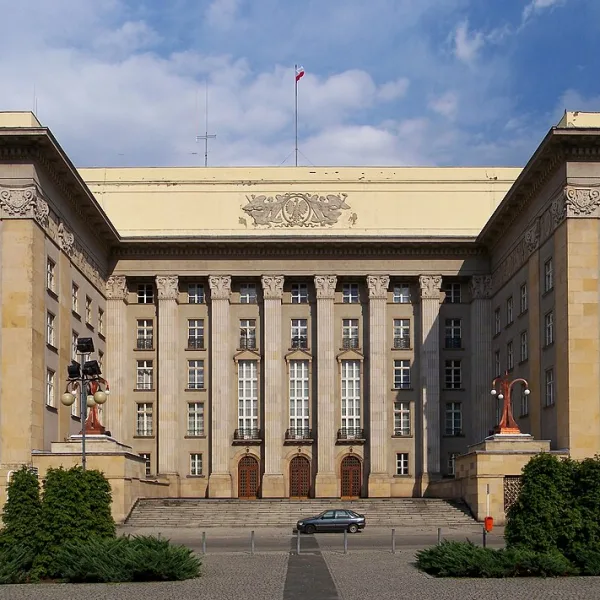
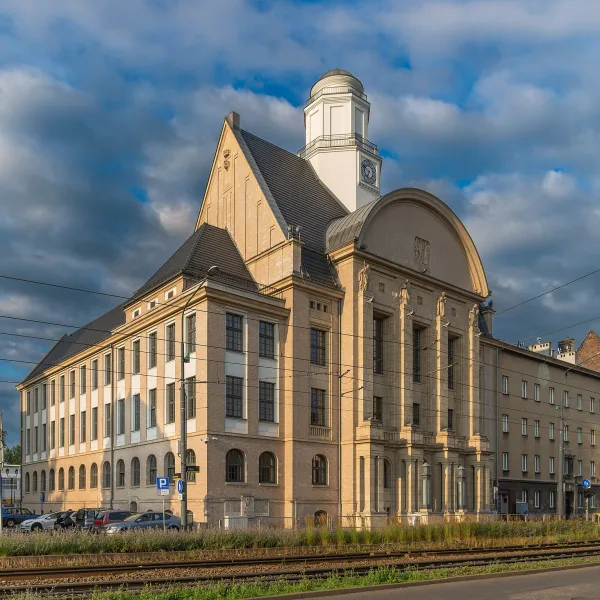
The Silesian Parliament Building at Jagiellońska 25 is the largest administrative building by volume erected in interwar Poland and a Monument of History. It was built in 1924-1929 as the seat of the Voivodeship Office and the Silesian Sejm, a symbol of the autonomy granted to the voivodeship in 1920. Today it houses the Marshal's Office, the Regional Assembly of the Silesian Voivodeship and the Silesian Voivodeship Office.
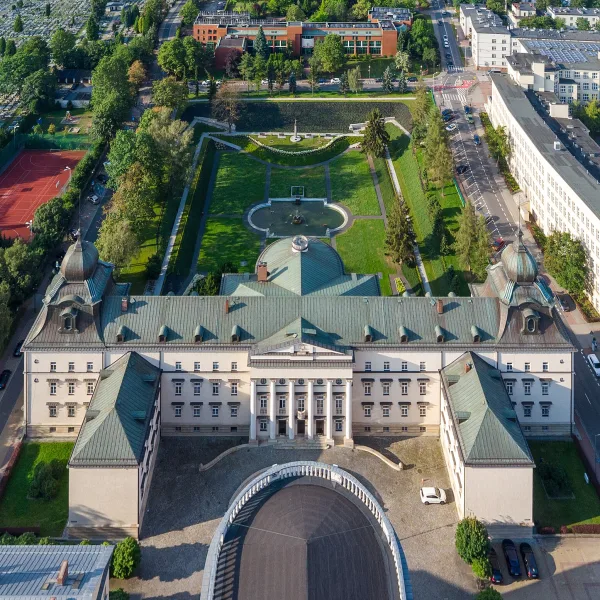
Next to the archcathedral stands the Bishop's Palace of 1927-1933, a brick building at Henryka Jordana 39. It was designed by Zygmunt Gawlik and Franciszek Mączyński, the same architects who created the neighbouring cathedral. It still belongs to the Katowice archdiocese and has been on the monument register since 1997.
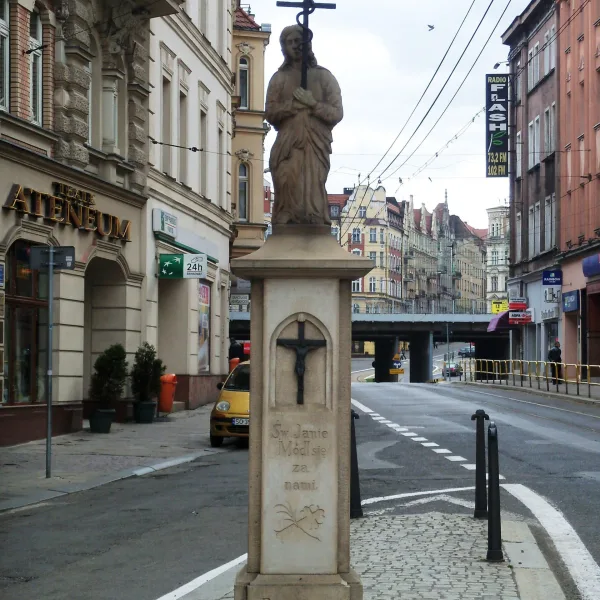
From the older, village past of Katowice comes the Statue of St John at the mouth of św. Jana Street on the Market Square. It is a replica: the original of 1816, which gave the street its name, stands in Brynów.
Where to look for Katowice's modernism and functionalism?
Between the wars Katowice became a testing ground for modern architecture. Drapacz Chmur at Żwirki i Wigury 15 has fourteen storeys and a steel frame that was innovative for its time. Completed in 1934, it ranked with Warsaw's Prudential among the tallest buildings in Poland. The former tax office is regarded today as one of the most interesting examples of functionalism in the country.
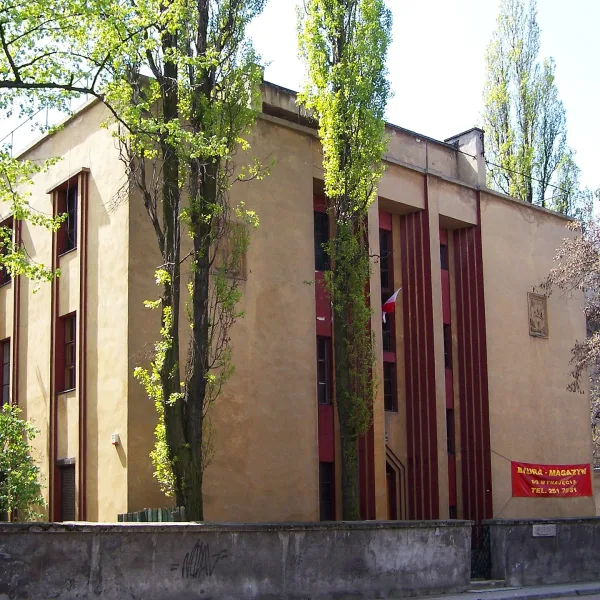
Modernism can be found in apartment houses too. The Wędlikowski House at PCK 10 was built in 1937-1939 to a design by Stanisław Gruszka, with five storeys, an L-shaped plan and a rounded corner. The Tenement House of Engineer Jan Piechulek at Raciborska 48, from 1932, is brick functionalism with a corner bay window.
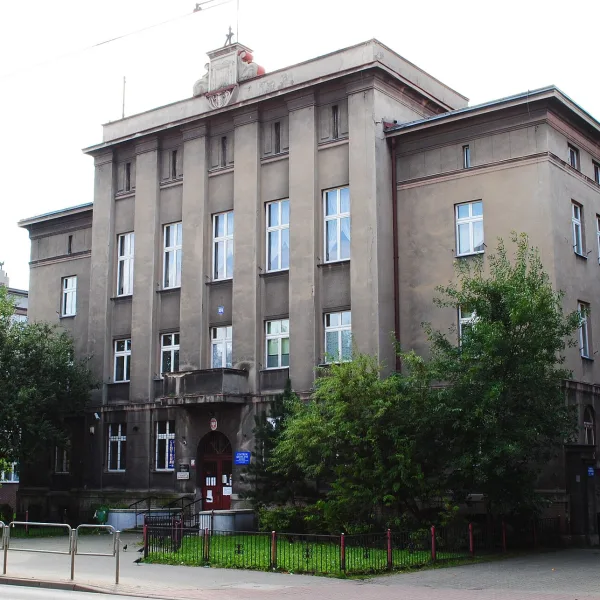
Close by, at Raciborska 37, stands the Former Officers' Club of the 73rd Infantry Regiment from 1937-1939, designed by Leon Dietz d'Arma. Today it houses the rector's office of the Academy of Fine Arts. The Silesian Insurgents' House at Matejki 3 is a functionalist building of the Union of Silesian Insurgents, designed by Zbigniew Rzepecki and entered in the register in 2014. It is also a site of resistance from September 1939.
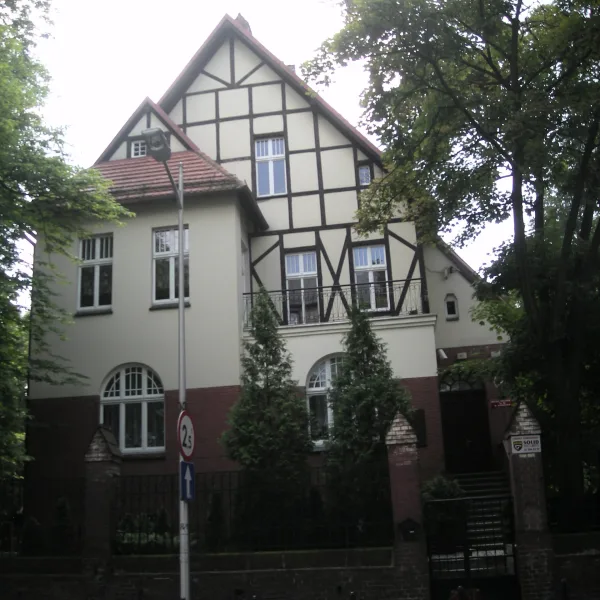
Among the villas, the Tadeusz Michejda's Villa at Poniatowskiego 19 stands out, the architect's own house of 1926-1930, modernist in the formist current. It is on the monument register and part of the Katowice Modernism Trail.
Which palaces, villas and houses of the old elites stand in Katowice?
At Plac Wolności 12a stands the Goldstein Palace, a neo-Renaissance villa of the brothers Abraham and Josef Goldstein, owners of sawmills on both sides of the Prussian-Russian border. It dates from 1872 and now serves as a civil registry, so a visit is limited to looking at the building from outside.
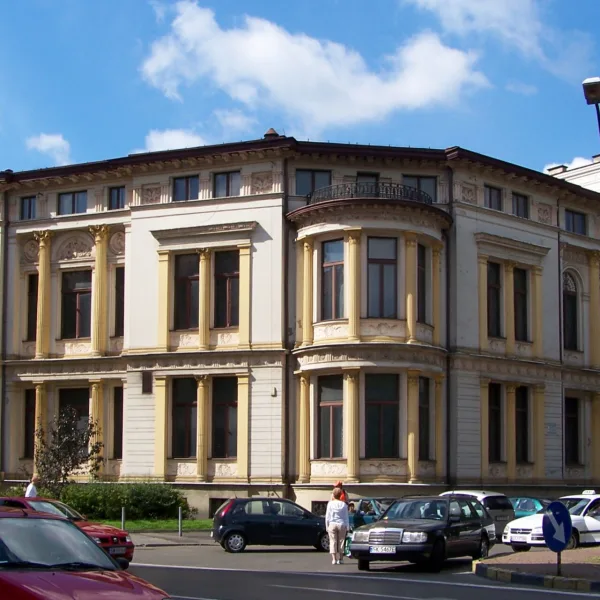
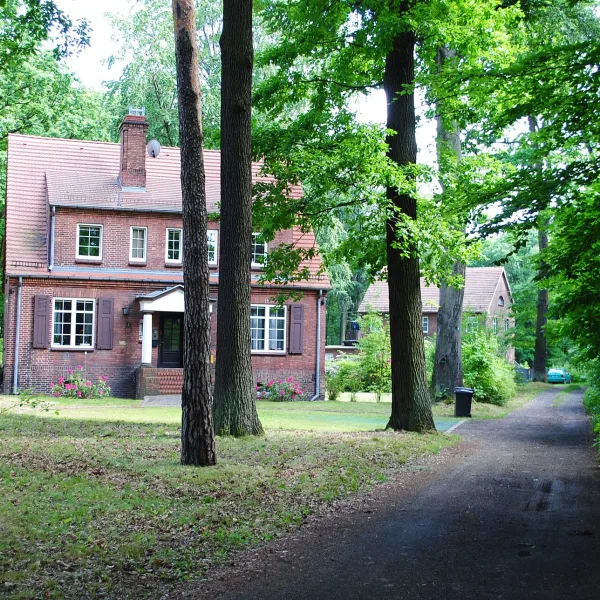
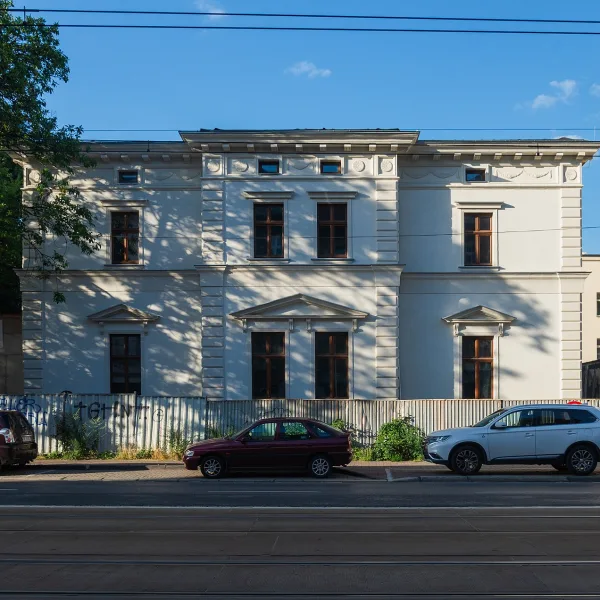
Warszawska Street has two garden villas. The Kramsta Villa at number 37, from 1875-1876 and designed by Julius Haase, has been the home of the creative club “Marchołt” since 1992. The Oskar Działoszyński Villa at number 55, neo-Renaissance and dating from 1897, is a residential building, so it can only be admired from the street. In Śródmieście at Powstańców 23 stands Korfantówka, a villa of 1907-1909 in a country-house style, where Wojciech Korfanty lived from 1923. Today it is a nursery school.
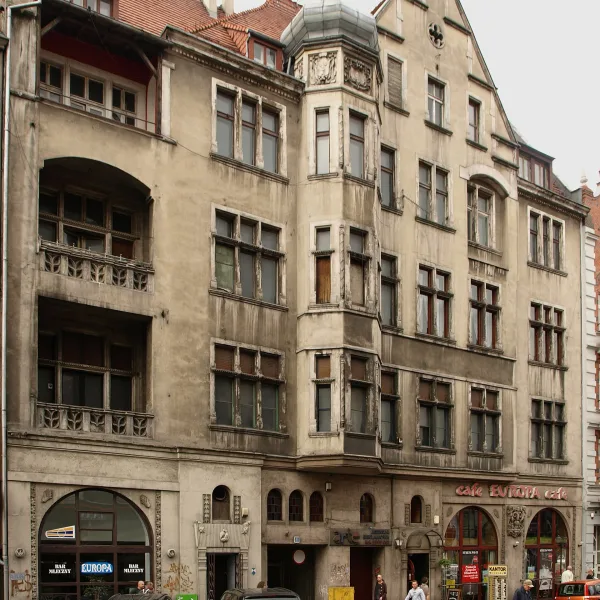
Tenement architecture in the centre is represented by the group of four tenement houses at Piastowska 3, by Louis Dame from around 1900, recognisable by the spired roofs that crown the corners, and by the neighbourhood of Mickiewicza Street. At number 8 stands a house from 1900 where a restaurant and later the “Wojko” café operated from 1935. At number 5 you will see the brick municipal baths of 1894-1895, rebuilt in 1911 and now used as offices.
Outside the centre add the palace in Załęże at Gliwicka 159, neoclassical, from 1886-1887, once the headquarters of the Giesche company and today a private hospital. In Dąbrówka Mała lies the Tiele-Winckler farmstead with an inscription dated 1853 and an avenue of chestnut trees, and in Murcki the Palace of the Princes of Pszczyna of 1905 on Wanda Hill. A nursery school has occupied it since 1975.
What is left of industry and the mining estates?
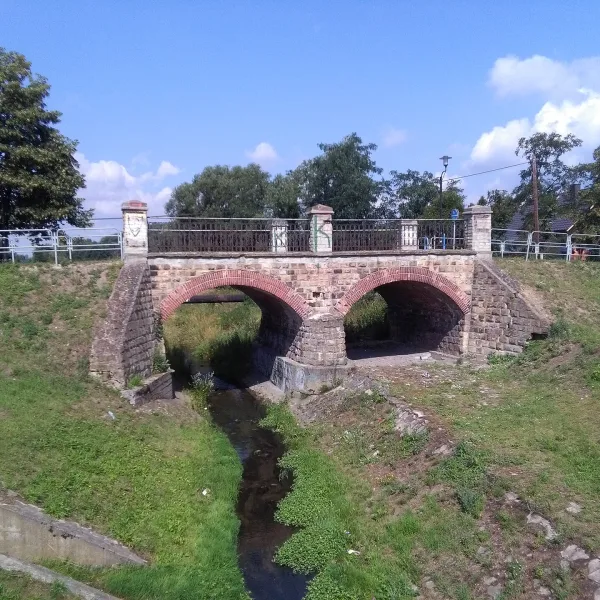
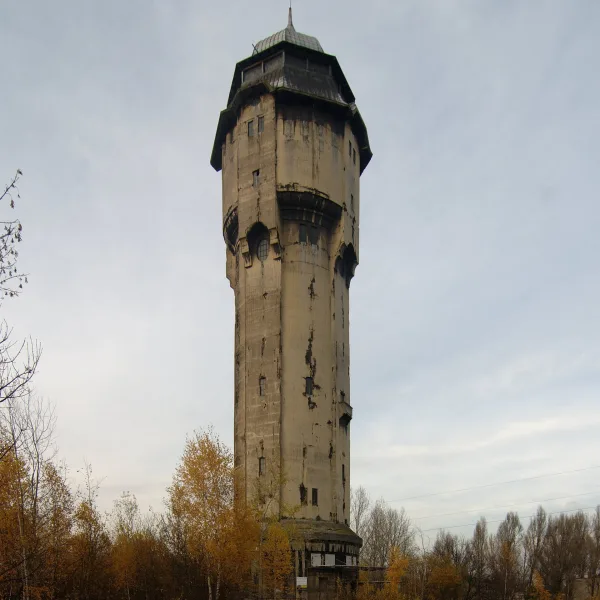
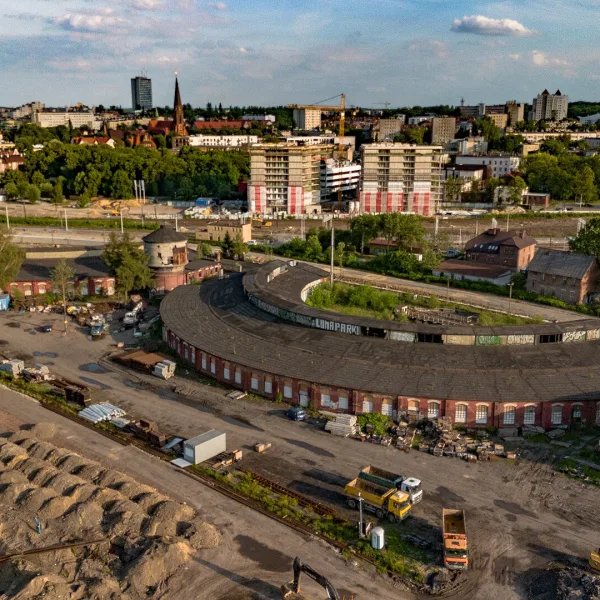
Katowice's industrial monuments are mostly relics of old railways and ironworks. The Katowice Locomotive Depot on Raciborska Street is an abandoned roundhouse with two halls arranged like a fan, built around 1900. It joined the register in 2021. In Szopienice stands the water tower of 1911-1912, designed by the Zillmanns for the zinc works and 68 metres high, as well as the Mokrski Brewery of 1879-1890, now an office and warehouse centre with a courtyard of sculptures. In Podlesie you will see the stone and brick bridge over the Mleczna from the late 19th century, on the register since 1984.
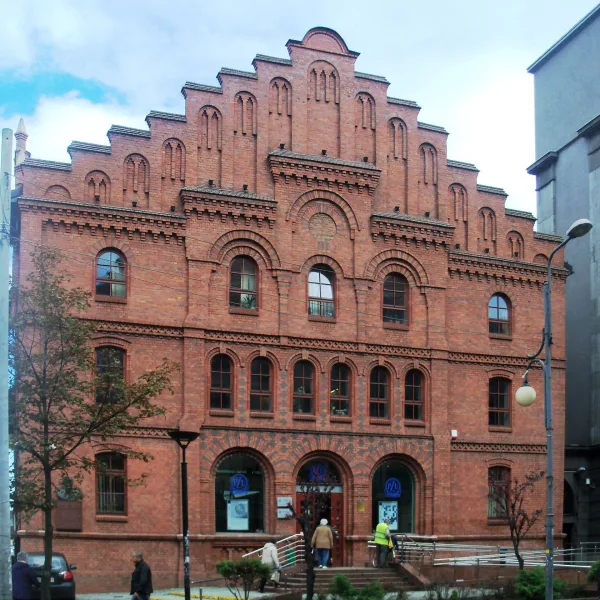
Former municipalities left their town halls. The Załęże Municipal Town Hall at Gliwicka 102 is a neo-Gothic building of 1897 whose gable carries a clock. The Town Hall in Szopienice of 1927-1928 is modernist, and for a few months Ludwik Zamenhof, the creator of Esperanto, taught in Szopienice. The Former Town Hall in Bogucice of 1911-1912 combines Art Nouveau, early modernism and neoclassicism, and now houses the rector's office of the University of Economics.
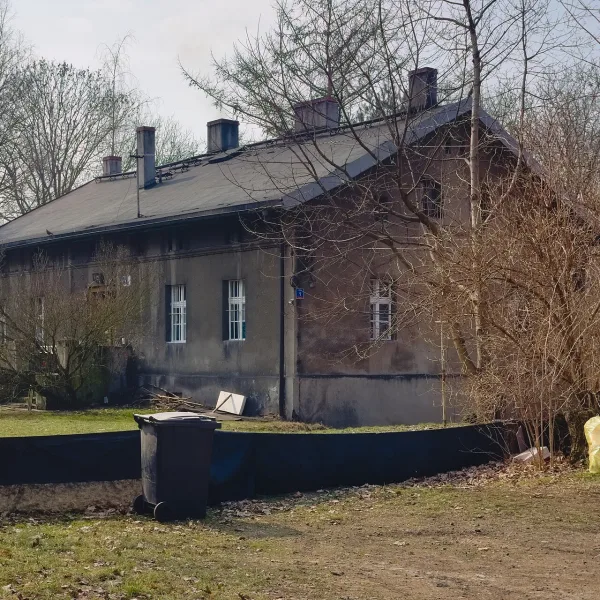
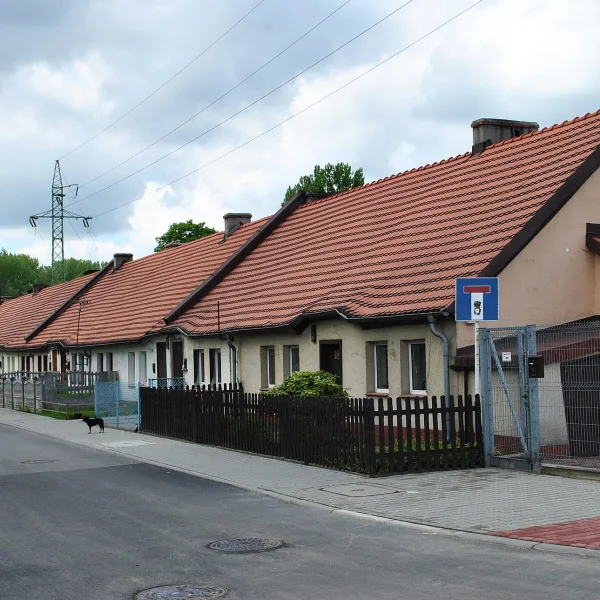
The company estates form a chapter of their own. In Giszowiec stands the American Colony, six English-style villas of 1927-1928 built for the American staff of the SACO company. Bruno Taut designed two estates for the Wujek mine: the Town Colony of eleven buildings in Śródmieście and the Workers' Colony of 36 terraced houses in Załęska Hałda. A third, the Officials' Colony, is a group of eight semi-detached villas on Mikołowska Street. In Murcki the former Princely Department Store of 1905-1908 dominates, entered in the register in 2021.
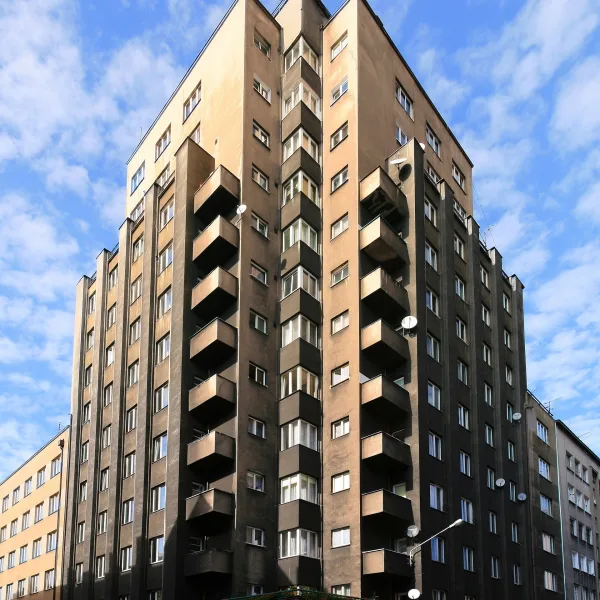
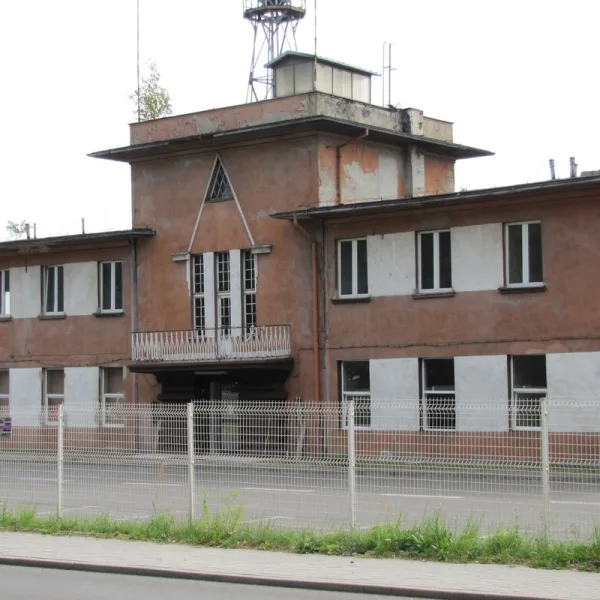
The postwar chapter is opened by the Kopalniana Housing Estate, four fourteen-storey tower blocks on Uniwersytecka Street nicknamed Dolarowce, while the interwar period gave the Former Airfield Building Complex at Muchowiec, a classicising set of buildings with a control tower and colonnades.
How to combine the monuments into routes around Katowice?
It is easiest to plan by address. Dworcowa Street links the hotel and the old station, Mickiewicza Street two buildings, Warszawska Street two villas, and Raciborska Street the officers' club and the Piechulek house. In Załęże the palace and the town hall lie on Gliwicka Street, in Giszowiec the American Colony is easy to link with other buildings of the estate, and in Szopienice the water tower with the brewery and the town hall.
Look also at the city's other categories: Cmentarze i pomniki: Katowice, Muzea: Katowice and Parki i przyroda: Katowice. Monuments from the whole region are gathered in Monuments in Silesia.
Frequently asked questions
Which building symbolises the autonomy of the Silesian Voivodeship?
The Silesian Parliament Building at Jagiellońska 25, built in 1924-1929. It is a Monument of History.
Where can you see an interwar skyscraper in Katowice?
Drapacz Chmur at Żwirki i Wigury 15, a skyscraper of fourteen floors that was finished in 1934.
Can you enter the historic villas in Katowice?
Usually not. The Goldstein Palace houses a registry office, Korfantówka a nursery and the Działoszyński Villa is a residential building, so you view them from the street.
What are the Dolarowce?
Residents use the name for the four fourteen-storey tower blocks of the Kopalniana estate on Uniwersytecka Street.
Where can you see Bruno Taut's estates?
The town colony of the Wujek mine lies in Śródmieście and the workers' colony in Załęska Hałda.

 Historic sites