Cemeteries and monuments in Katowice: old necropolises, monuments to Korfanty, Ziętek and Piłsudski, and sculptures such as the bluesman hung above a street.
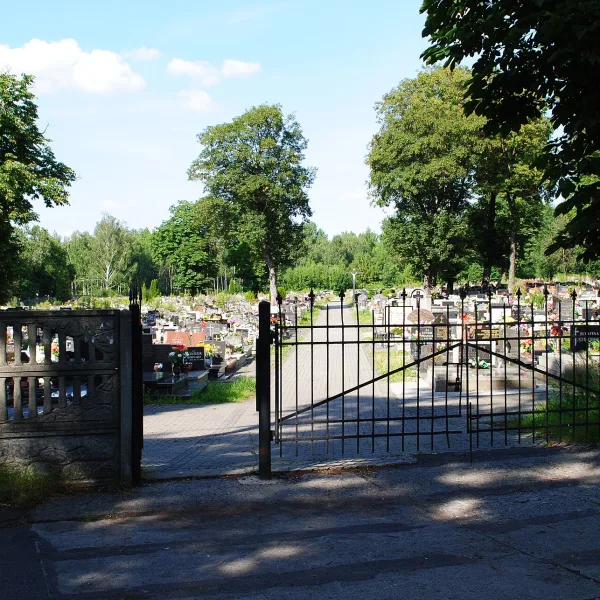
Katowice has nearly forty cemeteries, monuments and commemorative sculptures, scattered across the city centre and its districts. Some tell of the Silesian uprisings and the city's history, others of musicians, miners and scientists, and a few are contemporary sculptures in public space. The cemeteries are active, so keep quiet there and do not treat them as a park.
Which Katowice cemeteries have the longest history?
The oldest necropolis in the city is thought to be the cemetery on Wróblewskiego Street in Bogucice. It was first mentioned in 1598, in a parish visitation record, and today it is an active parish cemetery on the monument register, with gravestones from the 19th century.
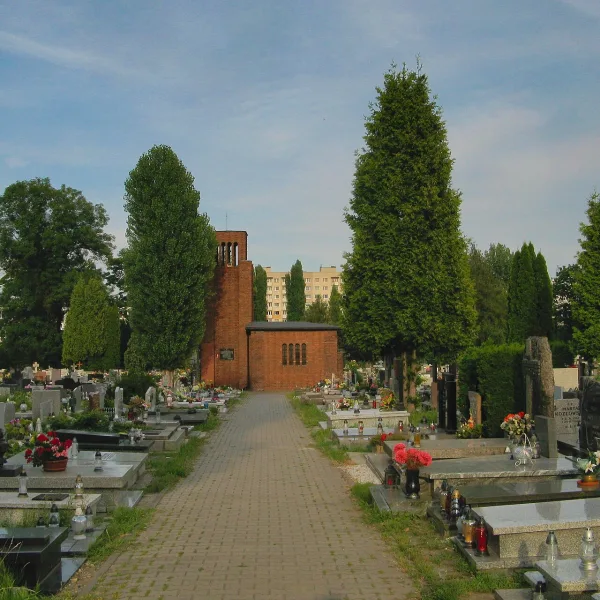
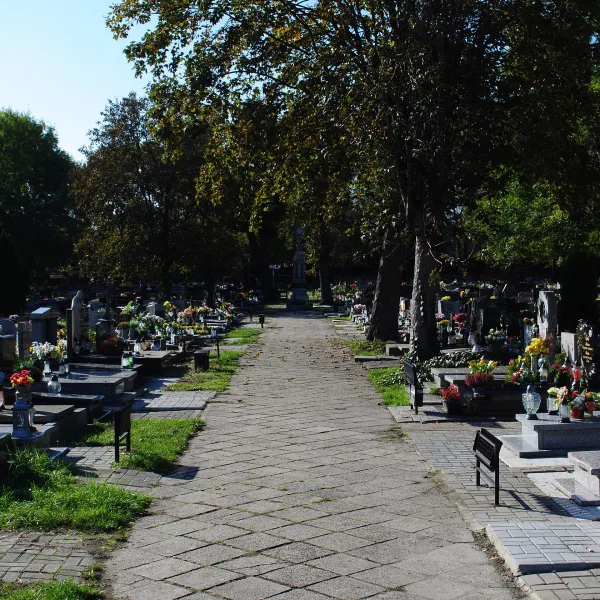
In the city centre lies the cemetery on Sienkiewicza Street, founded in 1911. Its most distinctive building is a brick modernist funeral chapel with two mosaics on its tower. Wojciech Kilar and Henryk Mikołaj Górecki, two composers, rest here. Not far away, on Francuska Street, the Evangelical cemetery of 1884 is on the monument register.
On Panewnicka Street you will find the municipal cemetery of 1911, opposite the Franciscan basilica. It was consecrated on 23 January 1914, and its founder and benefactor was Nepomucen Wielebski. Its administrator describes it as a typical historic Silesian cemetery where burials take place almost only in multi-generational family graves.
Parish necropolises from the turn of the 20th century stand out for their chapels and miners' graves. The cemetery on Bracka Street in Dąb, founded in 1894, has a chapel in the neo-Gothic style and a communal grave for miners killed at Cleophas. At the cemetery on Pośpiecha Street in Załęże, founded around 1898, you will see miners' headstones and wall plaques commemorating Italian families. The plot was bought together with the land for St Joseph's church, which was vowed after the mine fire of 1896.
Younger cemeteries have their own character too. On the cemetery on Józefowska Street, dating from 1923, a modernist gate guards the entrance, and the chapel is on the municipal register of monuments. The cemetery in Podlesie of 1922 has two parts with different layouts. In Giszowiec the cemetery on Górniczego Stanu Street opened in 1949, and Olympic athletes are buried there.
How to visit denominational and war cemeteries?
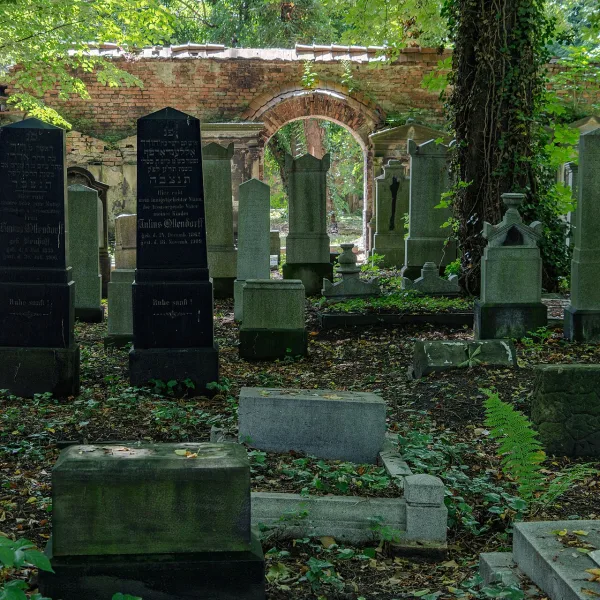
Some Katowice necropolises are places of remembrance that call for particular restraint. The Jewish Cemetery at Kozielska 16 opened in 1869. It is active and on the monument register, holding roughly 1,400 gravestones along with a memorial to the Holocaust, and the funeral building and the fence with its wrought-iron gate are protected as well.
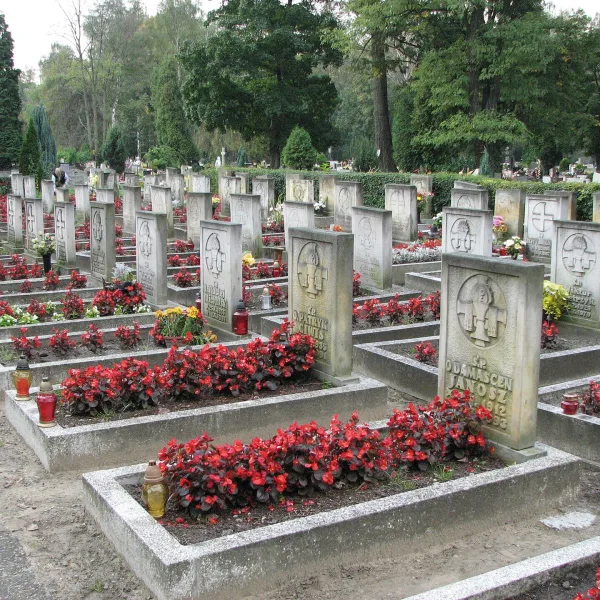
The Garrison Cemetery in Brynów dates from the 1920s and replaced a 1917 burial ground for prisoners of war. Around the main square lie the graves of leaders of the Silesian uprisings, and burial places are marked with uniform crosses.
A separate necropolis is the Red Army Soldiers Cemetery in Kościuszko Park, on the monument register. It opened in 1967, and the soldiers who fell in Katowice in 1945 rest there.
On the municipal cemetery at Panewnicka Street stands the Monument to the Defenders of Katowice. It commemorates Silesian insurgents and scouts murdered in September 1939, and 105 people who defended the city lie in the common grave. The wider context is covered in the article Cmentarze wojenne i mogiły zbiorowe w województwie śląskim (in Polish), and similar sites are in the category Miejsca pamięci: Katowice.
Which monuments should you see in the city centre?
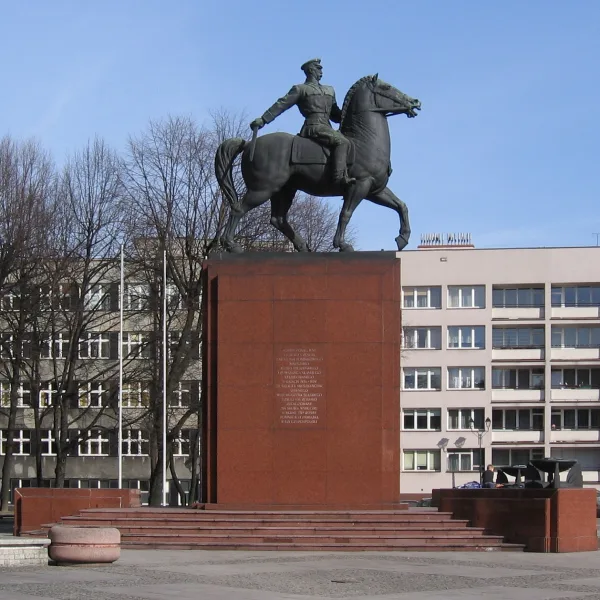
On Bolesław Chrobry Square, in front of the Silesian Voivodeship Office, stands the equestrian monument to Józef Piłsudski. The sculpture by the Croatian artist Antun Augustinčić was made before the Second World War, in 1937-1939, and its journey to Katowice took more than half a century, as it was unveiled only in 1993. On the corner of Jagiellońska and Lompy streets rises the Obelisk of the Silesian Eagles of 1984, by Zygmunt Brachmański, on a spot where a building for the Silesian Museum had been planned before the war.
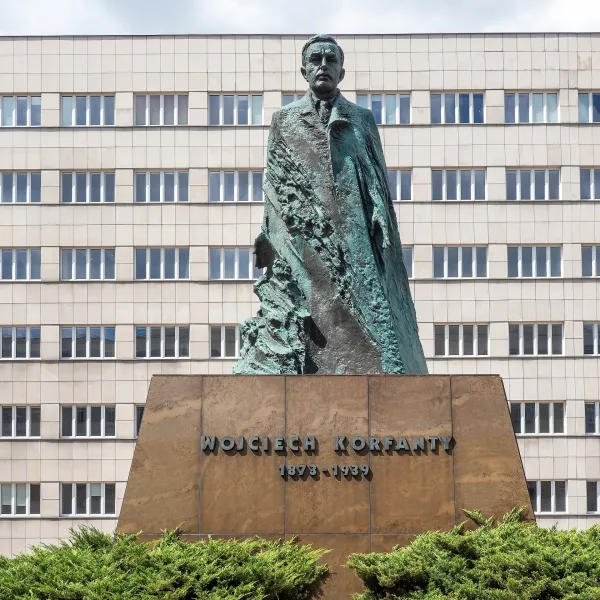
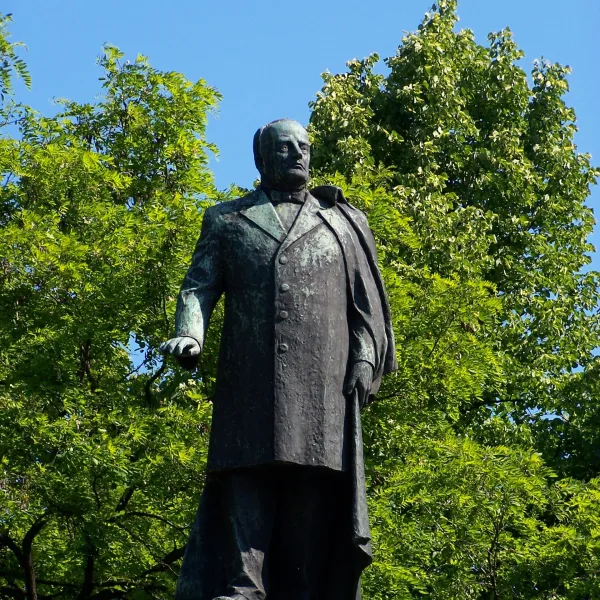
Close by, on Silesian Parliament Square, stands the monument to Wojciech Korfanty, unveiled on 19 June 1999. It is a work by Zygmunt Brachmański, placed on the site of the prewar plinth intended for a Piłsudski monument. The man himself is the subject of the article Wojciech Korfanty: od Sadzawek do cmentarza przy Francuskiej (in Polish).
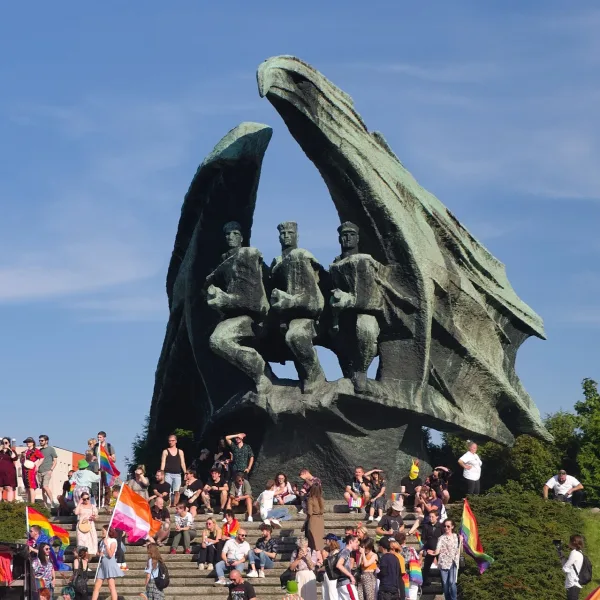
In the Silesian Insurgents' Park stands the bronze monument to General Jerzy Ziętek on a granite base, by Kazimierz Gustaw Zemła, unveiled on 19 November 2005. At Karol Miarka Square you will see the monument to Stanisław Moniuszko, funded by Silesian choral societies and unveiled on 8 June 1930. It was destroyed in the war and recreated in 1959.
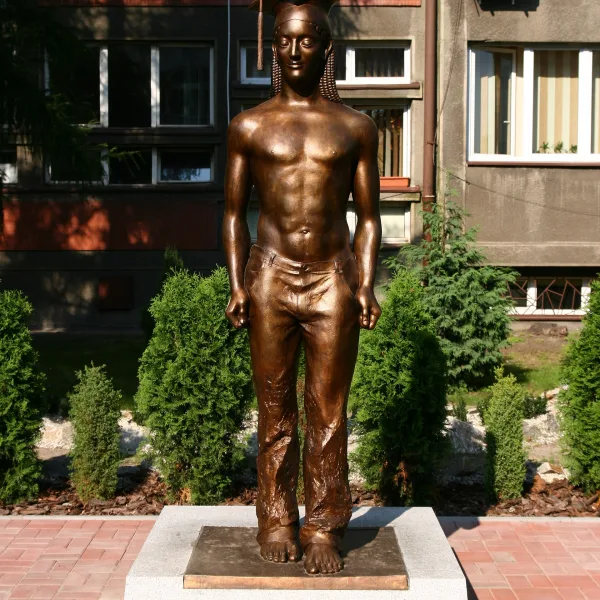
By the Higher Silesian Theological Seminary stands the four-metre sandstone monument to Cardinal August Hlond, unveiled on 5 July 2016. The seated figure with a rosary looks towards the Cathedral of Christ the King. At the University of Silesia, at Bankowa 12, stands the Student Monument of 2008, a two-metre sculpture that echoes the ancient Greek kouros.
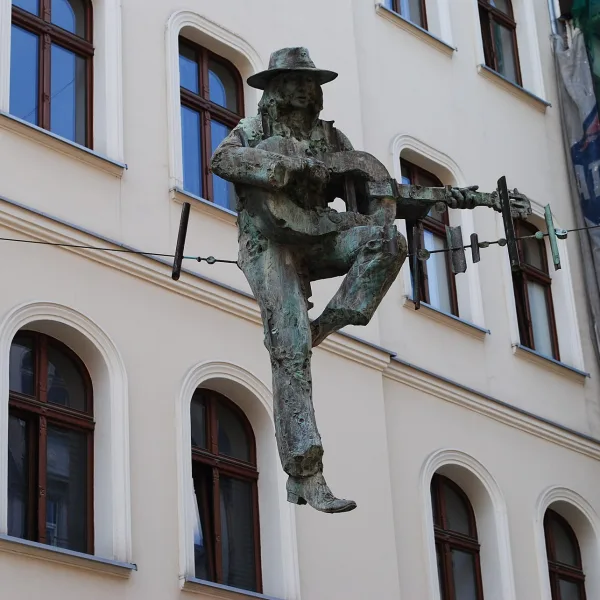
Among unusual sculptures the bluesman monument stands out: since 2016 it has hung on cables five metres above Mariacka Street. Its author is Jerzy Kędziora, and the idea came from Leszek Winder, a co-founder of the band Krzak.
What do the monuments in other districts commemorate?
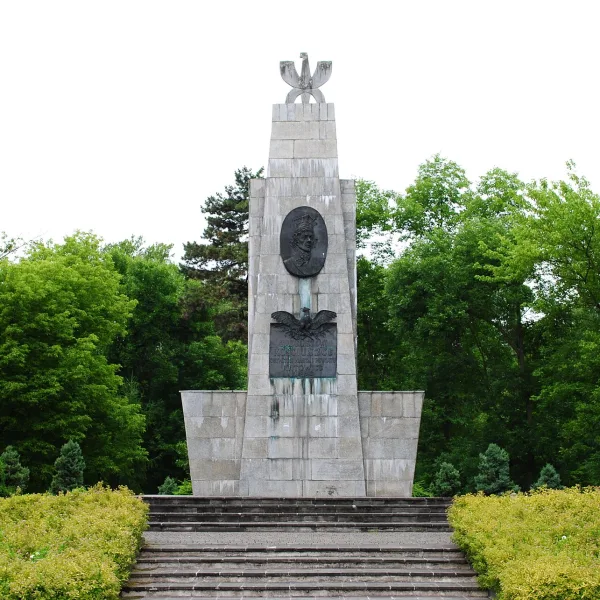
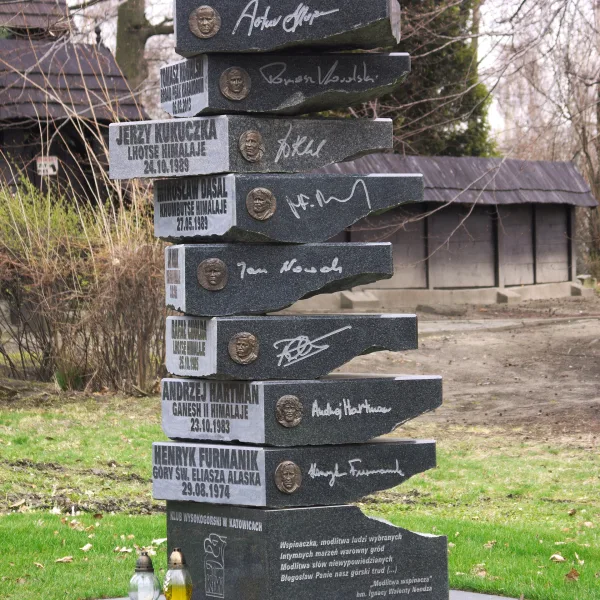
In Brynów, in Kościuszko Park, stands the monument to Tadeusz Kościuszko, an obelisk with a medallion; residents funded the first plaque in 1925, and the monument was set up where it stands now on 21 July 1962. Beside it is the Alpinists' Monument of 2015, in memory of eight climbers from the Katowice high-mountain club who lost their lives in the mountains.
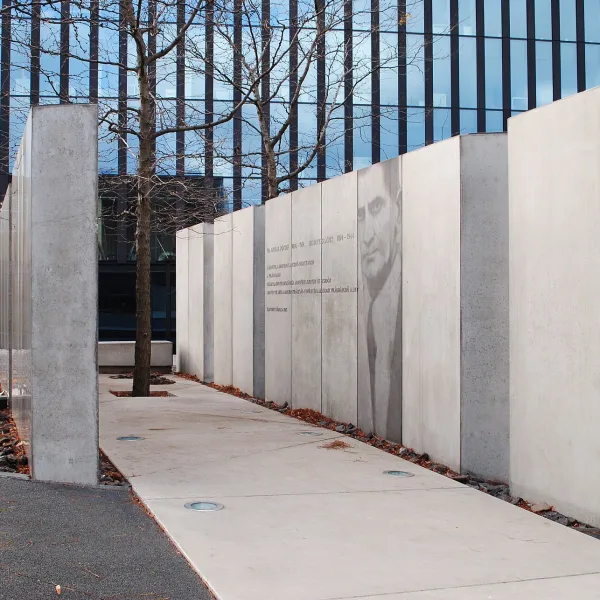
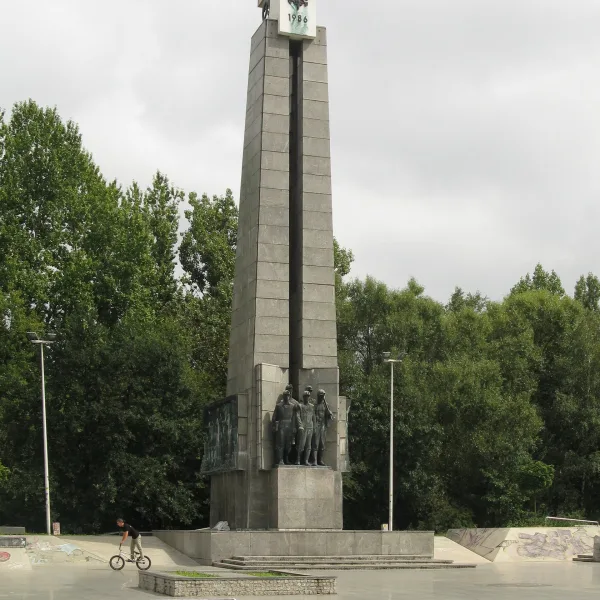
On the Paderewski estate the Monument to the Polish Soldier by Bronisław Chromy dominates, cast in patinated bronze, weighing 80 tonnes and set on an artificial hill. On Pułaskiego Street stands the Monument to Miners' Toil of 1986, now crowning a skatepark. In Koszutka, on Grunwaldzki Square, stands the “Family” monument of 1963 with a mosaic recreated in 2016, and in front of the International Congress Centre the monument to Henryk Sławik and József Antall Senior, made of two steel walls. It commemorates men who saved at least five thousand Polish Jews.
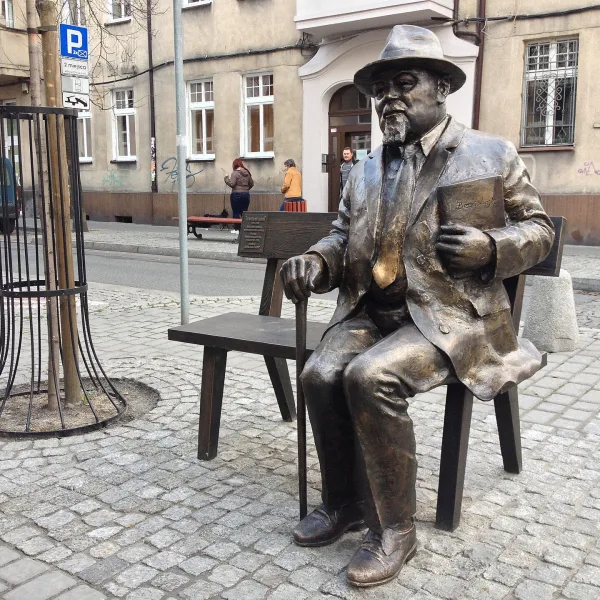
In Panewniki, along Panewnicka Street, you will find the monument to Edmund Bojanowski with three children, the statue of St Hedwig of Silesia of 1912 beside the basilica and the Bolesław Szabelski Bench of 2019, paid for from the citizens' budget.
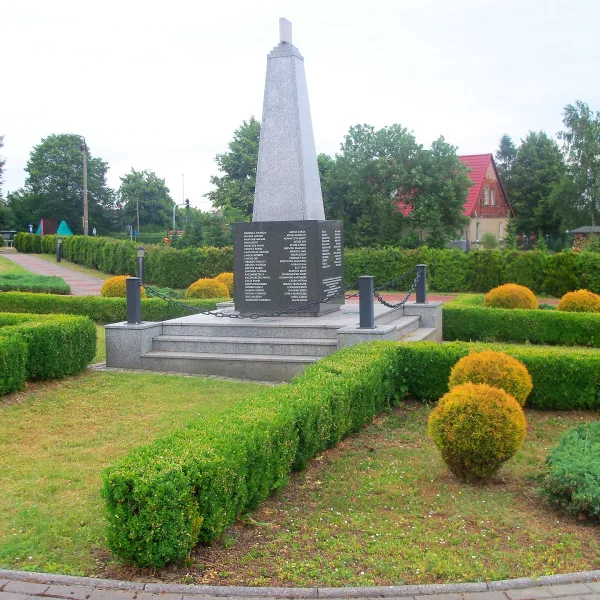
Other sculptures are the monument to Józef Wieczorek in Nikiszowiec, restored in 2010 as a sculpture in the shape of a coloured hand, the Silesian Insurgents Monument in Kostuchna with the names of 85 insurgents, the bust of the cardiologist Leszek Giec in Ochojec and the tiny Cukerzołza in Załęże. It is a bronze figure of a little female bebok from the series by Grzegorz Chudy, which already counts over a hundred sculptures placed around the city and its surroundings.
How to plan a walk among monuments and cemeteries?
In the centre it is easiest to combine Bolesław Chrobry Square, Silesian Parliament Square and the area around the archcathedral, where the Hlond monument stands, in a single walk. In Kościuszko Park one afternoon covers the Kościuszko and Alpinists' monuments and the Red Army Soldiers Cemetery. In Panewniki the municipal cemetery, the Monument to the Defenders of Katowice, the statue of St Hedwig and the Bojanowski monument all lie along one street.
The historic buildings of these areas are covered under Zabytki: Katowice, and the churches beside the cemeteries, among them the basilica in Panewniki, are in the category Kościoły i klasztory: Katowice. Other necropolises of the region are in Cemeteries and monuments in Silesia.
Frequently asked questions
Which cemetery in Katowice is the oldest?
The cemetery on Wróblewskiego Street in Bogucice is regarded as the oldest, with a first mention dating from 1598.
Where is Wojciech Kilar buried?
At the cemetery on Sienkiewicza Street in the city centre, alongside Henryk Mikołaj Górecki.
Where can you see the hanging bluesman?
Above Mariacka Street in the city centre, five metres over the paving.
Is the Jewish cemetery in Katowice active?
Yes, it is active and on the monument register. It is located at Kozielska 16.
What are the Katowice bebok sculptures?
They are small outdoor bronze sculptures by the Katowice artist Grzegorz Chudy, showing a bebok, a demon from Slavic beliefs, in a friendly version. The project has run since 2021.

 Cemeteries and monuments