Parks in Silesia: over a hundred green places, from the Silesian Park in Chorzów to historic palace grounds. See which one to choose for a walk.
Here are over a hundred and twenty parks, botanical gardens and lawns of every size throughout the Silesian Voivodeship, from the conurbation to Żywiec and Racibórz. Most are municipal parks that can be entered without a ticket, though botanical gardens and palm houses follow their own rules. Lists for single towns are available for Katowice, Sosnowiec and Tarnowskie Góry.
Which park in Silesia should you pick for a walk?
The largest and most varied is the Silesian Park in Chorzów, but it is not the only one worth your time. If you want quiet, choose a palace park or a historic city park, and if you want exercise outdoors, pick a park with an in-line skating track, a skate area or a rope course.
The parks are arranged by town and type, from the biggest recreation grounds to small neighbourhood parks. If your time is limited, choose one place near where you live and add a farther one for the weekend. Each entry carries a short hint about what sets it apart.
Which parks are worth visiting in Katowice?
Katowice offers the widest choice, easiest to split into large woodland areas and small district parks. All lie within the city limits, in different districts.
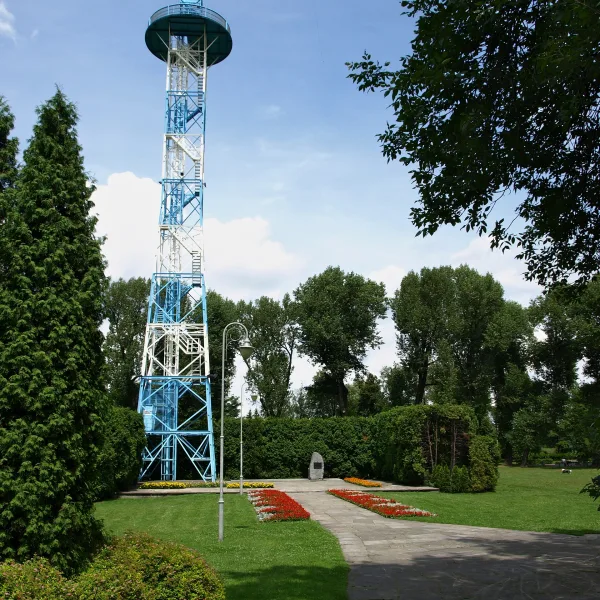
Katowice Forest Park in the Osiedle Paderewskiego-Muchowiec district is the largest landscaped green area in the city. Inside are the Valley of Three Ponds, a skating road four kilometres long and forest remnants of the old Silesian Forest. In Brynów lies Tadeusz Kościuszko Park, a historic landscape park of over fifty hectares with a wooden church from the early sixteenth century and a parachute tower. In Ligota, Zadole Park has an amphitheatre, tennis courts, a brine graduation tower and a skateboard track.
Smaller district parks bring you closer to the city's history. Bogucice Park beside the Silesian Museum has an amphitheatre, playgrounds and a figure of the local bogeyman. Bolina Park in Janów-Nikiszowiec sits by ponds and offers sports pitches and chess tables. In Giszowiec, Giszowiec Park has kept its beech old growth and a concert shell from around 1910, in the heart of the historic estate.
What parks are there in Chorzów, Gliwice, Zabrze and Bytom?
Four towns at the centre of the conurbation matter here, each with its own kind of park. Chorzów means recreation on a grand scale, Gliwice and Zabrze keep parks from older layouts, and Bytom has parks at the edge of the town.
Chorzów
The Silesian Park covers about five hundred and thirty-five hectares and has existed since 1950 on post-industrial land. The grounds include a zoo, roses and a planetarium, so a few stops are enough for one day. The whole is so extensive that you should choose a zone in advance rather than try to walk it all at once.
Gliwice
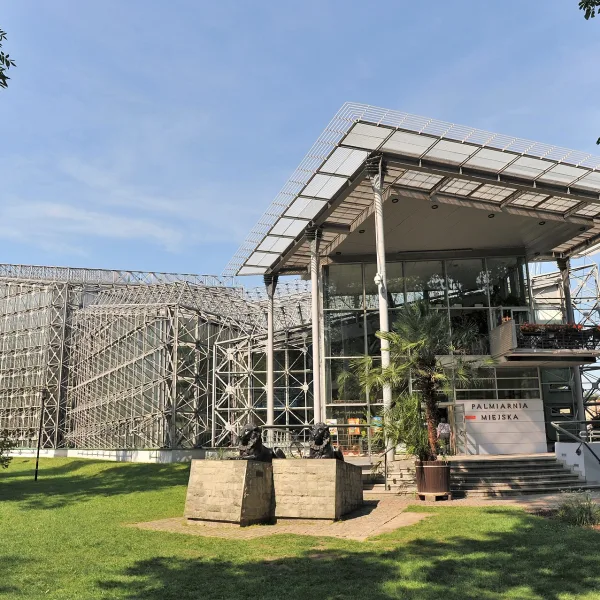
The town has several different parks. Fryderyk Chopin Park goes back to the later nineteenth century and keeps a Chopin monument, lions by Schadow and a protected tree, and next to it stands the Municipal Palm House with five pavilions of plants and aquaria. Bolesław Chrobry Park was laid out in 1913-1915 in the Politechnika district. The Park of Culture and Recreation is a vast municipal woodland of natural character, with an educational trail, playgrounds and a brine graduation tower.
Zabrze and Bytom
In Zabrze the Municipal Park of 1924-1930 was planned by the Berlin landscape architect Gustav Allinger. The town also has the Municipal Botanical Garden, laid out in French and English sections, plus a palm house, roses and a heuchera collection. In Bytom the biggest is Franciszek Kachel Park, laid out around 1840, with two ponds and a bathing place from 1934. Fazaniec Park is a historic landscape park with two ravines and old oaks, and Adam Mickiewicz Park has ponds and four viewing terraces.
Which parks of the Zagłębie are the most interesting?
The Dąbrowa Basin has plenty of parks beside former palaces and works, and neighbouring Siemianowice Śląskie complete the picture. Sosnowiec has the most.
Sielec Park is the largest of Sosnowiec's historic parks, laid out in the English manner on the Czarna Przemsza beside Sielec Castle. Dietl Park, beside the industrialist's former palace, has a gloriette and a small pond. Scout Park draws visitors with a sensory garden and a rose garden, while Jacek Kuroń Park in Kazimierz covers thirty hectares with ponds, a skate park and cycle paths. The smallest of the group, Wanda Malczewska Park, draws visitors with a chapel built like a tower, dated to the mid-eighteenth century.
In Siemianowice Śląskie, see the Town Park beside the Donnersmarck palace, an English park of over seventeen hectares. Pszczelnik reaches back to the second half of the nineteenth century, Hutnik Park was arranged next to the former bathhouse of the Laura steelworks, and Górnik Park in Michałkowice surrounds a pond and the Rheinbaben palace complex. In Czeladź, Grabek Park has a pond, an amphitheatre and a mulberry garden from 1928, and in Dąbrowa Górnicza Zielona Park takes up sixty-seven hectares of former oak forest.
Where are the palace parks and botanical gardens?
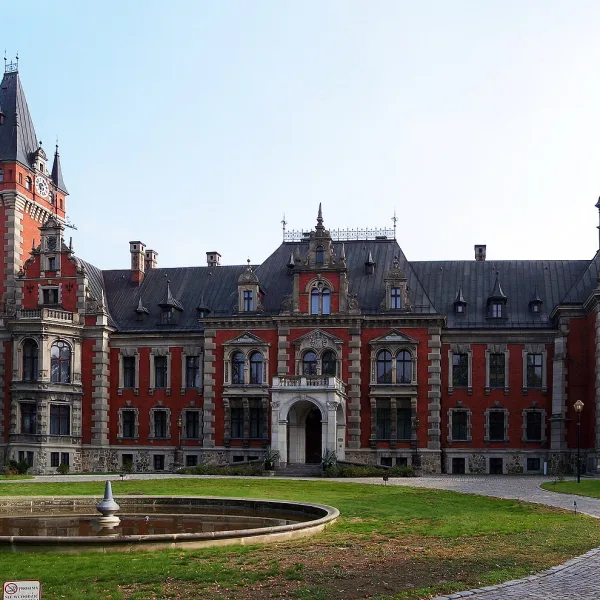
If historic layouts interest you, choose a park by a castle or palace. In Żywiec the Castle Park next to the Habsburg castle began early in the eighteenth century as an Italian garden and was later redrawn as a landscape park, and a Chinese Pavilion still stands there. In Świerklaniec the Palace Park is the southern part of the landscape park of the former Donnersmarck residence, with ponds, avenues and glades. In Pławniowice the Ballestrem palace and park complex of 1882-1885 now serves as a diocesan retreat house, so treat it as a place for a walk in the grounds, not for touring interiors.
Plant lovers will enjoy the Morava Gate Arboretum in the Obora forest in Racibórz, spread over roughly a hundred and sixty hectares, with trails, a little animal enclosure and a lookout platform. In Brynek the Botanical Garden, founded in 1946 by a school, holds roughly four hundred kinds of trees and shrubs. In Jaworzno the Gródek Arboretum Park grew in former dolomite quarries, and its turquoise ponds can be seen from a footbridge and lookout points.
Where are the parks with an industrial past?
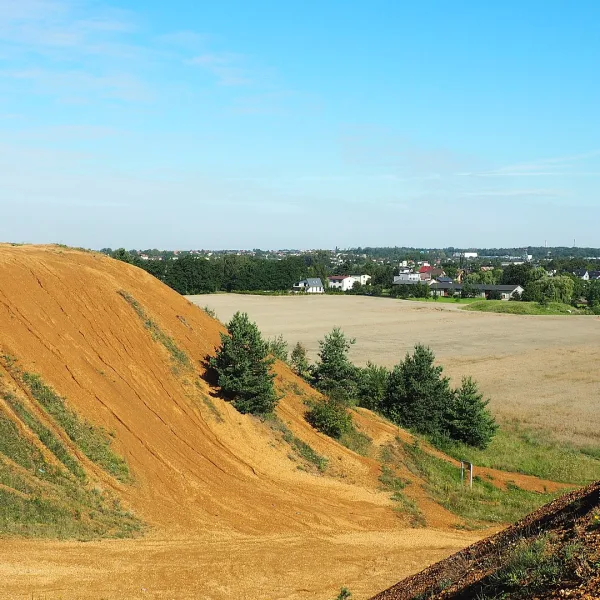
Silesia has parks that arose on spoil heaps and in pits, so a walk joins greenery with the story of mining. In Tarnowskie Góry the Municipal Park of 1903 lies on old heaps from ore mines, forms part of the UNESCO site and has a lookout tower. In the same town lies the washing plant spoil heap, made from waste left after ore washing at the Fryderyk mine, where calamine grassland grows and the town spreads out below.
In Racibórz, Roth Town Park offers a pond, a jet fountain and four protected trees; part of it was laid out on a former cemetery. In Żory, Cegielnia Park sits where a brickworks once stood, and in Wodzisław Śląski Trzy Wzgórza is a family park with a rope course, an amphitheatre and a skate park.
Where to go with children and for active leisure?
If you want movement, pick a park with equipment. The Silesian Park, Zadole Park, Cegielnia Park and Trzy Wzgórza offer tracks, skate parks or rope courses. In Bielsko-Biała, Juliusz Słowacki Park, from 1898 and in the town centre, offers skating on ice, Orlik sports pitches and a pair of fountains. In Rybnik, Kozie Góry Park is the oldest municipal park, from the late nineteenth century, with a fitness trail.
What should you look for in a park before choosing?
It is best to match a park to what you want to do there, because they differ in equipment more than their names suggest. This overview helps narrow the choice before you set out.
If water matters to you, look at parks with ponds: Kachel Park in Bytom, Bolina Park in Katowice, Grabek Park in Czeladź and the Racibórz park with its pond and fountain. For evenings with music and open-air theatre, parks with amphitheatres will help: Zadole, Bogucice, Grabek, Kuroń Park in Sosnowiec and Trzy Wzgórza. Brine graduation towers stand in Zadole Park, in Cegielnia Park in Żory and in the Park of Culture and Recreation in Gliwice, which makes them a good direction for a quiet, easy-breathing walk. Look for old trees in Giszowiec, in Fazaniec Park in Bytom and in Kościuszko Park in Katowice.
Many parks keep mementoes of former owners and factories. Hutnik Park adjoins the former steelworks bathhouse, Dietl Park has a gloriette from the industrialist's time, and Sielec Park lies by a castle. There a walk gains a second layer and combines well with a short look at nearby buildings. Remember that former palaces often serve other purposes today, so interiors can be entered only where this is clearly intended.
How to plan a day in the Silesian Park?
The Silesian Park is so large that it is best planned in two or three parts. Begin with one fixed point, for example the planetarium or the zoo, then add the rose garden or a stroll along the avenues. This arrangement lets you go home without feeling rushed or tired.
At a weekend it is convenient to start in the morning in the part with the zoo and planetarium, and in the afternoon move to the calmer areas of the park. If you plan more than one place in Chorzów, also see the selection of parks in Silesia, in which the Silesian Park is just one of many entries.
What to choose in each town?
Once you have a town, open its selection.
Frequently asked questions
Which park is the biggest in the region?
The Silesian Park in Chorzów, a giant of roughly five hundred and thirty-five hectares that also holds a zoo, roses and a planetarium.
Where can you go in-line skating or skateboarding?
Katowice Forest Park has a four-kilometre skating road, and Zadole Park in Katowice a skateboard track. There is also a skate park in Jacek Kuroń Park in Sosnowiec and at Trzy Wzgórza in Wodzisław Śląski.
Which park should you choose with children?
Parks with playgrounds and activities make a good choice, for example Bogucice Park, Zadole Park or Trzy Wzgórza with its rope course. In Gliwice a palm house stands beside Chopin Park.
Do the parks have old trees and natural monuments?
Yes. Natural monuments are found in, among others, Sielec Park in Sosnowiec, the Town Park in Siemianowice Śląskie, Roth Town Park in Racibórz and Chopin Park in Gliwice.
Are palace parks open to visitors?
The parks in Żywiec and Świerklaniec are used for walks. In Pławniowice the palace is a retreat house, so visitors stroll in the grounds.

 Parks and nature