Industrial heritage in Tarnowskie Góry: a silver mine with an underground route, a steam machinery open-air museum, drainage adits and UNESCO sites.
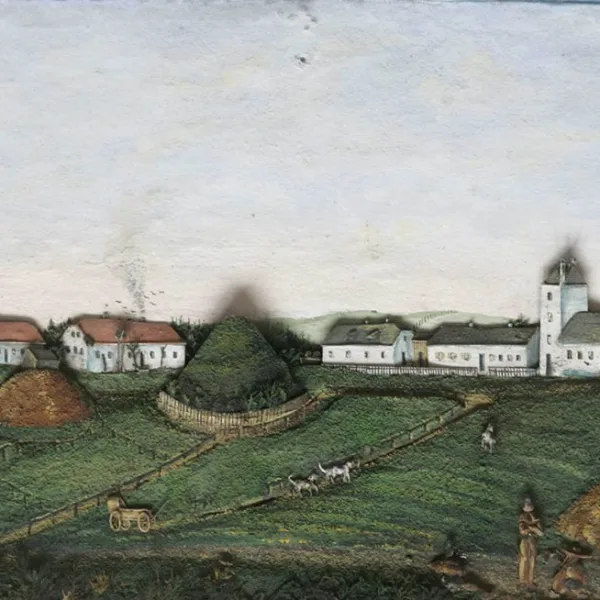
Tarnowskie Góry lived off ore mines from the sixteenth century, and traces of that labour remain below ground and on the surface. Some can be visited today, and the whole mining complex is on the UNESCO World Heritage List. It helps to know which points are open to visitors and which can only be seen from outside.
What to visit at the Historic Silver Mine
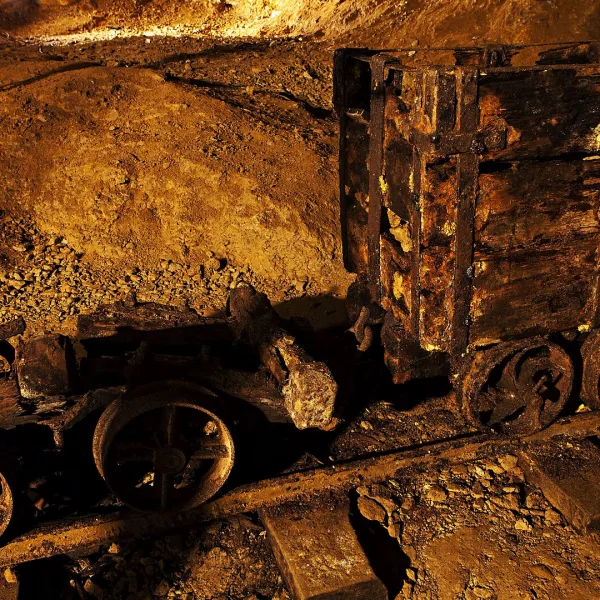
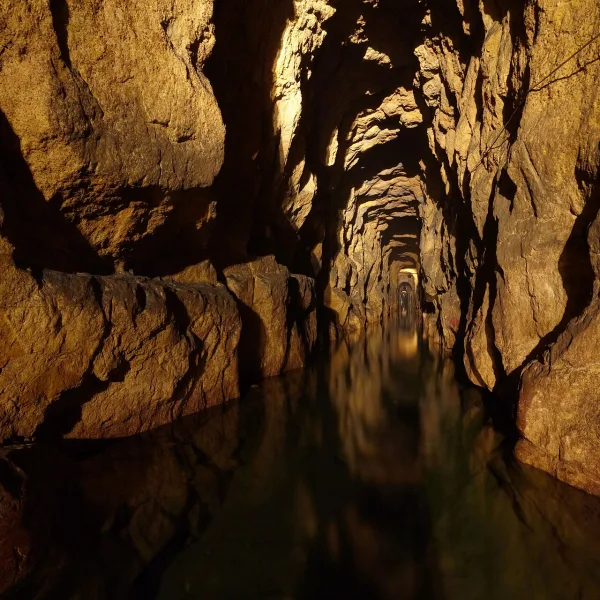
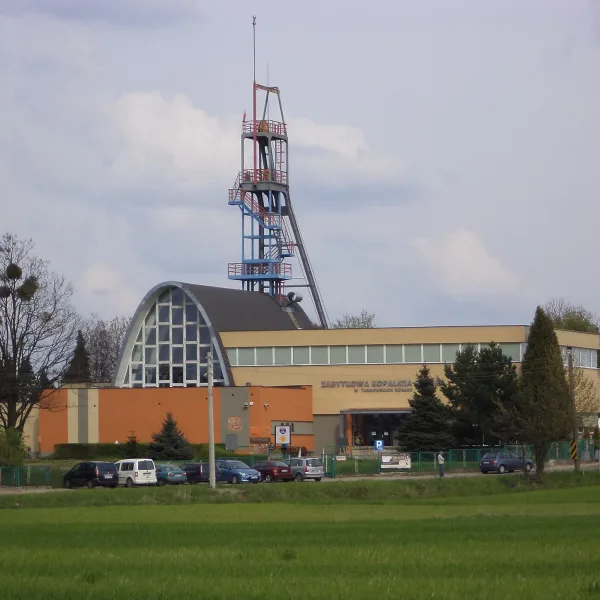
On the site of the former Royal Frederick Mine runs the Historic Silver Mine, with an underground route that includes a stretch by boat. Beside it you can see the Steam Machine Open-Air Museum.
The mine extracted lead and silver ores from 1784 until at least 1911 or 1912. Miners hit the first lead ore on 16 July 1784, close to the Rudolphine shaft. The tourist route is at Szczęść Boże 81. Since 2004 it has been part of a national Historic Monument, it is one of four stars of the regional Industrial Monuments Route, and in 2017 it became part of the UNESCO listing. The article Historic Silver Mine: the UNESCO listing and the route underground tells the story.
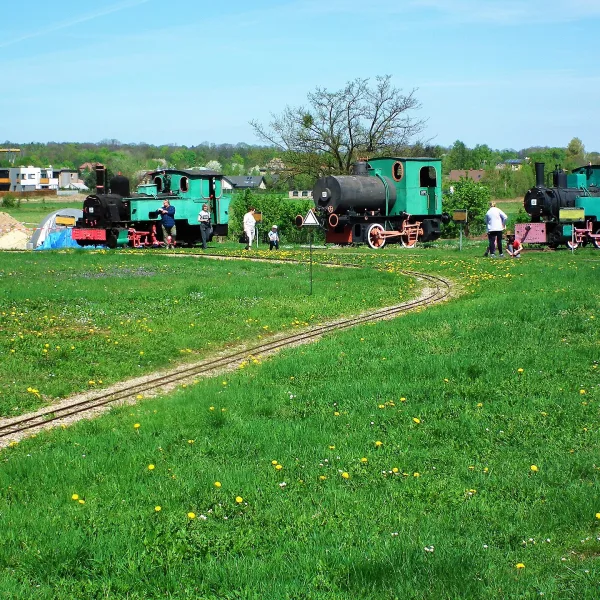
The open-air museum was set up next to the Anioł shaft's headframe building. It opened in 1976, together with the mine, and covers about a hectare. Among the exhibits are steam engines for rails, a locomobile, a steamroller, a railway crane, a compressor, steam pumps and winding engines. The number of exhibits is quoted differently, from twenty-five to almost thirty. A narrow-gauge museum railway with 184 mm track also runs here, which makes the place interesting for families too.
How did the Tarnowskie Góry drainage system work?
The 2017 UNESCO listing covers 28 sites in Tarnowskie Góry, Bytom and Zbrosławice, joined by an underground mine drainage system. Its parts are adits, shafts and portals, and several can be seen in town.
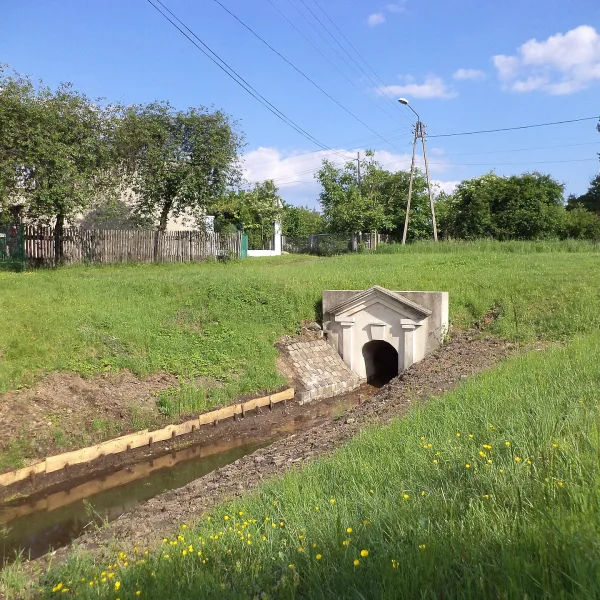
The UNESCO listing is a set of sites rather than a single mine: shafts, galleries, adits from the sixteenth century, surface installations and post-mining landscapes. The Deep Frederick Adit, driven in 1821-1834, is seventeen kilometres long and the longest and deepest in the area. Water runs through it by gravity, along a 1,400-metre channel, into the Drama river, and its Neoclassical portal stands in Zbrosławice. In town, on Witosa Street, the Karlik shaft survives, a stone shaft building of 1824 where a steam engine pumped out water while the adit was built. In Strzybnica, on Artura Zawiszy Street, you can see the portal of the Boże Wspomóż adit: the first adit of that name was driven in 1652-1695 and abandoned, and a new one, Gotthelf, began after a decision of 1785 that Friedrich Wilhelm von Reden had pushed through. His story is in the article on Reden.
Is there a technology museum besides the mine?
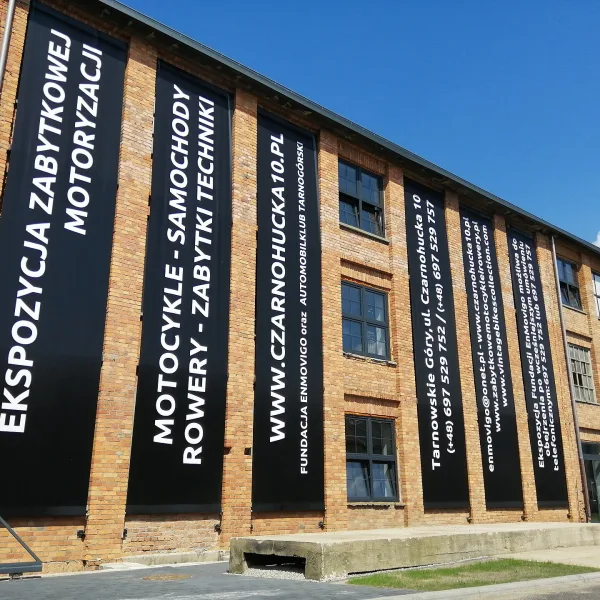
The EnMovigo Foundation runs the Automotive Museum, at Czarnohucka 10. Its holdings form three collections: over 350 motorcycles, over 360 bicycles and mopeds from 1869 to the present, and thirty cars. Visits are with a guide. It is a good complement for those who want a different kind of engineering after the mine.
Frequently asked questions
Where should you begin with industrial monuments in Tarnowskie Góry?
At the Historic Silver Mine, since the steam machinery museum is next to it. Then see the Karlik shaft and the portal of the Boże Wspomóż adit.
What is covered by the World Heritage listing tied to Tarnowskie Góry?
It covers 28 relics of old lead, silver and zinc mining, linked by an underground drainage system and spread over three municipalities: Tarnowskie Góry, Bytom and Zbrosławice.
How long is the Deep Frederick Adit?
Seventeen kilometres. It was built in 1821-1834 and has a place in the register of monuments.
Where are more places in town?
In the Tarnowskie Góry section and on the Industrial heritage page. Mining history is also covered in texts on the beginnings of mining and on the Market Square and the Gwarki festival.

 Museums