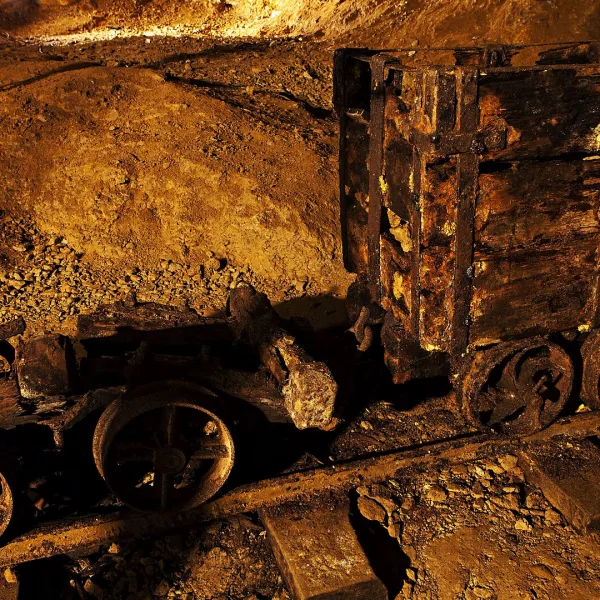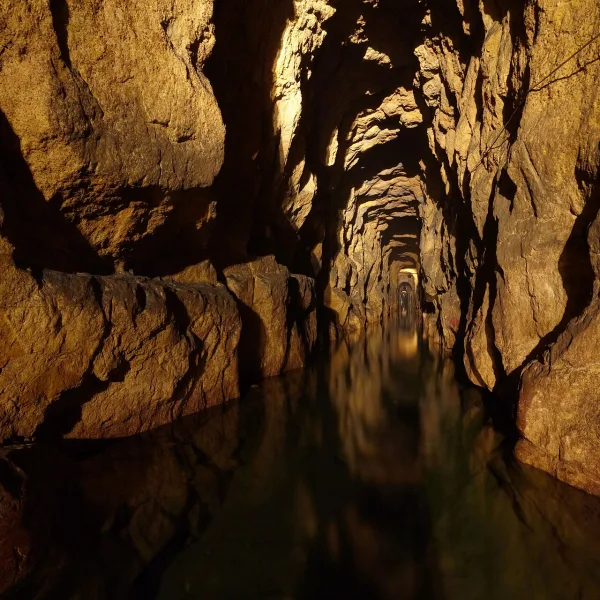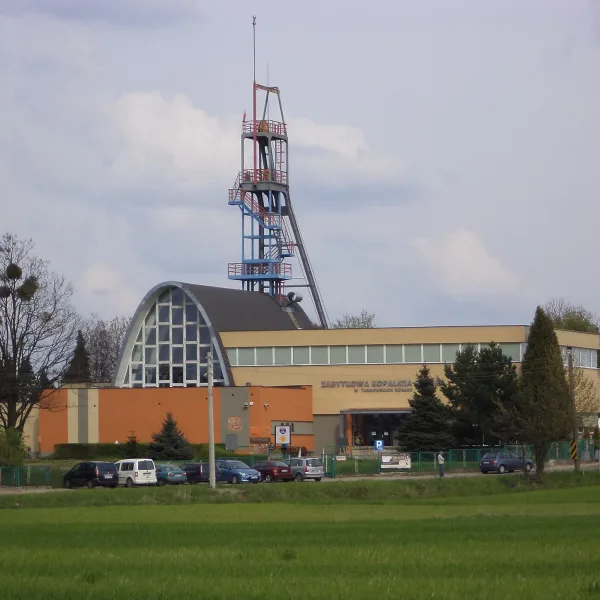
underground route in the former workings of the Fryderyk mine, UNESCO-listed, with a boat trip
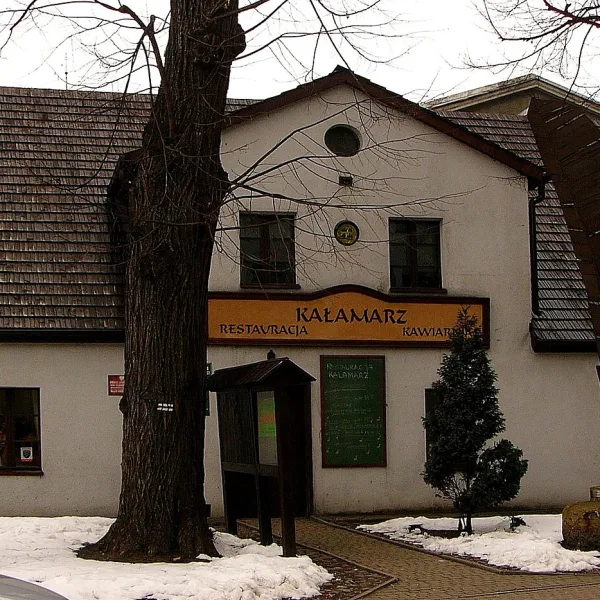
Renaissance townhouse on the Tarnowskie Góry Market Square with a wine bar since 1786 and a museum upstairs
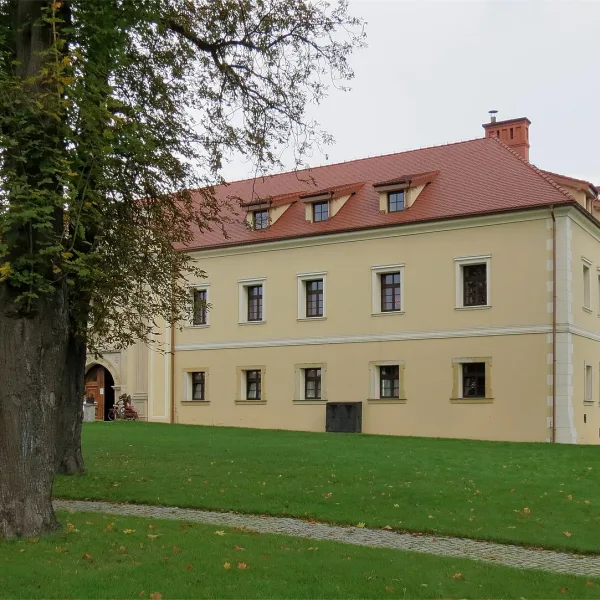
a late Baroque palace from 1796, now a cultural institution with classical music concerts
a Renaissance castle with cloisters and a portal from 1545, restored and open to visitors since 2011
28 post-mining sites on the UNESCO List, linked by an underground drainage system
necropolis founded in 1822 with about 450 matzevot and a pre-burial house from 1894
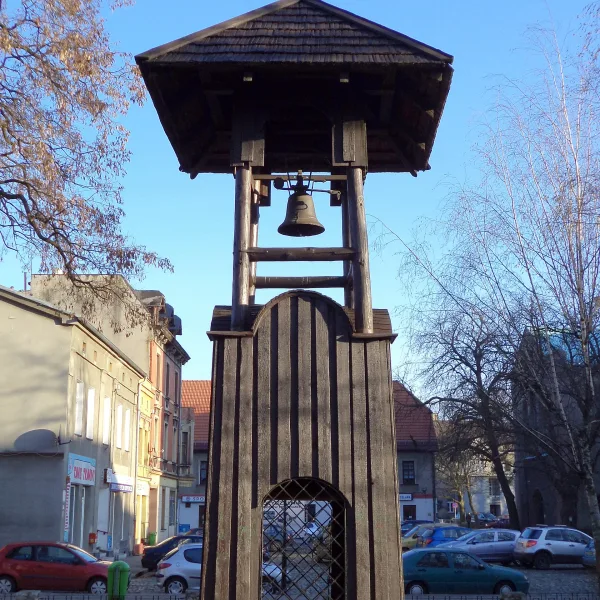
wooden mine bell tower from the 19th century, in its present form a replica from the 1980s
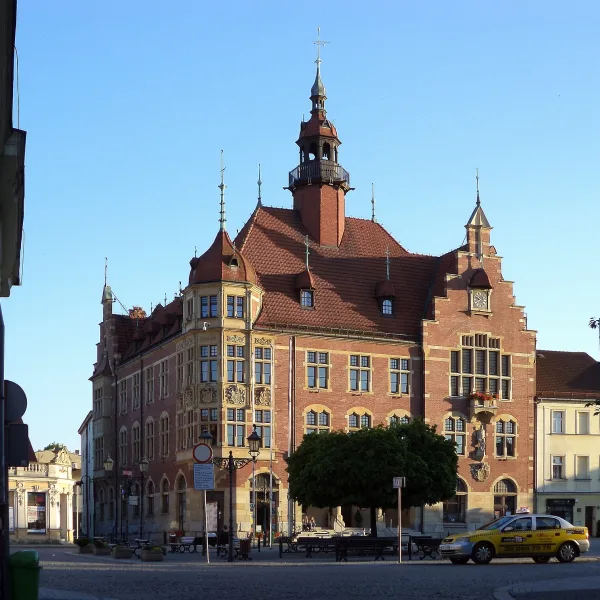
Neo-Renaissance town hall of 1898 with an almost 40-metre tower over the Market Square
17th-century brick cemetery church, a former Evangelical church beyond the Gliwice Gate
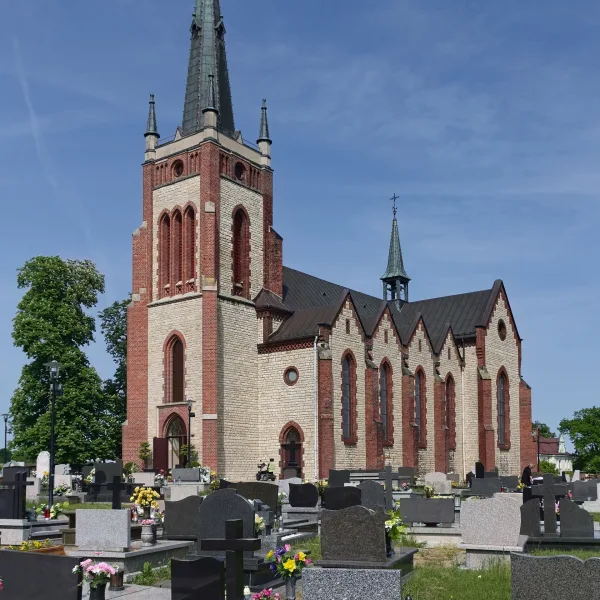
neo-Gothic church of white stone and red brick with a 19th-century organ
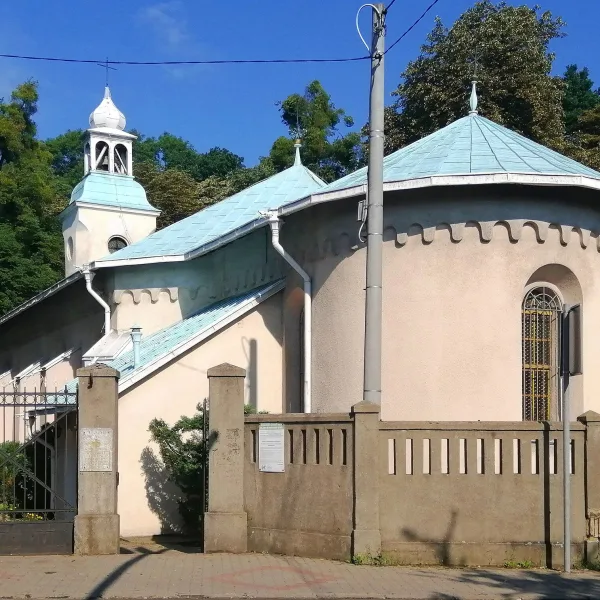
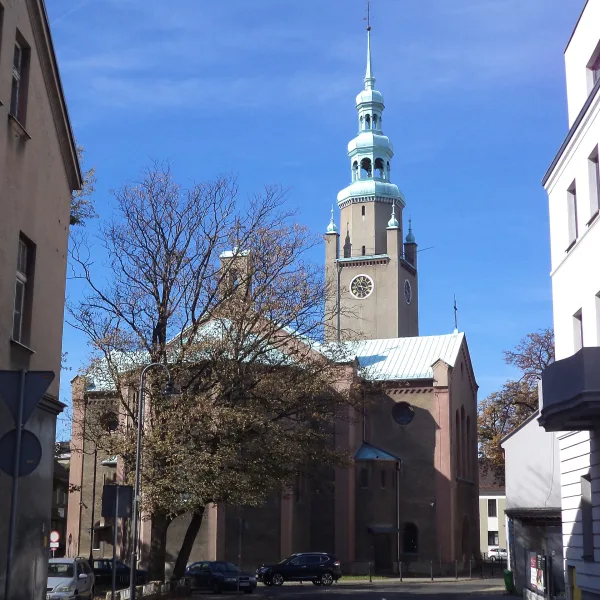
Neo-Romanesque Evangelical church from 1780 by the Tarnowskie Góry Market Square
the oldest church in Tarnowskie Góry, from the 15th century, with Baroque frescoes from 1707 and a cemetery
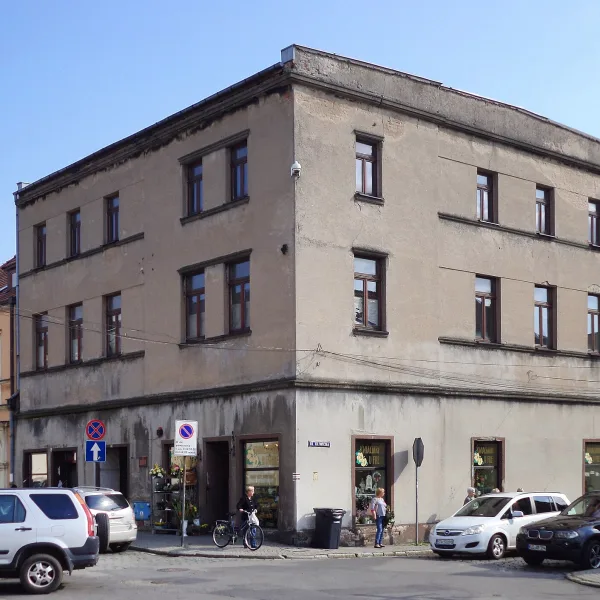
corner tenement on 16th-century foundations, according to tradition the former mining office and town hall
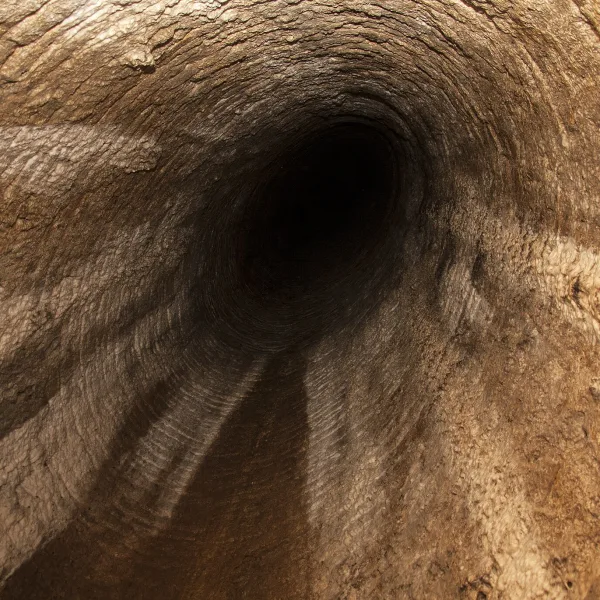
a seventeen-kilometre drainage adit from 1821-1834 and the Neoclassical portal known as the Miners' Gate
the remains of a shaft from 1824 with a steam engine that drained the construction of the Fryderyk adit
an octagonal chapel from the mid-18th century with a shingled roof and a folk altar with a Pietà
an 18th-century manor house where Goethe stayed in September 1790
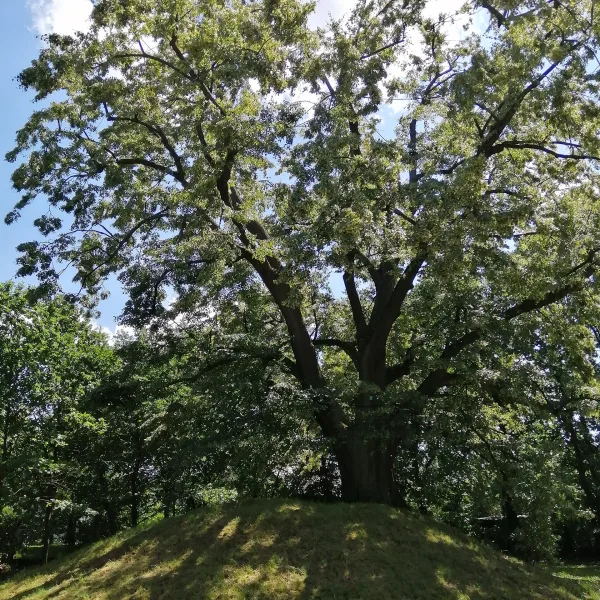
mound with a moat from the 14th-15th century, a former knightly seat, with a 300-350-year-old lime tree
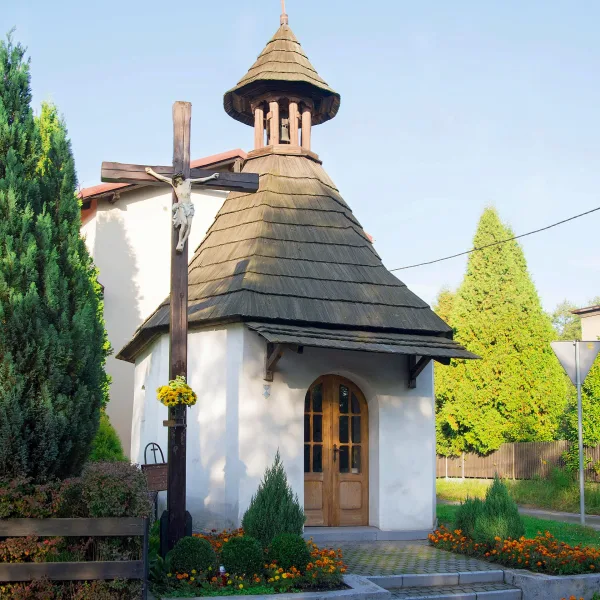
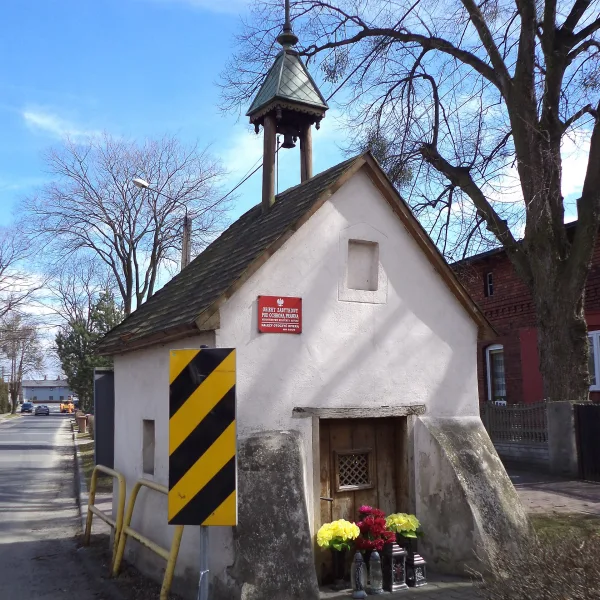
a small dolomite chapel from the late 18th century with a roof turret and a painting of St John of Nepomuk
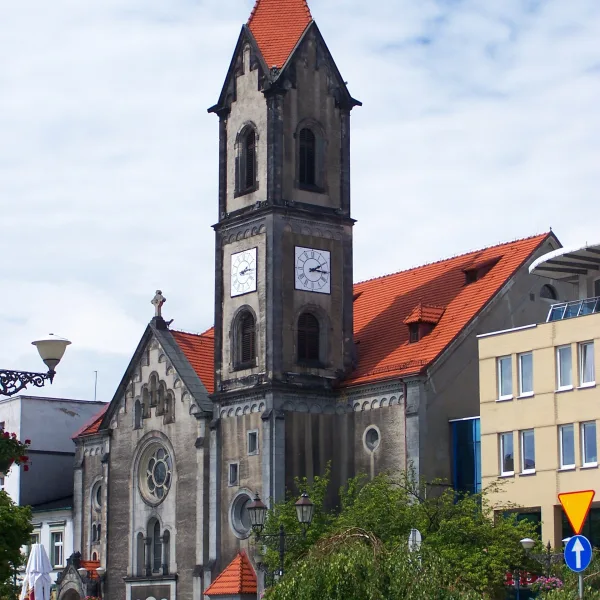
a Renaissance church rebuilt in the Neo-Romanesque style, with a clock from 1586