What to see in Szopienice-Burowiec: a zinc rolling mill, water towers, workers' colonies and ponds in one district of Katowice.
Szopienice-Burowiec is an eastern district of Katowice shaped by zinc smelting. It has industrial museums, workers' housing estates, Neo-Gothic churches and waterside land, so it is an address for those curious about the history of work and technology.
Where to start in Szopienice-Burowiec?
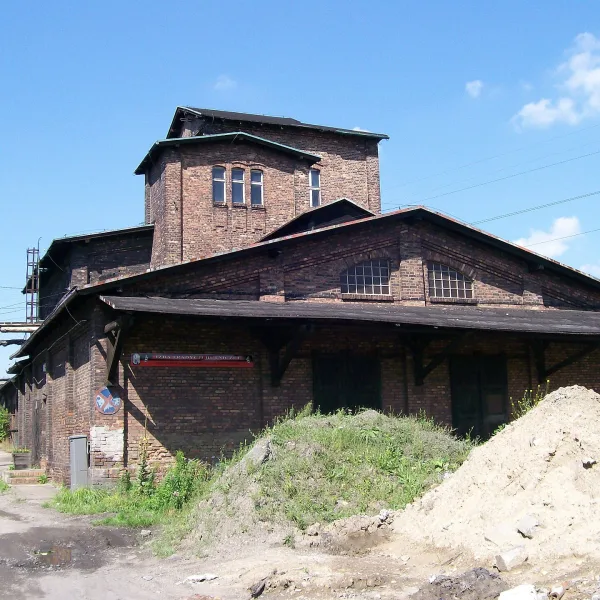
Start with the Walcownia - Zinc Smelting Museum at ulica 11 Listopada 50. It is a former zinc sheet rolling mill from 1903-1904 with a preserved production line, steam engines and a collection of motorcycles. Since 2017 it has belonged to a route of technical heritage sites, and it is a good choice for a rainy day.
It is complemented by the Smelting Tradition Room, set up in the former smelter laboratory from 1897. It shows smelters' tools, casting moulds and documents of the Giesche company, and is run by retired smelter workers. The room opened in 1984, for the 150th anniversary of the smelter, so it is also a keepsake of the works that shaped the district.
What traces of industry can you see in the district?
The district grew around a zinc smelter founded in 1834, so traces of industry are the most numerous here. They are collected under industry and technology in Szopienice-Burowiec.
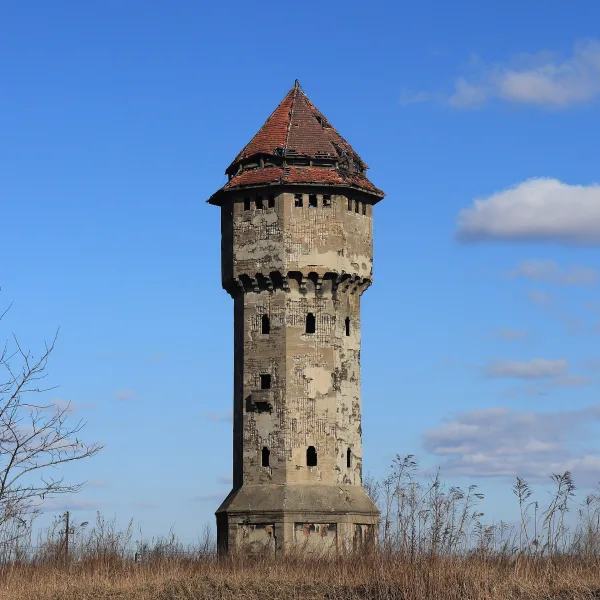
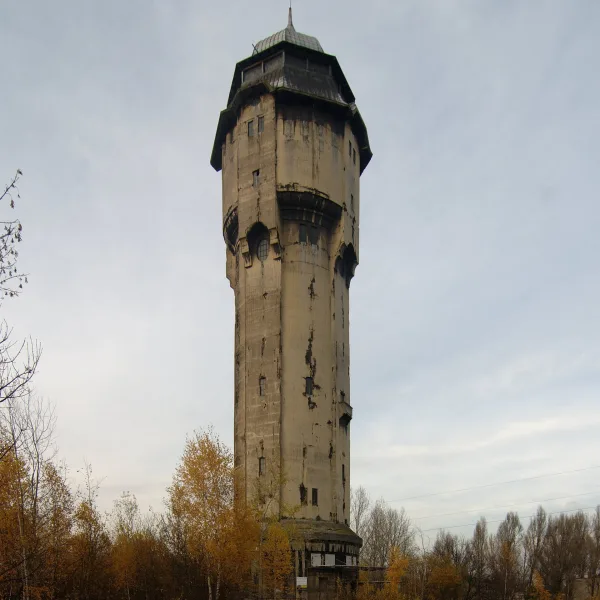
Two water towers are quite different in character. The water tower of the non-ferrous metals smelter is a reinforced-concrete structure from 1912 on the site of the former smelter, no longer in use and viewed only from outside. The water tower on ulica Korczaka, number 47, is 68 metres tall, was built in 1911-1912 in the Secession-modernist style and is entered in the register of monuments. If you like photography, take pictures from the street.
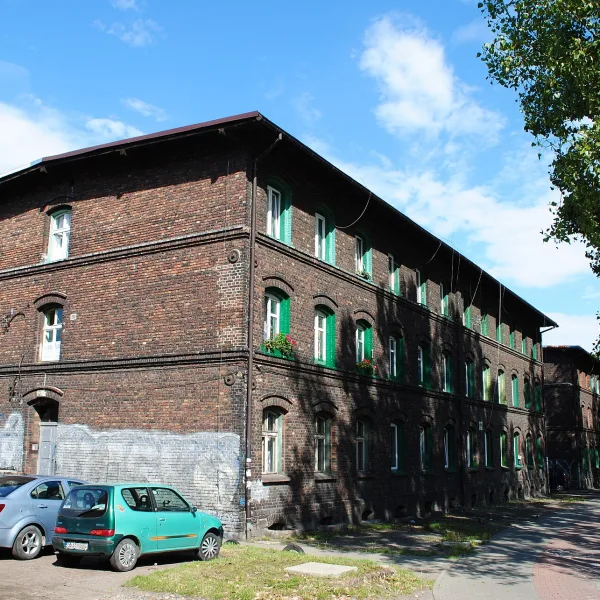
Workers' lives are illustrated by the housing estates. The Wilhelmina colony next to the former smelter grew from the 1840s, and the terraced workers' houses from the 1870s and a former small palace have survived. The first houses of the colony, without water or sewers, began to go up in 1846, so it is a good place to see how the smelter's workers lived. Helgoland on ulica Lwowska is a group of red-brick workers' houses from around 1890-1905, built for the employees of the Wilhelmina smelter.
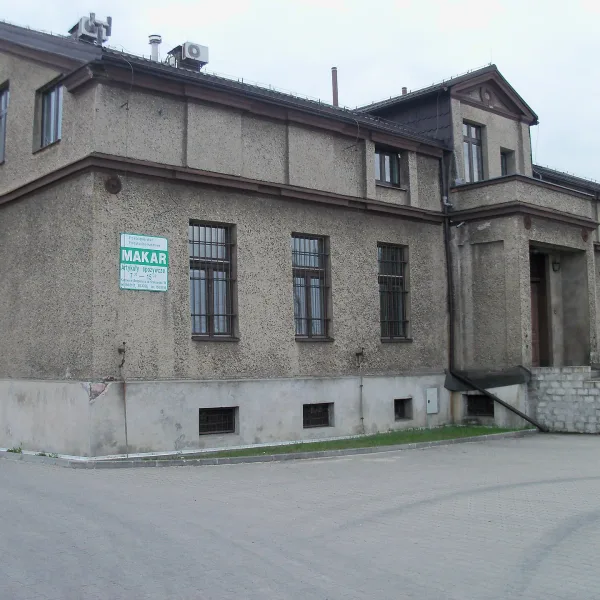
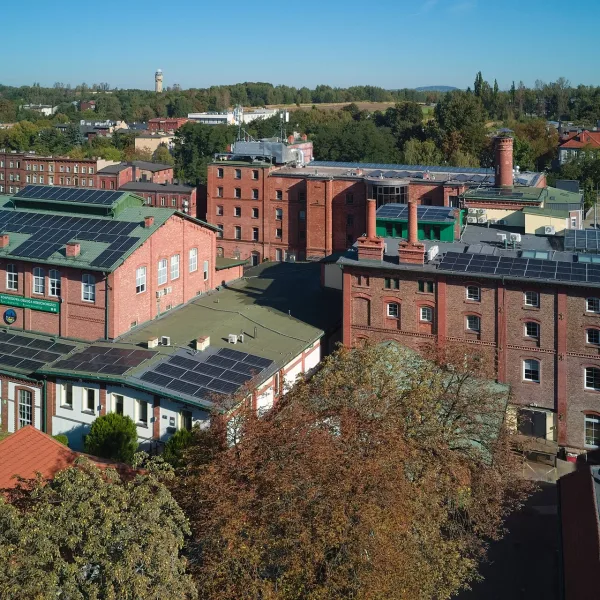
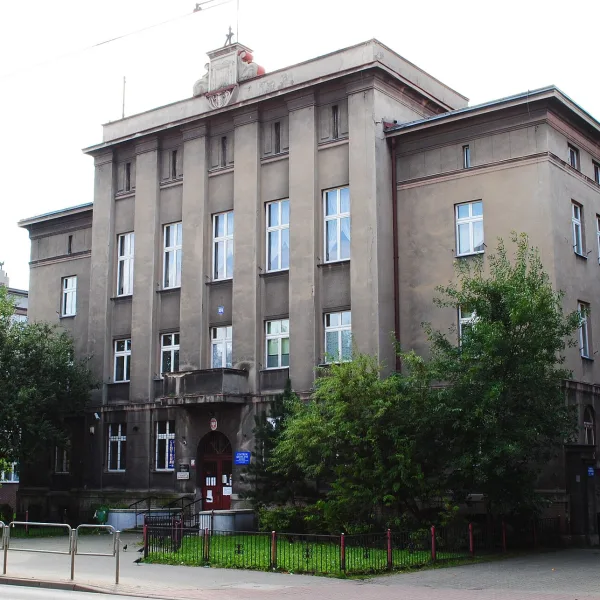
The brick complex of the Mokrski Brewery, from 1879-1890, now serves as offices and storage after renovation, so you see it from outside, mostly as an example of adapting an industrial monument. The town hall in Szopienice at ulica Wiosny Ludów 24, modernist, brick, from 1927-1928, was built as the seat of the former Szopienice municipality and entered in the register of monuments in 2020.
Which churches and sacred sites are worth seeing?
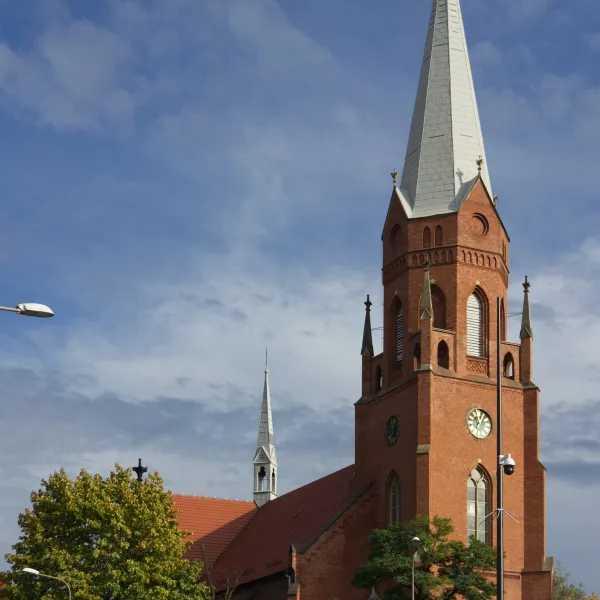
The district has three churches of different character, described under churches and monasteries in Szopienice-Burowiec. The Neo-Gothic brick Church of Saint Hedwig of Silesia at plac Powstańców Śląskich 3 was built in 1884-1887, is 43 metres tall and has an Ogrójec chapel from 1903.
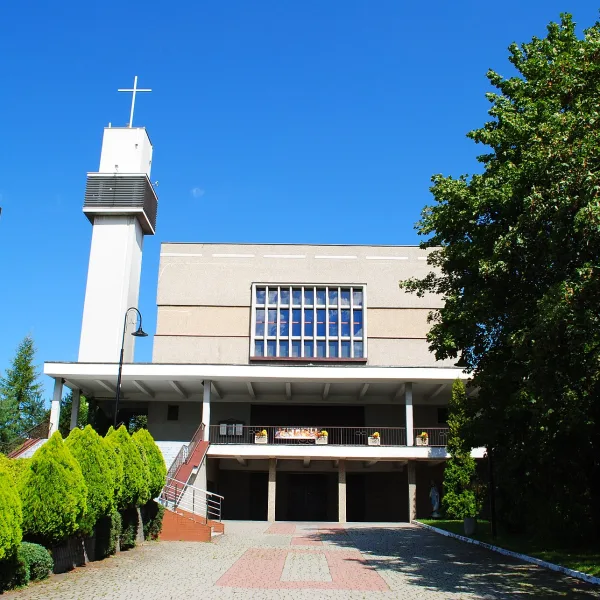
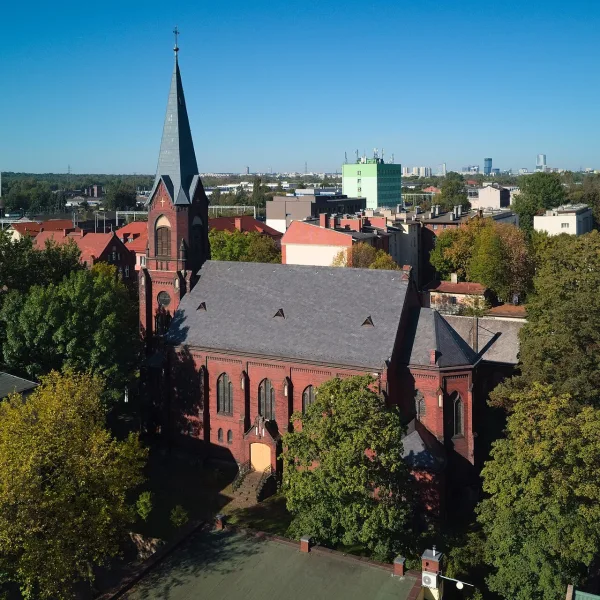
The Church of the Saviour is a Neo-Gothic Lutheran church of clinker brick, built in 1899-1901 and entered in the register of monuments in 2002. It is one of two Lutheran churches in Katowice. A completely different, reinforced-concrete Church of Our Lady of Perpetual Help on ulica Siewna was built in 1981-1983.
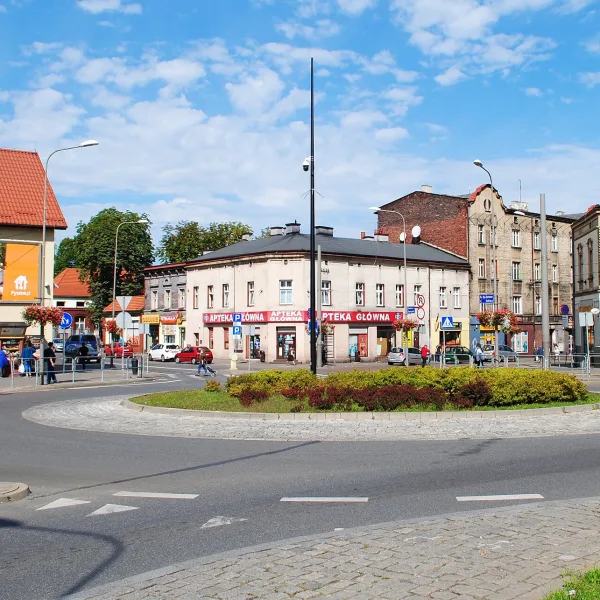
Around the Church of Saint Hedwig stretches plac Powstańców Śląskich, the central square of the district, where several historic buildings survive, and the church complex was entered in the register of monuments in 1994.
Where to enjoy nature in Szopienice-Burowiec?
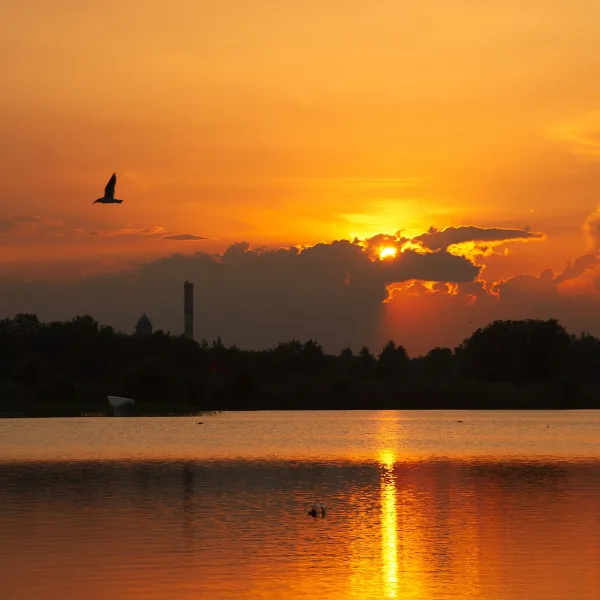
Green places are collected under parks and nature in Szopienice-Burowiec. The largest is the Szopienice-Borki nature and landscape complex, ponds in former sand pits on the border of Katowice, Sosnowiec and Mysłowice, with a breeding colony of black-headed gulls. The ponds formed in sand pits, where sand was dredged for the needs of mining. It covers about 157 ha and was established in 2000.
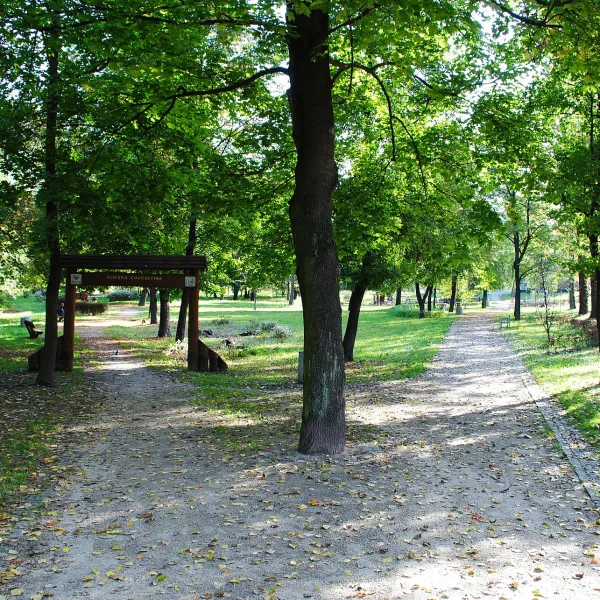
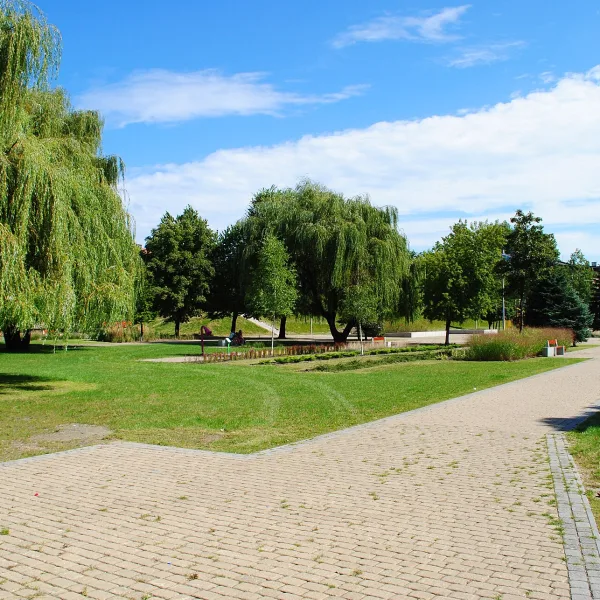
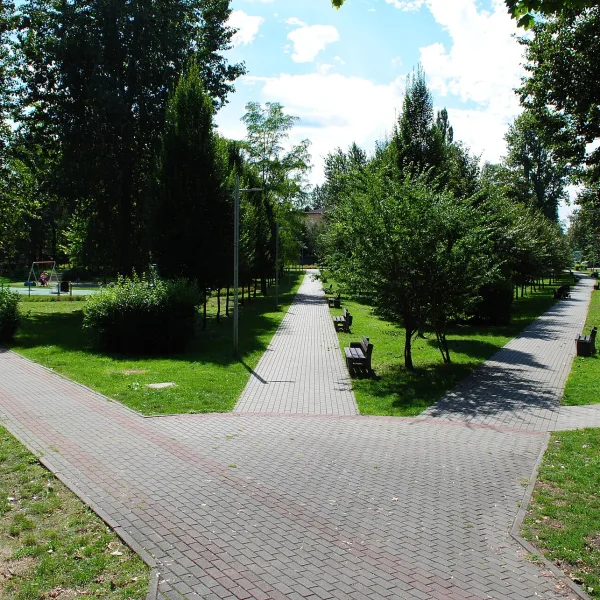
For a shorter walk choose Olympians Park (2.81 ha, with a playground and cycle route no. 5), Anton Uthemann Park on ulica Wiosny Ludów, right by the tram terminus, or Hilary Krzysztofiak Square with a playground, skate point and rain garden, laid out where a former workers' colony stood. Uthemann Park bears the name of the general director of the Georg von Giesches Erben company, creator of the Giszowiec and Nikiszowiec estates; the park was founded in 2014. Entry to all of them is free.
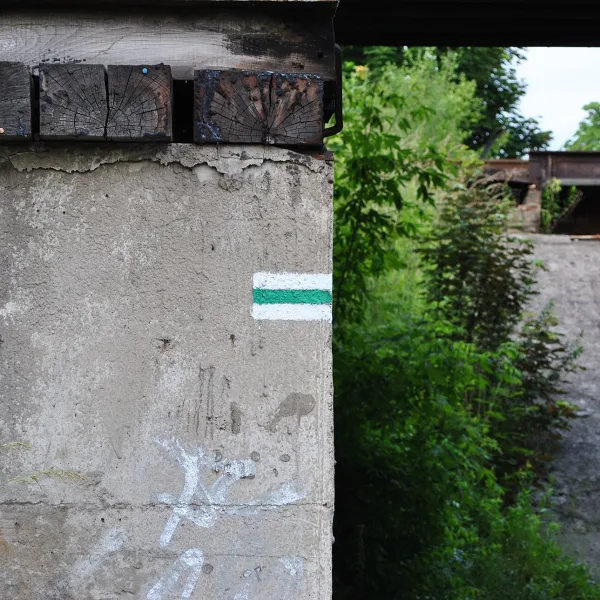
The district is also crossed by the PTTK Twenty-Fifth Anniversary Trail, a green loop hiking trail from Silesian Park in Chorzów through the cities of the conurbation, about 115 km long. In Szopienice you therefore meet only one section of the route.
What memorial sites and cemeteries are in Szopienice-Burowiec?
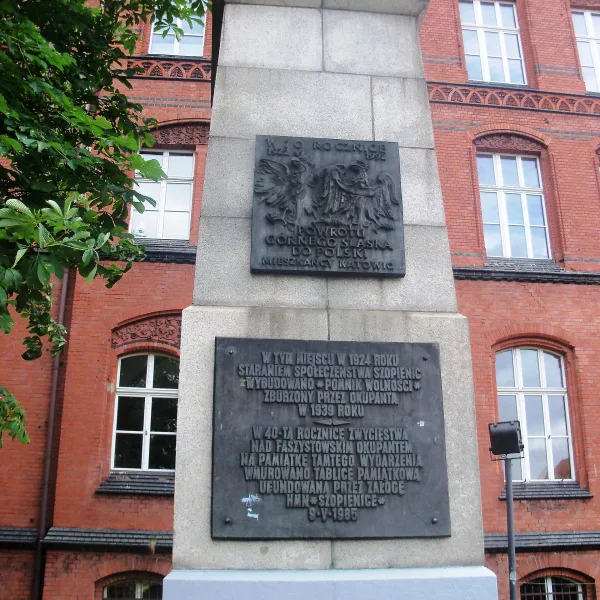
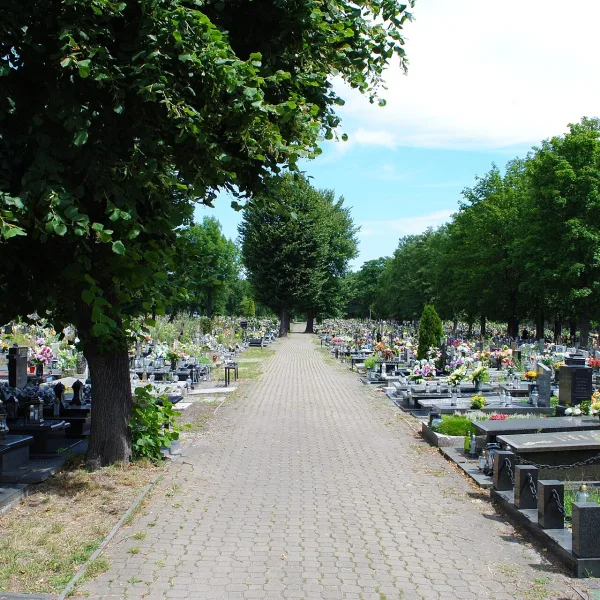
The Monument to the Silesian Insurgent on plac Powstańców Śląskich is an obelisk with two plaques, successor to the Freedom Monument of 1924, destroyed by the Germans in 1939. The present obelisk was put up after the war, and in 1985, on the fortieth anniversary of liberation, the smelter helped with it. The parish cemetery on ulica Brynicy, from the 1870s, covering nearly four hectares, has graves of Silesian insurgents and of those killed in the Second World War.
How to plan a walk around the district?
The most convenient option is to stay around ulica Wiosny Ludów, ulica Lwowska and plac Powstańców Śląskich: there are the town hall, Uthemann Park, the square with the Church of Saint Hedwig and the Helgoland estate. Treat the Walcownia on ulica 11 Listopada and the Szopienice-Borki ponds separately, as they lie outside the district centre. A full overview, including historic sites, is under historic sites in Szopienice-Burowiec and in the section things to see in Szopienice-Burowiec.
Frequently asked questions
What to see in Szopienice-Burowiec in one day?
The Walcownia - Zinc Smelting Museum, plac Powstańców Śląskich with the Church of Saint Hedwig and the Helgoland estate. If time remains, add a walk in Olympians Park.
Is there anything for rainy weather in Szopienice-Burowiec?
Yes, the Walcownia and the Smelting Tradition Room are indoor places that tell the story of zinc smelting.
Can you enter the water towers in Szopienice-Burowiec?
The tower at the smelter is viewed only from outside, and the structure on ulica Korczaka is a monument best viewed from the street.
Which places in the district are free?
Entry is free to the parks and the square, to the Szopienice-Borki ponds and to the cemetery on ulica Brynicy.

 Museums