What to see in Załęże: the Neo-Gothic Church of Saint Joseph, the former municipal hall, a colony of workers' houses and Teatr Żelazny in Katowice.
Załęże is a western district of Katowice that was a separate municipality until 1924. Mines and a smelter grew up here in the 19th century, and what remains is workers' housing, brick churches and a few surprises, from an independent theatre to the dome of a Pentecostal congregation.
What to see first in Załęże?
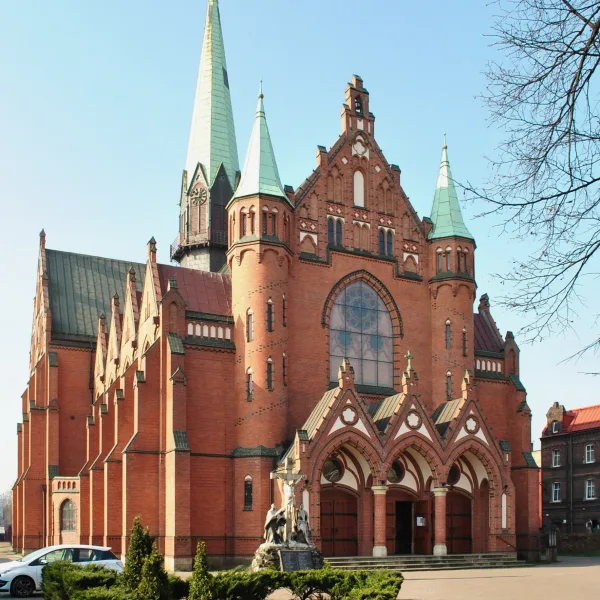
Start with ulica Gliwicka, along which most addresses lie. The Church of Saint Joseph at number 76 is a brick Neo-Gothic church from 1898-1900, built as a votive offering after the disaster at the Kleofas mine in 1896, in which more than a hundred miners died. Its tall tower dominates the crossroads.
At number 102 stands the former Załęże municipal hall, Neo-Gothic, brick, from 1897, with a clock in the gable. The history of the district, its Charlotte and Cleophas mines and the Baildon smelter are described in the article on industrial Załęże.
What historic buildings and industrial remnants stand out?
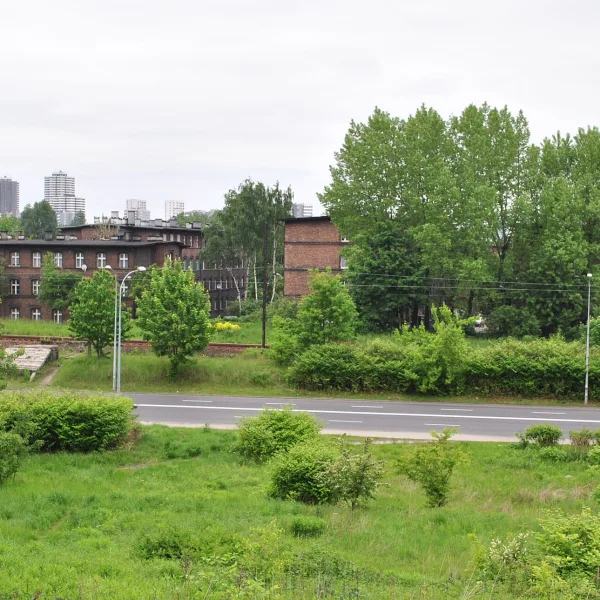
The historic sites of the district are collected under historic sites in Załęże. The Kleofas mine workers' colony is an estate of terraced workers' houses from 1890-1914 between ulica Wiśniowa and ulica Bocheńskiego, partly designed by the Zillmanns.
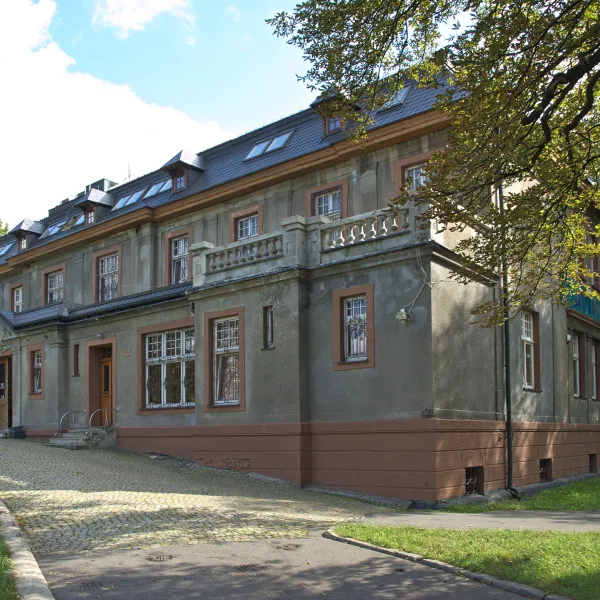
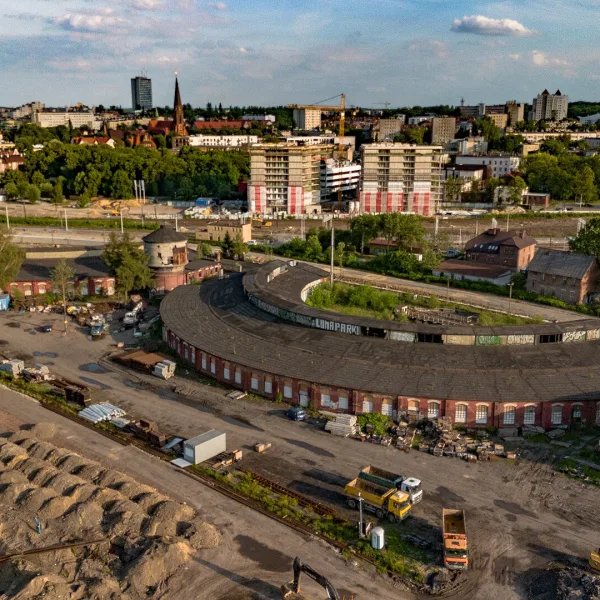
The palace in Załęże at ulica Gliwicka 159, Neoclassical and put up in 1886-1887, once served the directors of the Giesche firm. A private hospital works there now, so you can only look at it from the street. The same goes for the abandoned Katowice Locomotive Shed on ulica Raciborska, with two fan-shaped halls from 1900, entered in the register of monuments in 2021. It is a site that you do not enter without permission, so a look from the street is enough.
Which churches and cultural venues does the district have?
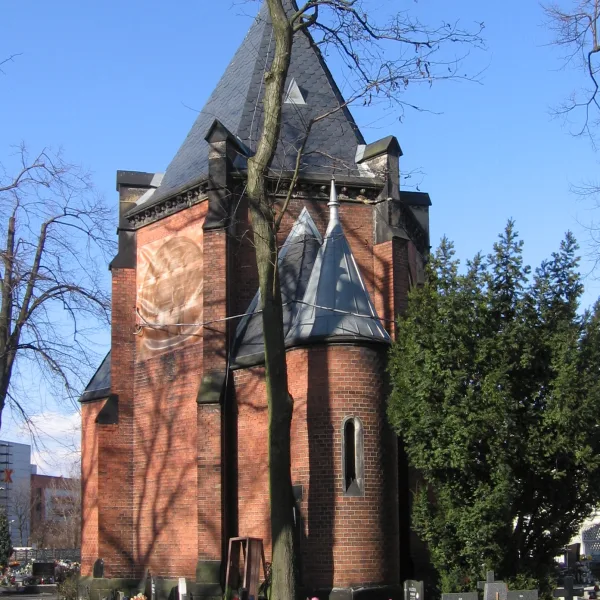
Besides the Church of Saint Joseph the district has interesting sacred buildings, described under churches and monasteries in Załęże. The Betania Pentecostal Church at ulica Gliwicka 267 stands on a circular plan nearly 40 m in diameter and has a dome, built in 1989-1997. The Chapel of the Good Thief at ulica Gliwicka 32 is a Neo-Gothic cemetery chapel from 1875, formerly Old Catholic, entered in the register of monuments.
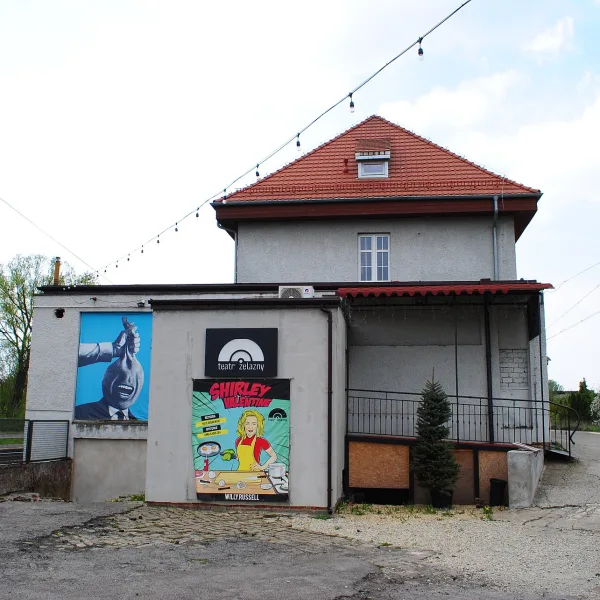
Among cultural venues, know Teatr Żelazny, an independent repertory theatre founded in 2011, which performs for adults and children in a 139-seat hall at ulica Gliwicka 148a. For an evening under a roof there is Gravitacja, an entertainment centre with bowling and billiards in the Punkt 44 complex. At ulica Gliwicka 107 stands also a small bronze figure, Cukerzołza, from the series of Katowice bebok figures.
Where to relax in Załęże?
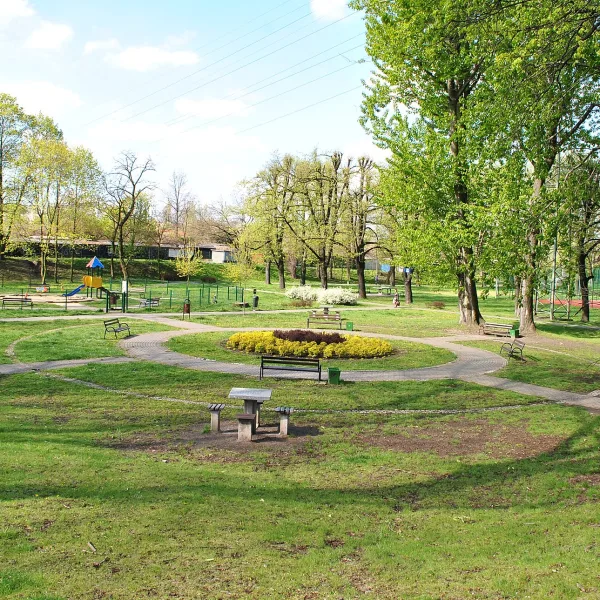
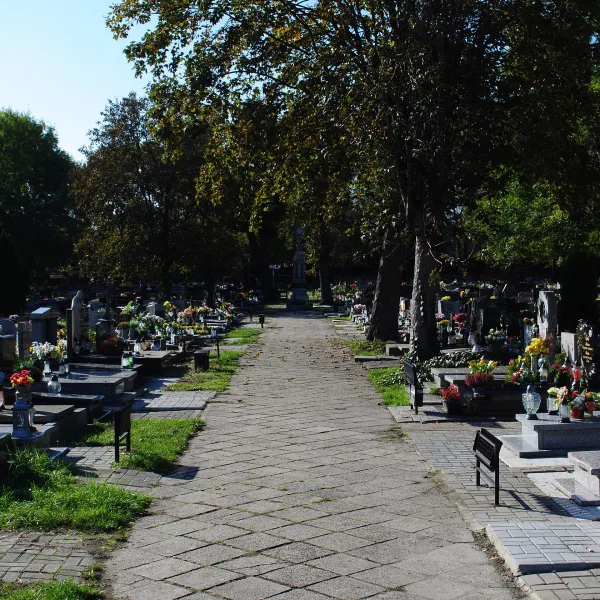
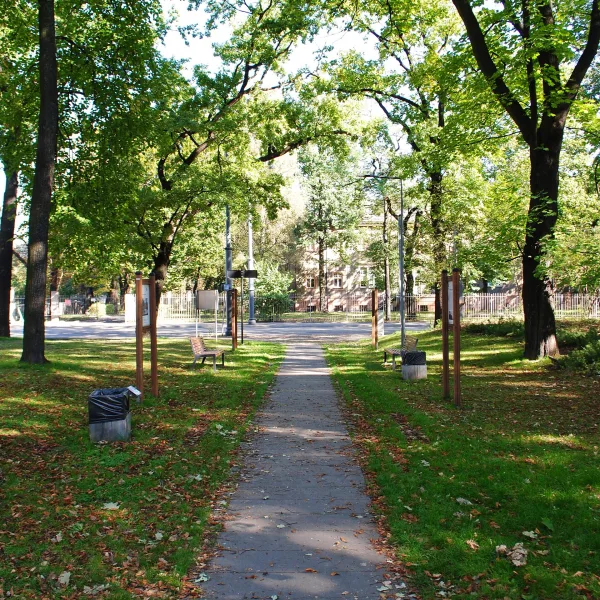
Załęże Park at ulica Gliwicka 212 was laid out on the site of a Jordan garden from 1938 and today serves mainly families: there are sports fields, a playground, a water playground and a summer pool. For a short break there is plac księdza Józefa Londzina, popularly called Gruszka, a remnant of the former park by the palace, with an outdoor gym and a playground. At the cemetery on ulica Pośpiecha, founded around 1898, stand miners' gravestones and plaques of Italian families on the wall.
Frequently asked questions
What to see in Załęże in one day?
The Church of Saint Joseph, the municipal hall, the Kleofas colony and Załęże Park. Most places lie along ulica Gliwicka.
Where to go in Załęże with children?
To Załęże Park with its playgrounds and pool, and to Teatr Żelazny, which also performs for children.
Can you visit the palace in Załęże?
No, a private hospital operates in the palace today. You can see it from outside.
What to do in Załęże on a rainy day?
Choose the theatre or Gravitacja, where everything happens under a roof.

 Theatre and opera