What to see in Załęska Hałda and Brynów: Bruno Taut's workers' colony, churches, a scouts' museum and sites linked to the Wujek mine in Katowice.
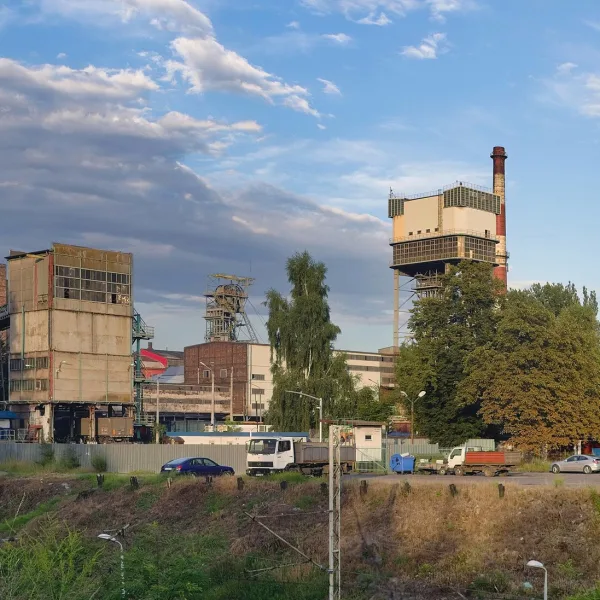
Załęska Hałda-Brynów is a district of Katowice tied to the Wujek coal mine. Alongside a workers' colony and several churches there are places devoted to the memory of twentieth-century events, which are described separately and factually.
What should you see first in Załęska Hałda and Brynów?
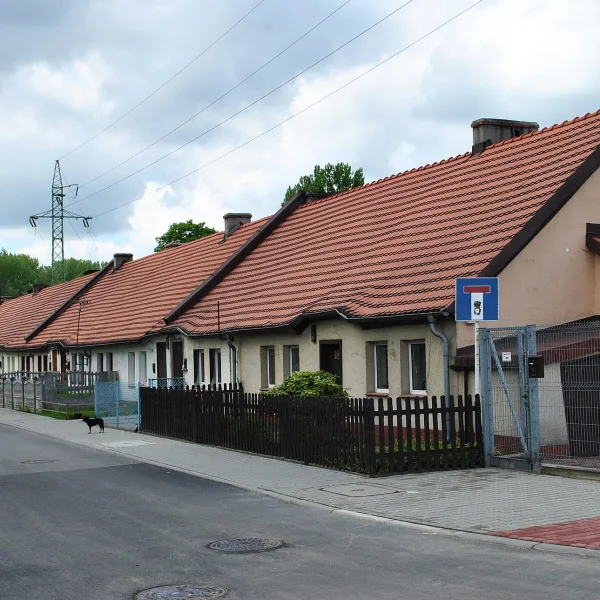
Start with the Wujek mine workers' colony, an estate of detached houses on Przekopowa and Przodowników streets, and the Scouts' Ethnographic Museum at Nasypowa 16. The first shows architecture, the second ethnographic collections.
The colony was designed in 1915 by the German architect Bruno Taut and built in 1918-1920 in the north-eastern part of the district. Since 1965 the museum has been run by scouts of the Defenders of Katowice Scout Troop. Its collection of more than 750 items includes folk costumes and everyday objects from Upper Silesia, the Beskids, Orava, Spisz and Kashubia.
Which churches are in Załęska Hałda and Brynów?
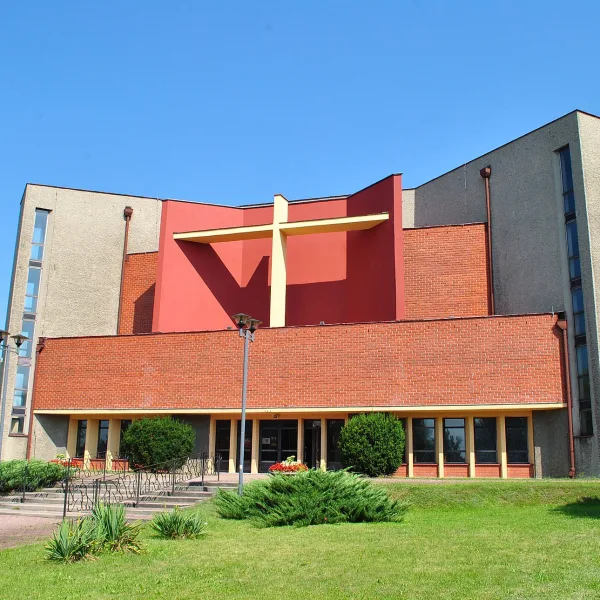
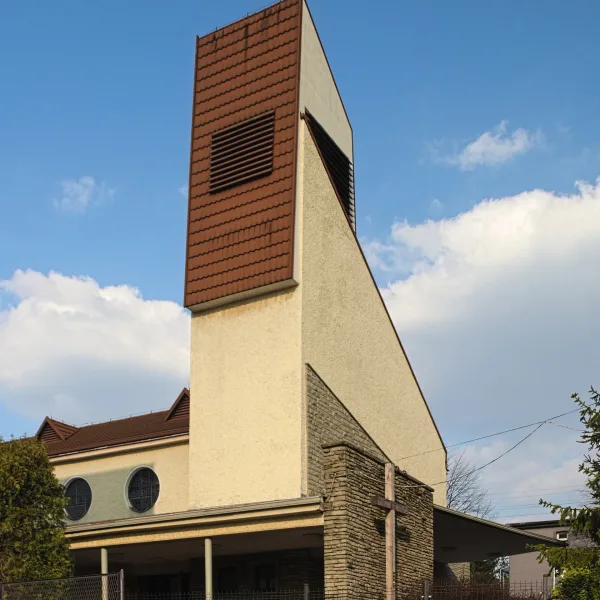
The district has three parish churches from different decades of the twentieth century. Each has its own story: one was converted from a brickworks, another was built after the war to a design by Karol Gierlotka, and the third went up in the 1980s for a new housing estate.
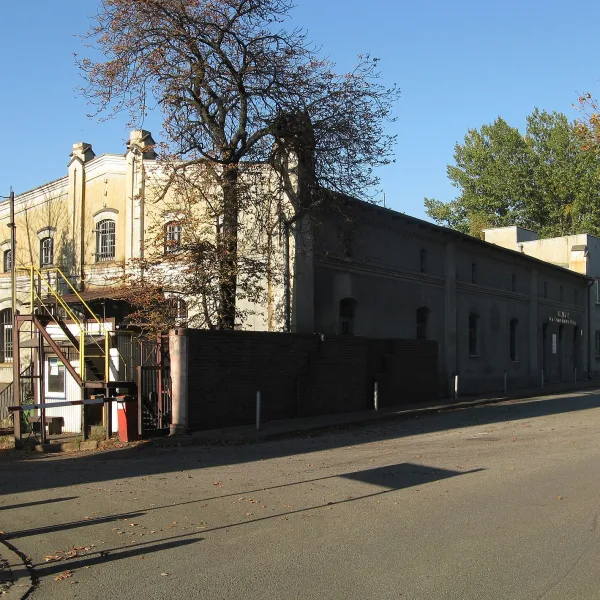
The Church of Saints Cyril and Methodius on Bocheńskiego Street was created in 1945 by adapting a brickworks and serves both a Roman Catholic and a Greek Catholic parish. The Church of the Holy Names of Jesus and Mary at Przyklinga 12 was consecrated in 1957, and its organ from 1883 was brought from Hamburg. The Church of the Holy Family and St Maximilian Kolbe on Kossak-Szczuckiej Street was built for the Rolna-Wodospady estate and consecrated in 1993; it has stained glass and sculptures by local artists. All three are gathered on the page for churches and monasteries in Załęska Hałda and Brynów.
Which memorial sites are in this district?
Three sites in the district relate to twentieth-century history: the Wujek mine, a museum devoted to the events of December 1981, and a monument to the Silesian Insurgents. They are collected on the page for memorial sites in Załęska Hałda and Brynów.
The Wujek colliery was active from 1900 to the end of November 2021, first as Oheim, and under its present name since 1922. Here, on 16 December 1981, a strike was put down by force and nine miners lost their lives. The events of December 1981 are the theme of the Wujek Mine Memorial Room Museum in a former clothing store at Pola 38, which the Silesian Centre of Freedom and Solidarity operates. A separate matter is the Silesian Insurgents Monument at the junction of Ligocka and Hetmańska streets: a boulder with an eagle that was unveiled in 1922, altered in 1936 and recreated after the war.
Frequently asked questions
What fits into half a day in Załęska Hałda and Brynów?
The Wujek workers' colony, the Scouts' Ethnographic Museum and one or two churches. When visiting memorial sites, keep calm and show respect.
Who designed the Wujek mine workers' colony?
The German architect Bruno Taut designed it in 1915. The houses were built in 1918-1920.
What happened at the Wujek mine on 16 December 1981?
After martial law was introduced, the miners began an occupation strike, and on 16 December 1981 the mine was pacified, with nine miners killed.
Are Załęska Hałda and Brynów in Katowice?
Yes, they form a district of Katowice. A full overview is on the page for places in Załęska Hałda and Brynów.

 Places of remembrance