Things to do in Kostuchna: the former Boże Dary coal mine, two churches and monuments to local figures in southern Katowice.
Kostuchna is a southern district of Katowice that was joined to the city in 1975 together with Podlesie. Its industrial past left mine buildings, and beside one of its churches stand monuments commemorating people tied to the district.
Where should you begin in Kostuchna?
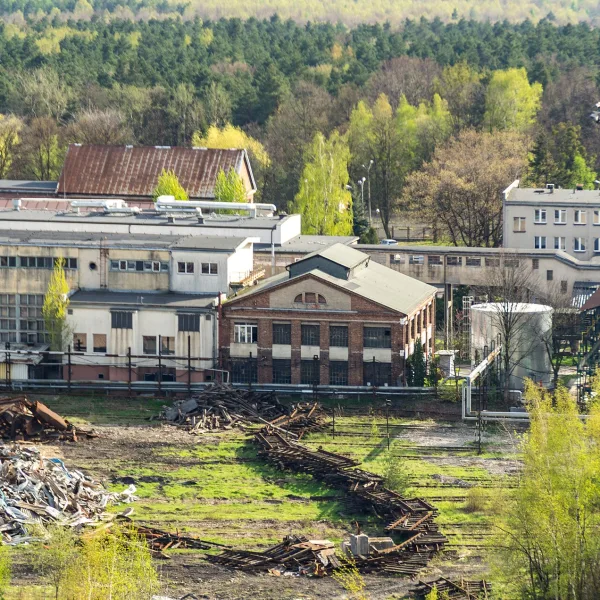
Above all, see the Boże Dary mine at Boya-Żeleńskiego 95. It is a former coal mine of the Princes of Pless built in 1901-1903, called Böer until 1937, and its buildings are under conservation protection.
The site and its buildings still show what an Upper Silesian industrial works looked like at the start of the twentieth century, so it is a good stop for anyone interested in industrial architecture.
Which churches are in Kostuchna?
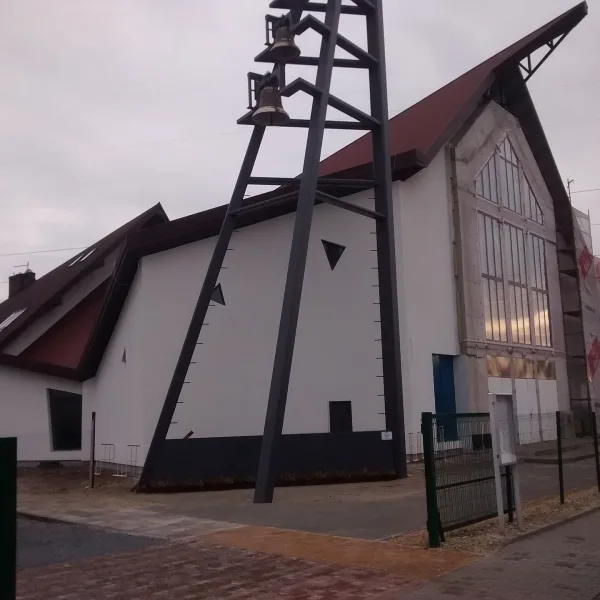
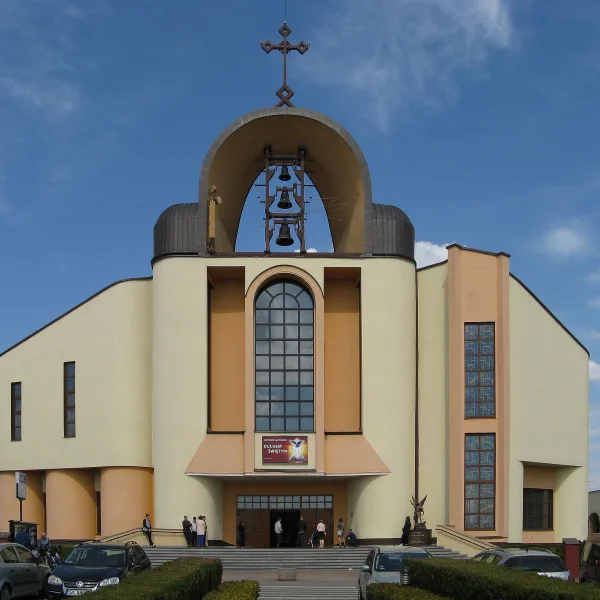
The district has two parish churches, from the end of the twentieth century and from the twenty-first. The Church of the Most Holy Trinity on Boya-Żeleńskiego Street was consecrated in 1995, and its dedication reflects three former parishes. It is a Roman Catholic parish church in the southern district of Katowice.
The Church of Our Lady of Fátima at Bukszpanowa 26 was under construction from 2012 and consecrated on 13 October 2025.
Which monuments and memorials are in Kostuchna?
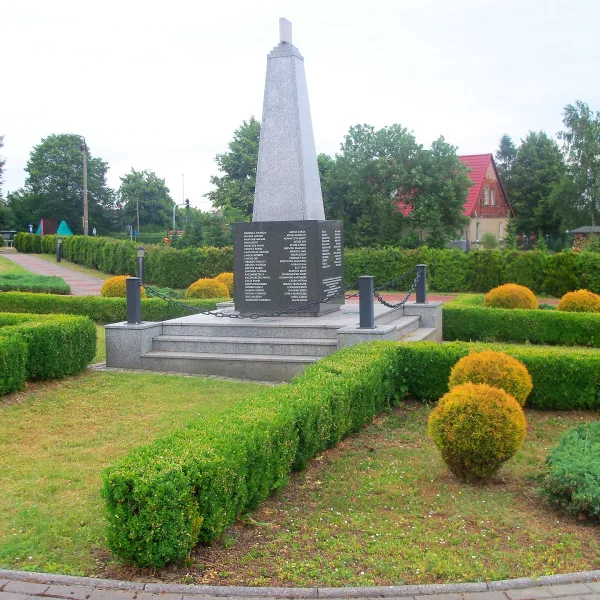
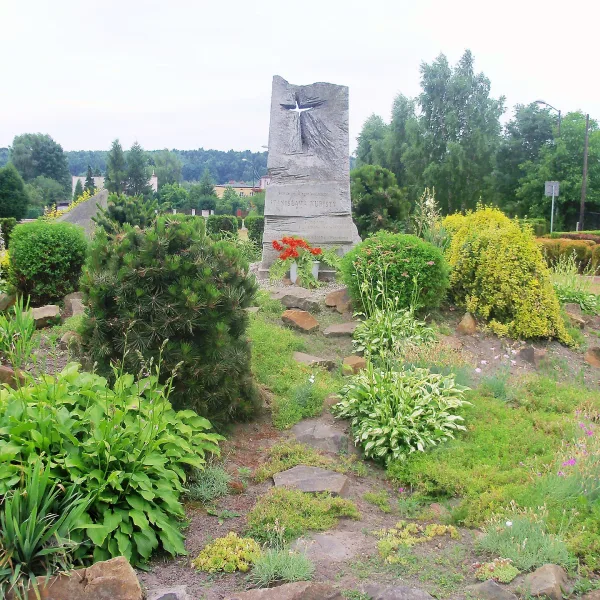
Two monuments stand on Blessed Stanisław Kubista Square, between Migdałowców and Boya-Żeleńskiego streets, near the Church of the Most Holy Trinity. The Blessed Stanisław Kubista Monument was unveiled in 2000 and commemorates a man who died at Sachsenhausen.
The Silesian Insurgents Monument is an obelisk bearing the names of 85 insurgents from Kostuchna. It was recreated in 2002 after a monument of 1922. Both are commemorative places, so they are viewed in a mood of reflection.
Frequently asked questions
What can you see in Kostuchna on a short visit?
The Boże Dary mine, the Church of the Most Holy Trinity and Kubista Square with its two monuments.
What was the Boże Dary mine called before?
Until 1937 it was called Böer. It was built in 1901-1903 for the Princes of Pless.
What does the dedication of the Church of the Most Holy Trinity mean?
The dedication comes from three former parishes. The church was consecrated in 1995 and stands on Boya-Żeleńskiego Street.
Whom does the Silesian Insurgents Monument in Kostuchna commemorate?
The obelisk carries the names of 85 Silesian insurgents from Kostuchna. It was recreated in 2002 after the monument of 1922.
When did Kostuchna become part of Katowice?
In 1975, together with Podlesie.
Where are all the places in Kostuchna gathered?
On the page for attractions in Kostuchna.

 Churches and monasteries