Silesia, Silesian Voivodeship
Tuesday, 03 November 2026 PL / EN

Lakes

For families For couples Solo For rainy days Free
20 attractions
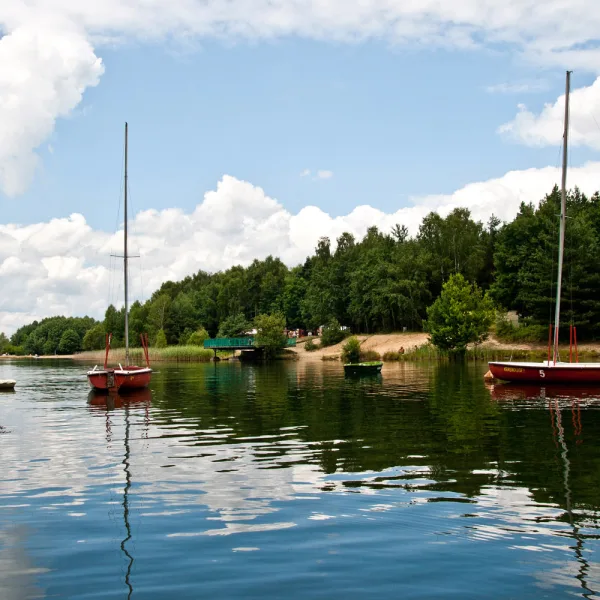
Jezioro Żywieckie Lakes
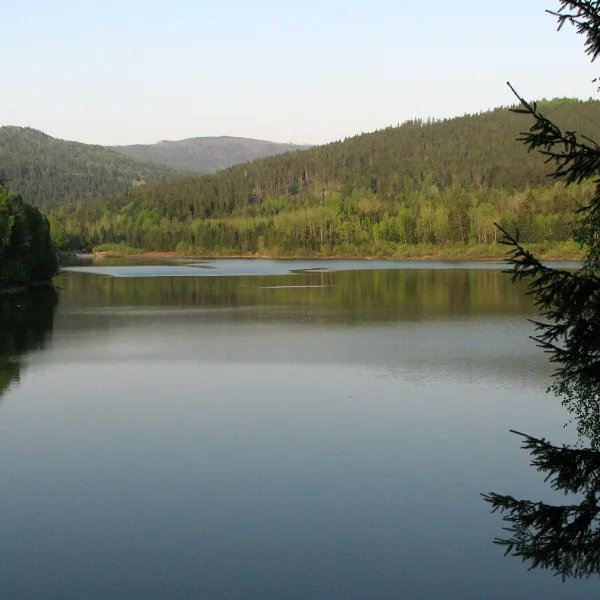
Lake Żywiec
Żywiec

reservoir on the Soła from 1966, 6.6 km long, popular for regattas and walks

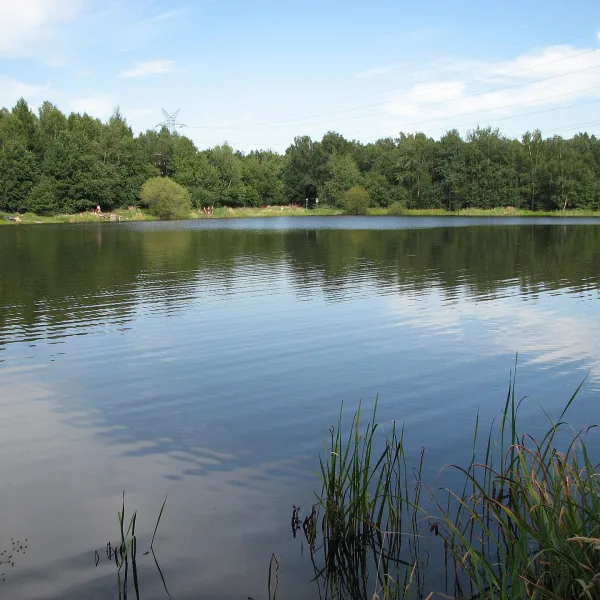
Jezioro Chechło-Nakło Lakes
Lake Chechło-Nakło
Nowe Chechło

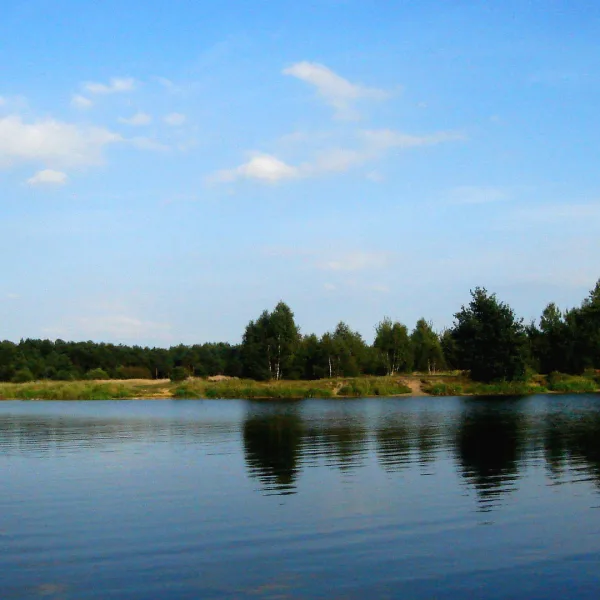
a post-extraction reservoir in a forest with beaches, an island and a bathing area, opened in 1970
Zbiornik Pogoria II Lakes
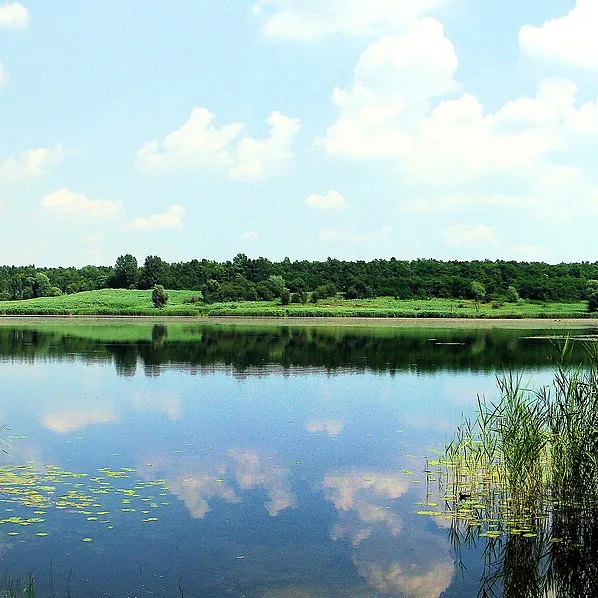
Pogoria II Reservoir
Dąbrowa Górnicza

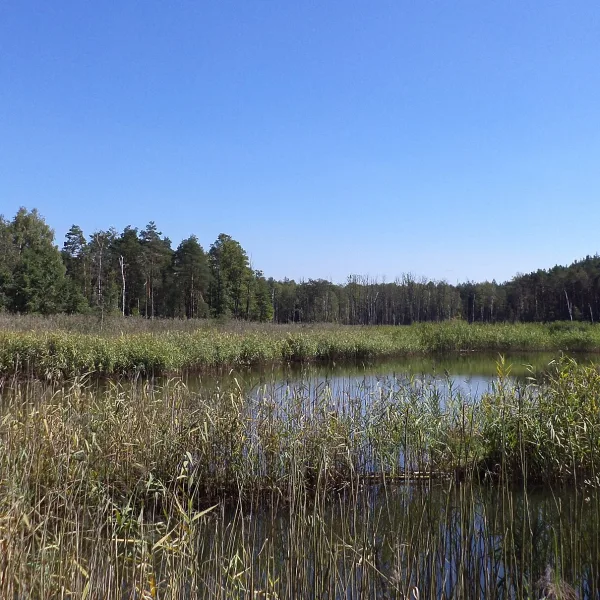
a flooded sand pit from the 1970s in an ecological site, with a colony of black-headed gulls and reed beds
Starganiec Lakes
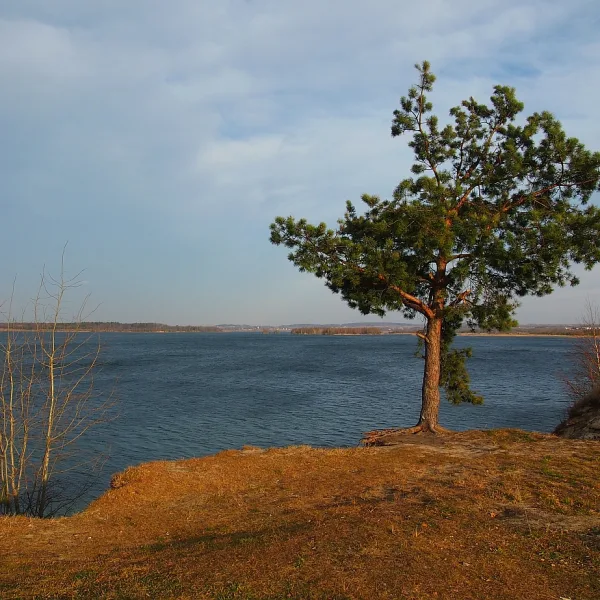
Starganiec
Mikołów

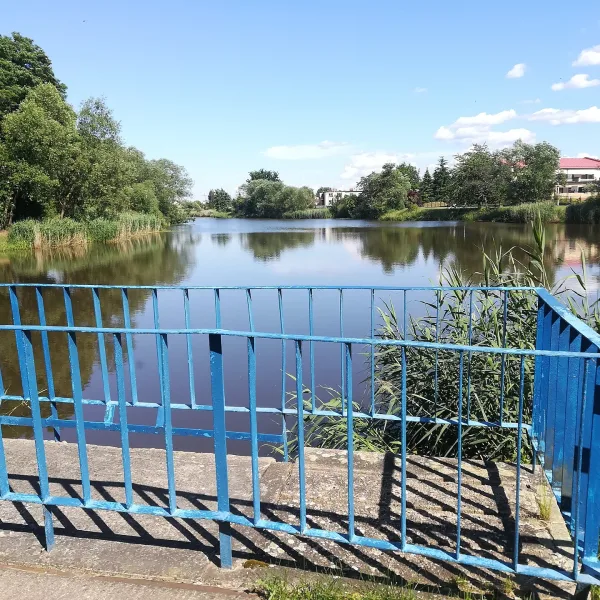
pond in a former sand pit in the Panewniki Forests with a bathing area after a 2023 revitalisation
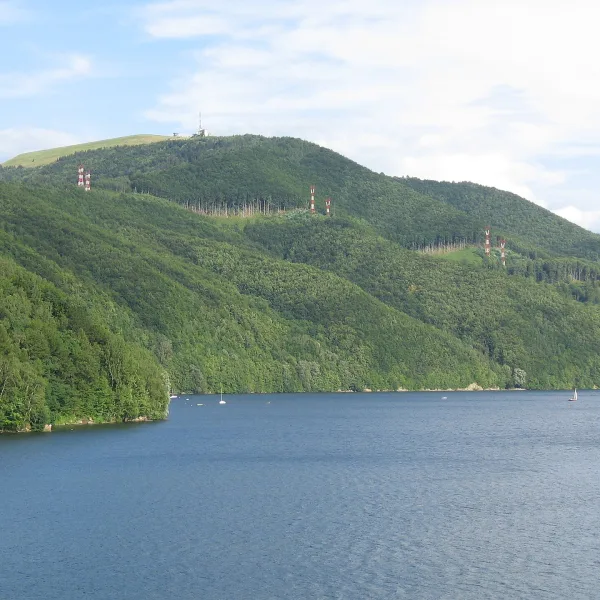
Jezioro Czerniańskie Lakes
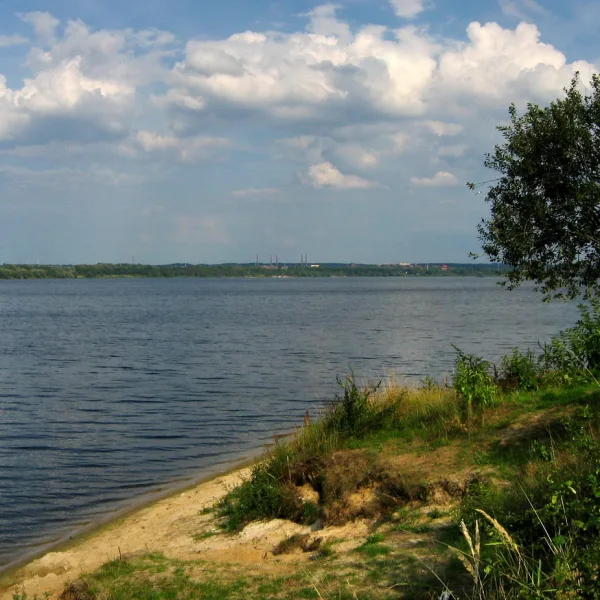
Czerniańskie Lake
Wisła

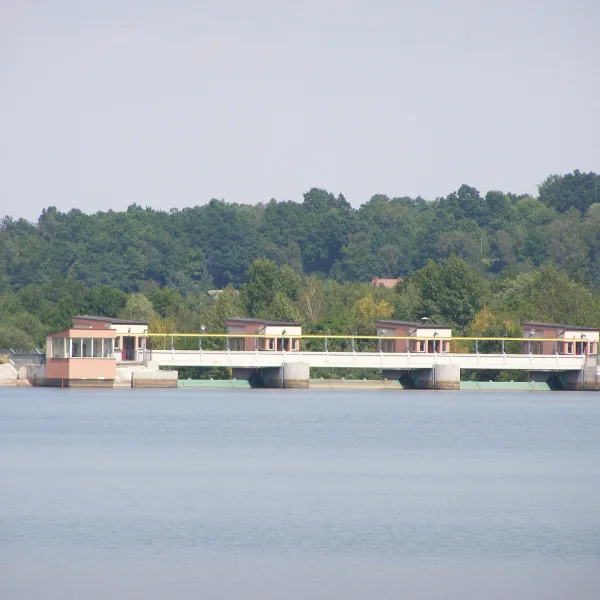
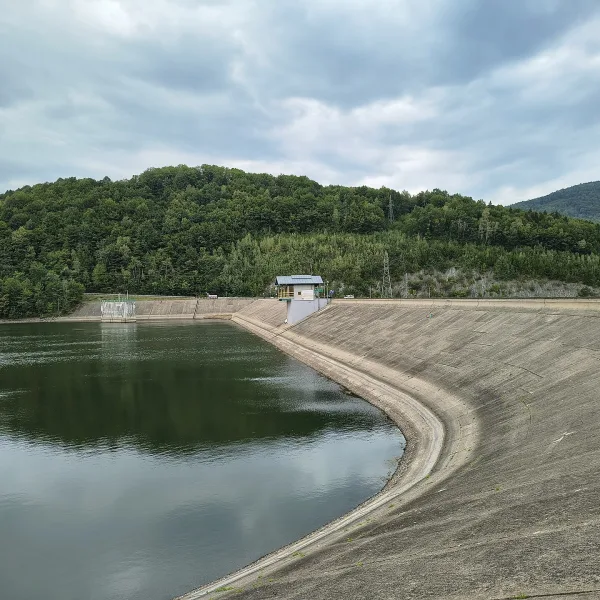
a dam reservoir from 1973 in Wisła Czarne, a drinking water reservoir below Barania Góra
Jezioro Czanieckie Lakes
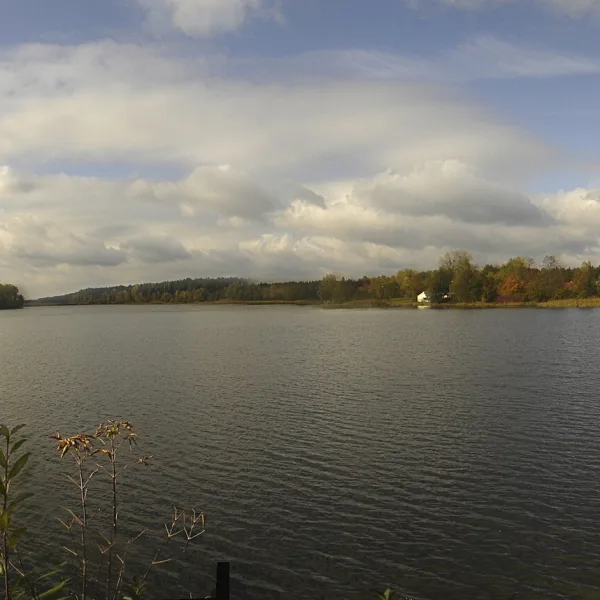
Czaniec Lake
Porąbka

a drinking-water reservoir on the Soła, 45 ha in area, with a ban on water sports
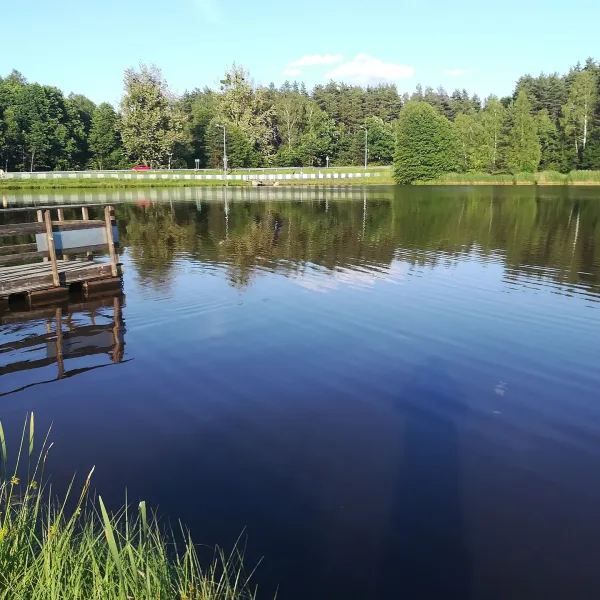
Zalew Pająk Lakes
Pająk Reservoir
Konopiska

a reservoir on the Konopka with a scout centre, host of the Polish Triathlon Cup
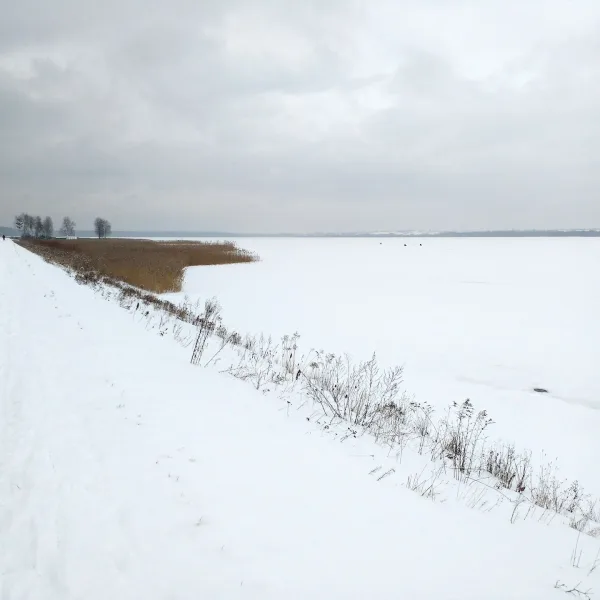
Jezioro Porajskie Lakes
Lake Poraj
Poraj

reservoir on the Warta from 1978, 4.9 km long with 15 km of shoreline

Zalew Dzibice Lakes
Dzibice Reservoir
Kostkowice

four reservoirs at the foot of the Kroczyce Rocks, with a beach, kayaks and the start of the trail to Góra Zborów
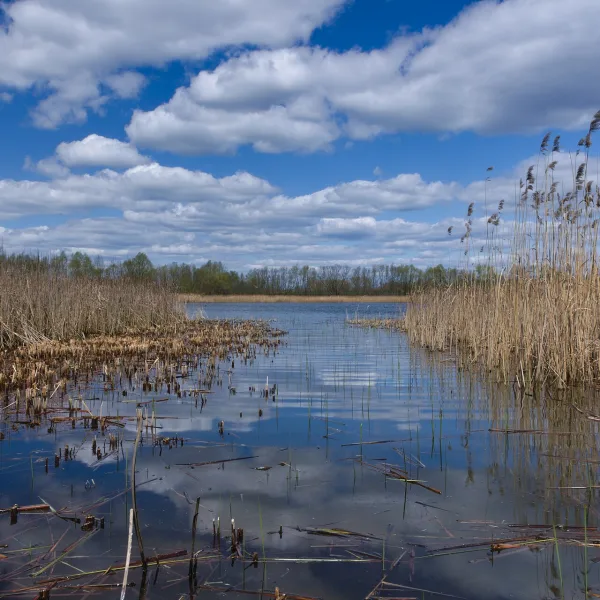
Anaszacht Lakes
Anaszacht
Zabrze

a shallow lake in Biskupice of 6.5 ha, stocked with carp and pike

Zbiornik Łąka Lakes
Łąka Reservoir
Brzeźce

industrial water reservoir from 1987 on the Pszczynka, with recreational areas near Łąka

Lakes in Silesia are mostly reservoirs and flooded sand pits, from Goczałkowice to Rybnik. See which suit recreation and which are for viewing.

Silesian lakes are almost all man-made: dams on the Soła, Wisła, Ruda and Warta rivers, and pits left after the extraction of stowing sand, which was supplied to coal mines. That is why they differ so much in character. Some have beaches and water-sports rental, others are drinking-water reservoirs with restrictions, and others are small, shallow ponds in the forest. A general overview is given in an article on the lakes and reservoirs of the region.

Which lakes in Silesia are the largest?

The largest is Lake Goczałkowice on the Wisła, covering up to 3,200 hectares and lying a few kilometres south of Pszczyna. It mainly supplies water to part of the Upper Silesian Industrial Region and is important for birds. The history of the dam and of the resettled village of Zarzecze is told in a text about Lake Goczałkowice.

Large reservoirs also fill former sand pits: Dzierżno Duże in Pyskowice, over five hundred hectares, created in 1964 in the Kłodnica valley, and Kuźnica Warężyńska in Dąbrowa Górnicza, five hundred and sixty hectares, which filled a sand pit in 2005. Locally it is called Pogoria IV.

Where to find water in the Beskids and on the Soła?

The reservoirs in the Soła valley form a cascade. Lake Żywiec was created in 1966, is up to 6.6 km long, has a shoreline of over thirty kilometres and reaches 26.8 metres in depth; several villages, including Stary Żywiec, were flooded when it was built. It has a hydroelectric power station. Lake Międzybrodzie appeared in 1937, and the summer villages of Międzybrodzie Bialskie and Międzybrodzie Żywieckie lie on its shore. The history of both is covered in an article on the villages under water and the dams on the Soła.

Smaller is Lake Czaniec in Porąbka, which covers only forty-five hectares and is a drinking-water reservoir, among others for Katowice, Tychy and Bielsko-Biała. Water sports and fishing are banned there, so this is a lake for looking at, not for swimming.

In Wisła, in the Czarne district, lies Lake Czerniańskie, with an earth dam from 1973, thirty-seven metres high, and a capacity of four and a half million cubic metres. The reservoir was built for retention and as a drinking-water store. Views of the area are collected in an article on observation towers and platforms, including the wooden structures over this lake.

Which reservoirs in the conurbation and the Dąbrowa Basin suit a day trip?

People from the conurbation head for Chechło-Nakło in the municipality of Świerklaniec, a former stowing-sand pit with a bathing area, beaches, campsites and water-sports rental. Also in Dąbrowa Górnicza is Pogoria II, a reservoir from 1976-1978 that is an ecological site and has a colony of black-headed gulls; it is a place for walks and observation rather than sunbathing.

In Mikołów, on the border with Katowice, is the pond Starganiec: it appeared in the mid-nineteenth century on the site of a pit, and after a revitalisation in 2023 it has a bathing area. In Zabrze-Biskupice lies the shallow lake Anaszacht, also known as the Madejski reservoir, about six and a half hectares, with grass carp, crucian carp and pike. In Tarnowskie Góry, in the Lubliniec Forests, lies Głęboki Dół, a small forest lake that already appears on maps from 1883. Kozłowa Góra, a reservoir on the Brynica from 1935-1939, supplies water to the Upper Silesian conurbation and is a refuge for birds. It also had a defensive purpose: the water was meant to flood the Brynica valley and create an obstacle in front of a fortified area.

Where to find water in the south and in Rybnik?

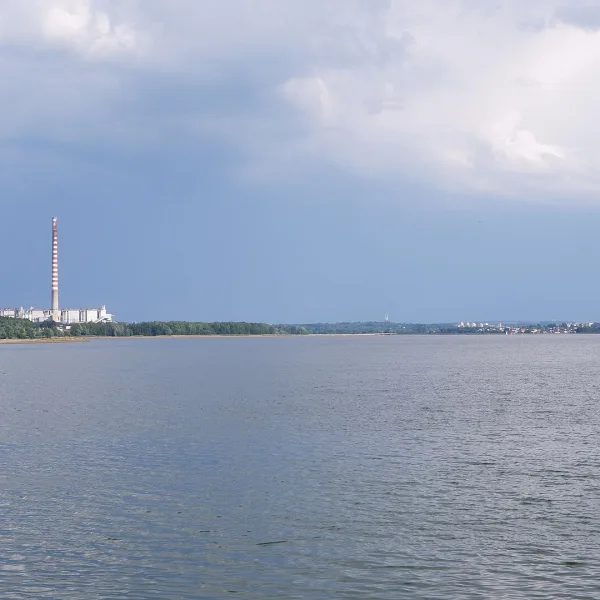
At Rybnik Reservoir, covering four and a half square kilometres and built for the Rybnik Power Station, sailors and anglers meet in the middle of the conurbation. In Brzeźce, in the municipality of Pszczyna, the Łąka Reservoir from 1987 was built to supply mines with industrial water, and today its banks serve as a recreation area.

What to choose in the Upland and around Częstochowa?

In Poraj on the Warta lies Lake Poraj, a reservoir from 1978 covering up to five and a half square kilometres, built for the steelworks in Częstochowa. In Blachownia there is a shallow reservoir on the Stradomka, also fed by the Trzepizurka, whose greatest depth is about two metres. In Konopiska, in the buffer zone of a landscape park, is Pająk Reservoir with a scout centre, where triathlon competitions are held.

The reservoir in Dzibice, a set of four small ponds on the Białka in the municipality of Kroczyce, is often called the Kostkowice reservoir, but it lies in the village of Dzibice. It has a beach and a kayak rental, and the trail through the Kroczyce Rocks begins next to it. In Lubliniec, Droniowicki Reservoir is a small recreational pond where carp and pike are fished; it is not an official bathing area.

How to choose a lake to visit?

Start with your goal, because some reservoirs are drinking-water intakes or protected sites, so the rules for staying by the water differ from lake to lake. For a beach and water equipment go to Chechło-Nakło, Starganiec or Dzibice. For walks and birdwatching choose Pogoria II, Kozłowa Góra or Lake Goczałkowice. For mountain views over the Soła and the Wisła pick Żywiec, Międzybrodzie and Czerniańskie. More nature is in the categories Parks and nature and Viewpoints.

Frequently asked questions

Which lake in Silesia is the largest?

Lake Goczałkowice, a reservoir on the Wisła covering up to 3,200 hectares. It mainly supplies water.

Where can you swim?

There is a bathing area at Chechło-Nakło and at the Starganiec pond after its 2023 revitalisation. Water sports are banned on Lake Czaniec, and Droniowicki Reservoir is not an official bathing area.

Where can you watch birds?

Good places are Lake Goczałkowice, Pogoria II with its colony of black-headed gulls, and Kozłowa Góra, regarded as a bird refuge.

Is the Dzibice reservoir the Kostkowice reservoir?

It is often called that, but the name is wrong. The ponds lie in the village of Dzibice in the municipality of Kroczyce, not in Kostkowice.