
Ondraszek is a rare case of a legendary hero who really existed and left a trace in documents. That is why it is worth reading about him in two layers: first what is known about the man, then what was told about the brigand. The two layers do not always agree.
The man: Andrzej Fuciman of Janowice
His real name was Ondřej Fuciman, in Polish Andrzej Fuciman. In the literature he often appears wrongly as Szebesta. According to studies based among other things on the Polish Biographical Dictionary, he was born in 1680 in Janowice near Frýdek (he was baptised on 13 November 1680) as the eldest son of the local village head. He had numerous younger siblings. Tradition and the literature say that he studied at the Latin grammar school in Příbor, but pupil registers do not confirm this. Czech sources write about this schooling cautiously: “reportedly”.
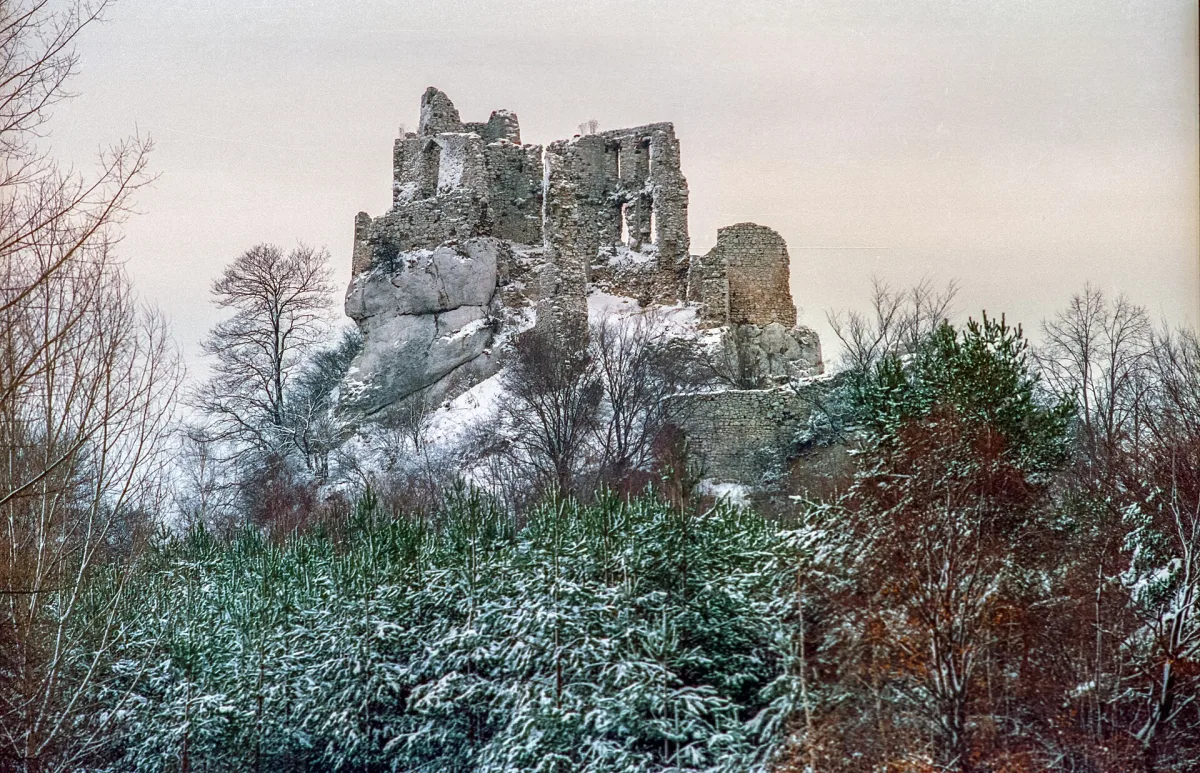
When he began his life as a brigand, the sources say differently. According to Polish sources, researchers believe it happened in 1709 at the latest, because that was when his younger brother Jan became village head of Janowice, although the office usually went to the firstborn. According to Czech sources, around 1695 he joined the army, which he left around 1709, and that he turned to brigandage in 1711, joining robbers who had come to the Frýdek region from Hungary. He operated around Łysa Góra, on the border of Cieszyn Silesia and Moravia.
Death in Świadnów
He died on 1 April 1715 in an inn in Świadnów (Czech Sviadnov), killed by a member of his own band, Juraszek. The details differ depending on the source. Polish sources write of a blow with the blunt side of a ciupaga (highlander's axe) and of a reward of a hundred florins set by the authorities of the Frýdek estate for his head. Czech sources speak of a wound from a valaška and suggests jealousy as the reason, and as for the reward it claims that Juraszek did not receive a hundred ducats, only a plot of land. Ondraszek's body was quartered in Frýdek to deter imitators.
Juraszek's fate is also described differently. The Polish version: after arriving in Cieszyn he was captured, thrown into the dungeons and tortured, from which he died. The Czech version: he continued as a brigand, was caught and hanged on 17 April 1717, and his companions were sent to the galleys in Rijeka. Both versions agree only that the traitor did not come to a good end.
The legend: defender of the poor
In folk tradition Ondraszek became a defender of the peasants and an enemy of the nobles. Legends ascribe supernatural abilities to him, among them invulnerability: he could be killed only by his own weapon. Czech sources note that documents, such as the interrogations of band members and records of thefts, show something different: the brigands took from the rich and the poor alike, without distinction. The image of the noble brigand is therefore a later addition.
One of the legends concerns the settlement of Młyńczyska. According to the story published by the GreenFilmTourism project prepared by ARR S.A., Ondraszek was returning from an expedition to Silesia, crossed the Vistula at Zabrzeg and decided to found a new settlement at the mouth of the Iłownica into the Vistula. The brigands were supposed to set out from there to the manor houses, and to give part of the loot to the village poor. After Juraszek's betrayal the band dispersed and a flood washed the settlement away, so only a legend was left of the mill. In this version Juraszek is executed in 1715, which contradicts the historical sources. It is a good example of how legend shifts facts.
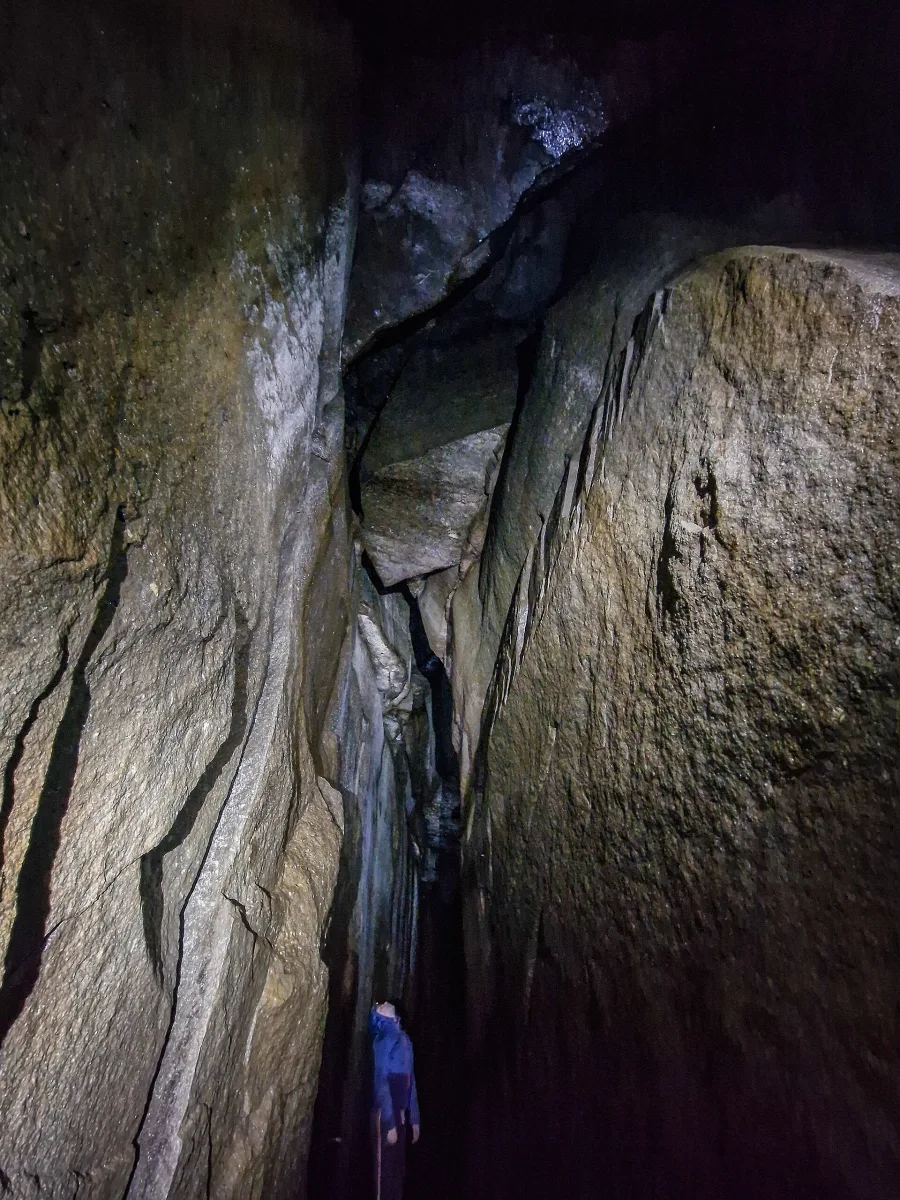
Equally unconfirmed are the stories of Ondraszek hiding in the Malinowska Cave. The description of this place speaks of a tradition according to which Hussites, persecuted Protestants and the brigand Ondraszek hid there, and the sources of these legends do not confirm them.
Ondraszek in culture
His story has been described many times in literature. Novels about him were written by František Sláma (1891), Józef Zaleski (1913-1914, in the Dziennik Cieszyński), Adolf Fierla (1931) and Gustaw Morcinek (1953). He often appears in the poems of Petr Bezruč, and narrative poems about him were written by the priest Emanuel Grim. The most famous song about the brigand is the one from the repertoire of the “Śląsk” Song and Dance Ensemble. The writer Erwin Goj took his pseudonym Ondra Łysohorsky from his name. On the Czech side Ondraszek is associated with the Lachian men's dance “Ondrášův skok”, with Václav Kašlík's opera “Zbojnická balada” (1939) and Ilja Hurník's ballet (1950), and his home village of Janowice organises the folklore festival Ondrášovské slavnosti.
Be the first! Add a comment.
You need to log in to add a comment.
Log in