
A Christmas Eve table where Silesia has dishes of its own
The set of Christmas Eve dishes differs in Poland from region to region. By custom the table should hold all the fruits of the earth, there should be twelve dishes and each must be tasted, which according to tradition brings luck for the whole year. Among the Christmas Eve dishes are beetroot soup with small dumplings, fish, cabbage with peas and pierogi, while in Upper Silesia the Christmas Eve dishes are moczka and makówki (poppy seed dishes).
Two Silesian specialities are especially strongly associated with Christmas Eve. One is sweet and spicy-scented, the other is a soup made from hemp seeds, which few people know today. Both are also covered in guides to regional cuisine: the Culture.pl portal calls siemieniotka and moczka purely regional dishes that sound rather exotic to the rest of the Poles.
Moczka, or bryja
Moczka, also called bryja, is a Silesian dish prepared at Christmas. Its base is a special kind of gingerbread, to which almonds, raisins, dried plums, apricots, pears, figs and dates, and hazelnuts are added. Everything is soaked in a large amount of dark beer, which gave the dish its name (from the Polish “moczyć”, to soak). In the past a vegetable stock or a broth made from carp heads was used instead of beer.
The recipe changed over time. Today moczka is found without beer, with compote or fresh fruit, so that it is simply sweet. In different parts of Silesia recipes differ in their additions, but gingerbread remains the base. Moczka is eaten warm, and when reheating it can be thinned with dark beer.
A less well-known custom among Upper Silesian traditions was that gingerbread from one holiday was stored until the next and used as the base for moczka.
Siemieniotka: hemp soup
Siemieniotka, also known as konopionka, siemieniec, siemianka or konopianka, is a soup made from hemp seeds, in Polish “siemię”. It was traditionally eaten on Christmas Eve in Silesia, Lesser Poland and Greater Poland. In Silesia each housewife usually had her own recipe, slightly different from the neighbours'. The soup was served with buckwheat groats cooked until crumbly, which in Silesia were called “tatarczana” or “pogańska”, or with croutons.
Beliefs grew up around the dish. According to folk accounts, siemieniotka had healing power and was regarded as a remedy protecting against scabies and ulcers. This is a description of old beliefs, not health advice.
Carp from Bestwina
On Christmas Eve tables across Poland the most traditional fish is carp, fried or in aspic. In Silesia it has a well-known address: Bestwina near Bielsko-Biała and the surrounding ponds. The Bestwina royal carp was entered on 17 June 2014 on the List of Traditional Products, in the fishery products category. According to the ministry's card, it is a fish of the mirror carp variety, with a small head and a fleshy, well-muscled body, usually weighing from 1.2 to 3 kilograms.
The same card recalls that fish farming in Bestwina has developed since the 16th century. In 1868 the master fisherman Tomasz Dubisch introduced a system of moving fry to successive ponds, which shortened the rearing cycle to three years. His pupil Adolf Gasch bred a variety with a small head and a fleshy body. According to the card, it won a gold medal at an agricultural exhibition in Berlin in 1880 and gained the name Galician or royal carp. The methods of rearing in earthen ponds have not changed significantly since then and are used on farms around Bestwina, Czechowice-Dziedzice, Jasienica, Jaworze and Wilamowice.
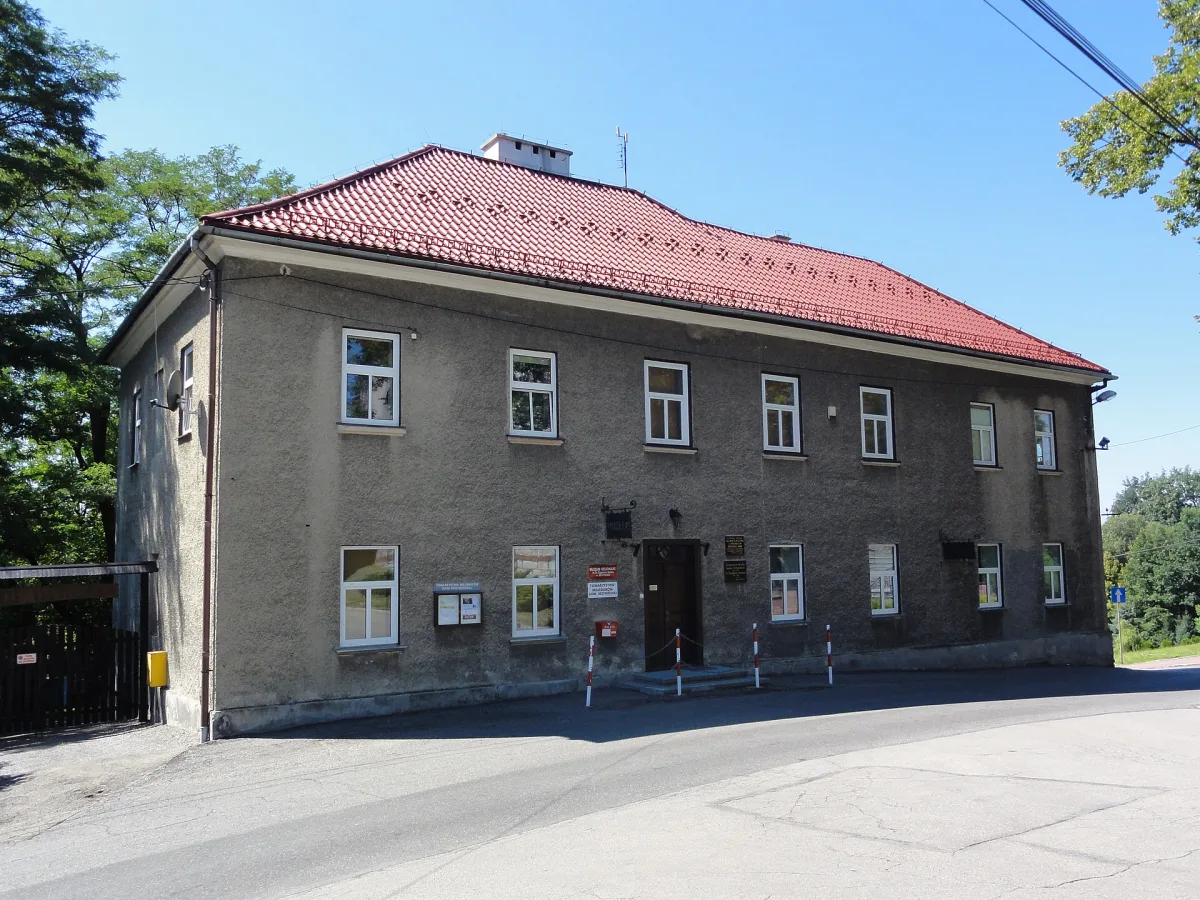
In Bestwina itself you can round out your knowledge of local life at the Regional Museum, a municipal museum with a coach house, carriages and farm tools.
How to read this
The sources agree in stressing that every housewife had her own recipe, and that recipes differ depending on the part of Silesia. So the descriptions of these dishes are best treated as a starting point, not as the one binding version. Moczka, siemieniotka and the Bestwina carp show that the festive table here combined the sweetness of gingerbread, grain and seeds from the fields, and fish from local ponds.
Be the first! Add a comment.
You need to log in to add a comment.
Log in