
Wodzionka: bread, garlic, fat and boiling water
Wodzionka, also called wodzianka, is one of the simplest soups known to Silesian cuisine. According to a definition from a culinary lexicon, it is made from stale bread cut into cubes and covered with boiling water, with garlic crushed with salt and fat, preferably lard with crackling. The Great Dictionary of the Polish Language of the Polish Academy of Sciences notes that the name “wodzionka” is colloquial and is often used by people who want to stress the Silesian origin of the dish.
The soup had many names in Silesia. It was called, among others, “sznelka” (from the German schnell, meaning quick), “kura górnicza” (miners' hen) and “brotzupa”. In the description for the Opole voivodeship, entered on the list of traditional products, there also appear bread soup, “zupa chlebowa” and germuszka, that is warmuszka or bermuszka. Among the ironic names of dishes made of few and unvaried ingredients are “chuda Jewa” and “kura górnicza”, and of kurzina it was said that “the hen ran away, and the kurzina was left”.
A symbol of thrift, but not only of the poor
The popularity of wodzionka is linked to the principle of not throwing away stale bread. In the 19th and early 20th centuries it was regarded as a synonym of Silesian poverty, and the description in the register of traditional products adds that it was sometimes the only breakfast dish, and at times the only dish of the whole day. The same register notes, however, that it was eaten at different times of year, week and day, for breakfast, dinner or supper, in both working-class and peasant families, poor and better-off.
Wodzionka was most often eaten in late autumn and winter, when cows gave less milk. It was also a Lenten dish. To dress it, beef tallow, lard, butter or freshly rendered bacon fat was used, and some added cream. When a child was ill with a sore throat, a bread roll was put in the bowl instead of bread, so that the soup would be gentler and easier to swallow. There is also a tradition that the mother of a newborn child should eat 99 wodzionkas within six weeks. The register presents this as a recommendation derived from beliefs, not as a documented custom.
On two lists of traditional products
Wodzionka appears twice on the list of traditional products of the Ministry of Agriculture and Rural Development. The entry “Wodzionka” for the Opole voivodeship dates from 6 February 2007, and “Wodzionka / wodzianka” for the Silesian Voivodeship from 15 February 2007. For the Silesian version the ministry describes the dish as a soup of cubed bread, garlic and lard or butter, with a taste of bread and garlic. The Opole version notes that today a Maggi-type seasoning is sometimes added to the soup. The list itself and other Silesian entries are covered in a separate text; here it is enough to say that the soup is among the oldest everyday dishes on it.
Bread soups were in fact known outside Silesia too. In Central Poland the equivalent was kapłonek, as well as “rosół na siekierze” (axe broth) or “gapi rosołek”. This is an example of a soup made of the cheapest and most easily available ingredients.
Żur: a sourdough that fed people through the whole fast
The second soup of the poor table was żur. The name derives from an old German word meaning sour. It became established in Polish lands in the 15th century, and soups made from sourdough were known as early as the 13th century. The word “żur” denotes both the sourdough and the soup.
In the description of Silesian żur, the ministry quotes Marek Szołtysek's book “Kuchnia śląska” (Silesian Cuisine): in times of want it was eaten in Silesia two or three times a day, and at home there was a special pot called a żurok, in which the żur was constantly fermenting. The product “Żur śląski” was entered on the list on 21 August 2006. According to the description it is a sourdough made with rye bran, slightly sour, with a distinct aroma of garlic, and from it one can prepare a Lenten żur, a “married” żur or a żur with mashed potatoes. The last of these, with sausage, bacon and a ring of mashed potatoes, was entered separately on 28 September 2006. The description says that life in Silesia was not rich, and the family's food had to come from what was raised in the pigsty and grown in the field.
The version from Siewierz, entered on 20 November 2007, is cooked on goose and has a sweet-and-sour taste with garlic. The ministry recalls that once the starter had to be fermented at home, whereas today it is easily available, so żur is eaten as willingly as before. Traditional Silesian dishes such as moczka or kluski are described in separate texts.
Where to see the world of bread
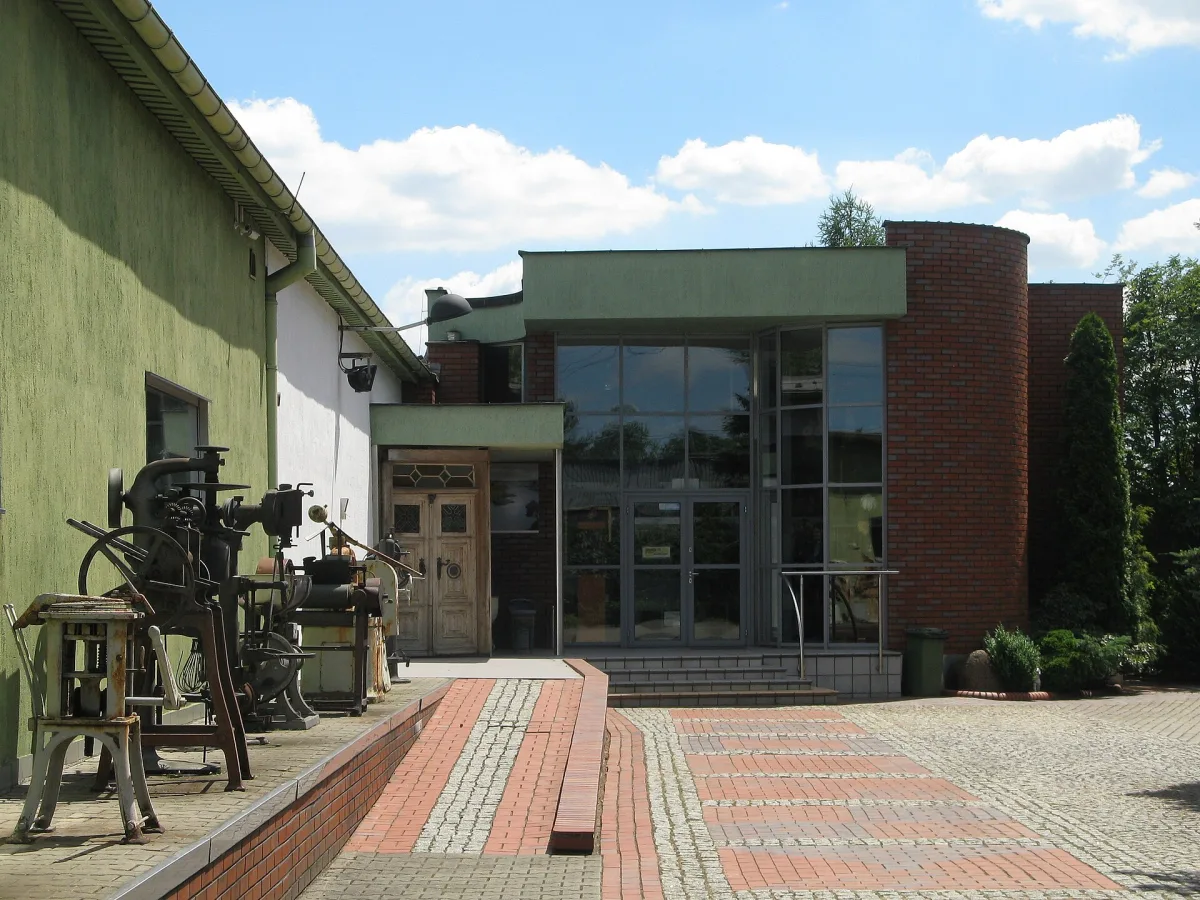
You can get to know bread in the leading role at the Bread Museum in Radzionków, a private venue with bakery machines and tools, where visitors can shape and bake bread themselves.
Be the first! Add a comment.
You need to log in to add a comment.
Log in