
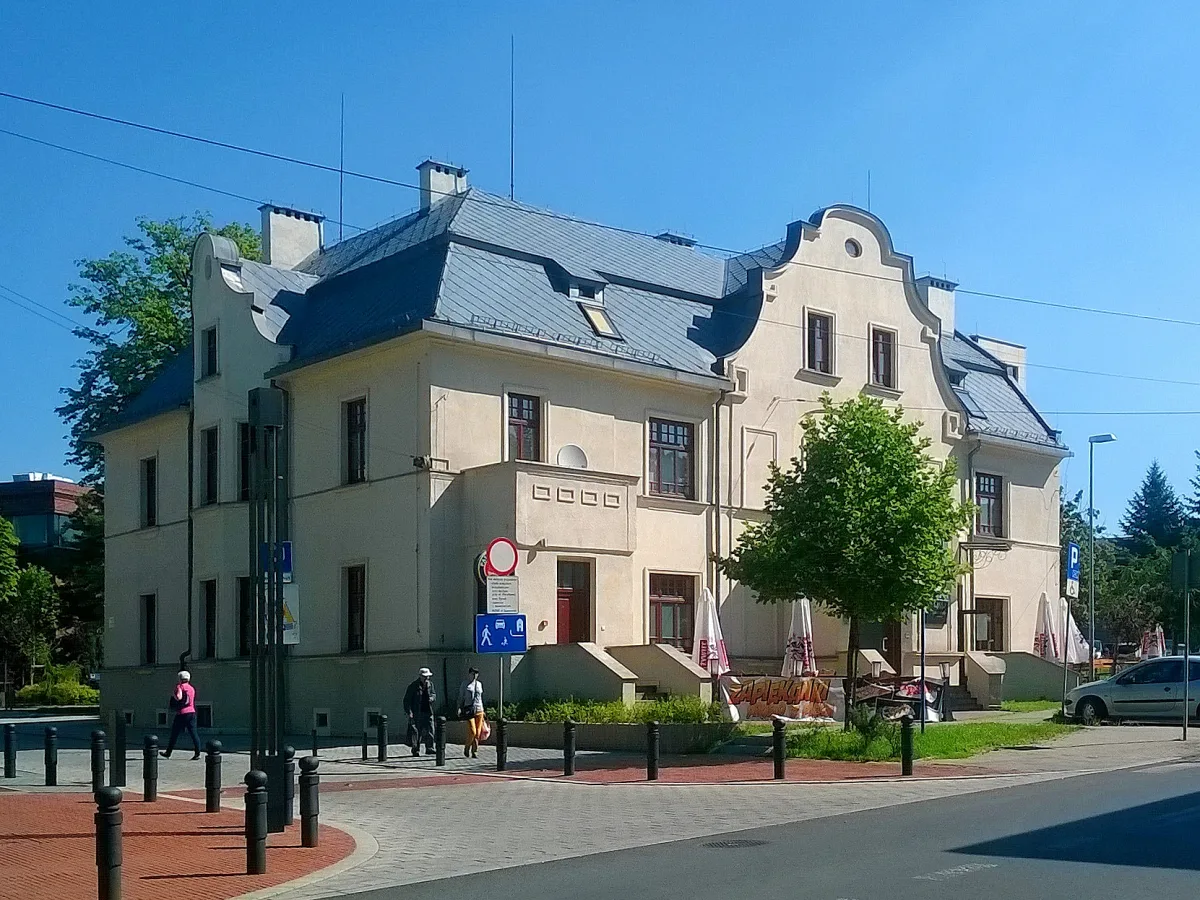
Neu-Dachs: the German subcamp in 1943-1945
Before the war the site in Jaworzno belonged to the Jaworzno Mines. In June 1943 the Germans set up a subcamp of the German Auschwitz-Birkenau concentration camp here, called Neu-Dachs. The first transport, about a hundred prisoners from Auschwitz, arrived on 15 June 1943, and the camp bore its official name from 30 June. It was established for the company Energieversorgung Oberschlesien, which was building a power station and expanding the mines. In October 1943 the camp held about 2,800 prisoners, and in January 1945 about 3,660. The camp covered about 6 hectares and had 14 wooden barracks.
The prisoners first expanded the camp, then worked in the mines and on the construction of the power station. Output reached 12,000 tonnes of coal a month, and prisoners made up about 60 per cent of the workforce of those mines. Work went on in three shifts, including Sundays and holidays. In January 1945 one of the longest evacuations of prisoners took place: a column set off on foot towards the Gross-Rosen camp, a route of about 250 km. The evacuation marches are described in a separate text on death marches. About 400 prisoners unable to march were liberated by the Red Army on 19 January 1945.
The Central Labour Camp in 1945-1949
After the Germans, a camp with wooden barracks and brick buildings remained. The Central Labour Camp in Jaworzno began operating in February 1945, before the circular of the Ministry of Public Security of 6 April 1945 that formally established such camps. It was subordinate to the Voivodeship Office of Public Security in Kraków. Among the prisoners were Poles, including independence activists, Home Army soldiers and miners, as well as Germans and Silesians who had been entered on the Volksliste during the war. Some of the prisoners were transferred here from the Zgoda camp in Świętochłowice, which is covered by the entry Zgoda Camp.
According to a study from 2010, the numbers of prisoners on successive dates were as follows. In spring 1945, on 22 March, there were 1,911 people in the camp itself and 357 in the subcamps. At the beginning of 1946 the figures were 3,505 and 4,444 respectively, and in August 1947 5,430 and 8,519. In May 1947 the number in the camp and subcamps together was 14,254. By November 1948 it had fallen to 2,628 in the camp and 4,309 in the subcamps. According to a single press source, the total number of victims from 1945 to 1956 exceeds 6,000. The exact number of dead has therefore not been established. The number of those buried in the forest by the camp is also unknown.
Ukrainians and Lemkos in the camp
From May 1947 the camp received Ukrainians and Lemkos displaced under Operation Vistula (Akcja Wisła), whom the authorities suspected of collaborating with or sympathising with the Ukrainian underground. The basis was a decision of the Politburo of 23 April 1947. 3,873 people passed through this subcamp, including 2,781 Ukrainians, among them 823 women, 22 Greek Catholic clergy and 5 Orthodox clergy. There were 162 recorded deaths. The prisoners were employed, among other things, on the construction of the power station and on sewing clothing for the Ministry of Public Security. Physical and psychological violence was used against the inmates. From spring 1948 they were released gradually, and the subcamp was officially closed on 8 January 1949. The clergy were held until 15 February 1949, after which they were taken to the prison in Grudziądz.
The prosecutor's office of the Institute of National Remembrance twice discontinued the investigation into crimes committed against the Ukrainian civilian population in the camp.
The prison for juveniles and the closure in 1956
Sources define the boundaries of the successive stages differently. According to some sources the Central Labour Camp operated until February 1949, after which the Progressive Prison for Juveniles functioned, and that the camp was officially closed in 1956. According to others the transformation of the camp began in 1949 and was completed in 1951. According to historians, about 15,000 people passed through the prison, in which juveniles up to the age of 21 were held. Among the commandants was Salomon Morel, who had earlier also headed the Zgoda camp. The prisoners were employed in the mines of the Jaworzno Coal District and in plants on the camp grounds.
On 15 May 1955, after a guard shot one of the prisoners, a revolt broke out, described in the entry as the largest prison revolt in the Polish People's Republic. On 31 December 1955 the prison was dissolved in its existing form, and on 31 August 1956 it was finally closed. Former prisoners have been brought together since 1991 by the association “Jaworzniacy”, and since 1992 by a foundation of the same name.
Remembrance of the camp today
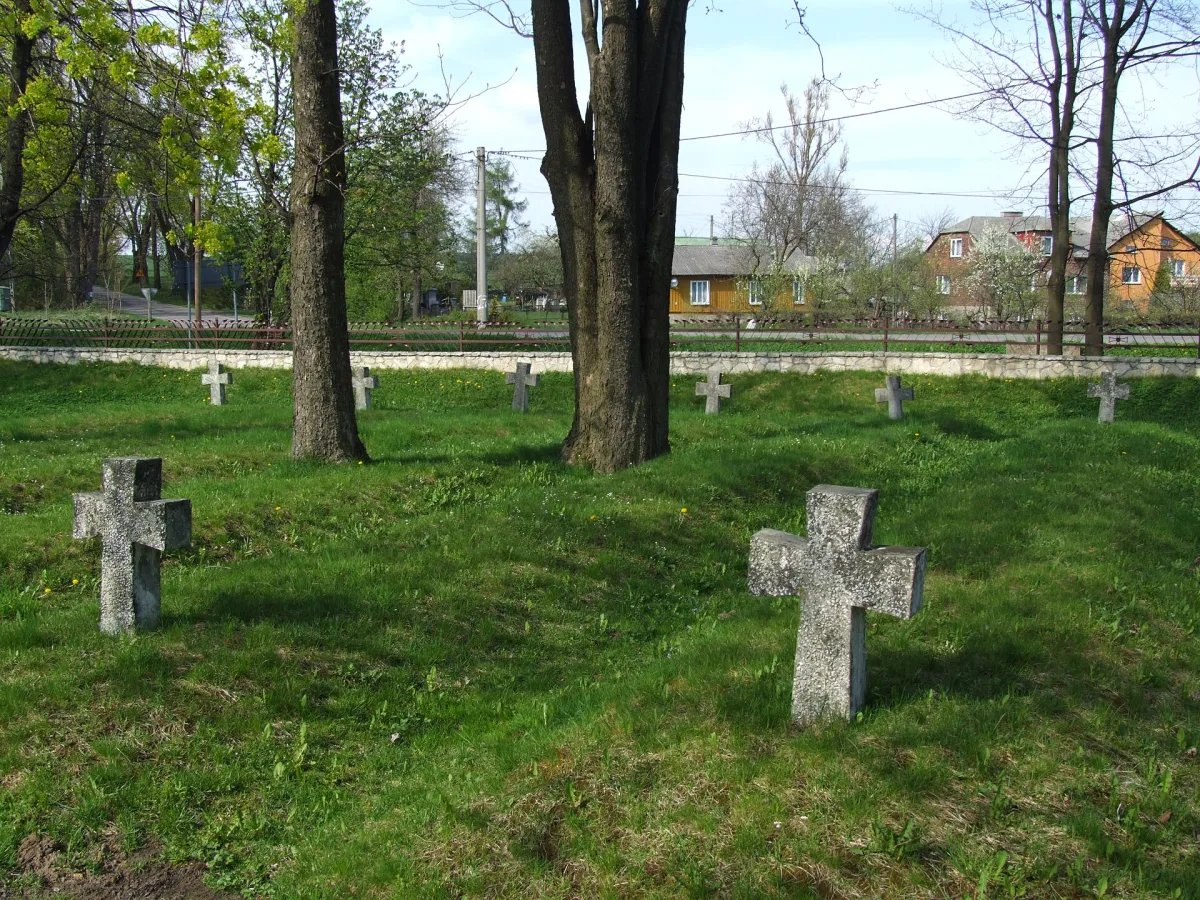
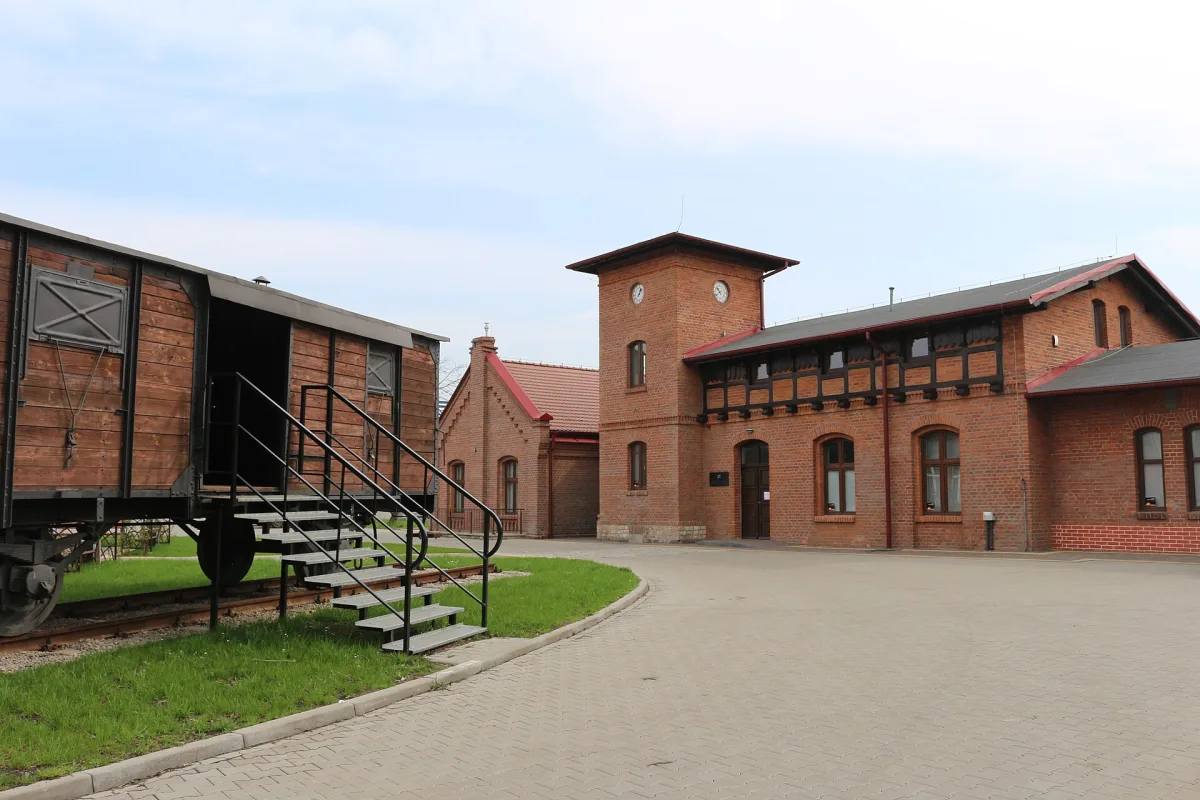
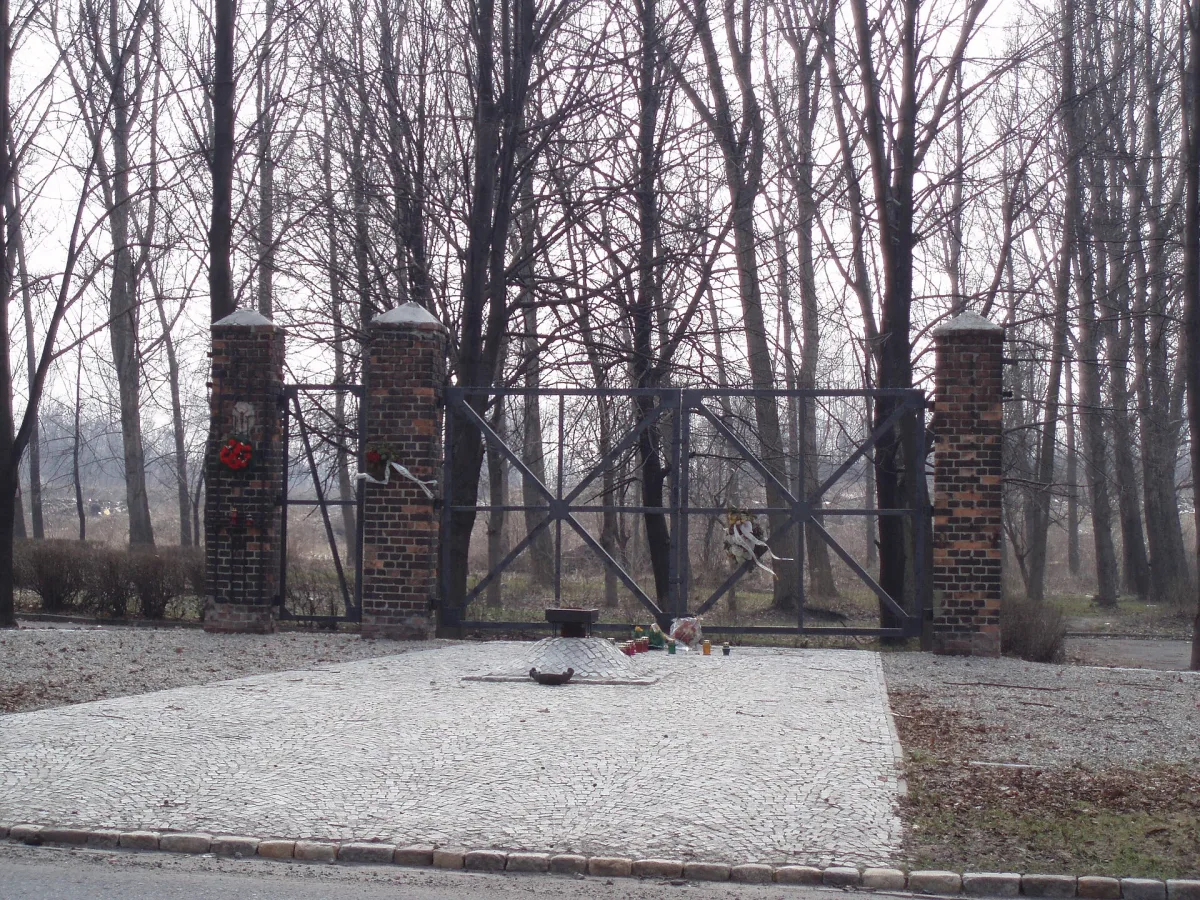
Dead prisoners were buried in the forest by the camp, between the Stałe and Podłęże estates. A monument was unveiled there in May 1998, in the presence of the presidents of Poland and Ukraine. The plinth carries three plaques, in Polish, Ukrainian and German, commemorating Poles, Ukrainians, Germans and other victims in the years 1945-1956. It is described in the entry Monument to the Prisoners of the Camp in Jaworzno. The history of the camp is the subject of a publication by the Jaworzno City Museum from 2007, “Obóz dwóch totalitaryzmów. Jaworzno 1943-1956” (“The Camp of Two Totalitarianisms. Jaworzno 1943-1956”). The museum is covered by the entry Jaworzno City Museum; the rules for visiting are given by the institution.
Be the first! Add a comment.
You need to log in to add a comment.
Log in