
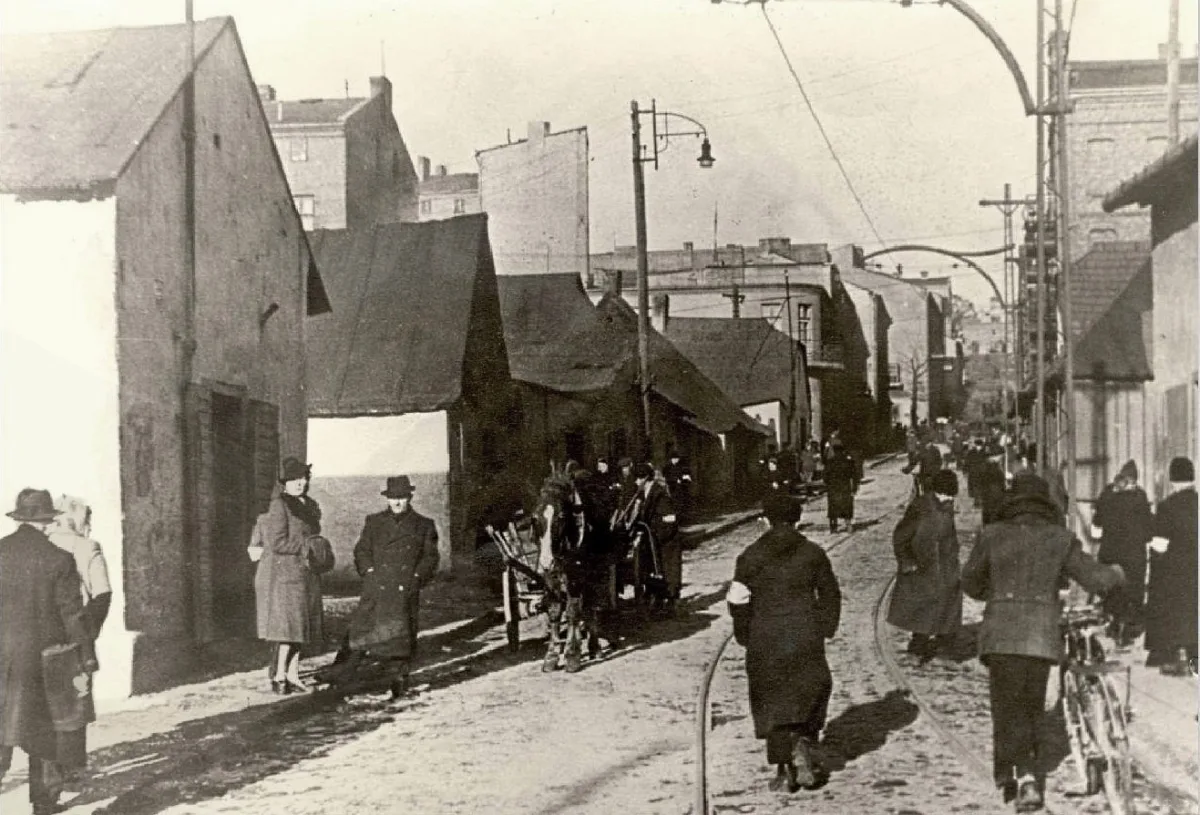
In August 1943 the Germans liquidated the ghettos in Będzin, Sosnowiec and Zawiercie, and most of their inhabitants were deported to the German Auschwitz-Birkenau camp. In Będzin and Sosnowiec, in the first days of August, young members of the Jewish Combat Organisation offered armed resistance.
The Jewish community of the Basin before the liquidation
According to the Institute of National Remembrance (the text is by Dr Aleksandra Namysło), until 1942 about 100 thousand Jews lived in Eastern Upper Silesia, especially in the Dąbrowa Basin, that is in Będzin, Sosnowiec and Dąbrowa Górnicza, and in the Chrzanów-Jaworzno Basin. A police census of December 1939 counted over 33 thousand Jews in Będzin alone, and over 45 thousand in the whole Będzin county, as reported by the Polish Press Agency. In Sosnowiec in 1939 about 30 thousand Jews lived, about 20 per cent of the town's inhabitants.
The occupation here began with the destruction of houses of prayer. On the night of 8 to 9 September 1939 the Germans set fire to the synagogue in Będzin, which is covered by the entry Synagogue in Będzin. The Great Synagogue in Sosnowiec was blown up on 9 September. According to the Polish Press Agency, Fr Mieczysław Zawadzki, then parish priest of the Holy Trinity parish in Będzin, saved several hundred Jews at that time by hiding them in the church garden; he was awarded the title of Righteous Among the Nations.
The Jewish communities of the Basin were supervised by Mojżesz Merin, chairman of the Central Office of Jewish Councils of Elders in Eastern Upper Silesia and head of the Judenrat in Sosnowiec. He was a controversial figure who believed that only cooperation with the Germans offered a chance of survival.
The ghetto in Będzin and Sosnowiec
The Germans created the ghetto in Będzin in May 1942. The large ghetto was in the Warpie district, the small one in Kamionka. The inhabitants worked in shops, that is craft and production workshops; the largest was run by Alfred Rosner, and about 8 thousand people worked in it. The ghetto had no wall. As Adam Szydłowski of the Rutka Laskier Foundation in Będzin said, it was marked by a white line, which made it easier to smuggle in food and news from the front. Szydłowski dates the relocation of about 27 thousand people to Warpie to the spring of 1943, so the dates of the ghetto's creation differ somewhat between the sources. More about the place is given in the entry Będzin Ghetto.
The first mass deportation from Będzin to Auschwitz covered about 1.6 thousand people. The Polish Press Agency gives the date 6 May 1942 in one text and 16 May in another. By mid-August 1942 about 2,400 people had been deported from the town, and on 12 August a selection was carried out on the pitch of the Hakoah club. According to the same agency, 18,670 people lived in the ghetto in May 1943.
The Jews of Sosnowiec were resettled to the Środula district at the end of 1942, and the creation of the ghetto was completed in March 1943. The area was not fenced off, but leaving it was punishable by death. Details are in the entry Ghetto in Sosnowiec - Środula. The two ghettos were neighbours.
August 1943 and the resistance
According to the IPN, four Jewish youth organisations operated in the Basin: Hashomer Hatzair, Hanoar Hatzioni, Dror and Gordonia, which together had more than 1.5 thousand members. Dr Namysło recalls that in June 1942 Mordechai Anielewicz visited Sosnowiec and Będzin, and the young people began to gather weapons and build bunkers. The liquidation of the ghettos in Będzin and Sosnowiec began on 1 August 1943. On the night of 2 to 3 August more than 20 fighters took up the struggle. Among those killed then were Frumka Płotnicka, Cwi Brandes and Józef Kożuch. This is commemorated by a plaque on the tenement at Podsiadły 24 in Będzin, placed in 1947 by surviving members of the resistance.
According to data from the Katowice IPN, from May 1942 to July 1944 more than 60 thousand Jews were deported from the whole Dąbrowa Basin to Auschwitz, more than half of them in August 1943. About 32 thousand people were transported from Sosnowiec and Będzin at that time, of whom about 80 per cent were murdered immediately. The last group from the Będzin ghetto, working on tidying up the district, was sent to Auschwitz in February 1944. Fewer than 900 people returned to their home town of Będzin after the war, as reported by the Polish Press Agency.
The ghetto in Zawiercie
Zawiercie had its own history. In 1938 Jews made up 17 per cent of the inhabitants here, that is 5,676 of 32,673 people. The ghetto, called by the Germans the residential district of a Jewish labour camp, was created in May 1941 on an area of about 10,400 square metres, in places fenced off with fences or walls. Jews from Kromołów, Poręba, Siewierz and Tarnowskie Góry were also brought there. On the night of 15 to 16 June 1942 deportations began; about 1,800 people were loaded into the wagons.
The complete liquidation began on 24 August 1943. On the night of 25 August a selection was carried out on the Market Square: 500 skilled workers were kept in the buildings of the former TAZ works, and 5,000 people were deported to Oświęcim. About 600 people remained, who were deported to camps in October 1943. About twelve people from Zawiercie survived the war. Traces of the former community are the Synagogue in Zawiercie and the Jewish cemetery in Zawiercie.
Survivors and those who helped
The IPN describes how, after the liquidation of the ghettos, youth activists, hidden in bunkers or on the Aryan side, organised a rescue operation for almost two thousand people who had been cleaning the ghettos and for several hundred workers of Rosner's shop. They were helped by the Kobylec family of Michałkowice, who from the autumn of 1943 to January 1944 gave shelter to about seventy people. From September 1943 to January 1944 about 85 people were led across the Slovak border on Pilsko. The Gestapo arrested the Kobylec family in January 1944. Rosner was awarded the title of Righteous Among the Nations in 1995, as reported by the IPN.
Places of remembrance in the Basin
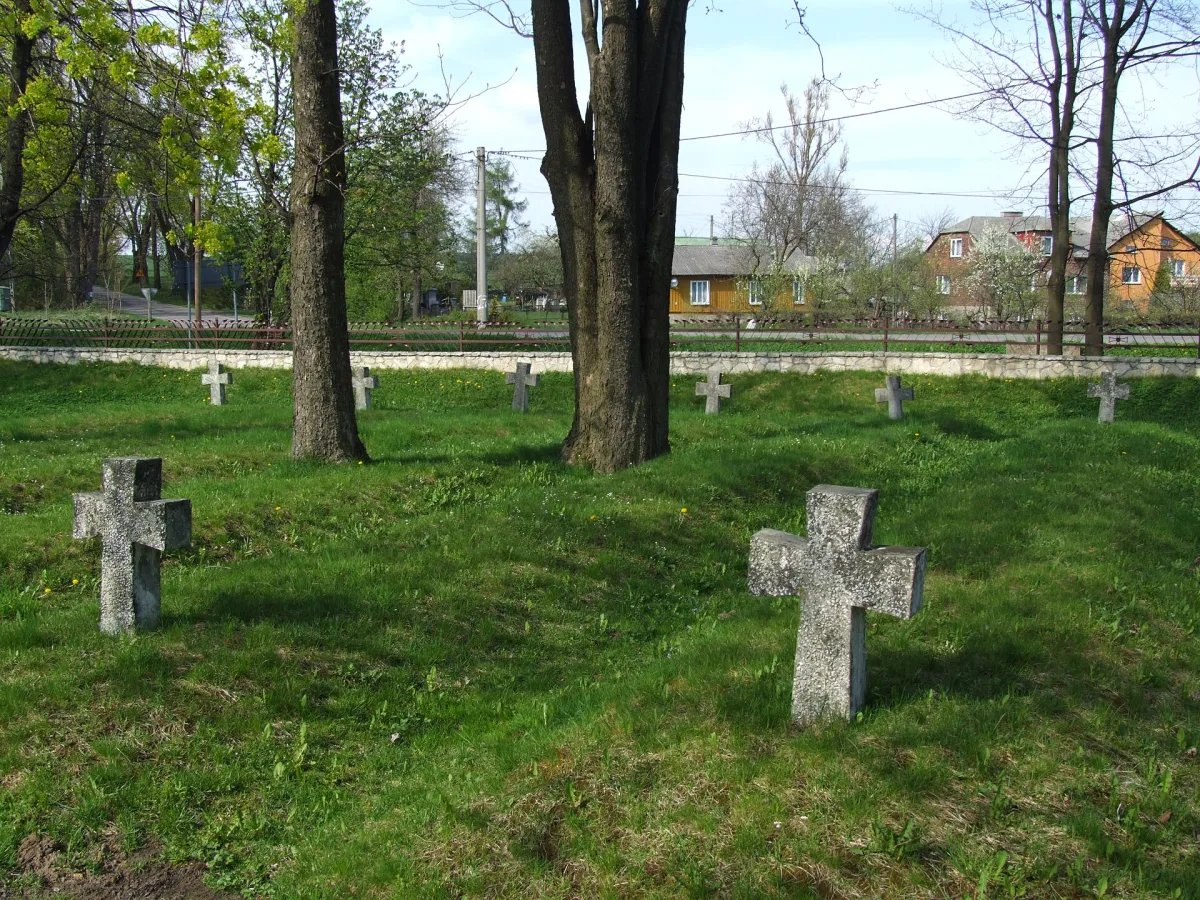
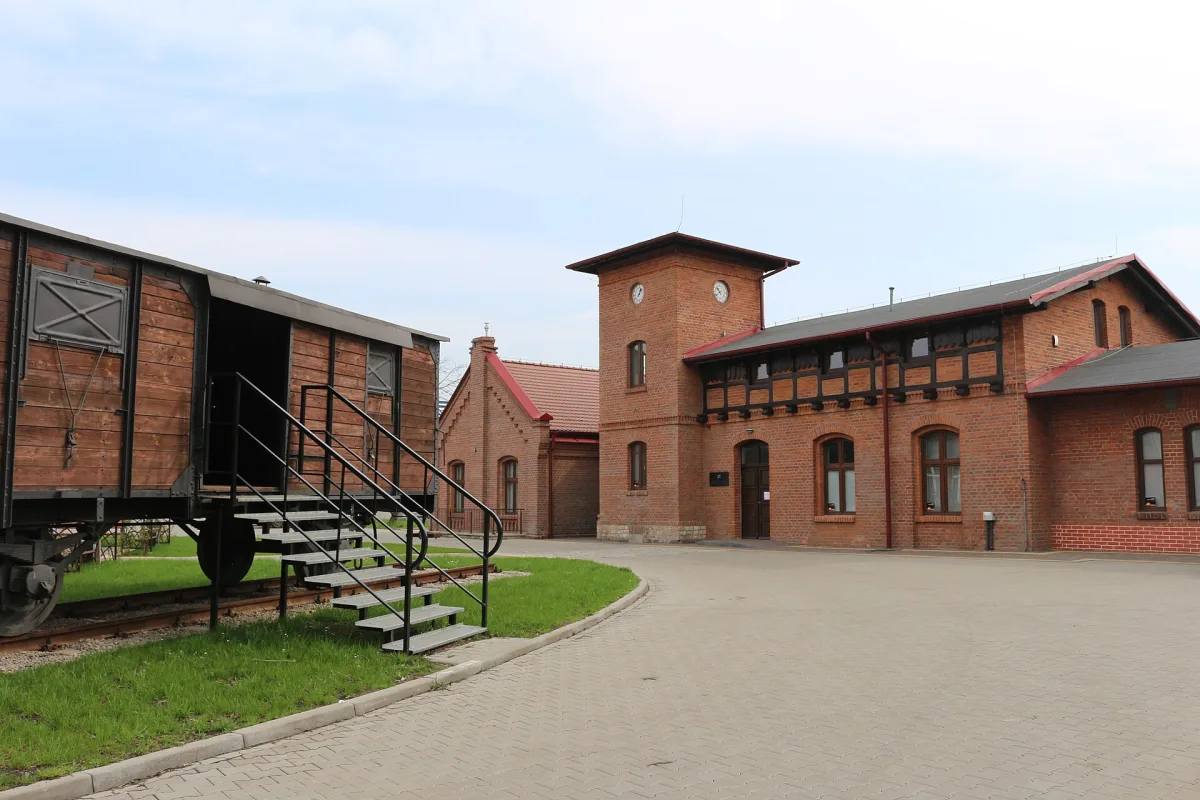
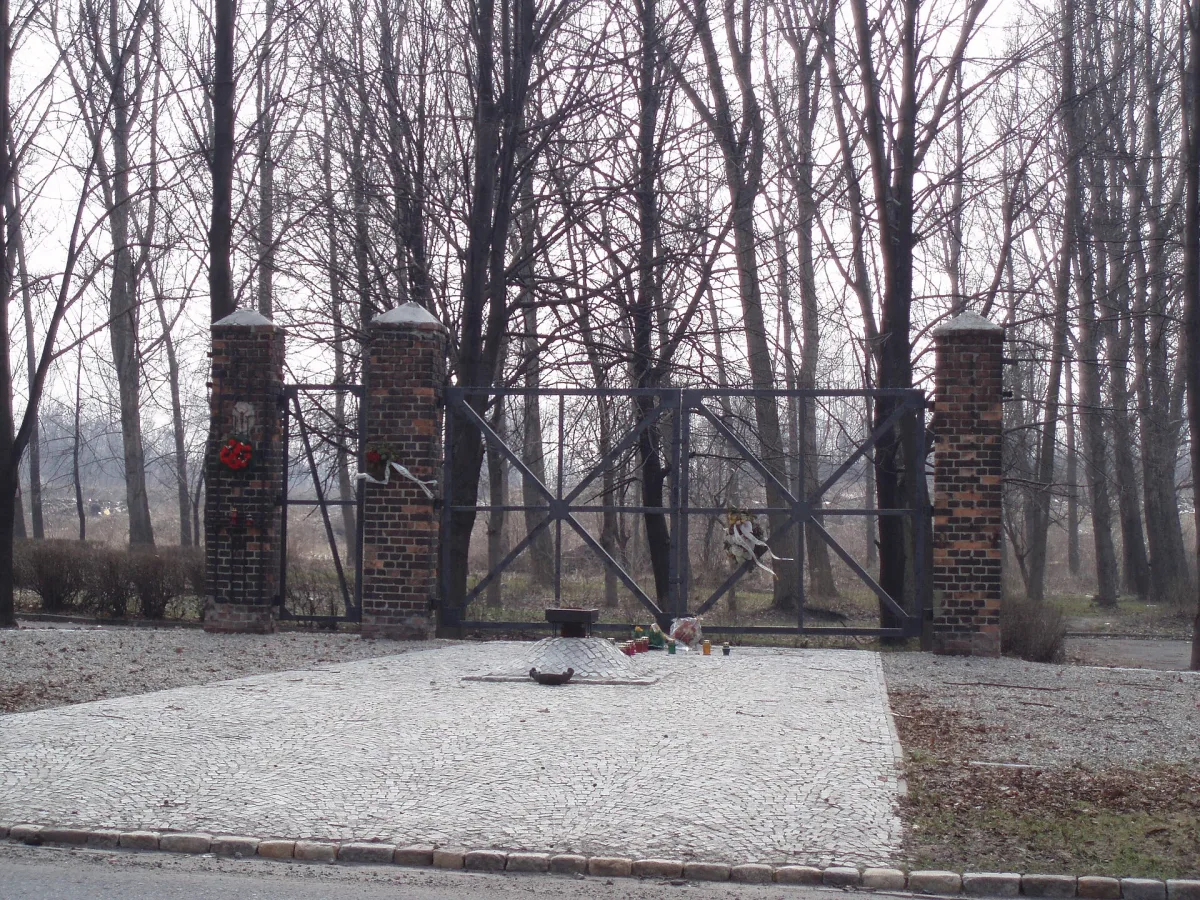
The community that no longer exists is recalled today by monuments and former houses of prayer. In Będzin there is a monument on the Ghetto Heroes Square. The Mizrachi Synagogue, described in the entry Mizrachi Synagogue in Będzin, belongs to the Basin Museum in Będzin. In Sosnowiec a monument on the Kożuch Brothers Square commemorates the victims of the ghetto in Środula, while the old Jewish cemetery in Sosnowiec and the Jewish cemetery in Dąbrowa Górnicza remain traces of the former communities. The rules for visiting these places are set by their managers.
Be the first! Add a comment.
You need to log in to add a comment.
Log in