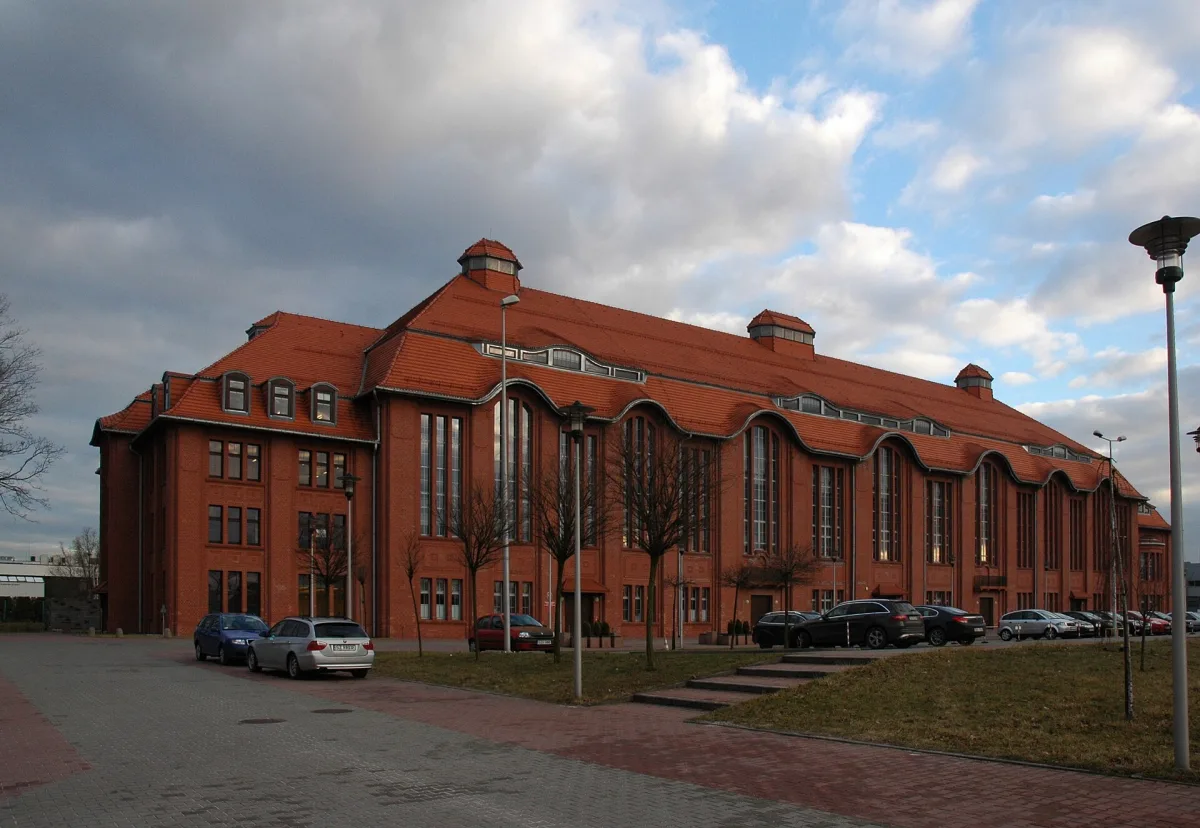
A branch of the Gliwice Museum with cast-iron and bronze castings, in the former engine house of the Gliwice mine on Bojkowska street.
The Department of Artistic Casting is a branch of the Gliwice Museum that displays cast-iron and bronze castings and tells the story of the Gliwice foundry. It is housed in Nowe Gliwice, in the former engine house of the Gliwice mine, at ul. Bojkowska 37.
The Royal Iron Foundry in Gliwice started up in 1796, when a coke-fired blast furnace was put into operation. At the end of the 18th century it was among the most modern production plants in Europe. Among other things, the first Iron Cross, a decoration for bravery on the battlefield instituted by the Prussian king Frederick William III, was made here.
The Gliwice Museum, which operated in 1905-1945 as the Oberschlesisches Museum in Gleiwitz, collected castings from this foundry from the start. Its collections grew after castings and models were transferred from the Gliwice Technical Equipment Works (GZUT), the successor of the former ironworks. In May 1991 a separate branch was opened in a hall on the grounds of these works, at ul. Robotnicza 2. The exhibition ran there until January 2010.
The present home is the engine house of the Gliwice hard coal mine, built in 1912-1914 together with the neighbouring lamp room and pay hall. It was designed by the German architects Emil and Georg Zillmann, who also designed the Giszowiec and Nikiszowiec housing estates in Katowice. The buildings of the former mine were revitalised in 2005-2008 and a Centre for Education and Business was created here as part of the “Nowe Gliwice” project. The branch lies on the Industrial Monuments Route of the Silesian Voivodeship.
The permanent exhibition in its present location was opened on 1 October 2010. It was designed by the Warsaw-based Studio Nizio Design International. The main part consists of four cube-shaped display cases whose form refers to metallurgical furnaces. The cases hold exhibits and multimedia presentations on the history of artistic casting in Gliwice and on the history of metallurgy and industry in Silesia. The earlier exhibition in the GZUT hall, after its extension in 2005, showed, among other things, cast-iron jewellery and plaster gems.
The branch is one of the museum's sites, which also include Villa Caro, the institution's main seat.
The same museum network also includes the Piast Castle and the Gliwice Radio Tower, so visiting several branches in one day is possible.

Be the first! Add a comment.
You need to log in to add a comment.
Log in