
When in the second half of the 18th century Upper Silesia entered the orbit of the Prussian economy, there was almost no industry here in today's sense. That changed within two decades, and the name that recurs at almost every important beginning is Friedrich Wilhelm von Reden. In Chorzów a hill still bears it, and in Tarnowskie Góry you can see the place where the first steam engine here began to work.
A mining official from Hameln
Reden was born on 23 March 1752 in Hameln, into a family with mining traditions. He owed his career, among others, to his uncle and patron Friedrich Anton von Heynitz, who from 1777 headed the Prussian Department of Mining and Metallurgy. In his youth he travelled widely in Europe, and in 1779 he became director of the Higher Mining Office in Wrocław.
Before turning to Upper Silesia, he reorganised mining in Lower Silesia. He probably brought the idea of transporting coal by boat from the Harz mountains. In 1786 he received the title of count from King Frederick William II, and a miner's helmet was added to his coat of arms. The date of the grant is given differently: according to some sources it was 15 October, according to others 14 January.
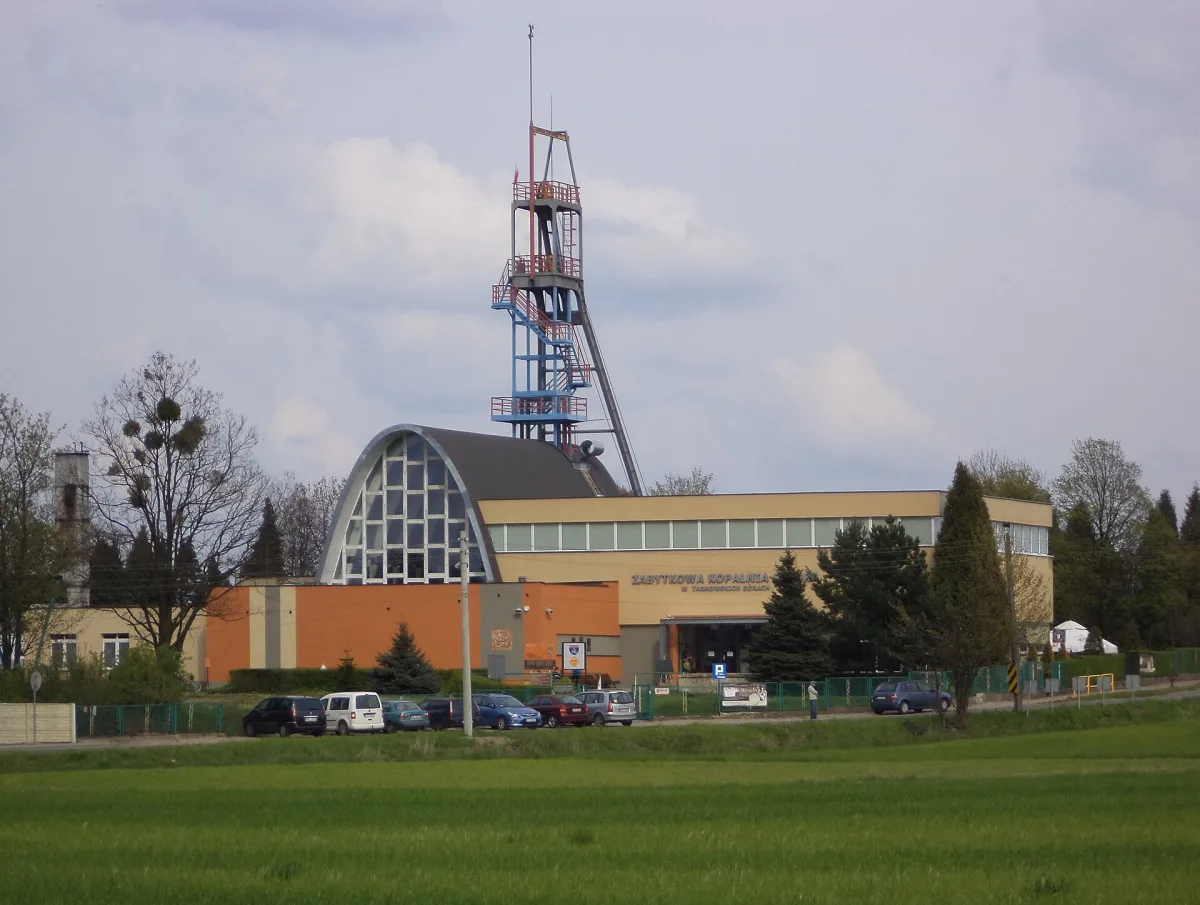
A steam engine in Tarnowskie Góry
The most dangerous enemy of the Tarnowskie Góry lead and silver mines was water. Groundwater flooded the galleries, and drainage by hand and by horse was expensive. Reden reached for a solution from England: a pump driven by a Newcomen-type steam engine, brought in 1787 and started at the beginning of 1788. The engine was shipped from Cardiff to Świnoujście, then up the Oder on three boats to Zdzieszowice, and from there by cart to the mine. It was installed at the Abraham shaft in the Royal Fryderyk Mine.
The dates and significance of this event differ in the sources. Some give the start-up as 19 January 1788 and speak of one of the first such engines on the continent. Others name 1787 or 17 January or 4 April 1788 and describe the engine as the first in Upper Silesia and the second on the European continent. It is therefore safer to say one of the first in Europe.
Further engines for the mine were cast in Gliwice, in 1790, 1794 or 1795, 1802 and 1804. To this day the operation of the first engine is shown by an installation in the education centre at the shaft head, and its underground route can be visited as the Silver Mine in Tarnowskie Góry. Next to it stands the open-air Steam Engine Skansen, where you can see what later steam technology looked like.
Gliwice: the coke blast furnace
The second breakthrough was metallurgy. Reden brought to Silesia the young Scottish engineer John Baildon, who in spring 1793, aged 21, came to Tarnowskie Góry. He was entrusted with supervising the construction of the Royal Iron Foundry in Gliwice. The blast furnace fired with coke built there is regarded as the first such structure on the European continent, and the first pig iron was obtained from it on 10 November 1796. Another source gives the same year, 1796, mentioning the first mineral-fuel furnaces in the royal ironworks in Gliwice and, a few years later, in Królewska Huta.
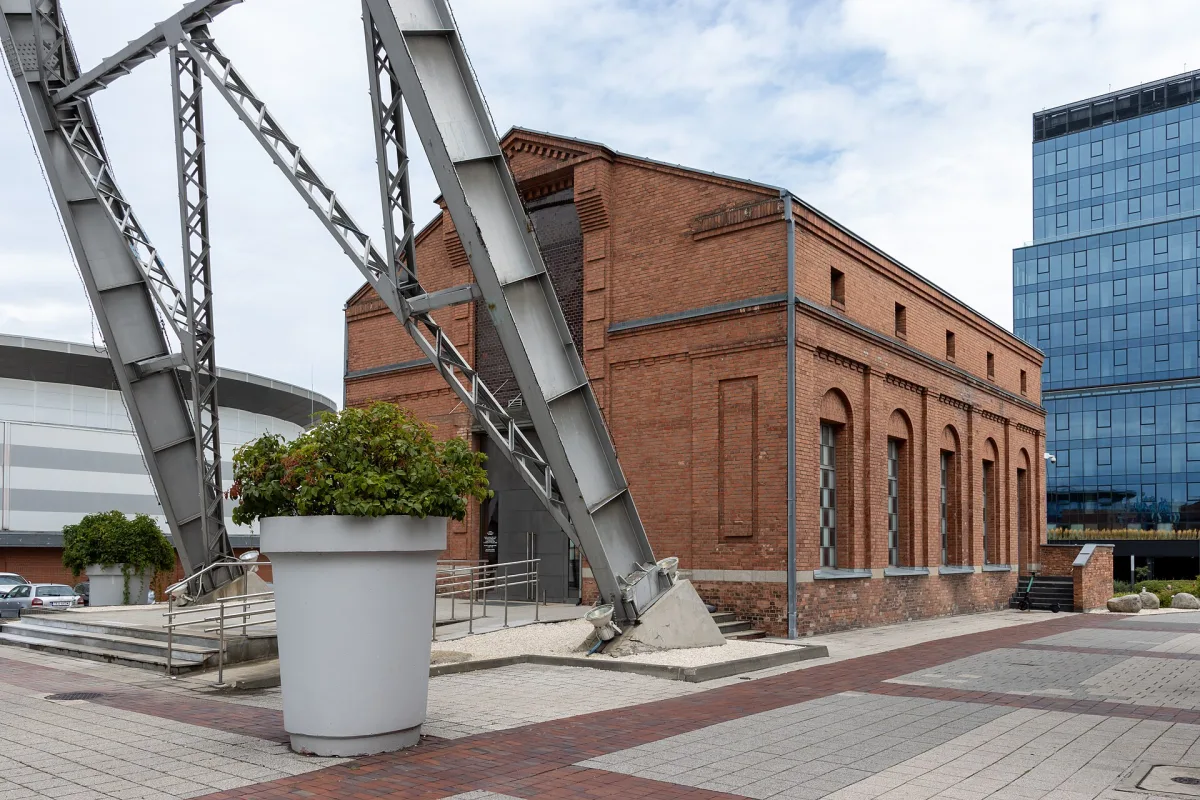
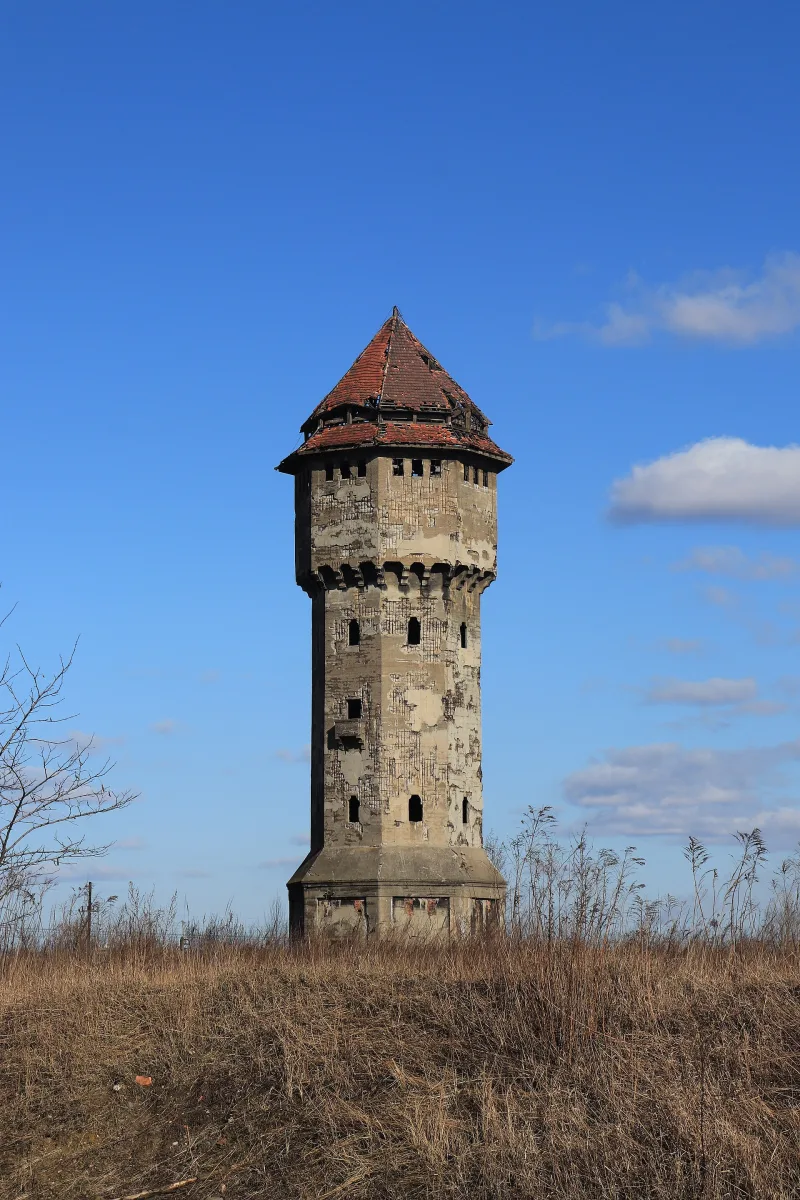
The foundry gave rise to a tradition of foundry work that lasted in Gliwice for over two centuries. Its heir is today's Gliwice Technical Equipment Works. It should not be confused with Huta Gliwice, a plant founded only in 1867, of which the water tower and the management building remain.
Coal and Królewska Huta
In 1790 the engineer Salomon Isaac, brought from Brabant, discovered deposits of hard coal in the area of Zabrze and Łagiewniki. State mines were then established, and together with the Prinz Karl von Hessen mine, later König, the Königshütte ironworks was built. It gave rise to the town of Królewska Huta, today's Chorzów. The ironworks started in 1802, and its further history is described in a separate article on Huta Królewska.
Reden also planned waterways for coal: a canal and the Main Key Hereditary Adit (Główna Kluczowa Sztolnia Dziedziczna), along which output from the mines in Zabrze and Królewska Huta would be carried to Gliwice. It was Baildon, together with Wedding, who in 1799 worked out, on the basis of Reden's idea, the technical designs and cost estimates for the ironworks in Królewska Huta.
The end of his career and the memory of Reden
After Heynitz's death in 1802, Reden headed the Department of Mining and Metallurgy, and from 1803 with the rank of minister. After the defeat of Prussia he swore an oath to Napoleon and remained in office, but after the Peace of Tilsit in 1807 he was dismissed without the right to a pension. He spent his last years on his estate in Bukowiec near Kowary, where he died on 3 July 1815. He was buried in a mausoleum on the estate.
In Chorzów a hill bore his name, today officially Wzgórze Wyzwolenia (Liberation Hill), but still called Reden's Hill by residents. Today the Góra Redena Park is located there. The monument to Reden, the work of the sculptor Theodor Erdmann Kalide, had a turbulent fate: it was destroyed in July 1939, recreated a year later and removed after the war. According to some sources the monument was erected in 1852, on the 50th anniversary of the first blast furnace, while the object's entry on the portal gives an unveiling date of 29 August 1853. The third version, a reconstruction by August Dyrda, was unveiled on 6 September 2002 in the Chorzów market square, not without protests from some groups. There stands the Monument to Friedrich Wilhelm von Reden: a figure in a miner's uniform with a map in one hand and a pickaxe in the other.
Be the first! Add a comment.
You need to log in to add a comment.
Log in