
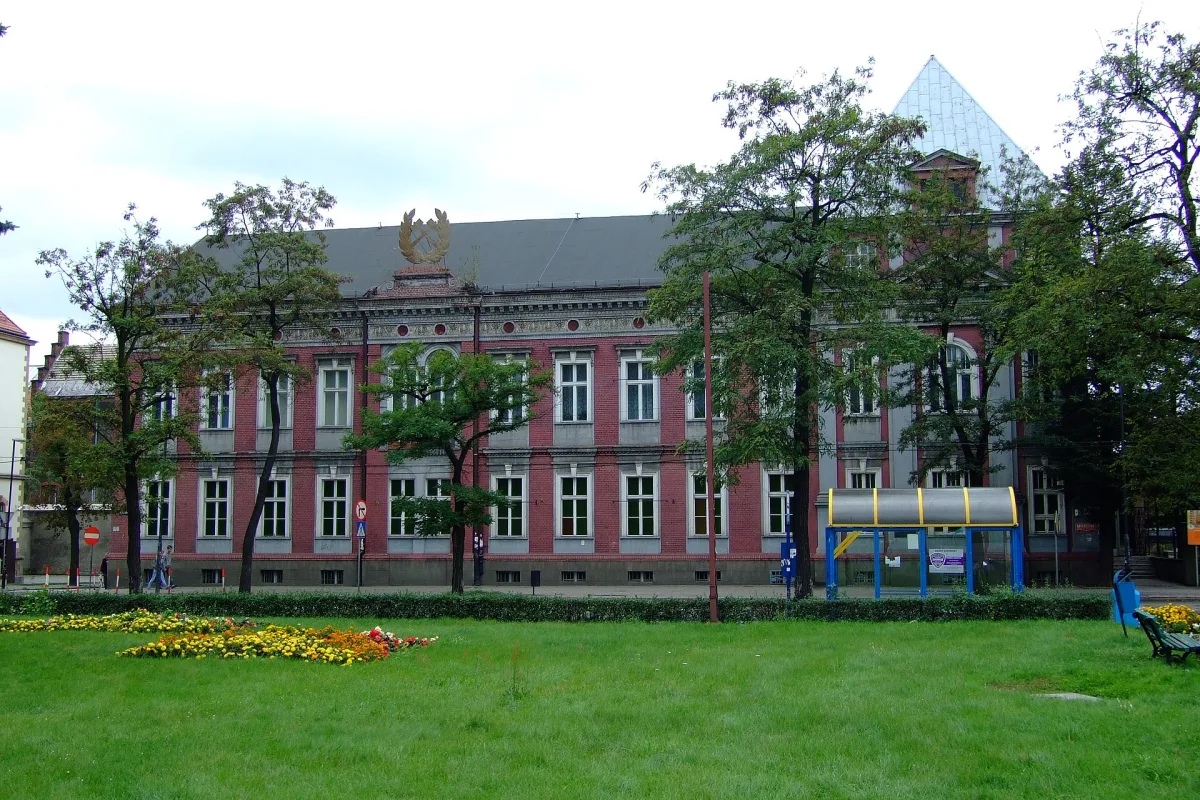
The Industrial Monuments Route of the Silesian Voivodeship is a car tourist route linking sites connected with the industrial heritage of the region: mining, metallurgy, energy, railways, communications, textiles, water production and the food industry. It begins in Częstochowa, leads through Katowice and Bielsko-Biała, and ends in Żywiec. Its route is about 470 km long. It is not one mine and not one museum, but a network of several dozen places scattered across the whole voivodeship, which can be visited in any order.
Where the idea of the route came from
The originator and first implementer of the project was the Industrial Heritage Promotion Section of the Marshal's Office of the Silesian Voivodeship, with the support of the Silesian Tourist Organisation and the Silesian Centre of Cultural Heritage in Katowice. The aim was simple: to make one recognisable tourist product out of the region's most interesting post-industrial sites.
Work on the route lasted from July 2004. During the first year 53 sites connected with the history of industry were checked in the field. Their tourist merits and historical and architectural value were assessed, and the selection was consulted with local authorities, the tourism industry and owners. A list of 29 sites was established by a resolution of the Board of the Silesian Voivodeship of 21 June 2005. The official opening of the route took place on 19 October 2006. It was held in Tychy, in the Museum of the Tychy Princely Breweries.
How the list changed
The route is not closed. After 2006 further sites were added: two in 2007, one in 2009, six in 2010. At the same time the list lost entries after audits. In 2010 the Silesian Porcelain factory in Bogucice and the railway station in Ruda Śląska-Chebzie dropped out. By a resolution of 6 December 2016 the route was extended by six sites, and three received the status of a site at risk. After an audit three sites were then removed from the list: the Szombierki combined heat and power plant in Bytom, the Royal Ironworks in Chorzów and the Kryształy glassworks in Zawiercie, and on 20 June 2017 the porcelain factory in Bogucice returned. In December 2022 the station in Chebzie returned to the route, now as Stacja Biblioteka, and the Museum of Metallurgy in Chorzów joined.
The number of sites therefore depends on the date. Some sources speak of forty sites, and as of 2023 the route included 42 sites in nearly 30 towns. Before a visit it is worth checking the current list on the route's website.
Since February 2020 the operator of the route has been the Coal Mining Museum in Zabrze. The agreement was signed in the Chain Bathhouse of the Queen Louise Adit.
Stars of Technology and the European network
On the route's list some sites are marked as Stars of Technology: they stand out for their historical and heritage value and the level of visitor service. They are:
- the Guido Mine in Zabrze,
- the Queen Louise Adit in Zabrze,
- the Maciej Shaft complex in Zabrze,
- the Silver Mine in Tarnowskie Góry in Tarnowskie Góry,
- the Tyskie Browarium in Tychy,
- the Żywiec Brewery Museum in Żywiec.
The entry for the Silver Mine speaks of four stars of the route, so this number depends on the moment at which the list is viewed.
On 13 January 2010 the route joined the European Route of Industrial Heritage, that is the ERIH network. It is one of the few routes from Central and Eastern Europe on this list, and one of thirteen European regional routes. The first main points of the network, the so-called anchor points, were Guido, the Tyskie Browarium and the brewery in Żywiec. Later the Queen Louise Adit joined, which makes Zabrze the first Polish city with two such points.
Awards and Industriada
The route quickly collected distinctions. In 2007 the Polish Tourist Organisation recognised it as the Best Tourist Product, in 2008 it received its Gold Certificate, and in 2010 a gold medal of the Poznań International Fair in the category of best tourist product.
Since 2010 Industriada, the Festival of the Industrial Monuments Route, has been held in June. At the sites on the route, and since 2013 also at so-called friendly sites, performances, concerts, shows, workshops and tours of the sites are organised. Since 2012 the editions have usually had a shared theme, for example light, energy or work. According to the organisers the programme covers several dozen sites in about 30 towns, but this is declarative data from the event's official website.
Sites on the route with entries in the portal
Below are the sites on the route, arranged by towns and surroundings. The Zabrze sites and the other Stars of Technology are described above. Each of those named below has its own entry in the portal.
Dąbrowa Basin, Częstochowa and the north
- Częstochowa: the Iron Ore Mining Museum, the Railway History Museum and the Match Production Museum.
- Dąbrowa Górnicza: the Sztygarka Municipal Museum, a former training mine.
- Czeladź: the Elektrownia Contemporary Art Gallery.
- Żarki: the Old Mill, that is the Museum of Old Crafts.
Katowice and surroundings
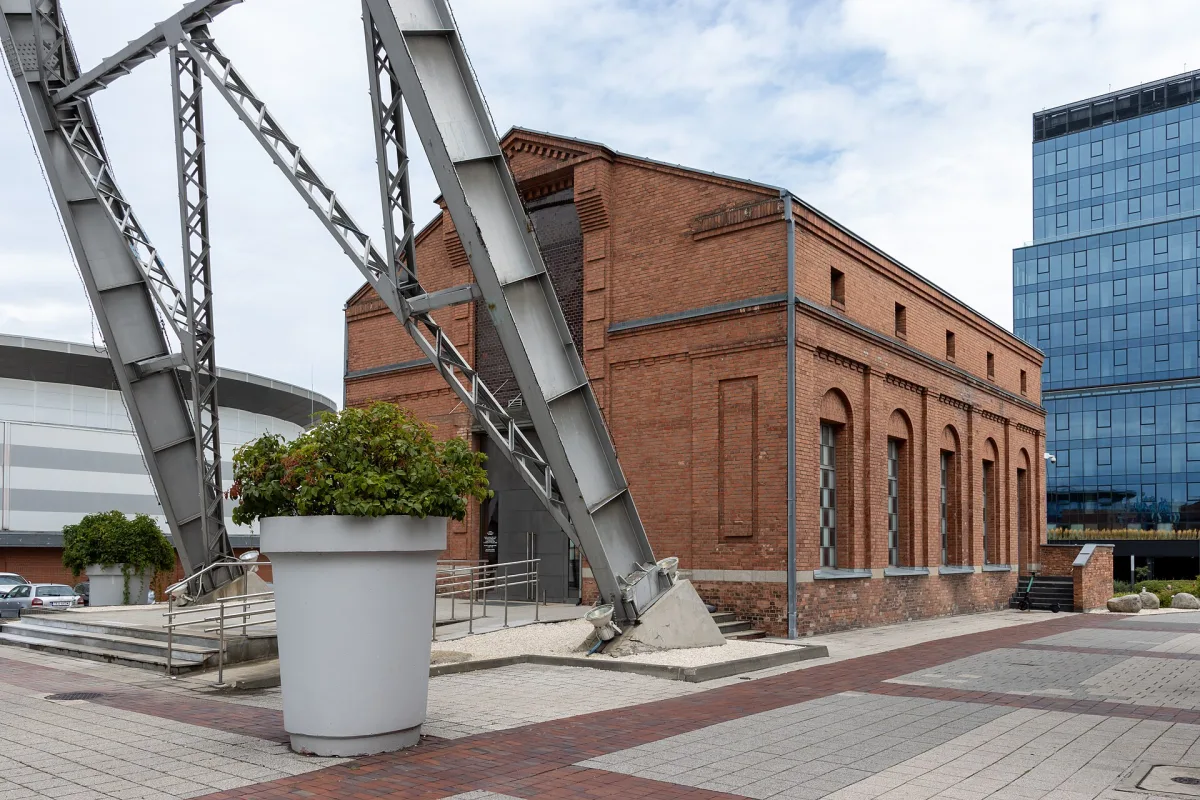
- Katowice: the Silesian Museum, the Wilson Shaft Gallery, the estates of Nikiszowiec and Giszowiec, and the Rolling Mill, Museum of Zinc Metallurgy in Szopienice.
- Chorzów: the Museum of Metallurgy and the Prezydent Shaft.
- Mysłowice: the Central Fire Service Museum.
- Ruda Śląska: the Ficinus workers' colony and Stacja Biblioteka.
- Radzionków: the Bread Museum.
Gliwice and Tarnowskie Góry
- Gliwice: the Radio Tower, the Museum of Sanitary Technology and the Department of Artistic Foundry.
- Tarnowskie Góry: the Black Trout Adit.
Rybnik, Pszczyna and the south
- Rybnik: the Ignacy Historic Mine.
- Rudy: the Historic Narrow-Gauge Railway Station.
- Łaziska Górne: the Energy Museum.
- Pszczyna: the Museum of the Silesian Press.
- Bielsko-Biała: the Old Factory.
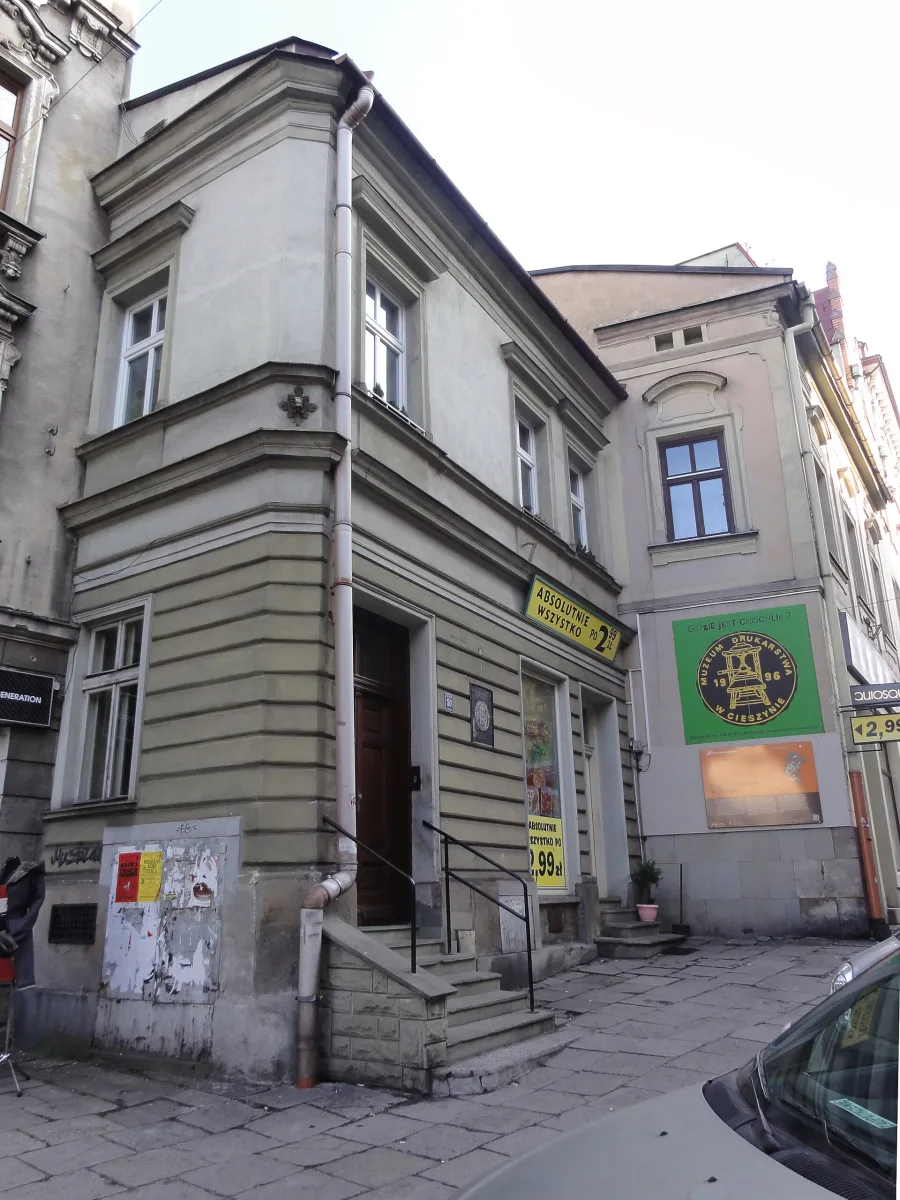
- Cieszyn: the Printing Museum.
- Ustroń: the Ustroń Museum.
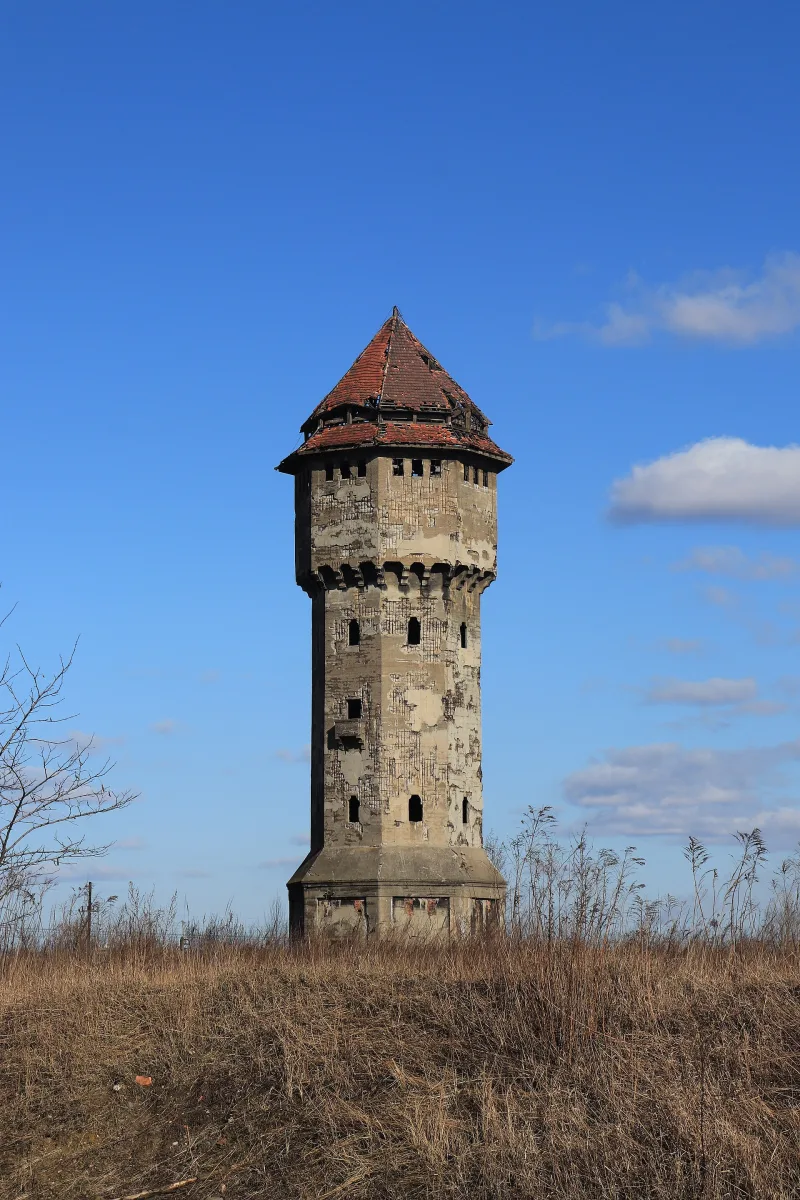
The list also includes sites that have no entry in the portal, among others the Upper Silesian Narrow-Gauge Railways in Bytom, the Castle Brewery in Cieszyn, the Citizens' Brewery in Tychy, the Water Station in Zawada and the familoki (workers' family houses) in Czerwionka-Leszczyny.
Be the first! Add a comment.
You need to log in to add a comment.
Log in