
When a mine stops extracting coal, its buildings face several paths: demolition, oblivion or a new occupation. In Upper Silesia and the Basin all three variants can be seen within a dozen or so kilometres. This text leads through former plants that are today a museum, a gallery, a culture centre or an underground route, and through those that are still waiting for an idea.
Czeladź: one mine, three institutions
The "Saturn" mine in Czeladź operated from 1887 to the end of 1997, and in 1950-1990 it was named "Czerwona Gwardia". At the end of the 19th century it was bought by a consortium of Łódź manufacturers who wanted to make their factories independent of the price of Upper Silesian coal. Today the site is part of the Industrial Monuments Route of the Silesian Voivodeship and shows how a single plant can split into several new functions.
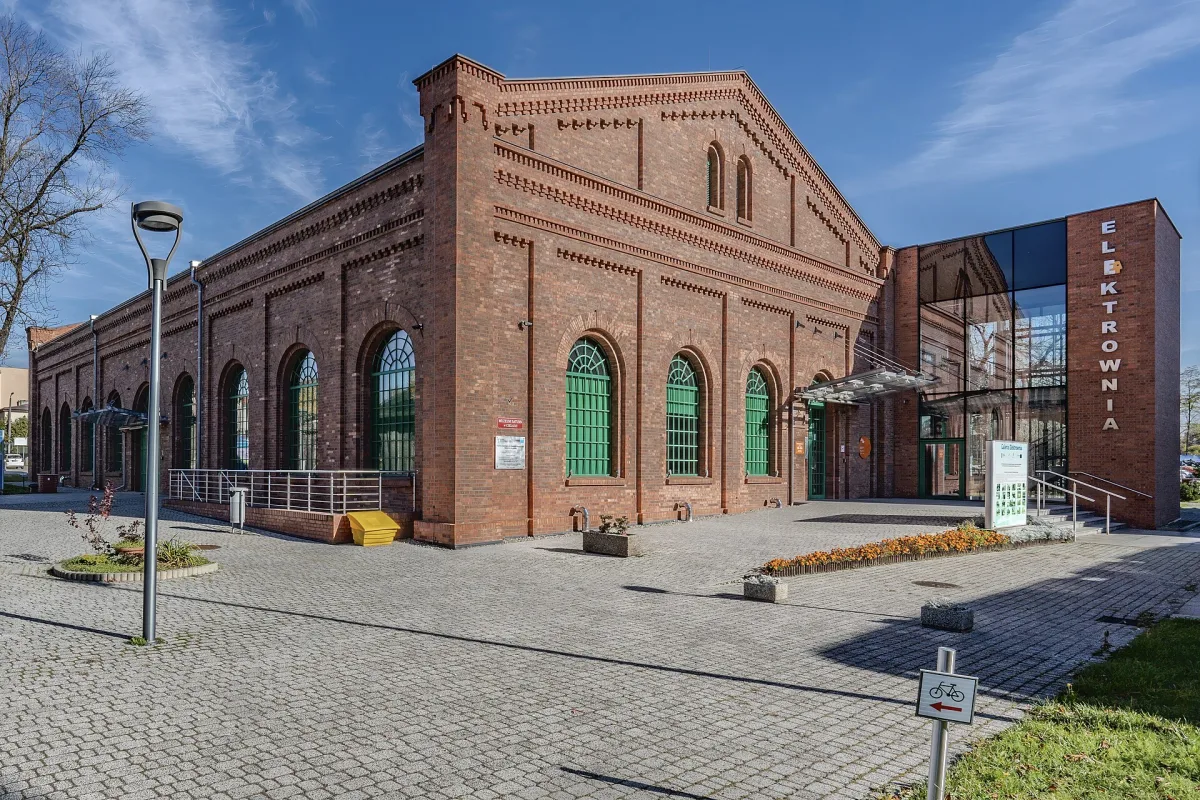
The best known is the Elektrownia Contemporary Art Gallery. The brick building of the former power station was built in 1902-1908 to a design by Józef Pius Dziekoński and has a tower in a Gothic style. Machines survive inside: the "Wanda" generator of 1903, made by the Swiss Oerlikon factory, a compressor, converters, a control desk and an eight-tonne crane. Besides exhibitions of contemporary art, the gallery thus also shows the interior of the former power station.
The second seat of the Saturn Museum in Czeladź is the former villa of the mine director, called the Palace under the Pillars. The museum continues the work of the Czeladź Tradition Room of 2003, and its exhibition "Górnicza Tożsamość Zagłębia" (The Mining Identity of the Basin) is housed in the lamp room. The lamp room of the Saturn mine itself is listed as a building intended, after renovation, to become a coal mining museum in the Basin. In the former administrative building, called the Saturn Palace, there is instead a hotel with a conference centre.
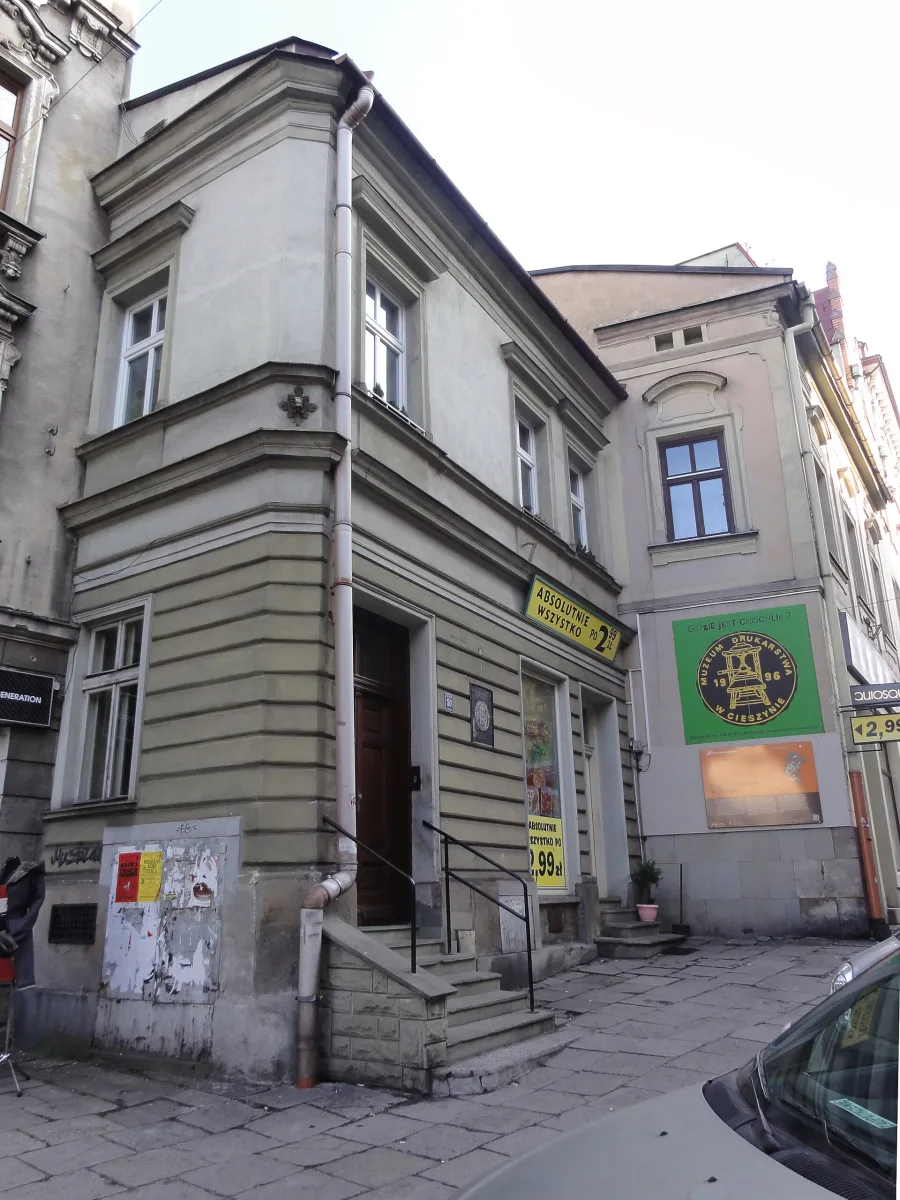
The third role is the youngest and concerns a different building from the others. The Henryk Kuźniak Mine of Culture is in the Piaski district, in a building erected in 1912 as a canteen for the employees of the "Czeladź" mine. After 1919 it was taken over by the "Sokół" gymnastic society, hence the colloquial name Sokolnia. It was later a miners' club, the Works Culture House opened in 1965, a cinema and a youth entertainment centre. After the mine was liquidated, the building was taken over by the municipality. The cultural institution under its present name was established by a city council resolution of 2025. Available are an auditorium with a cinema, ballet studios, workshops and a recording studio.
Katowice: a gallery in a lamp room and a city of culture above the shafts
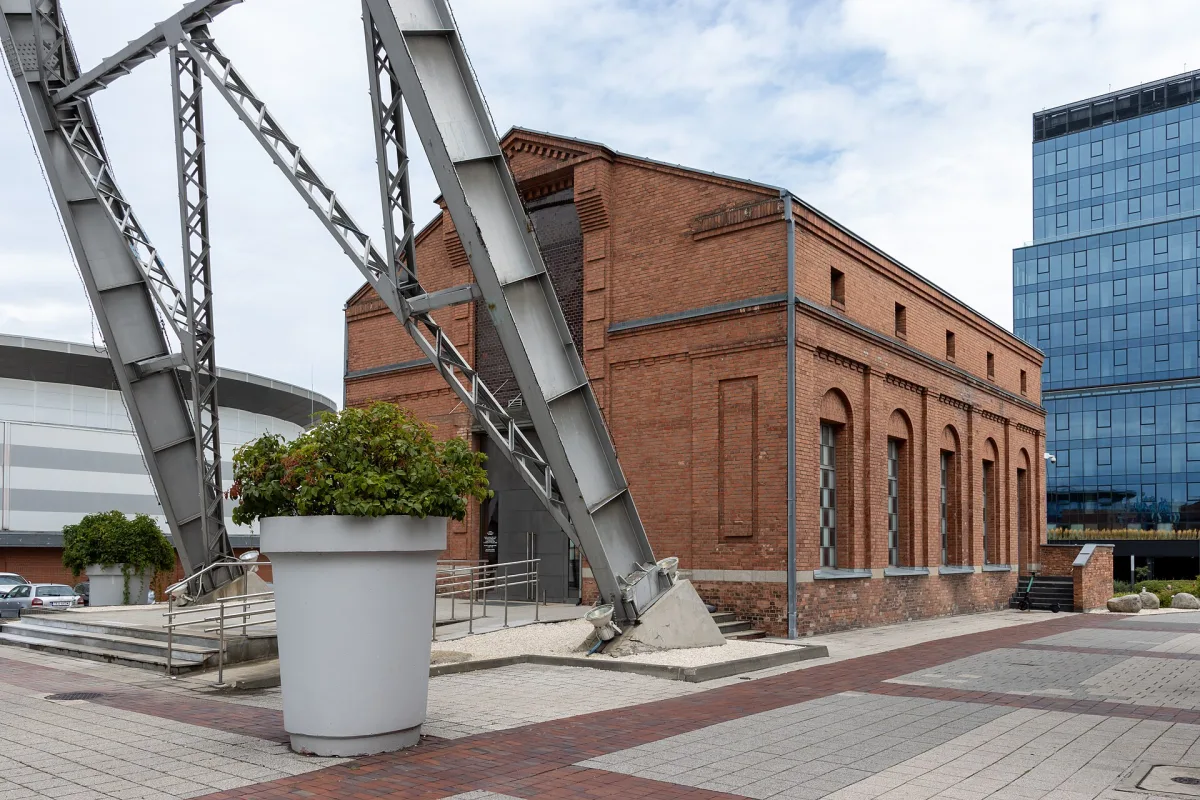
In Katowice two former mines received entirely different roles. The lamp room and bathhouse of the Wilson shaft, belonging to the "Wieczorek" mine, stand on Oswobodzenia Street, less than a kilometre from Nikiszowiec. The brick building of 1915 was entered in the heritage register, and revitalisation began in 1998. The Szyb Wilson Gallery has operated since 2001 and shows a private collection of paintings, sculptures and installations. The gallery gives its exhibition space as over 2,000 square metres, and other sources give 2,500. The name Wilson comes from the President of the United States and was given to the shaft in 1935.
On the other side of Katowice the same process was carried out on a large scale. The "Katowice" mine, founded as "Ferdinand" in 1823, stopped extracting coal in 1999. Its site became the Culture Zone: in 2015 the seat of the Silesian Museum was opened here, built mainly below the surface, and next to it stands the seat of the Polish National Radio Symphony Orchestra. The old buildings remain in use. In the engine house of the "Warszawa I" shaft there is a restaurant, in the former carpentry shop a permanent exhibition, and the winding tower of the "Warszawa II" shaft of 1905 serves as a viewing tower. The "Bartosz" shaft complex with a steam winding engine of 1892 is entered in the heritage register.
Zabrze and Rybnik: the mine as a museum
The variant that goes furthest is the one in which the mine remains a mine, only with different guests. The Guido Mine in Zabrze was founded in 1855. The shaft was put out of operation in 1962, and after 1967 an experimental mine, M-300, was set up here, in which new mining machines were tested. In 1982 an open-air mining museum was created at the 170-metre level. When dismantling of the underground route began in 2000, it was stopped by the Zabrze local government together with the marshal's office and private individuals. Today Guido belongs to the Coal Mining Museum, and visitors descend to the 170 and 320-metre levels.
The Queen Louise Adit, a kilometre away, belongs to the same museum. The mine extracted coal from 1791 to 1998, and beneath it runs the Main Hereditary Adit, built to drain mines and completed in 1863. The adit silted up over decades. After it was cleared, successive sections were opened to tourists from 2016, and in 2018 an underground boat trip was added. The revitalisation received the Europa Nostra European Heritage Award in 2019, and in July 2020 Guido and Luiza became part of the historic monument "Zabrze - a complex of historic coal mines".
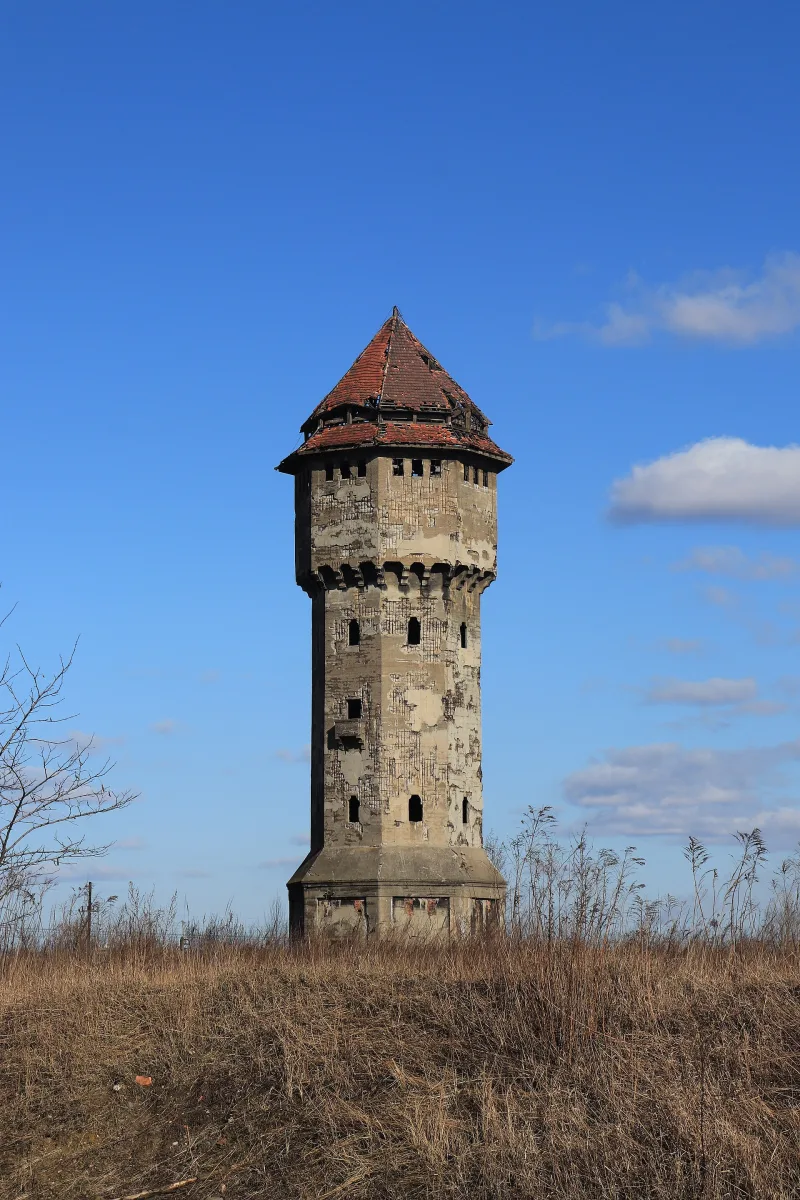
The Ignacy Historic Mine in Rybnik-Niewiadom, founded in 1792 as "Hoym", looks different. It is not possible to go underground here, because the shafts were filled in for safety reasons. Instead visitors see two steam engines, from 1900 and 1920, a water tower with a viewing terrace, and a small science centre for children. This is an example of a mine that found a new life on the surface.
Places still waiting
Not every mine has a ready script. The Boże Dary Mine in Katowice-Kostuchna was built for the Princes of Pszczyna in 1901-1903 and until 1937 was called "Böer". Under conservation protection there are the office building with the lamp room, the switchgear building, the bathhouse and the workshop buildings, and next to it stands a former miners' estate. In 1956 the mine suffered the greatest disaster in its history, in which 24 miners and rescuers died. The sources give no rules for visiting, so it is rather a place to view from the street.
In Siemianowice Śląskie the complex of the former Ficinus mine, a shaft of the Huta Laury mine closed in 1933, survives in a different role: the buildings on Składowa Street are used today by an electrical machinery repair plant, and the former management building stands at number 3. In Zabrze, from the Concordia mine, liquidated in the 1990s, the Maciej shaft complex was saved, with a winding tower and an engine house with a Siemens-Schuckertwerke machine. It is entered in the heritage register and lies on the Industrial Monuments Route, but the rules of entry must be checked with the manager.
These examples show that the fate of a mine is often decided not by its age or size but by whether someone decided to keep it going. This is clearly visible in Czeladź, where a gallery, a museum, a hotel and a culture centre arose from a single plant.
Be the first! Add a comment.
You need to log in to add a comment.
Log in