
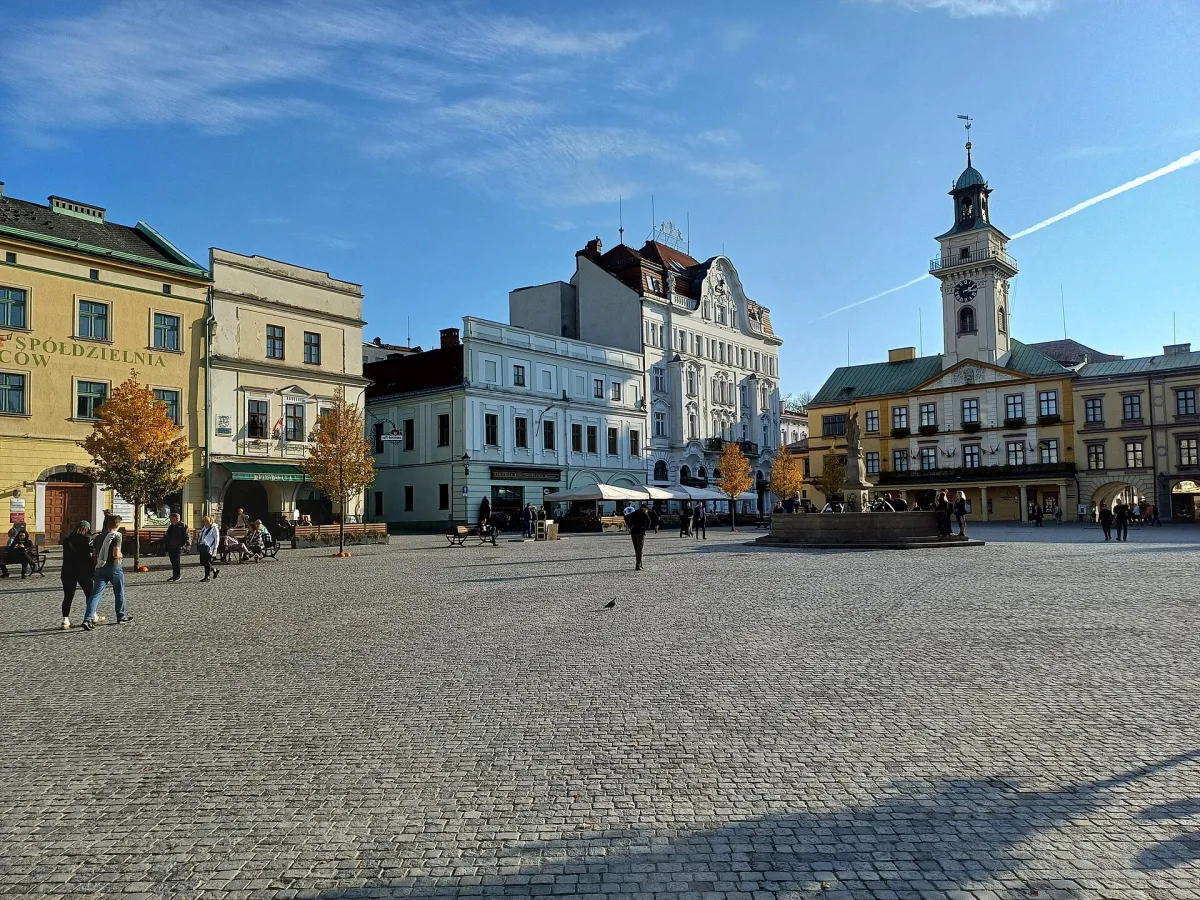
Cieszyn Silesia has its own set of dishes, known here for generations, which have made it onto the ministry's List of Traditional Products. Two of them stand side by side on the festive table: smoked kita, that is a piece of ham from the hind leg of a pig, and beans, called fazola or becok in the dialect. Kita is served with Cieszyn-style cabbage. Everything below is based on the product cards published by the Ministry of Agriculture and Rural Development.
Smoked kita: meat on the bone and several days of curing
According to the product card, kita is smoked meat from the hind leg of a pig, on the bone. It is oval in shape with a clearly protruding bone, and its size depends on the size of the pig, from 2 to 5 kg. The outside is reddish-brown, the cut surface is blood-red, and the meat is described as tender and juicy. The smoky aroma and flavour dominate.
The card states that kita has been known in Cieszyn Silesia for over 100 years and was eaten at various festivals. Preparation has two stages. First the meat is cured for several days, then it goes to a smokehouse fired with fruit-tree wood or alder and juniper. The finished kita is cut into slices and served with traditional Cieszyn-style cabbage. It was entered on the List of Traditional Products on 20 January 2009, in the category of meat products, in the Silesian Voivodeship.
How kita was smoked in the past
The card quotes the recollections of Paweł Rucki from "Głos Ziemi Cieszyńskiej" of 1983, titled "Co się dawni jadło?" ("What did people eat in the old days?"). He relates that farmers slaughtered very large pigs, weighing 250-300 kg. Lard and meat were salted in layers in wooden tubs, heavily, so that it would last the whole year. Kita and other cuts were then salted in a second tub, and after a few weeks, when the salt had penetrated the meat to the bone, they were hung in the cottage under the ceiling above the hearth, where they were smoked. When there was no smokehouse, this is how it was done. The finished cured meat was carried up to the attic and hung high on nails driven into the rafters so that cats could not get at it. Rucki adds that meat was not eaten every day.
Beans, fazola, becok
The second item from this table is the Cieszyn bean. The product card describes it as a plant cultivated in Cieszyn Silesia for a long time and used in traditional cooking. The seeds can be of various sizes, from 1 to 3 cm depending on the variety, and their colour is white or red. After cooking, the flesh is white and floury. It was entered on the List on 15 January 2009, in the category of ready meals and dishes.
The card draws attention to the time of year. Fasola na sypko, a dish made from freshly harvested seeds, was prepared in summer and autumn. At that time meat was scarce, because the first pig slaughters were held only for the winter, so beans, rich in protein and vitamins, replaced meat dishes. The document calls it a nourishing and tasty food of the people of the Silesian Beskids.
Soups, sauces and dried beans
The card also quotes a passage from the book "Płyniesz Olzo" by Józef Ondrusz, from the chapter on the food of the Cieszyn people. According to him, the bean was the most widespread legume in Cieszyn Silesia, while peas and broad beans were grown less. Several varieties of bush bean were planted, on separate beds or in clusters among the potatoes, as well as pole beans with many seeds, commonly called becoks. They were prepared as soups, sauces and salads, or dry. Soups and sauces were thickened with a roux of flour and milk or cream, and the flavour was improved by a piece of cured meat added during cooking. They were served with potatoes or bread. Some housewives added a handful of dried plums or plum butter. Dry beans were eaten with sour or curdled milk.
Where to find it all
Both cards were written for the ministry's register, so they describe a product and not a recipe from a particular kitchen. Anyone who wants to try them should look for Cieszyn dishes in restaurants in Cieszyn itself and the surrounding area, and it is best to ask on the spot about the current menu. The guide "Śląskie od kuchni" ("Silesia from the kitchen"), published by the Marshal's Office of the Silesian Voivodeship, also lists among the dishes it describes the Cieszyn-style tripe, which belongs to the same culinary tradition of the region.
Be the first! Add a comment.
You need to log in to add a comment.
Log in