Silesia, Silesian Voivodeship
Tuesday, 03 November 2026 PL / EN

History of Silesia

39 articles
The Peasant Rybka, Roździeński and the Ordunek Gorny: The Beginnings of Mining in Tarnowskie Góry Historia Śląska
The Peasant Rybka, Roździeński and the Ordunek Gorny: The Beginnings of Mining in Tarnowskie Góry
The legend of the peasant Rybka places the beginning of Tarnowskie Góry mining around 1490, but the oldest record comes from Walenty Roździeński's poem of 1612. Documents begin with the act of mining freedom of 1526 and the Ordunek Gorny of 1528.
Read more →
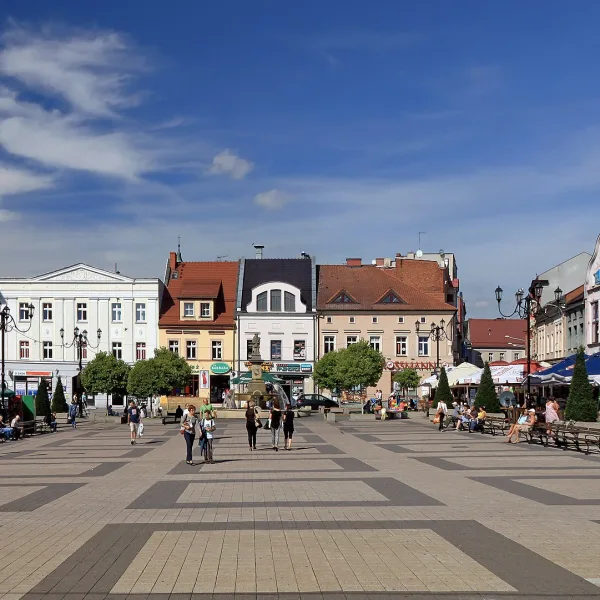
Rybnik from the Mention of 1223 to a Town of Miners Historia Śląska
Rybnik from the Mention of 1223 to a Town of Miners
Rybnik first appeared in a document of 25 May 1223 as a village with a Norbertine convent. Through its castle, the railway and the mines it became one of the main towns of the Rybnik Coal Area.
Read more →
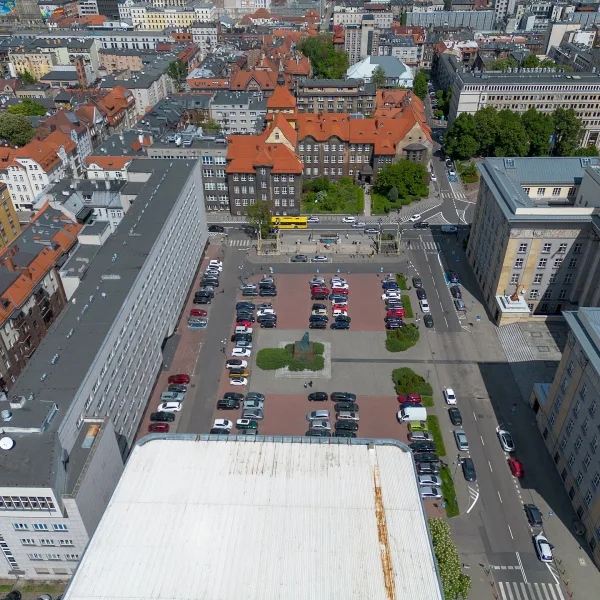
The Silesian Sejm and the Autonomy of the Silesian Voivodeship 1922-1939 Historia Śląska
The Silesian Sejm and the Autonomy of the Silesian Voivodeship 1922-1939
The Silesian Voivodeship had its own parliament, its own treasury and a wide scope of independence. We explain how this autonomy worked and what remains of it in the Silesian Sejm building in Katowice, with its chamber and paternoster lift.
Read more →
Where the Dąbrowa Basin got its name and why from 1815 it was the Congress Kingdom Historia Śląska
Where the Dąbrowa Basin got its name and why from 1815 it was the Congress Kingdom
The Basin took its name from the sunken coal troughs, and its second part from Dąbrowa Górnicza. From 1815 the region belonged to the Congress Kingdom, and the Russian border on the Brynica and the Przemsza rivers shaped its character.
Read more →
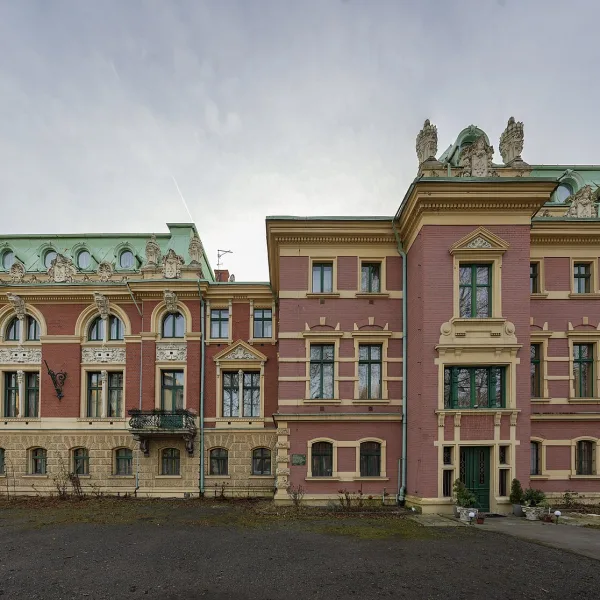
Palaces and mausoleum of the Sosnowiec industrialists: Dietel and Schön Historia Śląska
Palaces and mausoleum of the Sosnowiec industrialists: Dietel and Schön
Two Saxon families, the Dietels and the Schöns, built palaces, parks and a family mausoleum in Sosnowiec. Which palace is which, and where the sources give different dates.
Read more →
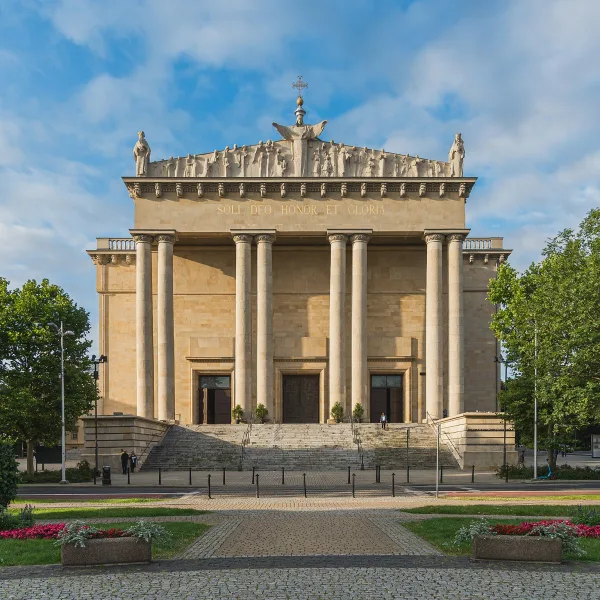
Katowice, Kattowitz, Stalinogród: the history of the city's names Historia Śląska
Katowice, Kattowitz, Stalinogród: the history of the city's names
For several centuries Katowice had a Polish and a German name, and in 1953-1956 also Stalinogród. Where the original name came from, when it was officially changed and what happened to the names of districts such as Giszowiec.
Read more →
The underground strike at the Piast mine in Bieruń: two weeks and a Christmas Eve underground Historia Śląska
The underground strike at the Piast mine in Bieruń: two weeks and a Christmas Eve underground
From 14 to 28 December 1981 the crew of the Piast mine in Bieruń went on strike underground. They spent Christmas Eve by dimming lamps, with a Mass celebrated down in the mine. After they rode up, dismissals, internments and an unexpected acquittal followed.
Read more →
The first days of martial law in the mines: Manifest Lipcowy, Piast, Ziemowit Historia Śląska
The first days of martial law in the mines: Manifest Lipcowy, Piast, Ziemowit
After 13 December 1981 the miners of Silesia responded to martial law with strikes underground and on the surface. In Jastrzębie the first shots were fired, at Piast and Ziemowit the protest lasted several days without an assault. What the historical sources say about those days.
Read more →
The palace in Świerklaniec known as the Little Versailles: its creation, fall and the gate that came back Historia Śląska
The palace in Świerklaniec known as the Little Versailles: its creation, fall and the gate that came back
The palace in Świerklaniec, known as the Little Versailles, was built in 1868-1875 for Guido Henckel von Donnersmarck. It burned down in 1945 and was demolished, but the park, terraces and several buildings survived.
Read more →
Synagogues burned in September 1939: Katowice, Będzin, Bielsko, Cieszyn and other towns Historia Śląska
Synagogues burned in September 1939: Katowice, Będzin, Bielsko, Cieszyn and other towns
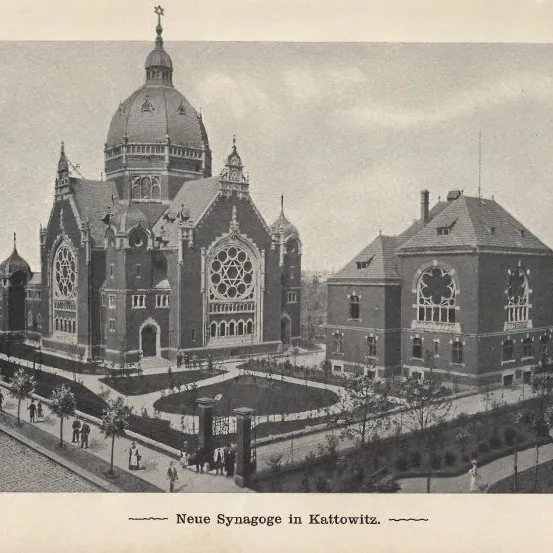
In September 1939 the Germans set fire to or demolished synagogues in many towns of today's Silesian Voivodeship. The text brings together these fates, from Katowice and Będzin to Bielsko, Cieszyn and smaller towns, and shows how these places were commemorated after the war.
Read more →
Tarnowskie Góry: the Market Square, the mining school and the Gwarks' Festival Historia Śląska
Tarnowskie Góry: the Market Square, the mining school and the Gwarks' Festival
A trapezoid market square, the townhouses of wealthy gwarks, the school where future mining officials were taught, and a festival that recalls the old trade every year. A walk along the traces of the mining town above ground.
Read more →
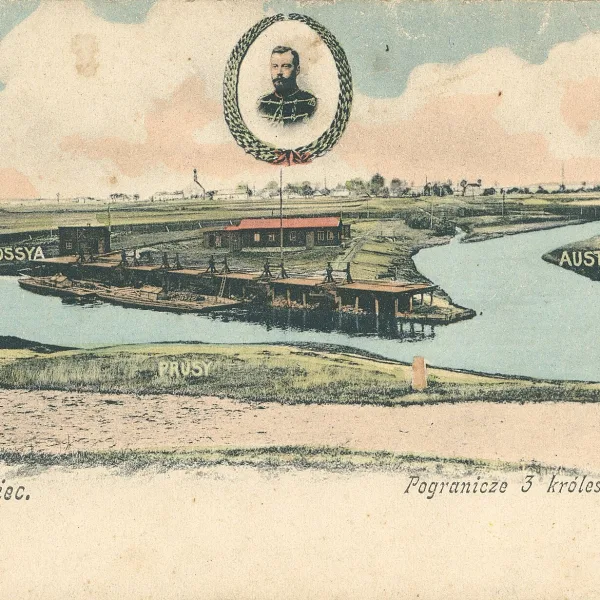
The Three Emperors' Corner in Mysłowice: where three empires met Historia Śląska
The Three Emperors' Corner in Mysłowice: where three empires met
At the confluence of the Biała and Czarna Przemsza, until 1915 the borders of Germany, Austria-Hungary and Russia met. Where the name comes from, what the place looked like before the First World War and what is left of it.
Read more →

What's on in Silesia in the coming days

See the event calendar →
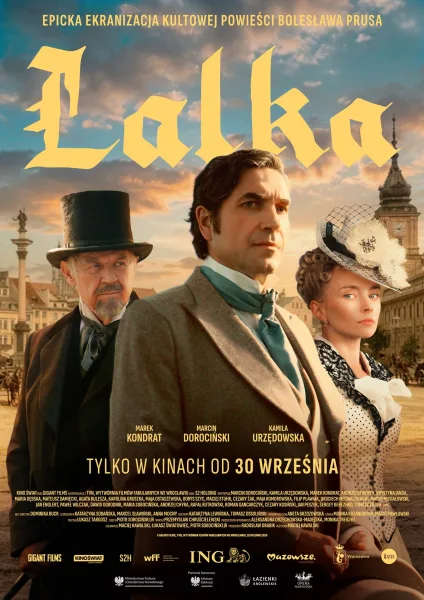
Lalka
Today 11:00
Kino
Lalka
Klara i Słońce
Today 12:00
Kino
Klara i Słońce
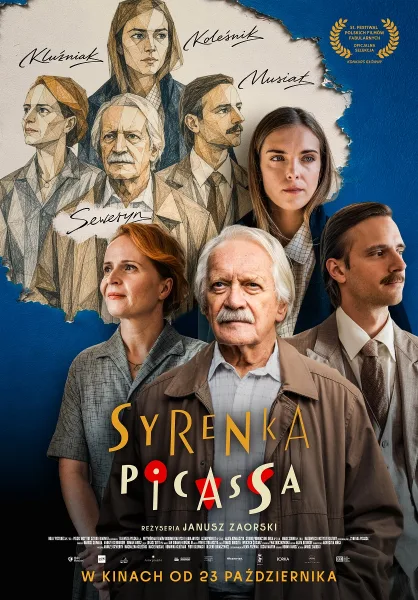
Syrenka Picassa
Today 12:45
Kino
Syrenka Picassa
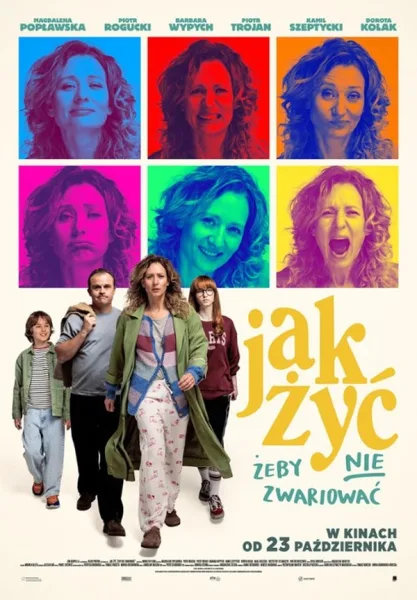
Jak żyć, żeby nie zwariować
Today 13:20
Kino
Jak żyć, żeby nie zwariować