Silesia, Silesian Voivodeship
Tuesday, 03 November 2026 PL / EN

History of Silesia

39 articles
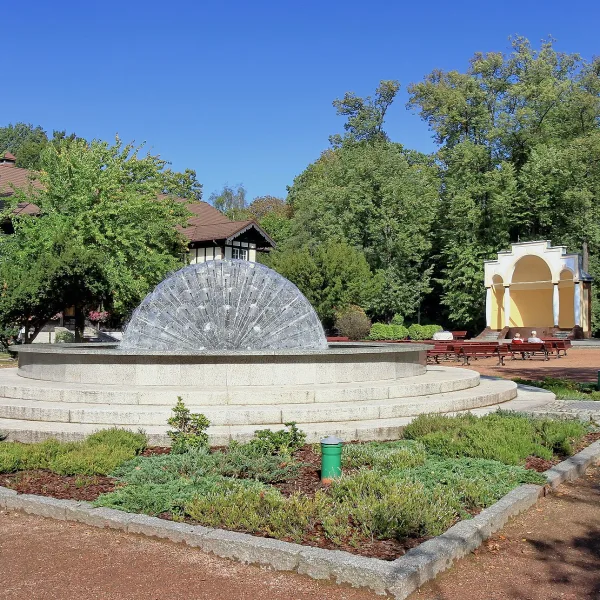
Jastrzębie-Zdrój: from spa to the town of the Jastrzębie Agreement Historia Śląska
Jastrzębie-Zdrój: from spa to the town of the Jastrzębie Agreement
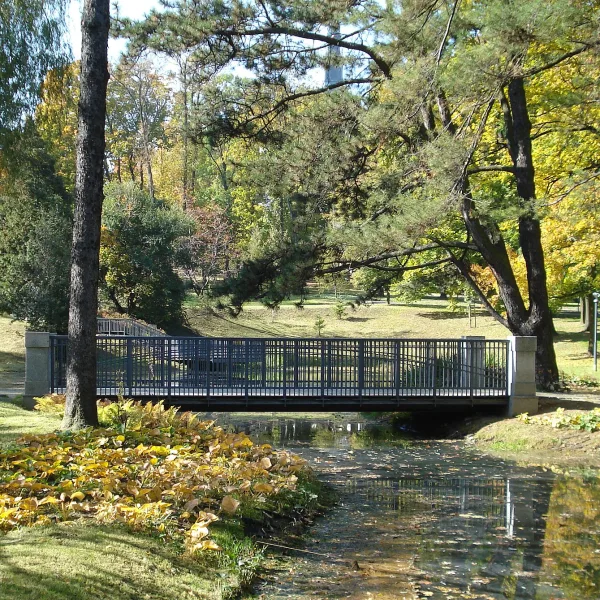
The town known for its mines began as a spa with iodine-bromine brine, discovered by chance in 1859. The article tells of Zdrój, its parks and sanatoria, of the building of the mines, and of the agreement signed here on 3 September 1980.
Read more →
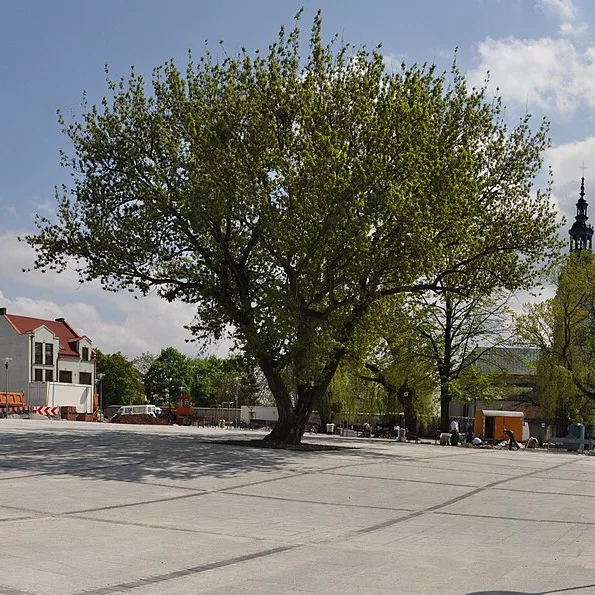
Kłobuck: the Pauline Starosty, the Monastery of 1476 and the History to the Liquidation of the Ghetto Historia Śląska
Kłobuck: the Pauline Starosty, the Monastery of 1476 and the History to the Liquidation of the Ghetto
Kłobuck, a royal town on the former borderland of the Crown and Silesia, was from 1658 the seat of a non-castle starosty given to the Paulines of Jasna Góra. Its history also includes the parish of Jan Długosz and the canons' monastery of 1476, as well as a Jewish community whose ghetto was liquidated in June 1942.
Read more →
The Geneva Convention of 1922: How a Divided Upper Silesia Functioned Historia Śląska
The Geneva Convention of 1922: How a Divided Upper Silesia Functioned
The border of 1922 cut the Upper Silesian industrial district in two. The Geneva Convention, running to 606 articles, was meant to ensure that mines, networks and people could go on functioning on both sides of the border.
Read more →
The Korfanty Line and the Allied Dispute over Dividing Upper Silesia Historia Śląska
The Korfanty Line and the Allied Dispute over Dividing Upper Silesia
After the 1921 plebiscite Korfanty put forward his own border proposal, while France, Great Britain and Italy could not agree on how to divide the region. We describe three proposals, the role of the Third Uprising and the decision of 1922.
Read more →
Lubliniec: the Castle, the Jasna Góra Icon in 1655 and Patron Saint Edith Stein Historia Śląska
Lubliniec: the Castle, the Jasna Góra Icon in 1655 and Patron Saint Edith Stein
A town in the north of the voivodeship which, according to Wikipedia, briefly received the Jasna Góra image in its castle in 1655, and which today remembers Edith Stein, its patron since 2008. Facts and legends in one overview.
Read more →
The Massacre at the Mysłowice Mine and the Start of the First Silesian Uprising Historia Śląska
The Massacre at the Mysłowice Mine and the Start of the First Silesian Uprising
On 15 August 1919, in front of the gate of the mine in Mysłowice, German soldiers opened fire on workers waiting for their pay. Two days later the First Silesian Uprising began. The article shows what is known about the massacre, about the unclear circumstances of the order, and about discrepancies between sources.
Read more →
Pilica, Mstów, Kłobuck: Towns Stripped of Their Town Rights in 1870 Historia Śląska
Pilica, Mstów, Kłobuck: Towns Stripped of Their Town Rights in 1870
In 1870 a tsarist ukase took town rights away from hundreds of places in the Kingdom of Poland, including three that lie today in the Silesian Voivodeship: Pilica, Mstów and Kłobuck. One came back after more than a hundred years, another after several decades, the third never.
Read more →
The Jasna Góra image: what researchers have established and what belongs to legend Historia Śląska
The Jasna Góra image: what researchers have established and what belongs to legend
The image of Our Lady of Częstochowa is surrounded by legends about St Luke and Belz, and by researchers' hypotheses about its origin. We separate what is documented from what is tradition or a disputed conclusion of art historians and conservators.
Read more →
The 1921 Upper Silesia Plebiscite: Numbers, Towns and Villages, and the Dispute over the Result Historia Śląska
The 1921 Upper Silesia Plebiscite: Numbers, Towns and Villages, and the Dispute over the Result
The plebiscite of 20 March 1921 gave Germany 59.4 per cent of the votes and Poland 40.3 per cent. We describe, with sources, how the votes were counted, how towns and villages voted, and why Korfanty declared a Polish victory just two days later.
Read more →
Monuments to the Insurgents and to Korfanty: From Katowice to Wodzisław Śląski Historia Śląska
Monuments to the Insurgents and to Korfanty: From Katowice to Wodzisław Śląski
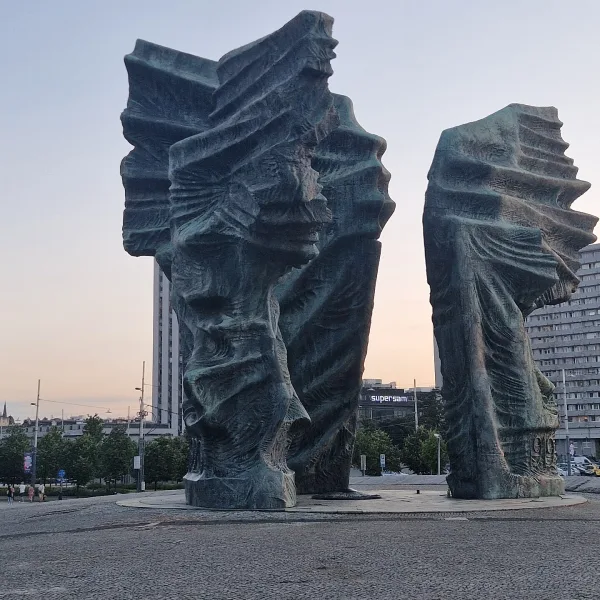
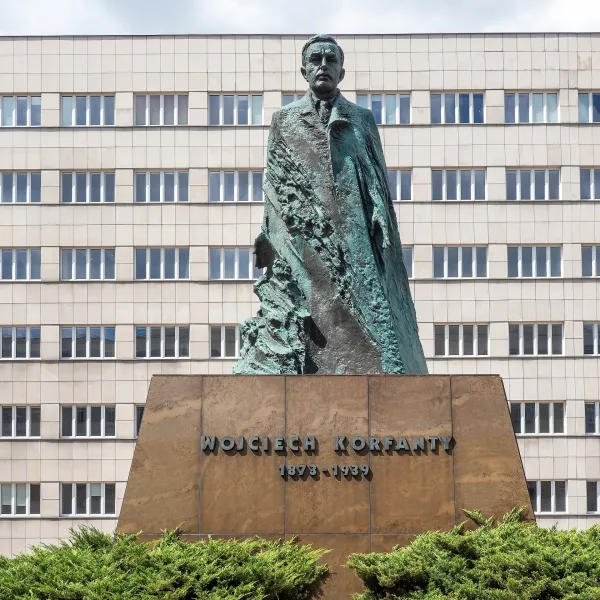
Monuments to the Silesian Uprisings and to Wojciech Korfanty stand in many districts and towns of the region. Many of them were destroyed in 1939 and recreated after the war. An overview of selected places in Katowice, Siemianowice, Świętochłowice, Knurów and Wodzisław Śląski.
Read more →
The Three Uprisings in Numbers and in Memory: Losses, the Insurgents' Union, the Destruction of Monuments in 1939 Historia Śląska
The Three Uprisings in Numbers and in Memory: Losses, the Insurgents' Union, the Destruction of Monuments in 1939
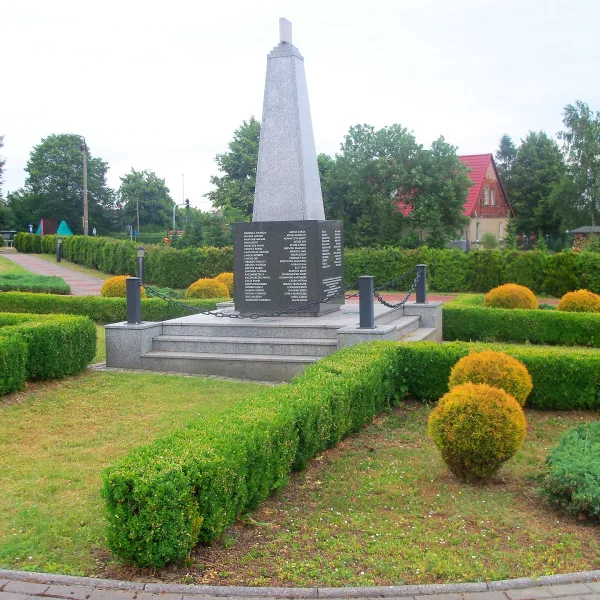
How many people died in the Silesian Uprisings according to the IPN and where the discrepancies come from, how the Union of Silesian Insurgents worked, and what happened to the insurgents' monuments after September 1939.
Read more →
Ruch Chorzów: The Club from Bismarckhütte and Five Pre-War Titles Historia Śląska
Ruch Chorzów: The Club from Bismarckhütte and Five Pre-War Titles
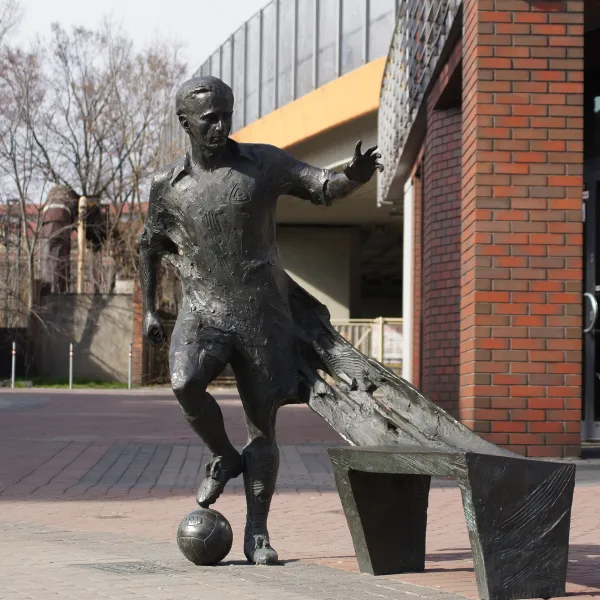
Ruch Chorzów was founded in 1920 in Wielkie Hajduki, in the days of the plebiscite. Between 1933 and 1938 it became Polish champion five times, and the stadium on Cicha Street was regarded in 1935 as one of the most modern in the country.
Read more →

What's on in Silesia in the coming days

See the event calendar →
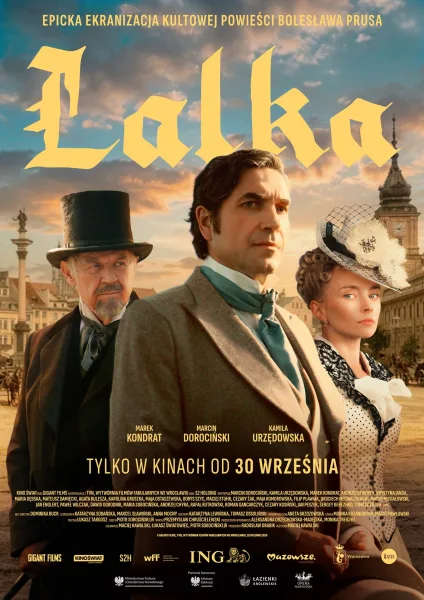
Lalka
Today 11:00
Kino
Lalka
Klara i Słońce
Today 12:00
Kino
Klara i Słońce
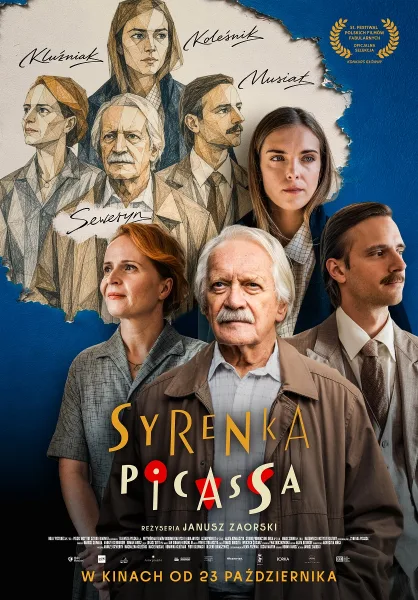
Syrenka Picassa
Today 12:45
Kino
Syrenka Picassa
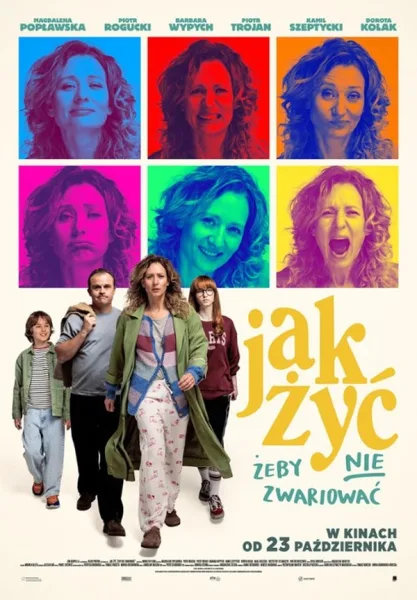
Jak żyć, żeby nie zwariować
Today 13:20
Kino
Jak żyć, żeby nie zwariować